
How to teach a dog the fetch command
Continuing with the topic of pet training at home, today we'll take a detailed look at how to teach a puppy or adult dog the "Fetch" command and how to ensure proper execution.
Content
What does the "Fetch" command mean for dogs?
The "Fetch" command is part of the mandatory basic training course. The command's name derives from the English word "apporter," which means "to bring."
Standard. Before throwing the object, the dog assumes a sitting position at the owner's left leg. The retriever is thrown up to 15 meters away. The dog should calmly observe the scene without moving. The pet begins searching for the thrown object on the command "Fetch," given verbally and accompanied by a hand signal. Having found the object, the dog should return to the owner, circle behind them, and sit at their left leg, continuing to hold the retriever in its mouth until the owner commands "Give."
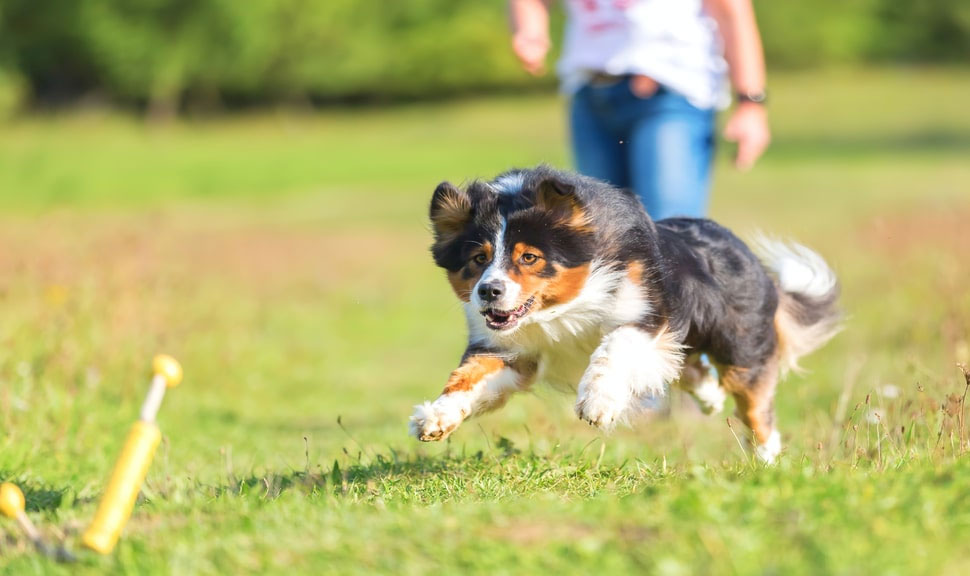
Training a command according to a standard is a long and difficult process, which is not easy for all dogs, but training a pet to retrieve and return thrown objects "on a household level" is truly not difficult.
Age to start training
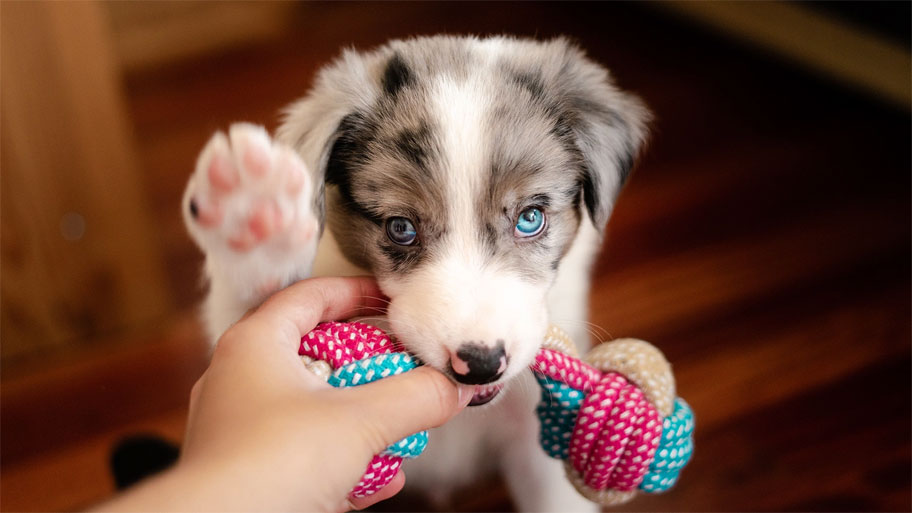
Experienced dog trainers recommend introducing the “Fetch” command into the training course for dogs that already know basic commands such as “Sit», «Near" and "Give." However, if desired, the first lessons can be held from the very first days the puppy arrives home, reinforcing the skills necessary for further training through play.
Step-by-step training of the "Fetch" command at home
The technique for teaching the “Fetch” command is based on the instinctive natural desire to retrieve thrown objects, which is inherent in most dogs.
If your dog exhibits this instinctive behavior to a high degree, you'll be able to achieve rapid success in training. Others will require more extensive training, but experienced dog trainers believe that any dog, regardless of age, can be taught to retrieve objects from scratch.
Success in learning is based on the following important factors:
- choosing the right item for retrieving (it should arouse the dog’s interest);
- sequence of training (the transition to the next stage is possible only after the skills of the previous one have been consolidated);
- patience on the part of the trainer (absence of negative reactions, psychological or physical pressure on the dog).
Stage #1. Focusing on the subject.
Once you've chosen the object you'll use for retrieving (a stick, a ball, a toy), you need to teach your dog to focus on it. This is usually accomplished by playing with the object in front of the dog, enticing it to participate and grab it.
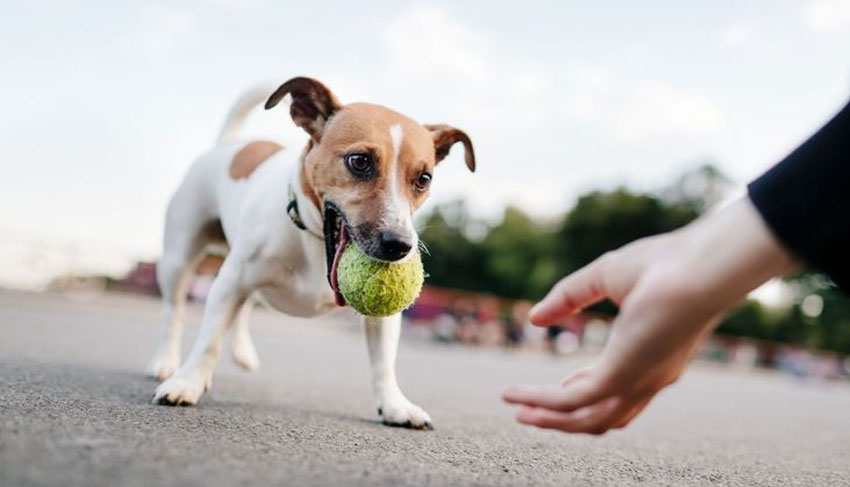
A puppy or adult dog may pick up an object and run away with it. This behavior is natural during the first few lessons, but it must be eliminated as quickly as possible, otherwise the dog will develop a bad attitude.
Stage #2. Ability to return an object to its owner.
It's great if your puppy already knows the "Give" command. But if you haven't taught it yet, you can combine it with retrieving training, practicing returning the object to the owner for a reward (a treat).
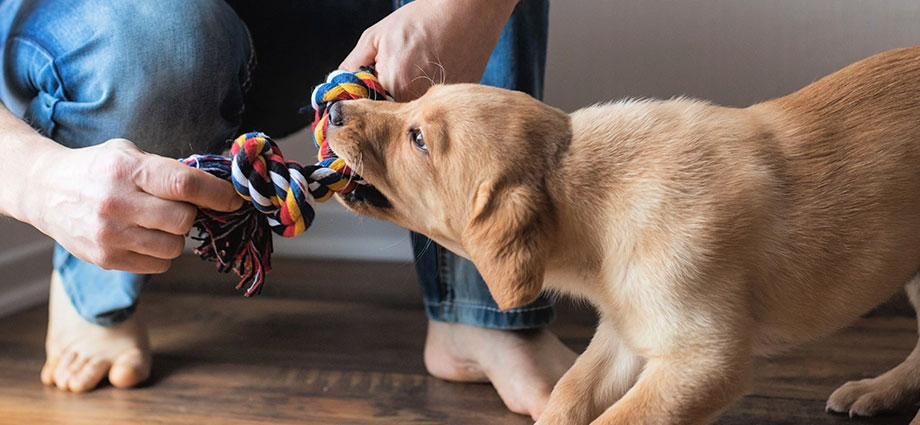
If your dog immediately runs away with the toy after receiving the desired item, don't try to take it away by force. Approach your dog, direct its attention to the treat, and bring it to its muzzle. Your pet will release the toy on its own to eat the desired piece.
Stage #3. Carry the item in your teeth.
Once the puppy has learned that he can get the object he's interested in and return it to his owner for a treat, we teach him to carry the toy in his mouth while walking on a leash.
It's great if your dog already knows the "Heel" command. But even if you're training a young puppy, you can let it retrieve the object and command it "Come," giving a gentle tug on the leash and leading it a few steps. When the dog succeeds, be sure to praise it.
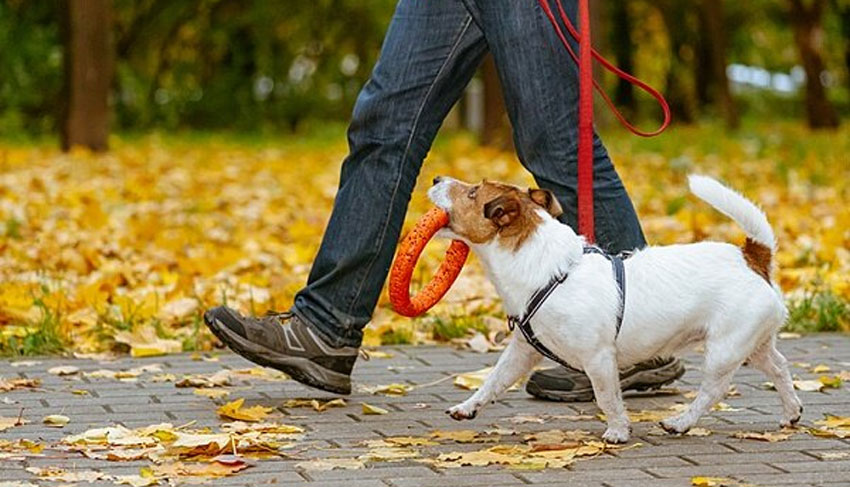
At first, the dog will release the object after taking just a few steps. You need to engage the puppy with the object, return it to its mouth, and begin moving again.
Stage #4. Retrieving a thrown object.
It is at this stage of dog training that the “Fetch” command is added.
Start your training by repeating the skills you've already mastered:
- active grasping of an object;
- returning the object on command "Give";
- moving on a leash with an object in the teeth.
Focus your dog's attention on the retrieving toy and throw it a short distance (up to 1 meter) and command "Fetch." Most likely, the puppy will instinctively run after the toy. If this doesn't happen, lead the dog to the toy and re-engage it.
At this stage, the key is the dog's willingness to pick up the toy from the ground and chase the thrown object. If this response is absent, you may have chosen the wrong retrieval item, and it's time to look for something more engaging.
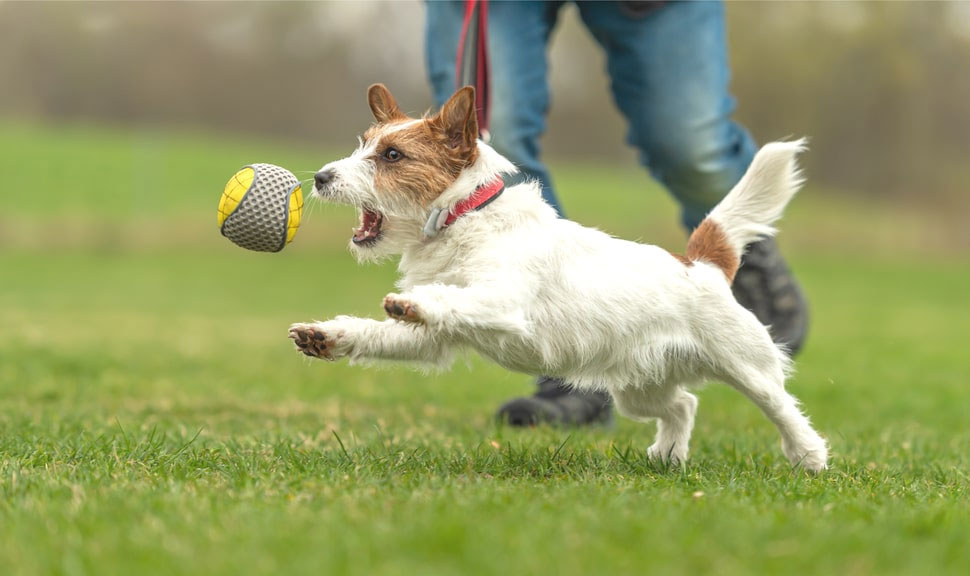
Experienced dog trainers who teach service breed owners how to teach their dogs the "fetch" command recommend focusing on developing the dog's desire to retrieve a thrown object and return it to its owner. Each successful retrieve should be followed by a positive emotional response, praise, and a treat.
Once the dog begins to understand the meaning of the "Fetch" command, rewarding with a treat can be done not after every throw, but instead replace food with emotional reinforcement and playing together with the retrieving object, which in itself gives the dog pleasure.
Step 5. Gradually make the task more difficult.
Once the dog has mastered the previous stage of training (happily retrieves a toy thrown nearby, gives it to the owner without resistance or running away with it), the following more complex activities can be introduced:
- practice the skill outside the home;
- increase throwing range;
- offer different objects for retrieval;
- duplicate a command with a gesture;
- train the patience between the throw and the command “Fetch”;
- training the correct presentation of a retrieving object by going around from behind and placing it near the left leg.
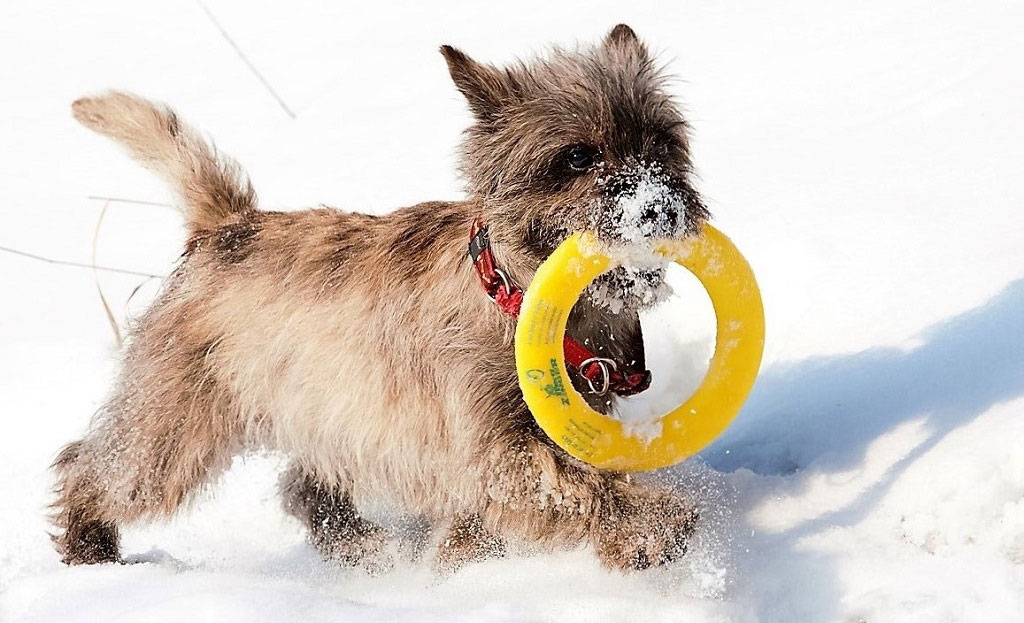
The last two points on the list are the most difficult for dogs, so move on to working on them only after your pet can flawlessly perform the command with different objects and in different conditions.
Typical mistakes
Experienced dog trainers point out the following common training mistakes to beginning dog owners:
- Incorrect choice of object (the dog is not interested in the object).
- Ambiguous command delivery (decide immediately which language you will train your dog in—Russian, English, French, or another—and always pronounce the command the same way).
- Attempts to take away the retrieved item by force (this action will only increase the dog’s desire to run away and hide after getting what it wants).
- The presence of punishments (you cannot yell at the animal, hit it, pull it hard on the leash, or show aggression in any other way for incorrectly performing a command).
- Moving from one level to another too quickly. If the dog doesn't complete the task, it's not ready for the next stage. It's necessary to return to the previous training level and reinforce it.
Advice from dog handlers
For more information on how to teach dogs of all breeds the "Fetch" command, watch this video:
Read also:
- How to stop a dog from picking up anything on the street
- How to teach a dog the No or No command
- Mondioring for dogs: what it is, description, and rules


Add a comment