
How to find common ground with a cat
"A man is as cultured as he can understand a cat," said George Bernard Shaw. While dogs try their best to win over their owners, with cats, humans must figure out how to find common ground and earn their trust.
Content
Language is the path to understanding
Animal psychologists claim that cats produce over 100 sounds. Their volume, frequency, expressiveness, and intonation change depending on the pet's mood. The familiar "meow" and "purr-purr" sounds that males and females actually express:
- anxiety;
- fear;
- irritability;
- impatience;
- request.
The owner needs to learn to understand their language and pay attention to their habits and behavior.

Upbringing
Cats are intelligent, independent, and willful, but difficult to train. People often yell at them for disobedience and hit them for minor misbehaviors. Befriending a cat is impossible if you resort to physical abuse or violence. The animal will become angry and begin to take revenge on its owners.
A pet perceives an apartment or house as its own territory, where anything goes. For this reason, cats may sharpen their claws on tables, wallpaper, and upholstered furniture. A spray bottle can be used to gently discourage them from this habit.
As soon as your cat starts to sharpen its claws on the furniture, spray it with water from a spray bottle. This procedure will need to be repeated several times until the cat develops a conditioned reflex—one that won't harm its psyche or health.
When training a kitten or an adult male, constant, gentle control is equally important. Praise them for their successes, smile at them, and gently stroke their necks. Even animals with difficult personalities warm up after a while. Restrictions are best reinforced with sounds rather than shouting. Clapping your hands is an option. Cats need to be spoken to like people—they pick up on intonations and, over time, begin to understand what their owner wants.
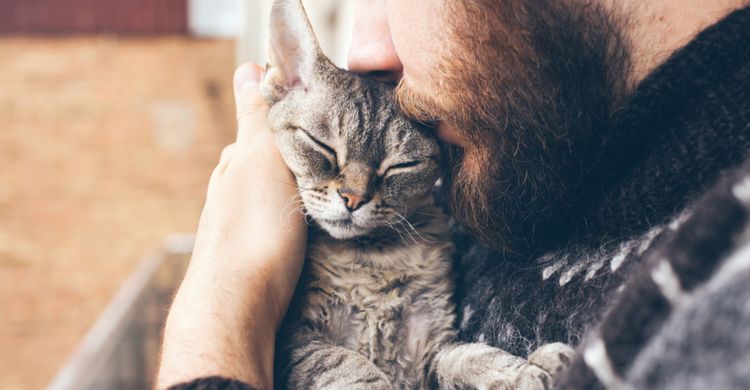
Hissing and attacking
Even friendly and affectionate pets can hiss at their owners, hit them with their paws, or scratch them. A subtle twitching of the ears can indicate nervousness and tension in an otherwise calm animal.
Cats in this state should not be touched, especially if they press their ears back tightly or pull their heads in. Animals behave this way when they subconsciously anticipate an attack. Paws and claws are part of a defensive reaction. If a cat is preparing to attack first, its ears will drop almost horizontally to the sides. At this point, it's best to leave it alone until it calms down.
Growling and biting
When they are strokedAnimals purr not only out of pleasure. They use these sounds to calm themselves and relieve tension. But if owners pet their pets for too long, it can lead to overexcitement and aggression. This manifests itself in scratching and biting.
If your pet bites your hand, don't abruptly pull it away—wait a few seconds for it to calm down. Cats react strongly to shouting, hitting, and other insults, and they become upset with people, turning away, and not responding to calls, persuasion, or other requests.

Conversations
Conversational communication is an effective way to learn to get along with your cat. Human voice It sounds like a foreign speech to her, but over time she learns words and sentences and reacts to them.
When addressing your pet, it is important to use a gradation of tones:
- praise, raising your voice;
- to show dissatisfaction by lowering one's tone.
For members of the feline family, this division is understandable, so the response will appear more quickly.
Another important point is to repeat phrases so your cat remembers them. These can be simple sentences like "Hello!", "It's time for dinner," "Let's go to bed," and dozens of similar ones. They should be spoken with the same intonation—after two to three weeks, your cat will respond to these phrases instantly.
Communication requires consistency and logic. Many owners make the same mistake: they pronounce the words "no" and "don't" softly, with a smile, and gently stroke their cat's fur. And cats interpret their owner's tone and actions differently: it's impossible to expect them to understand if their actions contradict their words.
A commanding tone is inappropriate when pronouncing a pet's name. A name should evoke only positive emotions, so sternness and harshness in the voice are taboo. Calling cats without reason, abusing their attention for your own pleasure, is unacceptable. This will result in the pets becoming unresponsive to their owner's calls.
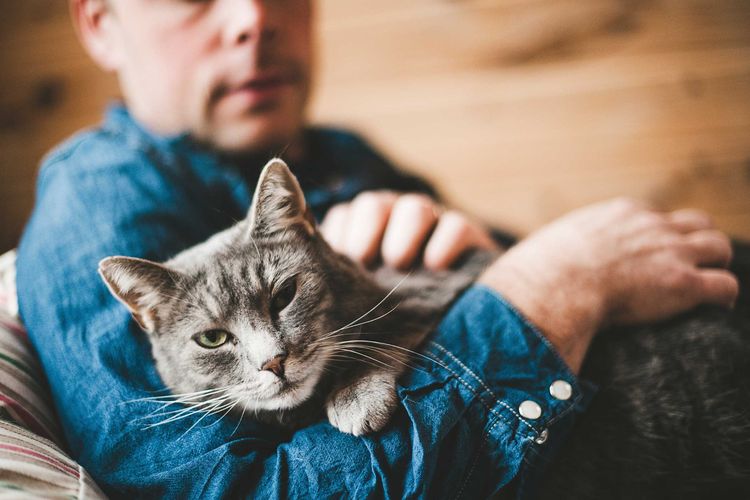
A few more secrets
Making friends with a female and a male is quite easy if you follow a few simple rules:
- Vary their diet and don't skimp on the quality of the food. Dry food and canned meats contain all the necessary nutrients, but cats sometimes crave table scraps. Treating them with a piece of chicken or beef demonstrates generosity and openness.
- Clean the litter box daily (and sometimes twice a day). Cats are fastidious and fastidious, so stale litter and a dirty litter box often cause them to relieve themselves in corners, shoes, and other unexpected places.
- Humiliation, pain, and frequent being picked up by the scruff of the neck or paws by children, with the silent connivance of parents, are common causes of stress, fear, and depression in animals. This often leads to hormonal imbalances and overall health issues.
- Cats need communication every day, so you need to talk to them, play with them, and scratch them so they don’t get lonely.
Pets should associate their owners with safety – once they feel this, the ice of mistrust will melt and understanding will emerge.

Read also:
- Where to leave your cat while on vacation
- What is the name for excessive love of cats?
- Why do cats like to sleep with their owners?


Add a comment