
How to start breeding cats
How do you start breeding cats if you're not a felinologist and have only had cats as pets for your child? With the recent increase in public interest in small cats and dogs, there's a lucrative business to be made in these furry pets. Where do you start and how do you achieve success?
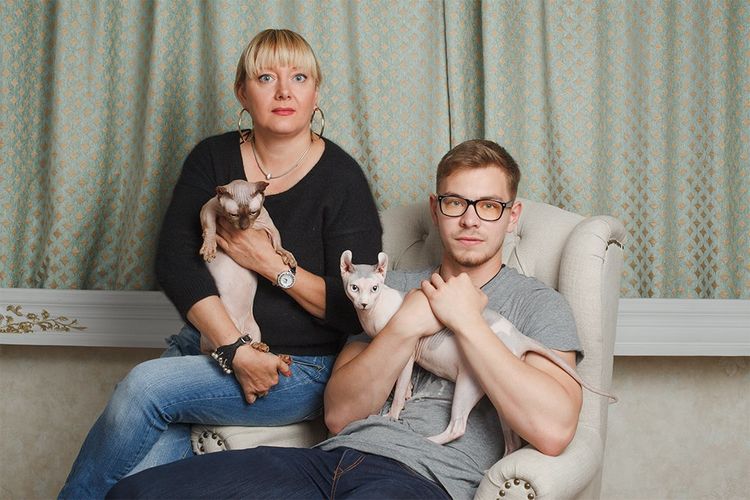
Why did this idea come about?
Answer this question for yourself, and then you will clearly know how to build a successful business plan.
- "I decided to breed cats because it would bring me a lot of money." In fact, this is a major misconception that many new business owners succumb to. This idea often comes to mind after acquiring a kitten. This business plan won't generate income. Unfortunately, it takes a long time for a small, fluffy kitten to become a gold mine. First, you need to invest in it, regularly participate in shows, earning it a reputation, and only then can you try to make money from the offspring.
- "I love my cat, so I will give her the opportunity to give birth to keep her healthy." This was previously thought, but today it's been proven that an animal can be spayed before pregnancy. This helps preserve not only the animal's physical but also mental health, as becoming a mother once awakens a strong maternal instinct.
- “I already have experience breeding four-legged animals, so I can switch from dogs to cats, since they have become more popular lately.” Every animal has its own characteristics and genetics, so it's best not to drastically change your interests. A cat breeder should first become a breeder themselves, understand all the characteristics of each animal, and only then enter the market.
- "I want to breed a new breed." This idea isn't for business, but for the soul. This type of breeding is done by breeders.
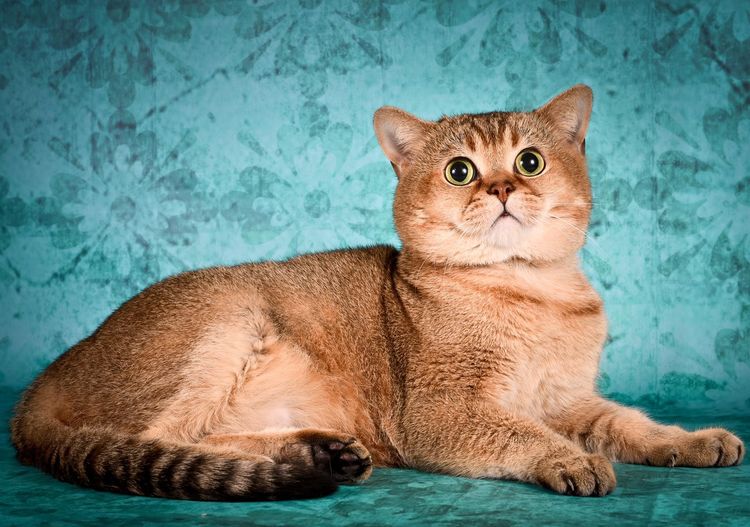
Popular breeds
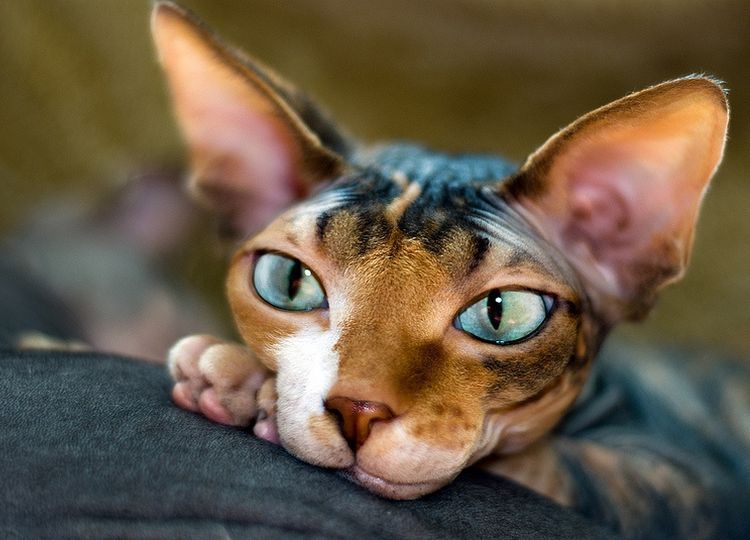
- SphinxesVery kind and affectionate, they are not known for their independence. Sphynxes bond with people like dogs. A kitten in a cattery costs 25,000-30,000 rubles, and some pay as much as 50,000-60,000 rubles for a rare specimen.
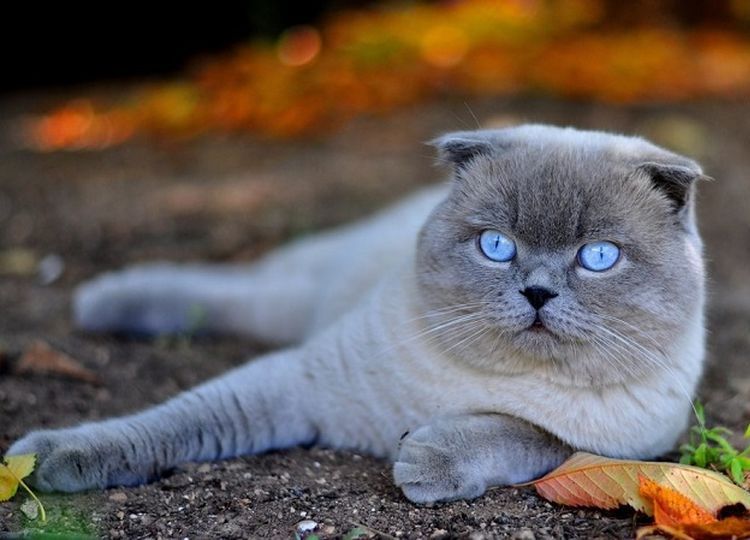
- Scottish FoldA very popular breed, it is beloved for its quiet nature and low maintenance. The average price of a Scottish Fold is 15,000-25,000 rubles, depending on its color and physiology.
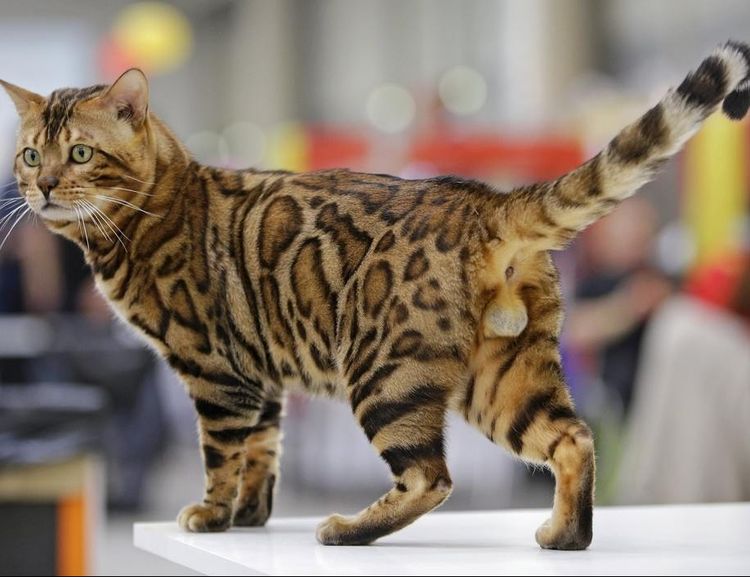
- Bengal breedThey look like a small leopard. By nature, they're affectionate, purring cats, adoring children, and extremely loyal to their owners. Bengals in breeders cost between 15,000 and 25,000 rubles, but if you want to breed them, you'll have to pay several times more for a kitten ($1,000-$4,000).
- Maine CoonA breed with natural roots. This is a fairly large cat with thick fur. In our country, small female cats cost 25,000-30,000 rubles, and males 45,000-50,000 rubles. In Europe, this breed sells for $1,500-2,000.
- Abyssinian breedWith a docile nature, the Abyssinian is also known as a companion cat. She is always by her owner's side, loving them and demanding the same love. Commercial colors include "wild" and "sorrel." The price of such a kitten ranges from 25,000 to 30,000 rubles. Rare colors include blue and fawn.
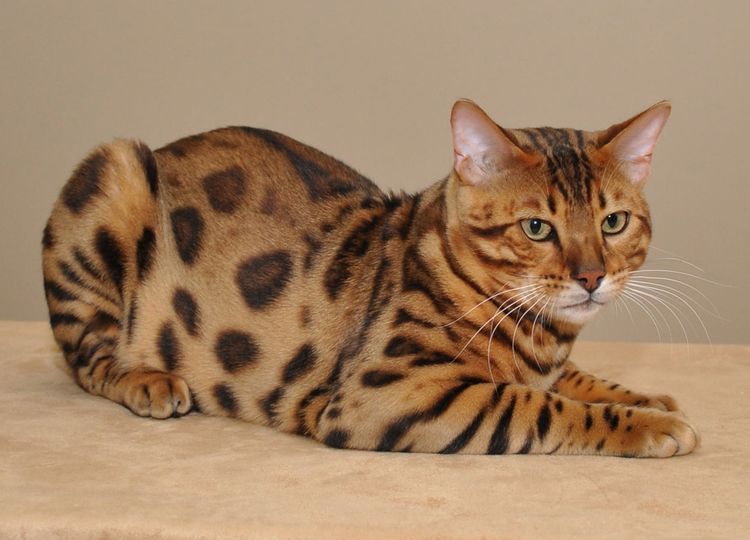
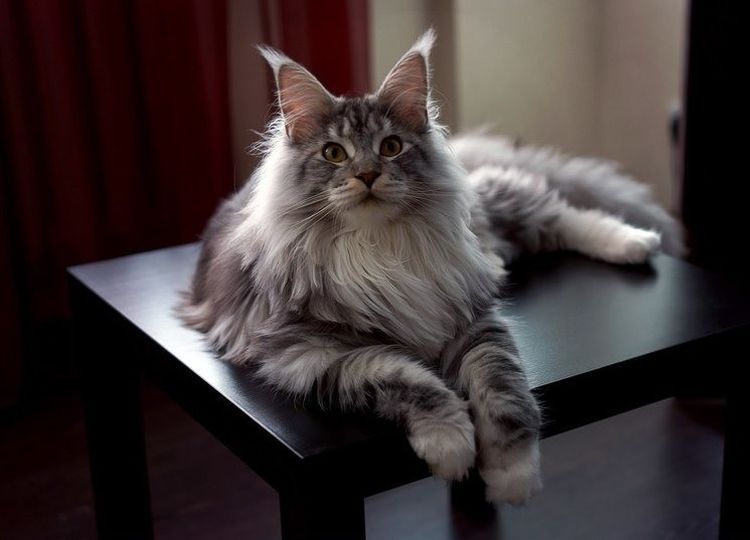
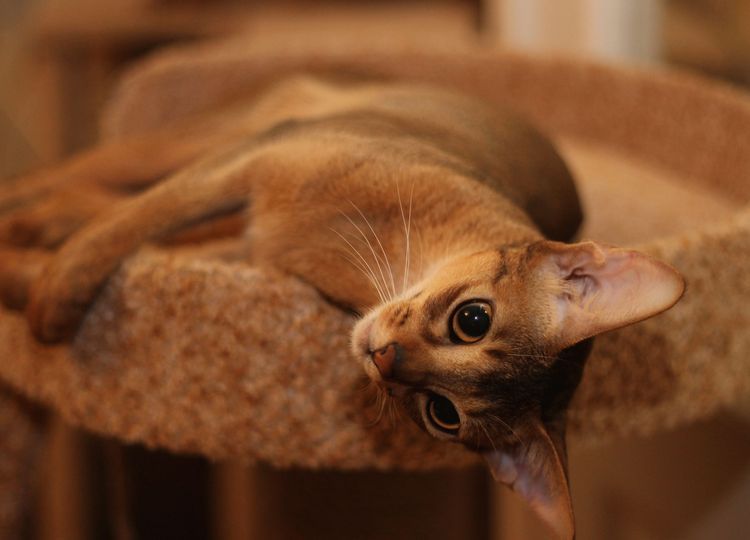
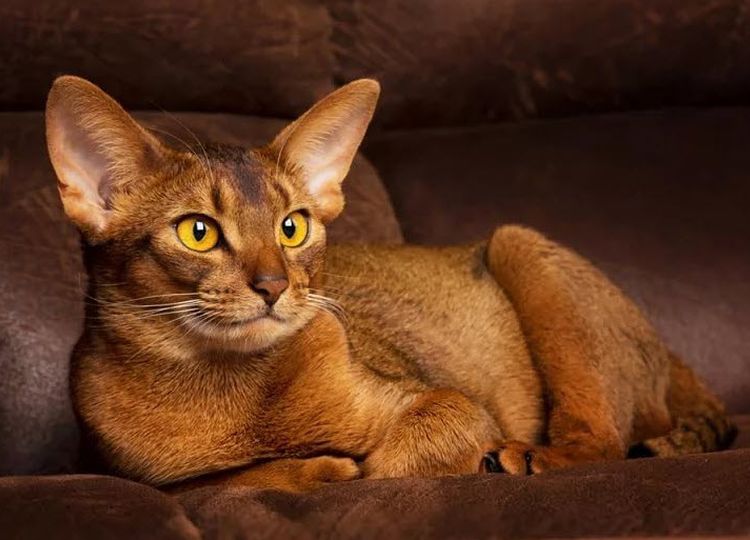
If you're wondering whether breeding cats is profitable, the main goal is to make money. Bengals, Scottish Folds, and Maine Coons are the best choices for beginners. A popular breed today is Russian Blue It is considered non-profit and is done more for the soul.
How to breed cats correctly
The biggest mistake inexperienced breeders make is starting a business while their pet is pregnant. Anyone who truly wants to start a cattery should develop a business plan before purchasing a kitten for breeding.
- When contacting a cattery about purchasing a kitten, make sure the contract clearly states the animal's right to be used for breeding.
- Kittens intended for breeding require thorough testing for genetic diseases. This testing is carried out at the cattery. New owners must ensure their cat undergoes regular veterinary examinations and vaccinations. There will be three vaccination sessions per year.
- Proper nutrition is the key to health. Food should be balanced in terms of minerals and vitamins. For example, a cat deficient in taurine can impact its reproductive function. Commercially prepared foods provide everything a cat needs, but veterinarians advise against using them exclusively. Homemade foods should also be included in the diet. For example, taurine is found in fish and beef heart.
- A pedigree is a plus for future offspring. It is included in the documents when an animal is transferred from a breeder to its owner. It indicates three generations of maternal and paternal lineage.
- Becoming a member of a club or system (WCF, FIFE, AFC, MFA, TICA, etc.) is essential. This will allow you to obtain a mating permit, register titles, and obtain pedigree documents and birth certificates. European clubs unite fanciers, while American clubs coordinate the work of catteries. You can register your own cattery within a club, and its name will subsequently become the surname of kittens born there.
- Participation in shows is a mandatory requirement for obtaining breeding rights. Depending on the club or system in which the animal is registered, the female cat must have at least an "excellent" rating, and the male cat participating in the breeding must be a champion in European standards and have confirmed the breed standard in American standards.
- A cat breeder must be a specialist in their field. It's essential to take felinology courses. This will help you gain an understanding of animal genetics and physiology.
- Mating is a crucial time. It's absolutely forbidden to breed a female cat during her first heat. Veterinarians also recommend skipping the second heat, but the third, which occurs at 12 months, is just right for having her first litter. Male cats are usually bred for the first time at 14 months. For those who don't want to wait, it's advantageous to breed cats with "early maturation," such as Siamese, Peterbald, and Cornish Rexes. It's essential to obtain permission from the breeding club for mating, otherwise the kittens won't be registered. Another important consideration is avoiding consanguinity to avoid genetic diseases in the offspring.
- Kitten birth. Be prepared for the first birth to be difficult. An experienced veterinarian, with whom you should sign a contract in advance, can help avoid problems.
- Kittens can be sold three months after birth. Before then, the owner must register them with the club, obtain a pedigree, and obtain a veterinary passport, having administered at least one vaccination.
- Money won't flow right away. A new cattery (breeder) will have to earn a name for itself. Often, the first litter is sold at a loss.
Read also:
- Catteries of various breeds in St. Petersburg
- Russian Blue catteries
- Oriental cat catteries in Moscow and St. Petersburg


Add a comment