
How does catnip affect cats and what is it used for?
All members of the feline family—cats, tigers, lions, pumas, lynxes, jaguars, cheetahs, and leopards—are partial to the plant known as catnip, or lemon catnip. Catnip acts on cats like a kind of narcotic, and botanists, chemists, and zoologists have investigated the reasons for this phenomenon. They have studied the plant's composition and the properties of its main components, which may affect the animals' nervous systems in one way or another.
Content
Botanical description of the plant
Lemon catnip (Latin name Nepeta cataria) is a plant in the Lamiaceae (Labiatae) family. This family also includes mint, basil, lemon balm, rosemary, sage, thyme, marjoram, and oregano. Catnip is found in almost all European countries, growing in forests, meadows, and wastelands. It is an herb up to 1 m tall, with a straight stem and heart-shaped, pubescent leaves with a pleasant lemon scent. Purple or lilac flowers, gathered in clusters, appear in midsummer.
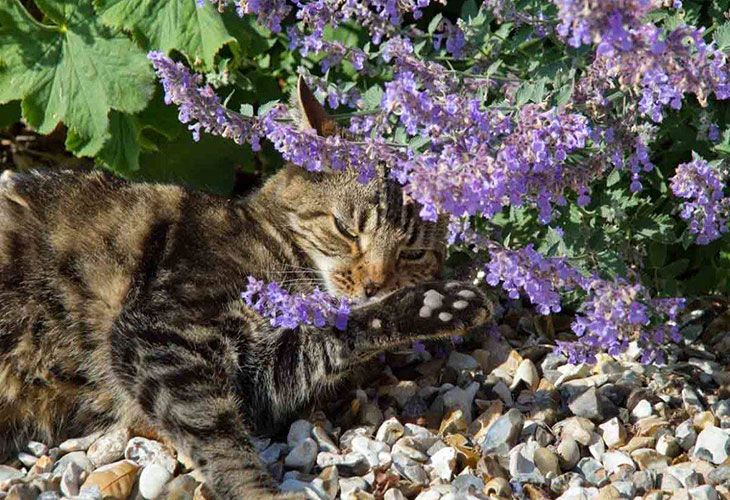
Lemon catnip contains a number of aromatic oils, the most important of which is nepetolactone, a monoterpene found in Nepeta cataria leaves at approximately 3%. This bioactive substance serves as a pest control agent: the scent of nepetolactone repels insects. Catnip is used in cooking (as a spice), perfumery, and folk medicine (for anemia, migraines, depression, inflammatory diseases of the upper respiratory tract, and helminthiasis). In ancient times, catnip was believed to have healing and even magical properties; the plant was used in spells and the preparation of ritual potions and drinks.
The mechanism of action of lemon catnip on the body of cats
The mammalian olfactory analyzer consists of receptor, conduction, and cerebral sections. The first is represented by nerve cells located in the nasal cavity, the second by peripheral nerves that transmit signals from the receptors, and the third—the evaluative section—is located in the frontal lobes of the cerebral cortex.
Volatile oil-like compounds released by the plant's leaves, when inhaled, irritate the nerve endings located in the nasal mucosa. The brain responds to the signal received from the receptors, triggering a corresponding physiological response.
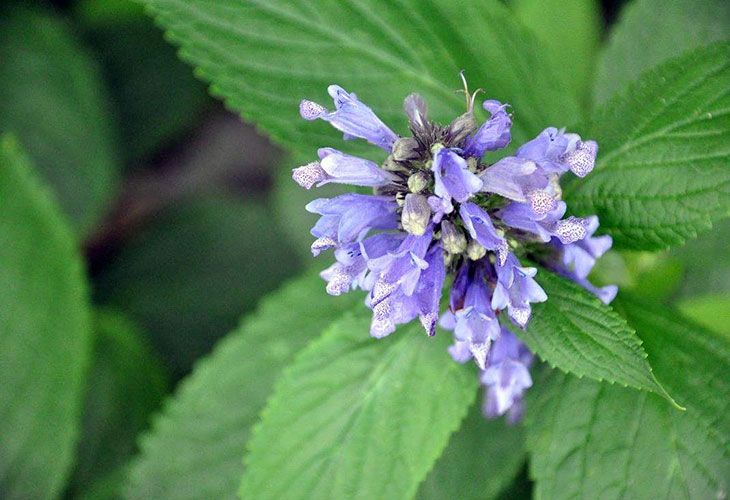
Scientists attribute the monoterpene nepetolactone with the ability to transform an animal's perception of reality. They believe this substance serves as an aphrodisiac for cats: eating or smelling it, they experience a heightened sense of pleasure.
The effect of catnip on cats depends on how the plant is consumed. If an animal sniffs it, the effect is usually stimulating: the cat begins jumping, playing, frolicking, and generally exhibiting hyperactivity. Eating catnip, on the other hand, acts as a mild sedative. The cat becomes euphoric, becomes affectionate, rubs its head against the plant and surrounding objects, and purrs softly.
What does catnip do to cats?
The effect can be divided into two phases:
-
Excitement and playful state (5–15 min)
Cats become more active: they run, jump, roll around, and actively interact with the object. Increased salivation is sometimes observed. -
Calming and relaxing
After the active phase, cats may become sedentary, thoughtful, or sleepy—especially when using mint internally.
The effect is persistent, without addiction, and lasts for 1–2 hours before a repeated reaction.
Interesting facts
Nepetolactone is a very short-acting stimulant. After 10-15 minutes of inhalation, the animal's body adapts and stops responding to it. This is not a loss of smell; the cat can detect other odors. This phenomenon is called tolerance to a specific irritant. Sensitivity is restored within about half an hour.
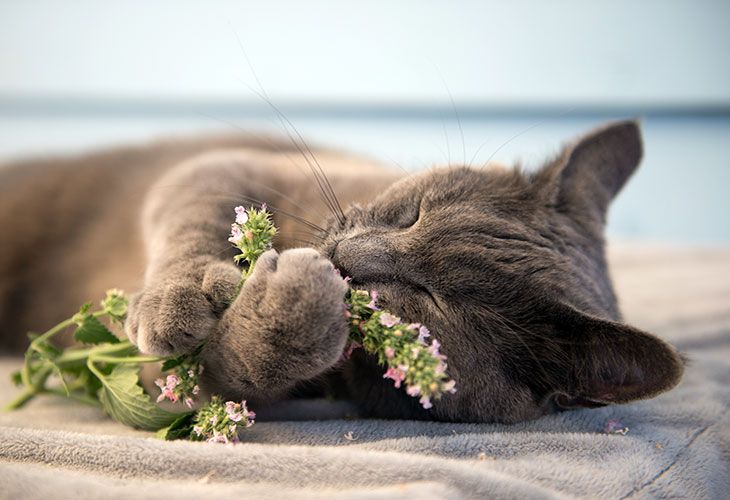
The scent of Nepeta cataria is attractive only to adult, sexually mature animals. Kittens are at best indifferent to it, and the plant's minty-lemon aroma often causes them to feel repulsed.
Why do cats need catnip?
Some owners are wary of giving their cats lemon catnip, even though the essential oils are not considered psychotropic and do not cause addiction. However, most cat lovers happily use this plant, introducing it into their pet's diet occasionally and sparingly (a couple of leaves a week) or allowing them to smell it for up to half an hour a week.
Veterinarians claim that catnip is harmless to cats. It has no adverse effects on the nervous or digestive systems, and even if a cat accidentally consumes a large amount of lemon catnip, it may only cause short-term diarrhea.
What are catnip good for for cats? It can be used to:
- make an overly aggressive cat friendly and docile;
- help your cat relax before a visit to the vet or a long trip;
- calm the animal, relieve stress caused by an unpleasant situation;
- quickly train your pet to use a scratching post.
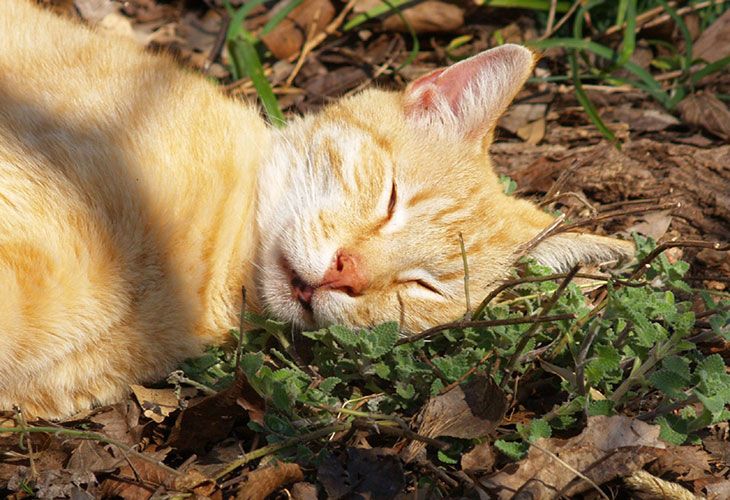
Lemon catnip is available at regular pharmacies and veterinary stores. You can also gather it from the forest or grow it at home. If grown in a pot at home, your cat can eat it fresh as needed. When storing, the leaves are plucked from the plant branches, crushed, and dried. Specialty pet stores offer lemon catnip-scented toys, sprays, drops, catnip-based food supplements, and vitamins.
Benefits and potential risks
Cat mint is used for a variety of purposes:
-
spontaneous motivation to use a scratching post, a house, or a treat;
-
reassurance when moving, visiting a veterinarian, cleaning;
-
increasing activity and relieving boredom in older cats;
-
stimulation of appetite after illness;
…and also as a natural repellent, stimulating physical activity during play.
Risks arise from abuse or individual sensitivity: hyperexcitability, digestive upset when ingested, and, in some people, aggression during the mating season.
Release forms and effective dosage
| Form | Application |
|---|---|
| Dried mint (leaf/sachet) | Sprinkling trays, beds, toys |
| Spray/extract | Treatment of scratching post and house - active reactions immediately |
| Toys, lollipops | Long-term interest |
| Chewing sticks | They help with hygiene and eliminate odor. |
| A plant in a pot | Natural Therapy and Interior Decoration |
Dosage: small portions, repeat every 2-3 hours, maximum 2-3 times a week.
Practical recommendations for owners
-
Use mint to train your cat to use scratching posts, houses, and litter boxes.
-
During periods of moving or stress - as a "calming assistant".
-
In aging - as an activity stimulant.
-
For healthy teeth - chewing sticks with mint.
-
To repel insects, grow on a windowsill.
Let's sum it up
-
How catnip works on cats: through the aroma of nepetalactone, stimulating the pleasure centers.
-
What it does to cats: Causes brief euphoria, activity, or relaxation.
-
Cat mint is needed to improve quality of life, learning scenarios, and adaptation.
-
The forms of release and dosage allow it to be used safely and effectively.
Adding this expert information will help you rank high in search results by providing owners with helpful, well-founded answers and practical application experience.
Read also:


Add a comment