
How to measure a dog for clothing
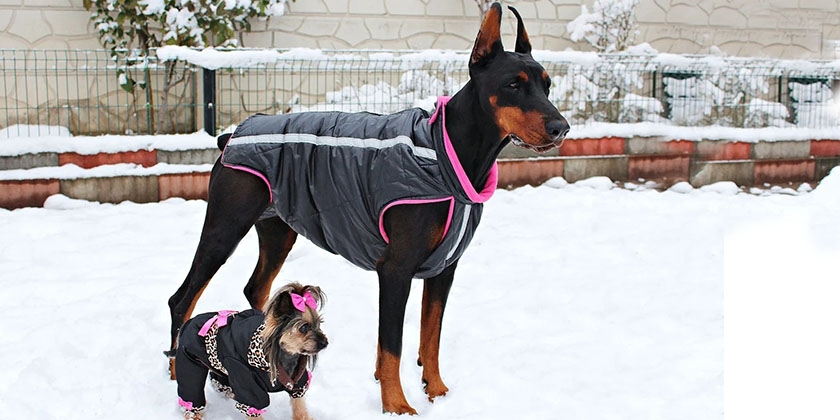
Not all dog breeds thrive in all weather conditions. Therefore, overalls, suits, and boots for your pet aren't a passing fad, but a practical and often essential piece of equipment. They protect your pet from frost, snow, dampness, mud, and the de-icing agents used on roads and sidewalks in winter. To ensure that clothing and shoes are comfortable, not tight, don't restrict movement, and don't hang loosely on your pet, it's important to know how to measure your dog correctly before purchasing to ensure you choose the right size.
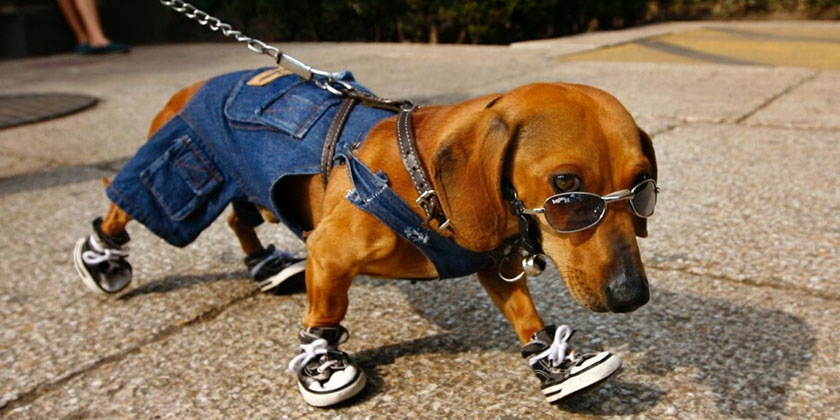
Breeds that require clothing include:
- almost all decorative breeds (great greyhounds, chihuahuas, spitz, Yorkshire terriers);
- short-legged (Pekingese, dachshunds, corgi, English bulldogs) - their bellies almost reach the ground;
- "Hairless" breeds - Ecuadorian, Manchurian, African and Egyptian hairless, greyhound, Chinese crested.
Pregnant and lactating dogs, sick and old dogs, regardless of breed, should be dressed in cold weather.
Content
Measurements for clothing
The dog should stand still while being measured, so before beginning the procedure, pet it, praise it, and give it a treat. Then, place it on a flat surface so that its front paws are level, its back is straight, and its head is slightly raised. Measurements should be taken with a soft measuring tape; it should fit snugly against the body but not dig in.
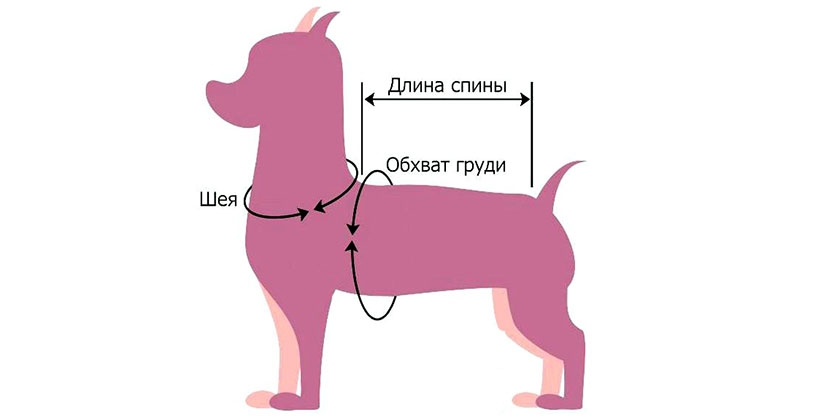
For clothing you will need 3 measurements of your dog:
- Back length. This is the distance from the withers (the area between the shoulder blades, where the collar typically sits) to the base of the tail. The back length is measured by placing a tape measure at the center of the spine. Since this is one of the most important measurements, it is recommended to repeat it 2-3 times to avoid errors.
- Chest circumference. To measure your dog's chest, wrap a measuring tape around the widest part of the body—the part behind the dog's front legs.
- Neck circumference. Measured at the collar location, behind the ears.
Shoe measurements
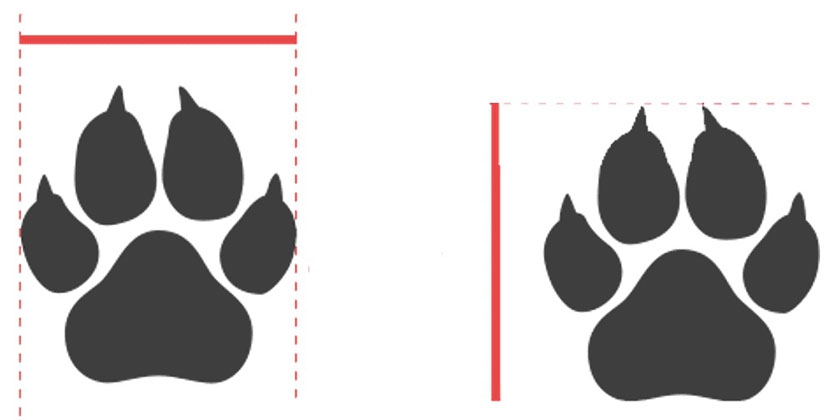
To measure a dog's paw for shoes, place it on a piece of paper and trace the outline with a pen or pencil, including the claws, as they will also be inside the shoe. If your dog is a large breed or is elderly, their paws will flatten more when walking than those of younger or smaller animals, so it's recommended to add 0.5 cm to the resulting measurements.
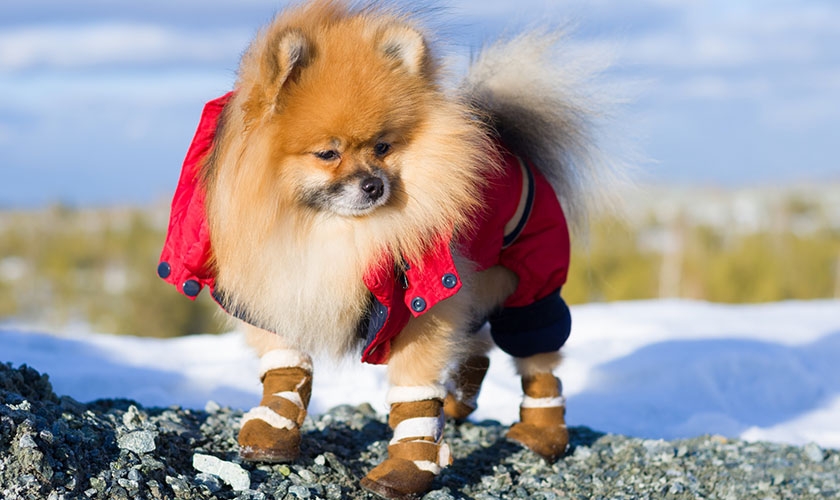
If your pet lives in an apartment and only goes outside for walks, you can buy several pairs of shoes for them—one for each season. For winter, choose insulated boots or ankle boots with ribbed soles, and for rainy weather, choose waterproof leather or water-repellent suede shoes with rubber soles. Many small dogs also wear shoes in the summer, such as lightweight open-toed boots, sandals, sandals, or knitted booties with thick soles.
How to measure a dog's face for a muzzle
This type of equipment is mandatory when a dog leaves the house today. A muzzle should ensure the safety of others, but should not interfere with the animal's breathing or mouth opening. To select the appropriate muzzle, several anthropometric measurements will be required.
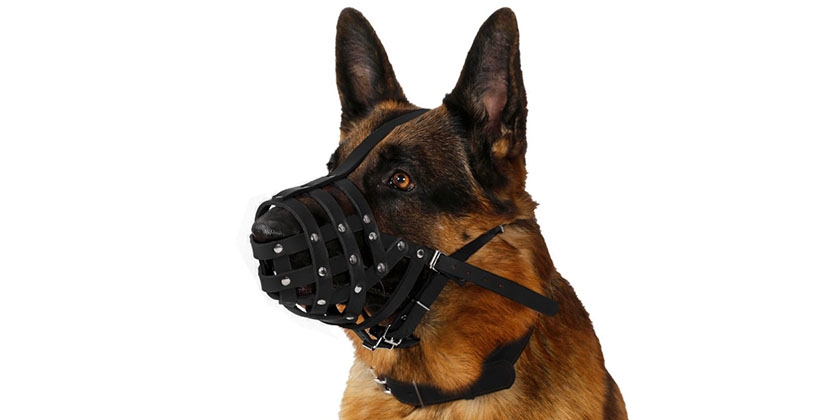
Measure:
- Muzzle length. This is the distance from the tip of the nose to the line of the eyes, that is, to the point where the muzzle meets the forehead.
- Muzzle width. Place the tape measure horizontally across the muzzle, slightly away from the eyes and toward the nose.
- Muzzle height. Place the tape measure vertically, placing the upper end 0.5 cm from the eyes and the lower end under the jaw. The measurement is taken with the mouth closed.
- Muzzle girth. Measure the circumference of the muzzle at its widest point, with the mouth closed.
- Neck circumference. The tape measure is placed around the dog's neck behind the ears.
- The length to the back of the head. This is the distance from the bridge of the nose to the point where the skull meets the neck.
If your dog is trained and used to being calm in any environment, you can buy a plastic or nylon muzzle. Aggressive breeds will require a more durable model made of leather or metal.
Size charts
Dog clothing and footwear are selected using special tables—size charts. You can find the size of a jumpsuit or boot by finding the numerical code in the table that corresponds to your dog's measurements.
Cloth
|
Size |
Back length (cm) |
Chest circumference (cm) |
Neck circumference (cm) |
|
XS |
up to 18 |
28-33 |
18-21 |
|
S |
19-24 |
35-40 |
22-26 |
|
M |
25-30 |
41-44 |
27-30 |
|
L |
31-32 |
46-50 |
31-34 |
|
XL |
33-35 |
52-56 |
35-38 |
|
2XL |
36-40 |
57-60 |
39-43 |
|
3XL |
41-45 |
61-64 |
44-47 |
|
4XL |
46-48 |
65-70 |
48-52 |
|
5XL |
49-52 |
71-76 |
53-57 |
|
6XL |
53-56 |
77-82 |
58-62 |
|
7XL |
57-60 |
83-88 |
63-66 |
|
8XL |
61-66 |
89-92 |
67-70 |
|
9XL |
67-70 |
93-100 |
71-75 |
|
10XL |
71-74 |
100-108 |
76-80 |
When choosing a jumpsuit for your dog, consider its gender: for a girl, you can choose a fully enclosed suit, while for a boy, the belly should be exposed so that the dog won't be hindered during walks. When choosing a jumpsuit, it's best to choose one that's easy to put on and take off: a jumpsuit with buttons or Velcro fastenings is better than one that needs to be pulled over the head.
Shoes
|
Size |
Length of foot (cm) |
Width of foot (cm) |
|
0 |
3 |
2.5 |
|
1 |
3.5 |
2.8 |
|
2 |
4 |
3 |
|
3 |
4.5 |
3.5 |
|
4 |
5 |
4 |
|
5 |
5.5 |
4.5 |
|
6 |
6 |
5 |
|
7 |
6.5 |
6 |
|
8 |
7 |
6.5 |
|
9 |
7.5 |
7 |
If the measurements taken for your dog's paw fall between sizes, it's recommended to choose the larger of the two. For stocky dogs with a broad chest, it's best to go one size larger, while for leaner dogs, go one size smaller.
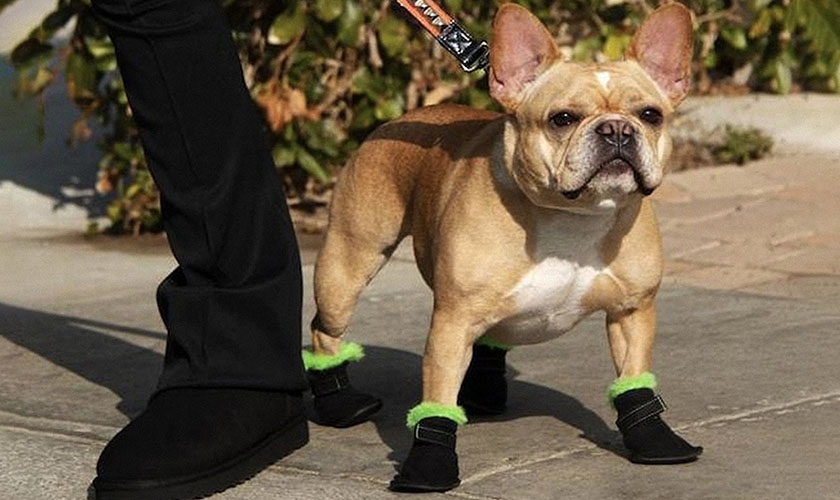
Shoes of sizes zero, one and two are usually purchased for small breeds: toy terriers, chihuahuas, mini Yorkies, Pomeranians, Maltese. Sizes 3 and 4 are suitable for the "medium weight category": dachshunds, pugs, large Yorkies, fox terriers, spaniels, Shih Tzus, and Chinese Cresteds. Larger sizes are needed for large breeds with thin, sensitive skin: Italian Greyhounds, greyhounds, and Ridgebacks.
The sizes listed in the tables may vary between different manufacturers, so when purchasing clothing or shoes for your pet, it is recommended to have measurements with you.
Read also:


Add a comment