
How to get rid of the smell of dog urine in an apartment
You love your pet madly, but you're worried that an unpleasant odor might develop in your apartment as they grow. We'll tell you how to prevent this unpleasantness, as well as how to get rid of the smell of dog urine in your apartment if it does appear, using safe home remedies and special chemical compounds.
Content
Dog Urine (Why It Stinks and What the Smell Means)
The urinary system develops in dogs during fetal development. The main functions of the urinary system are:
- maintaining the balance of biological fluids in the body;
- removal of metabolic products from the blood;
- removal of waste products from the body.
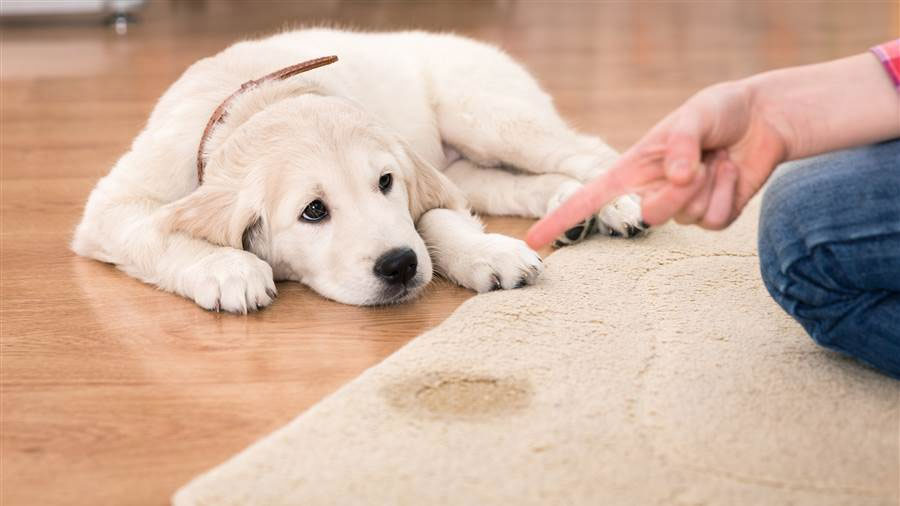
Accordingly, urine odor can vary at different stages of a dog's life. This is influenced by:
- pet nutrition;
- hormonal changes;
- frequency of urination;
- animal's health condition.
Puppyhood
Many owners note that the urine odor of young puppies is not as intense as that of an adult dog. In other words, puppy poop begins to smell during puberty, when hormonal changes begin in the animal's body. Therefore, new owners always have up to 4-6 months to acclimate their dog to regular outdoor walks and minimize accidents in the apartment that can cause a persistent unpleasant odor.
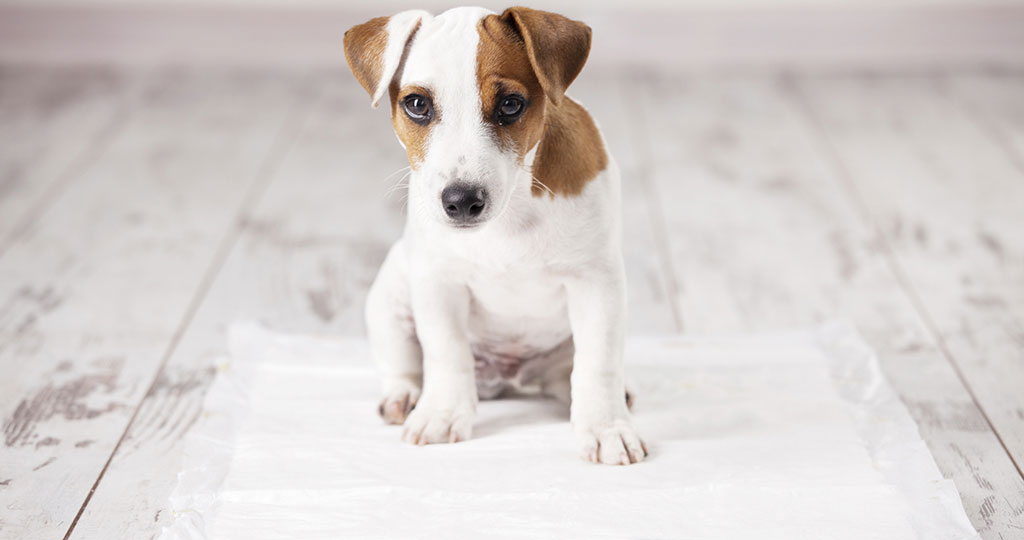
To avoid future questions about how to get rid of the smell of dog urine, we recommend the following from the puppy's first days in the house:
- use special absorbent diapers that neutralize odor and change them promptly;
- temporarily remove carpet from areas where the dog is kept;
- place the puppy's place in a room with linoleum on the floor (it's easier to clean and won't leave a smell);
- place the puppy pad on linoleum or tiles, but never on laminate, parquet or wooden floors (the smell of urine absorbed into the wood will be extremely difficult to remove);
- Don't take a small puppy into bed at night, as he won't ask to go to the toilet at night and won't be able to jump off the couch on his own (removing the smell from the mattress is also quite difficult).
Puberty
During puberty in male dogs, owners may face a new problem: marking in the apartment. This problem is most often encountered by owners of small dogs, who were initially trained to do their business in the house on a pad. Under the influence of hormones, dogs develop an instinctive need to mark, which is a manifestation of male sexual behavior and is in no way related to the physiological emptying of the bladder. A puppy may periodically come to the pad, as trained, but still leave "scent marks" on table legs or the sofa. Marking has a very pungent odor, which is much more difficult to remove than the smell of a puppy pee.
This is why dog owners who will not be involved in breeding are advised to neuter their pets before the habit of marking territory develops.
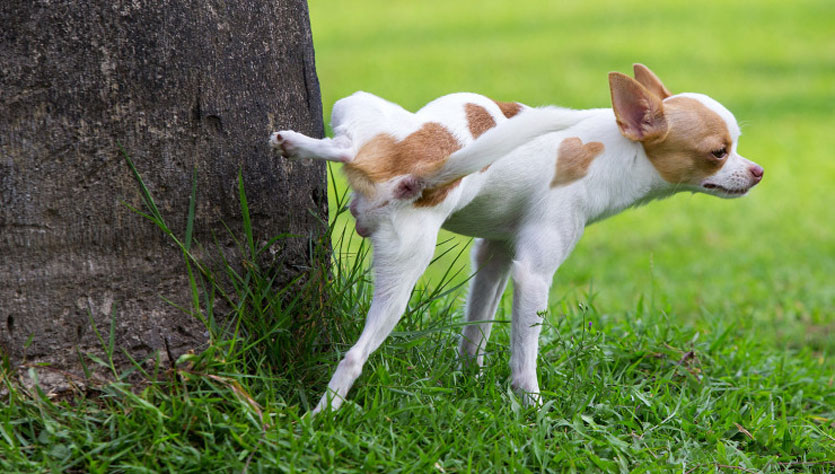
Female dogs during puberty, as well as adult dogs in heat, can also mark the house. Most often, driven by instinct, these women try to leave scent marks on the carpet or sofa, which confuses many owners, as before the problem arose, their pets regularly used a pad.
Please note! Dogs who are initially housebroken are significantly less likely to mark indoors. Therefore, if you choose to live indoors, be prepared for the downside.
Changes in urine odor in adult and senior dogs
If an adult dog develops urinary incontinence or notices a sudden change in odor, this is a good reason to consult a veterinarian.
The causes of such problems may be:
- age-related changes;
- changes in the animal's diet;
- diseases of the urinary system;
- benign or malignant neoplasms.

How to get rid of the smell of dog urine in an apartment
The main advice is to avoid puddles on wooden flooring (parquet, laminate), carpet or sofa.
If your dog accidentally pees in an inappropriate place, don't rush to clean the stain. First, soak up all the urine with toilet paper or absorbent paper towels. Avoid using a wet cloth to blot the puddle, as this will only add water, further permeating the odor into the fabric or wood.
If the problem has been a recurring issue, you can remove the smell of dog urine at home using folk remedies. Simple recommendations from experienced breeders can help.
Tile or linoleum
Tiles and linoleum can be cleaned quickly and efficiently using any regular cleaning product.
The main criteria for choosing a product for regular floor treatment are hypoallergenicity and safety for the puppy.
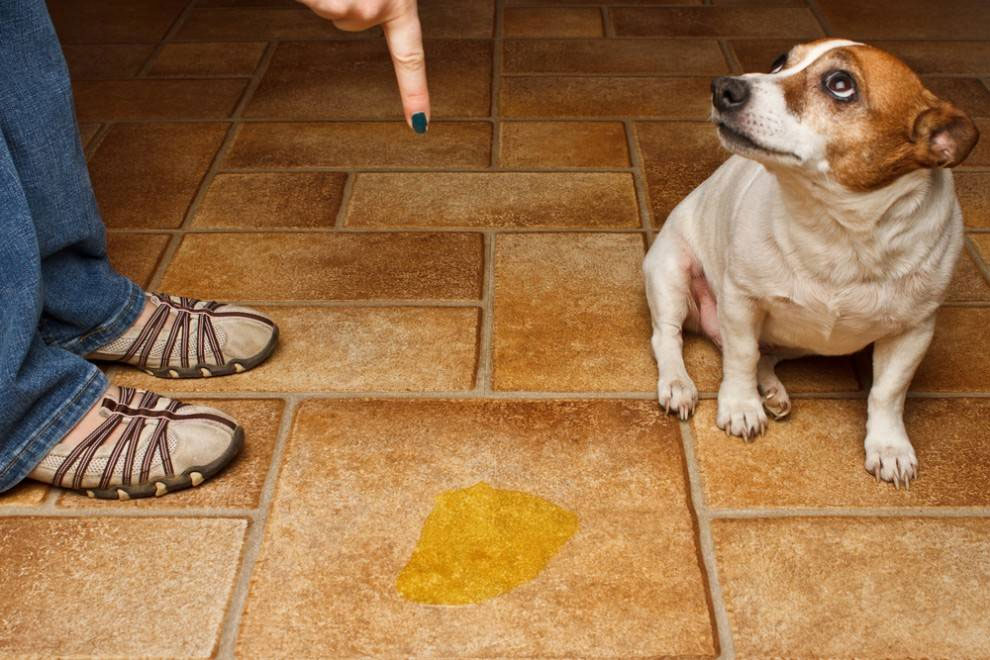
Avoid frequently washing floors in your home with bleach, as its vapors can negatively impact the health of your pet and the people living in the house, and direct contact can damage your dog's paw pads.
Tiles and linoleum can be further treated with a solution made from baking soda, hydrogen peroxide, and any cleaning agent. Apply the mixture to the stained area and rinse with clean water after 20-30 minutes.
Wooden floors
If urine has soaked into wood, laminate, or parquet flooring, removing the odor in one go is impossible. For more effective removal of the unwanted odor, you can use folk remedies:
- a solution of vinegar and water in a 1:1 ratio;
- a solution of citric acid and water in a 1:1 ratio;
- alcohol solution (water and alcohol in a 1:1 ratio);
- soda paste (can remove even stubborn odors) to clean a section of the floor, dilute the soda in a teaspoon of water to form a paste and rub it into the wood, then rinse with water;
- potassium permanganate solution (can only be used on dark surfaces, as it can stain them brown).
Carpets and upholstered furniture
No advertised dog urine odor remover will save a sofa regularly urinated on by a Husky, French Bulldog, or other medium- or large-sized dog. However, if a small dog has once urinated on the bed, you can try cleaning the affected area of the upholstery.
Important! It's important to try, as there's no guarantee that any tips for removing dog urine smell from a sofa or bed will work. If the urine has seeped into the lower layers of the upholstery, removing the smell may not be possible.
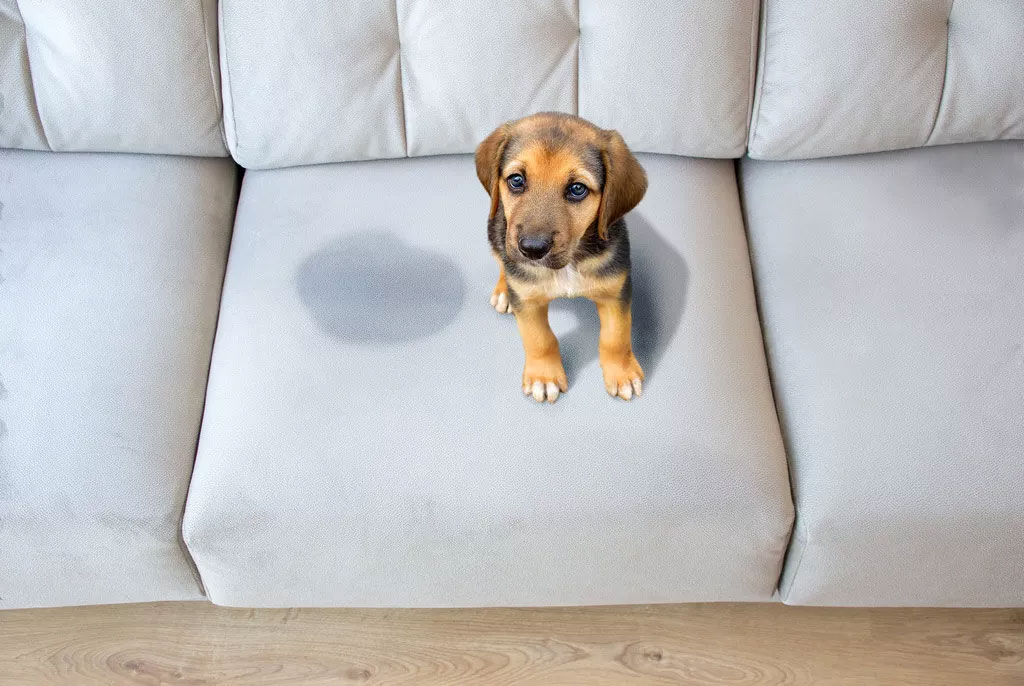
If you have pets in your home, consider this factor when choosing furniture, opting for waterproof fabrics that will easily remove any dirt or traces of hair.
The stained area can be:
- treat with soda, vinegar or alcohol according to the recipe given above;
- wash with laundry soap;
- treat with chlorine-free stain removers (for example, Vanish);
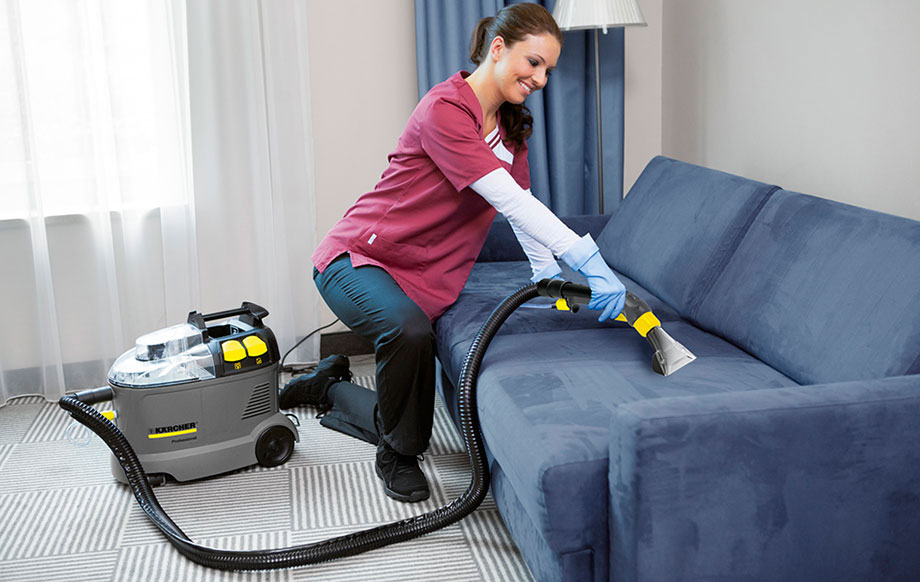
- treat with active dry cleaning agents for furniture or car interiors.
Important! Before applying any product to a large area, always test it on an inconspicuous area of carpet or upholstery. Do not use products containing chlorine or other harsh bleaches or acids on carpets or upholstery.
Please note that several cleanings may be required to achieve the desired effect, with the fabric being allowed to dry completely between cleanings.
If expensive and valuable furniture has been damaged, it's best to entrust the job to experienced cleaning agencies who know how to deal with even the most stubborn stains without damaging the upholstery.
Does odor neutralizer help?
An alternative to the folk remedies described above is a ready-made remedy, which can be purchased at a pet store or ordered from Yandex Market:
- in the form of a concentrate that must be diluted with water in a ratio of 1:10;
- in the form of a spray that can be applied directly to the surface.
The price varies from 250 to 1300 rubles depending on the bottle size, composition, aromatic composition and range of application.
Reviews from cat and dog owners who have had to deal with unpleasant odors using odor neutralizers note that the product works well when applied to smooth, non-absorbent surfaces (in fact, regular cleaning with all-purpose cleaners will produce a similar effect). On carpets and upholstered furniture, the effect isn't always as expected, and some cheap cleaners can even damage colored fabrics.
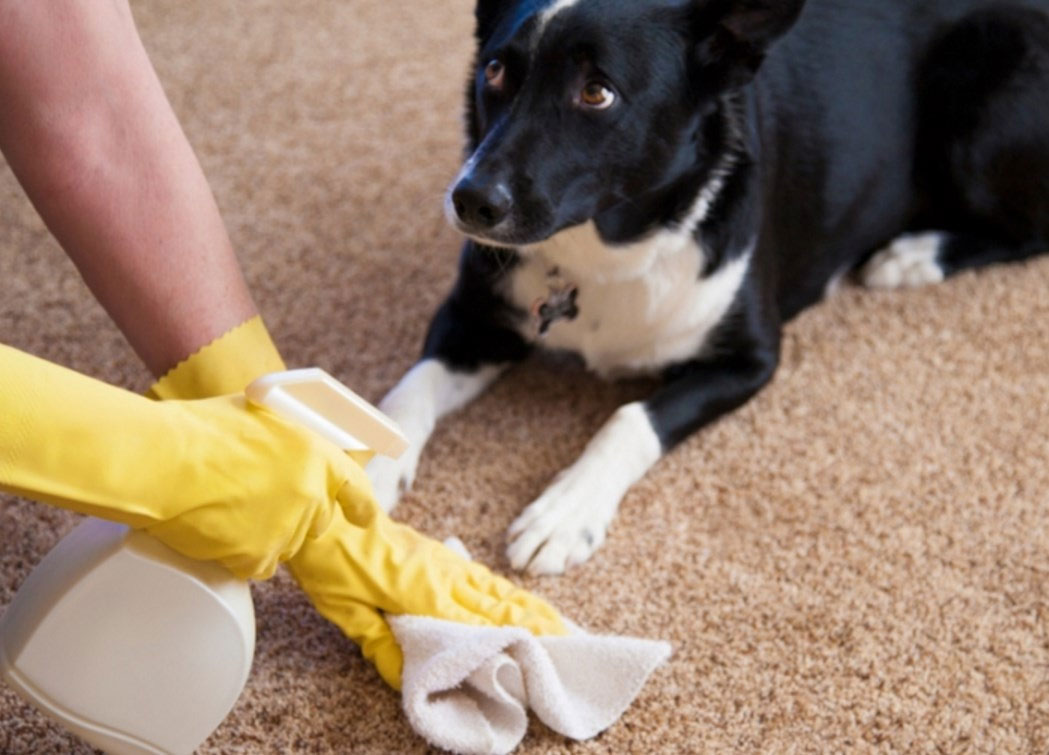
Another downside is that if you need to remove stains from your apartment regularly, purchasing such products can be quite expensive.
Breeders' Advice
Read also:


Add a comment