
How to train a husky at home
The Husky is a sled dog breed developed in Siberia. These characteristics distinguish it fundamentally from all European breeds, as the harsh living conditions have imbued these animals with unique qualities. Before training a Husky at home, it's important to understand its inherent genetic traits so you can skillfully manipulate them and tailor the training process to your pet's needs.
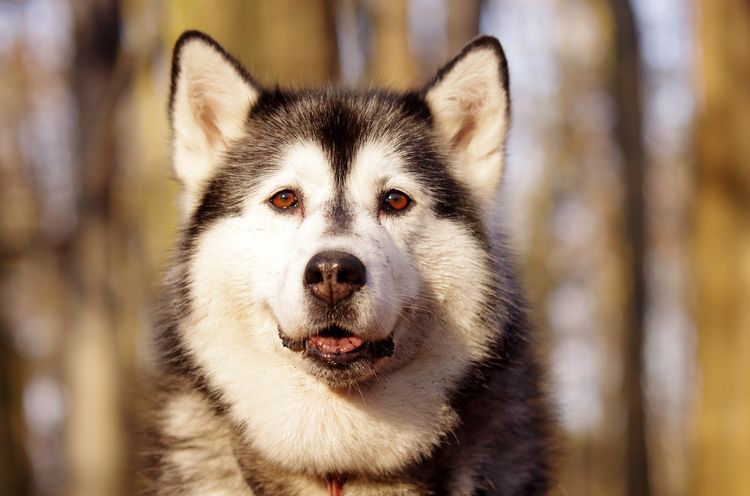
Character and temperament
The Siberian Husky breed evolved over centuries in a world where private property was nonexistent, and conquering vast expanses was accomplished only in sled packs, often used by different people. All dogs in a sled were required to work in unison, and slackers were punished by the pack itself.
For these reasons, representatives of this breed have developed the following habits:
- lack of interest in protection and lack of understanding of when, at whom and why to bark;
- the desire to dominate and impose one’s own rules, often with the manifestation of aggression;
- desire to work with full dedication, appreciating the “contribution” of others;
- tendency to imitate;
- a highly developed hunting instinct, hence the lack of skills in communicating with other domestic animals, which are perceived as prey;
- weak attachment to the owner, predisposition to vagrancy.
The husky's unique personality traits require the right approach not only in training but also in everyday life. This breed is absolutely not suitable for novice dog owners, as training a husky as a pet would be very difficult for someone unfamiliar with the subject.
Where to start
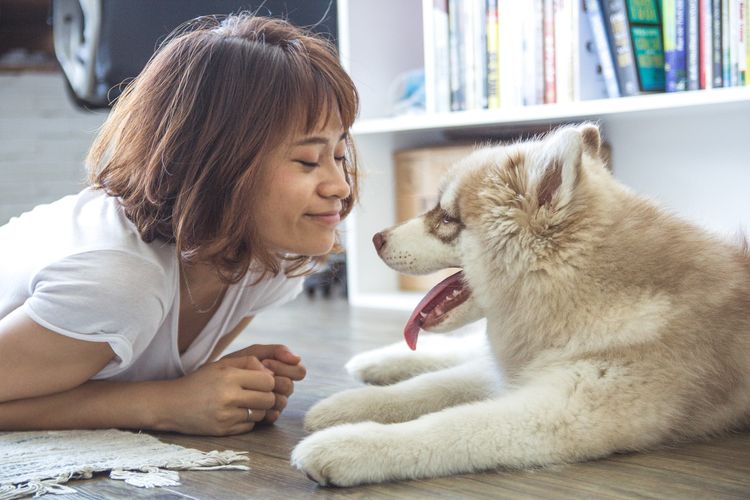
It's recommended to begin training a husky at 2–2.5 months of age. When acquiring a dog, training should begin from the very first moment it arrives in the home; otherwise, the pet's stubborn nature will cause many problems for everyone—family members and pets alike.
First of all, it is necessary to establish clear rules of content:
- place to sleep;
- feeding mode;
- acceptable and unacceptable behavior.
These rules can be changed, but only at the owner’s initiative, and not at the pet’s whim.
At the same time, you need to develop the following habits and skills in your husky:
- To respond to a name. The dog is called by name in any situation that pleases it (before feeding, during play, or when being petted).
- To understand the "leader of the pack," this should be the family member with the strongest character, who will absolutely suppress any undesirable behavior, not allowing the slightest leniency.
- For potty training, the puppy is taken to the litter box immediately after waking, after each feeding, or as soon as it begins to "settle" to relieve itself. Praise and reward it for its accomplishments, especially outside. Then, clean the litter box and take it for walks strictly according to schedule.
- To get the puppy used to the collar, start by putting it on for short periods of time, and if they try to take it off, distract them with a game or a treat. It's best to do this just before a walk so the puppy knows it's time to go.
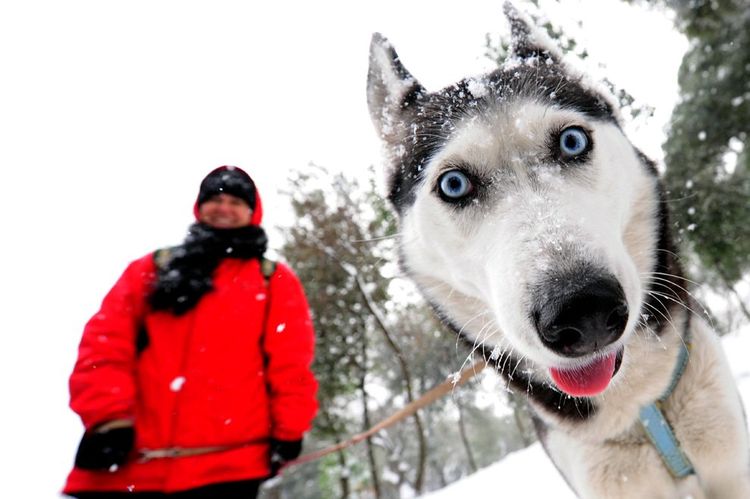
- For weaning off bitingImmediately stop play if the husky starts to bite even slightly, and sternly force it to sit. If it bites outside of play, cover its mouth with your hand or press its head to the floor. To prevent chewing on shoes or other objects, give the dog its own toys, not allowing it to touch even old "human" things.
- To eliminate aggression during veterinary examinations, they offer treats and praise for good behavior.
If the husky does not give in training and educationIf your dog ignores commands and continues to bite, it's best to schedule several training sessions with a dog trainer. A qualified professional will not only ensure the correct approach to such a dog but also teach the owner how to properly handle such a stubborn pet.
Command training
Proper husky training at home should be done regularly, preferably through play, to keep your pet from getting bored. During training, remain calm and speak to your "student" in a quiet, even voice. This breed responds best to requests and dislikes shrill intonations and commanding tones.
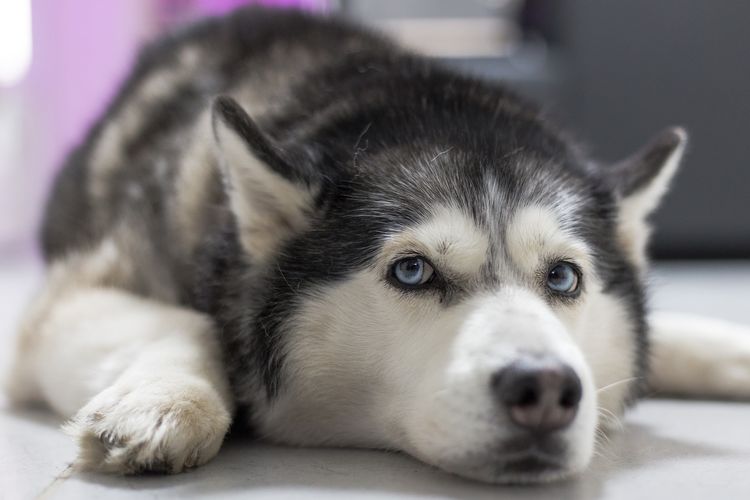
Command training should be carried out according to the following rules:
- "Come!" – from a short distance away, say the command evenly, presenting a treat. Praise begins as soon as the dog moves, and as soon as it approaches, give the treat immediately. This same command is used for each feeding.
- "Place!" – these are the words we say from the very first days, as we take the puppy to its designated spot. To encourage it to return to its bed on its own, leave a treat there. If it categorically refuses to return to its bed, check it for any problems (huskies don't like drafts or other inconveniences).
- "Ugh!" – any unwanted actions are sharply stopped with such words, along with appropriate actions – taking away the forbidden item, pushing away from the dangerous place. If such actions are repeated, the child is pinned to the floor.
- "Sit!" – show the treat, holding it high enough for the pet to sit down to look at it. If it doesn't, apply gentle pressure to its rump.
- «Near!" – keep the dog close to you with a leash, either standing still or moving. Attempts to move away are stopped by a yank on the leash.
- "Voice!" is the word people use when a pet barks on its own, or when teasing it to respond. Huskies often howl on this command, but that's still a voice.
For obedience in carrying out commands, the animal must be rewarded with a treat or praise.
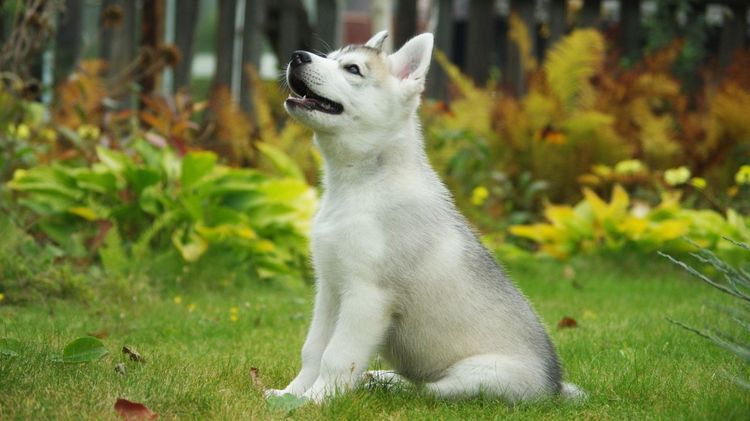
Important! Husky training must always be carried out according to the established rules. Likewise, commands aimed at getting the dog to perform specific actions must not be changed.
Rewards and Punishments
Proper husky training at home always relies on a system of rewards and punishments. Initially, treats should be the predominant reward, but as training progresses, praise should be increasingly substituted.
Hitting a husky as a punishment is strictly prohibited, as this will cause them to retaliate. If the pet misbehaves or disobeys, pin it to the floor and hold it until it stops struggling. You can also lift it by the fur above its neck and hold it briefly. It's crucial that the punishment follows the misbehavior immediately, otherwise the animal won't form the necessary connection between the two events.
Read also:
- How to teach a dog the "Give me a paw" command
- How to teach a dog the "Die" command
- How to teach a dog the "Lie Down" command

.jpg)


Add a comment