
How to train cats at home
Most cat owners believe that teaching their cats tricks is impossible due to their overly independent nature. However, factors such as owner impatience, poor understanding of their pet's personality, and wasted time are often the cause of unsuccessful house training. We offer practical tips on how to successfully train cats, when to start, and at what age.
Content
Who is easier to train?
The independent nature of these whiskered predators is linked to innate behavioral factors. Unlike dogs, they don't form packs in the wild and don't recognize the authority of a leader, preferring to exist alone. Therefore, training should begin when the animal is old enough to understand its owner's demands, but its nature is still flexible.
The ideal age is 7-8 months. However, it's best to begin simple training as early as 2-3 months. Social skills and obedience training can be developed by 1.5 years.
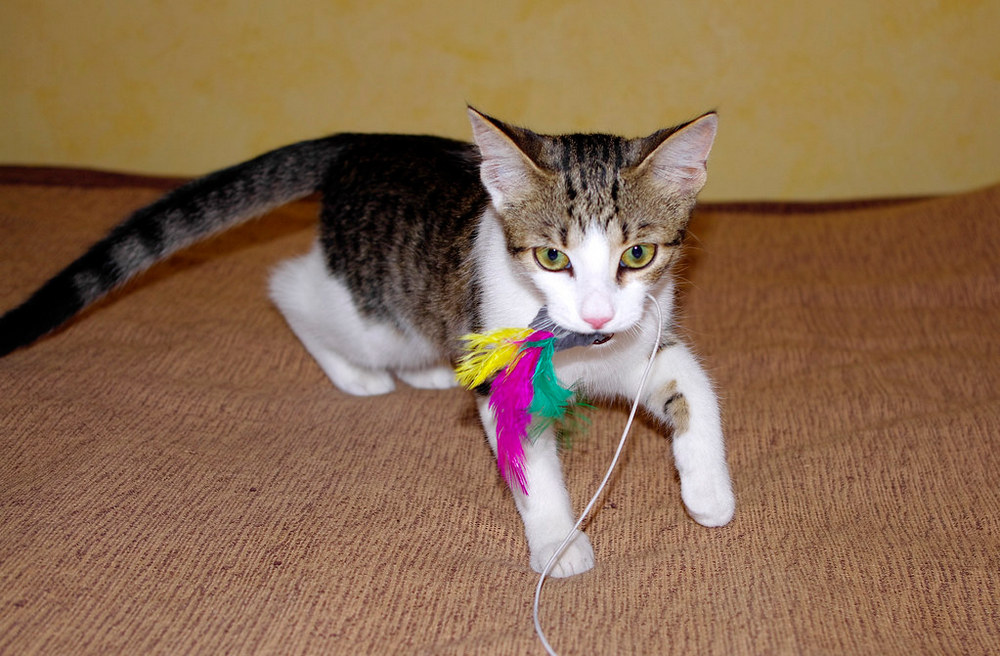
It's believed that training a small cat is easier because they're more approachable and patient than a male. A male cat can also be taught a few tricks; it just takes more persistence. In reality, gender doesn't really matter; it all depends on personality. However, experience shows that it's easier to get a neutered or spayed cat to obey.
The argument for the possibility of training small, whiskered predators is the simple process of litter training. If they were completely unresponsive to training, the entire apartment would become a constant territory for marking.
What rules should be followed when training cats?
To successfully train your domestic cat, you need to understand your pet's habits and favorite activities:
- Observation will help the owner determine which games the kitten enjoys most. A cat that enjoys jumping high will be easier to teach to jump onto the owner's shoulder from a standing start or after a short run. If the pet enjoys carrying a ball in its mouth, focus on developing this skill first. It's possible that soon the cat will be able to fetch small objects on command, the names of which it has memorized.
- A student will learn lessons much faster and better if one person conducts the training, rather than all family members.
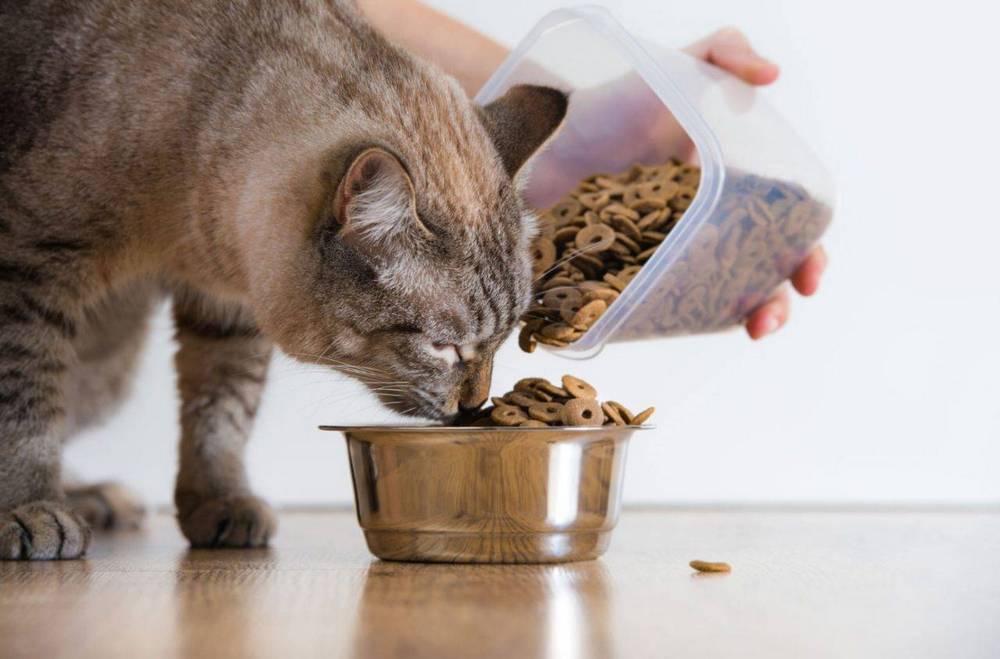
- Classes should be held daily in the form of a game with small rewards - pieces of treats.
- Cats need to be trained gradually. The best method at home is a slow, step-by-step approach, as trying to teach a cat several tricks at once can confuse the kitten. It simply stops understanding human demands.
- All words must be pronounced confidently, without raising your voice.
Cats should never be trained using coercion. This can seriously damage your relationship with your pet, who may begin to retaliate against you for using force.
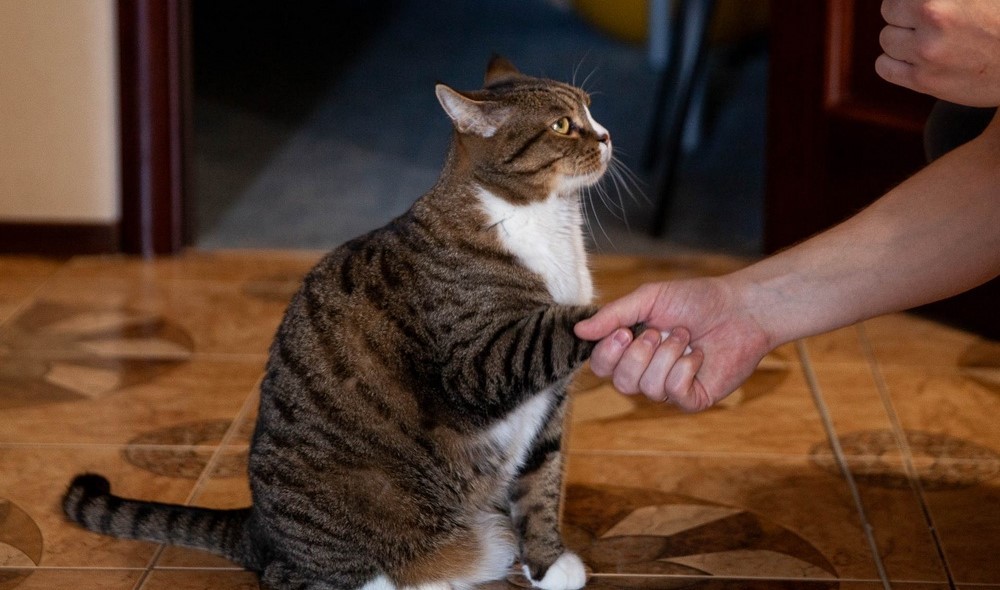
How to train a pet
A 7-8-month-old learner is already developed enough to understand the connection between the owner's words and their actions. If you give a cat cheese while constantly repeating the name of the treat, it will quickly learn that the word "cheese" is followed by a treat, and will sit in front of the bowl each time it hears the familiar sounds.
You can train your dog to perform simple tricks that are common in everyday life. Your child will happily repeat the actions that are familiar to them. The easiest way is to wait until the student repeats the action and then give the command. For example:
- a mustachioed predator slowly approaches a cozy chair and is clearly about to jump on it;
- As soon as the paws leave the floor, the owner gives a short command: “Jump!”
If you frequently command while jumping, your puppy will learn a simple connection between the word and the trick. Soon, just giving the command will be enough for the animal to jump. A small reward, such as a treat or affection, will help reinforce the skill.
It's worth taking a closer look at how you can train even a lazy cat using simple words or phrases.
Come to me!
This is the simplest trick, easily taught to any feline. It's used for training during feeding time. Simply say "come," rather than saying the kitten's name or the usual "kitty-kitty" while pouring food into the bowl. Periodically, replace the food with praise and affection. Soon, the kitten will learn to come running to its owner's call from anywhere in the apartment, without waiting for food.
Sit!
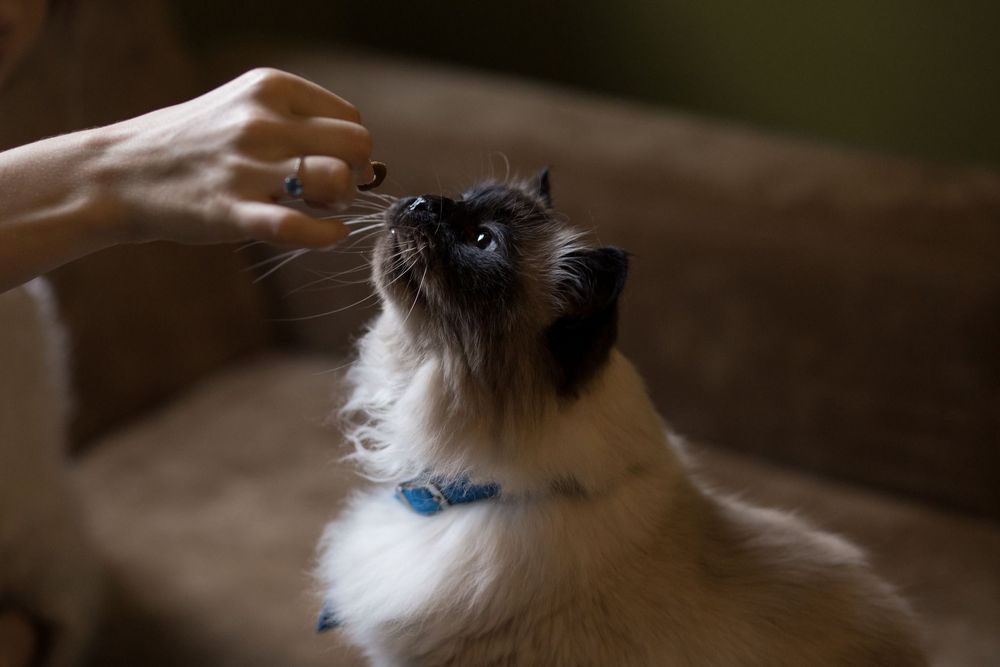
Teaching a cat to sit on command will be more difficult, as it's a rather complex command that requires patience from both the teacher and the student. You'll need to spend a lot of time nearby, waiting for the right moment. As soon as your pet wants to sit, you should give the command.
After several repetitions, it's a good idea to check how well the lesson has been learned. State the command clearly and wait for the result. If the kitten sits, praise it and reward it with treats. If it's stubborn, gently press on the kitten's rear with your hand while repeating "sit."
Paw!
This trick is usually taught once the "sit" position has been mastered. The owner addresses the crouched pet with the words, "give me your paw" and takes one of the dog's front paws with his hand. A treat as a reward will quickly reinforce the skill, and the trainee will offer the paw to the owner's hand at the first request.
Stand!
Training is difficult, as it requires a great deal of patience from both parties. Periodically, block the kitten's path as it moves through the house by holding out your hand. At first, the curious and stubborn kitten will carefully avoid the "barrier." But gradually, it will learn to perceive the outstretched hand as a sign that it is forbidden to move.
Bring it!
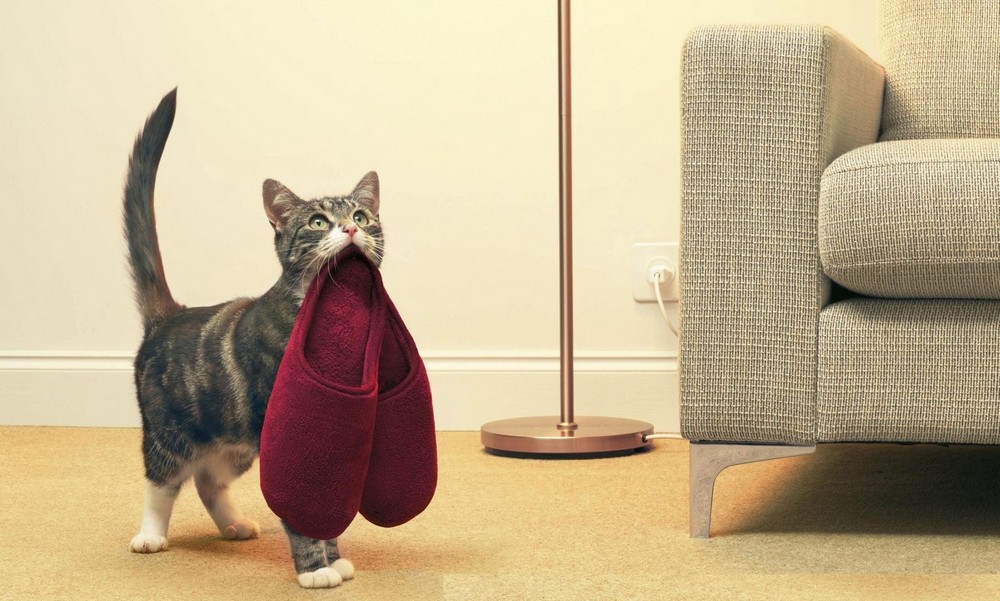
For active animals, this command will become a favorite. It's easiest to follow this command while playing with a ball or other small objects that can be picked up. The ball is thrown, and the kitten runs after it and picks it up. Carefully retrieve the toy, commanding "fetch," and then throw the ball again. Soon, the kitten will begin to understand that if the owner gives the object to the owner after the word "fetch," the game will continue. Therefore, it will begin to readily fetch its toys, and then other objects pointed out by the owner.
Crawl!
Training begins with the animal lying down. First, pet the pet with one hand, applying gentle pressure on its back to prevent it from getting up. Apply gentle pressure, avoiding pain or discomfort. Place a treat in front of the cat's face, and the kitten begins to reach for it. Repeating the "crawl" command, gradually move the treat away from the cat's face, encouraging the cat to reach for it, using its sharp claws to crawl.
Voice!
The teasing game begins before feeding. The food is brought to the kitten's face, allowed to sniff, and then lifted. The kitten will become impatient, rubbing against your legs and meowing loudly and persistently. Each time a "meow" is heard, the owner should give the "voice" command.
Complex commands
How can you train your cat at home by encouraging complex behaviors?
- Place two chairs at a small distance from each other.
- The animal is seated on the first chair, and its favorite treat is placed on the second.
- They invite the cat to jump onto the second chair by giving the command – waving their hand and indicating the direction of the jump.
- Treats are used only at first. Gradually, treats are alternated with praise. If training is structured correctly, affectionate words will be sufficient as a reward later.
- Once your pet has mastered the command, you can begin making it more challenging – increase the jumping distance, place several chairs in a row, or create a path with small obstacles.
The food reward method is the most successful. It is often used by professional trainers to train difficult-to-train furry pets.
What is the optimal study schedule?
To train an animal at home, you need to stick to a schedule and create special conditions:
- Kittens should be trained in a room free of distractions such as loud noises and foreign odors. The room should be calm. Loud conversations and the presence of other family members are unacceptable, as they will distract the student from their studies.
- It's best to conduct training in the morning, before the first feeding. This will help the puppy learn the lesson—they'll know they'll be fed after following the command.
- It's best to exercise every day. When a person can't perform daily workouts, it's acceptable to alternate between a day of exercise and a day of rest.
- Start with 10 minutes, gradually increasing the training time to half an hour. Avoid making training sessions longer than this, as overexertion can damage your pet's nervous system.
- To ensure your trainee doesn't forget the skills they've learned, it's essential to conduct preventative training sessions every two weeks. These should focus on practicing all the tricks they've already learned.
If the student begins to tire of training, take a break of 1-2 weeks. Otherwise, the kitten will develop a persistent aversion to training.
Cats are highly trainable when training takes the form of engaging games. A trained cat or kitty, taught a few tricks, will be a source of pride for their owner, who can put on a real show for guests at home. Training can help maintain your pet's physical fitness, develop their intelligence, and help break their habit of tearing wallpaper or sharpening their claws on furniture.
Read also:
- How to stop a cat from scratching and biting
- Teaching a cat the "no" command
- What to do if a cat ruins everything in the house?


Add a comment