
How to brush your dog's teeth at home
Brushing your dog's teeth is an essential hygiene routine for maintaining oral health. Just like humans, pets suffer from toothaches, and using a toothbrush helps prevent them. Failure to brush your dog's teeth can lead to plaque buildup, which in turn can lead to bad breathBut even more dangerous are infections that develop due to poor oral hygiene. Bacteria from the mouth can enter the gastrointestinal tract, affecting the liver, kidneys, heart, and other organs. Therefore, every dog owner should know how to brush their dog's teeth at home.
Small dogs—Yorkies, toy terriers, and Chihuahuas—are especially susceptible to oral diseases. Due to dental disease, they lose their appetite, rapidly lose weight, and suffer from abscesses and fever.
Content
What you will need
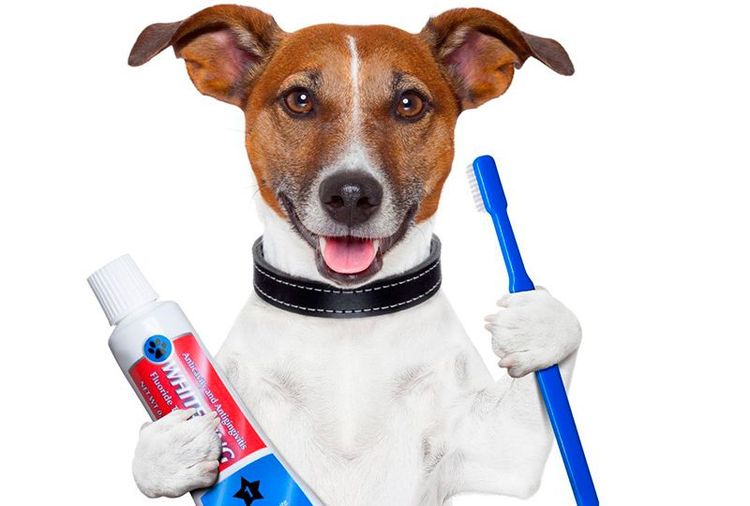
To brush your dog's teeth at home, don't use human hygiene products. Even if you have a new toothbrush at home, it's better to buy a specialized one from a veterinary pharmacy. If you can't find a special dog toothbrush, use a children's toothbrush.
Choosing a brush
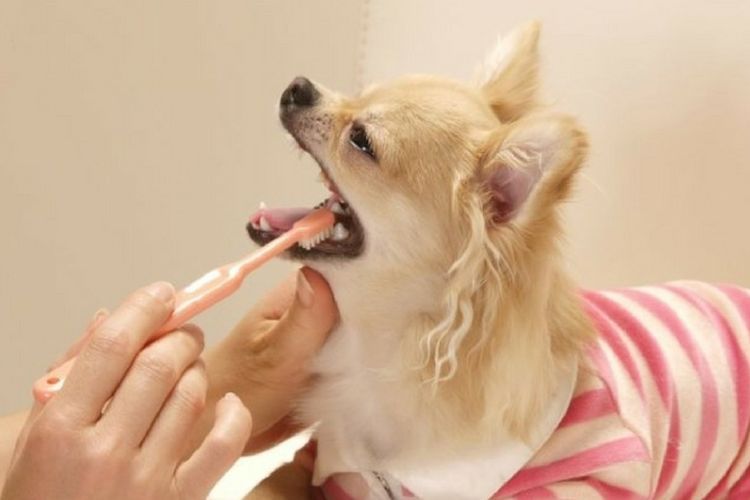
Dog brushes have softer bristles than those for humans, yet they easily reach hard-to-reach areas and clean away debris. Brushes vary in size, so choose the right one for your pet. A compact brush is best for a small dog, and vice versa.
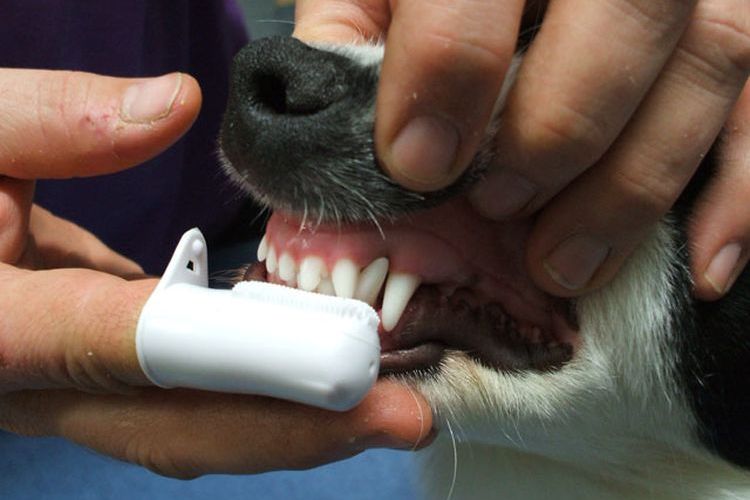
A finger brush is suitable if your dog resists dental hygiene with a regular toothbrush. This option is used during the training phase. Alternatively, you can use a special sponge or washcloth.
If your dog absolutely refuses to have his teeth brushed, a synthetic bone can be an alternative. The dog chews on it and removes debris. Just make sure to choose a medium-hard bone to avoid damaging the gums while still strengthening them.
Natural bones are a natural cleaning agent. This is how dogs clean their teeth in the wild. From time to time, you should treat your pet to this tasty and healthy treatIt is preferable to give puppies toy bones to prevent the animal from getting hurt.
After trying several options, dog owners usually choose the one that works best for their dog. If your pet flatly refuses to have their teeth brushed, you're not using the best method.
Choosing a paste
As with toothbrushes, human dental products should not be used. They contain substances toxic to animals, such as fluoride. Regular exposure to these ingredients can cause kidney damage, digestive problems, and other organ problems.
An alternative option is always available at veterinary stores—a paste designed specifically for dogs and other animals. It has a pleasant flavor, so it won't cause aversion in dogs. For example, you can buy toothpaste or spray with chicken, bacon, and other flavors. It's advisable to choose products that serve as a preventative measure. tartar Dogs often suffer from this problem. The main advantage of dog toothpastes and gels is their safety. There will be no consequences if a dog accidentally ingests any of the products.
How to train
Oral hygiene should begin as early as possible. A puppy is ready for this procedure as early as two months of age. This isn't for hygiene reasons (teeth don't fully develop until 6-7 months), but rather for psychological preparation. By the time the need for such cleaning truly becomes acute, the dog will have become accustomed to it and will tolerate it calmly.
When accustoming your dog to having his teeth brushed, it's important to choose the right time of day—avoid brushing when the dog is excited, eager to go for a walk, play, or hungry. Wait until the animal is calm and relaxed. This is usually after a walk or meal. However, you shouldn't disturb a sleepy dog with such procedures.
Stages of training:
- Run your fingers around your dog's mouth occasionally to prevent future irritation. This process can take anywhere from 2-4 days to several weeks. Once you're sure your dog doesn't mind your fingers, proceed to the next step.
- Apply dental cleaner to your finger and let your dog lick it. He should be able to taste the gel or paste so he can tolerate it properly next time.
- Once your dog has gotten used to the new taste and unusual sensations, run your finger with the spray or the mouthpiece over his lips, teeth and gums.
- Once your dog is used to the taste of toothpaste, introduce him to the brush. Apply a small amount of toothpaste to the brush and let him lick it off. The taste will be familiar, but this will help him get used to the feeling of the brush in his mouth. Reward him with a treat after each successful training session.
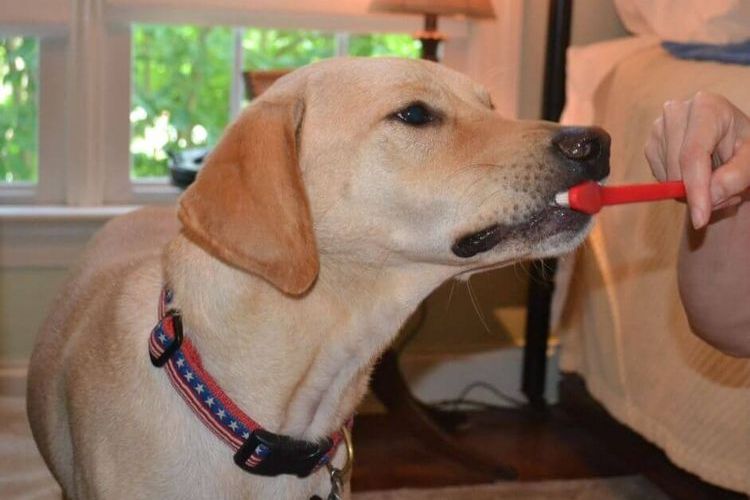
- Once you've determined your dog is ready for oral hygiene, begin gently brushing the outside of their teeth. Typically, brushing begins with a few teeth—the canines. If your dog seems restless, reassure them, but continue the process.
- Increase the number of teeth you brush each day. But don't brush too quickly. Always start with the area you've brushed before, and then gradually move on to other teeth.
- When brushing, always move the brush in one direction parallel to the gums.
- You should only move on to brushing the inside of your teeth once the entire outside of your mouth has been cleaned. Getting your child used to brushing the inside of your teeth follows the same process as brushing the outside.
Ideally, you should perform your dog's oral hygiene daily. However, it should be done at least once a week.
An alternative to brushing your teeth
If you can't get your dog used to regular dental brushing, at least try alternative methods. For example, you can buy special chew toys. There are also other ways to clean the dog's mouth:
- Regularly play tug-of-war with your dog - by grabbing the rope with its teeth, the dog involuntarily frees itself from food scraps.
- Periodically offer your animal bones, which are good at removing plaque.
- Rinse your mouth with water from a syringe or baster, using herbal infusions: chamomile, calendula.
You can also visit a veterinary clinic for an ultrasonic teeth cleaning. This can be done once or twice a year. The procedure effectively removes plaque and tartar, and kills most bacteria. Your dog will experience no discomfort.
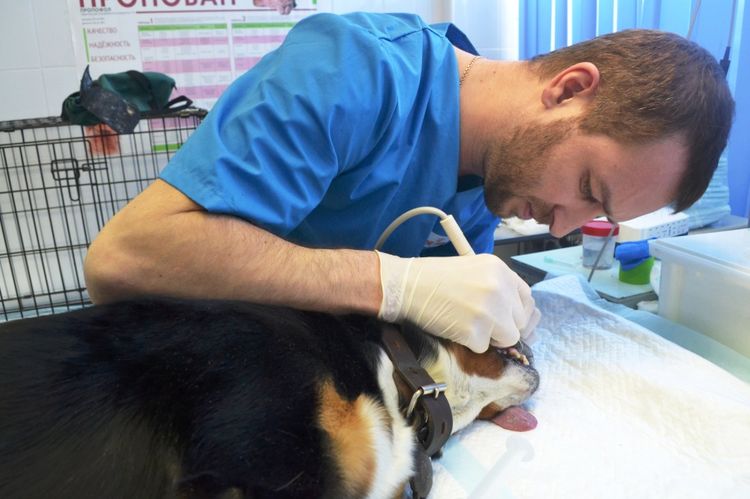
To prevent plaque and tartar buildup, buy special food that reduces the likelihood of these problems. And keep trying to get your pet used to regular dental brushing.
You can also ask our website's staff veterinarian a question, who will answer them as quickly as possible in the comments box below.
Read also:


Add a comment