
How to quickly accustom a kitten to its name
So, you've welcomed a new pet into your home, and you're wondering how to choose a cute name for your little one and quickly acclimate them to it. We'll explain the key tricks for acclimating animals of different age groups to a new name, and we'll also share tips from experienced breeders on how to speed up the process.
Content
Choosing a name
As trivial as it may sound, before you begin training, you need to finally decide on a nickname for your new pet.
It's okay if a kitten lives with you for a few days without a name. What's worse is if you start teaching it a name, only to realize it's not right and have to start all over again.

In principle, knowing the basics of training, as well as using the advice of experienced breeders on how to accustom a kitten to its name, you can teach an animal to respond to absolutely any name. This is confirmed by the wide variety of names. ways to call cats, which have become established in various countries around the world. But to ensure that the process of acclimating your dog to a nickname is as quick as possible, and that both you and your pet like the name itself, consider the following:
- You will need to enter the name in the veterinary passport, address the pet when visiting, and tell the veterinarian its name;
- the nickname in the documents and the “home” name of the animal may differ;
- It is ideal if the name has a beautiful adult and childish form;
- cats will respond more happily to names that contain consonant sounds that are pleasant to their ears: “s”, “z”, “ts”, “m”, “r”;
- If the kitten is wild, it is better not to choose names with hissing sounds, since the sounds "sh", "shch" and "ch" are associated with aggression in cats.
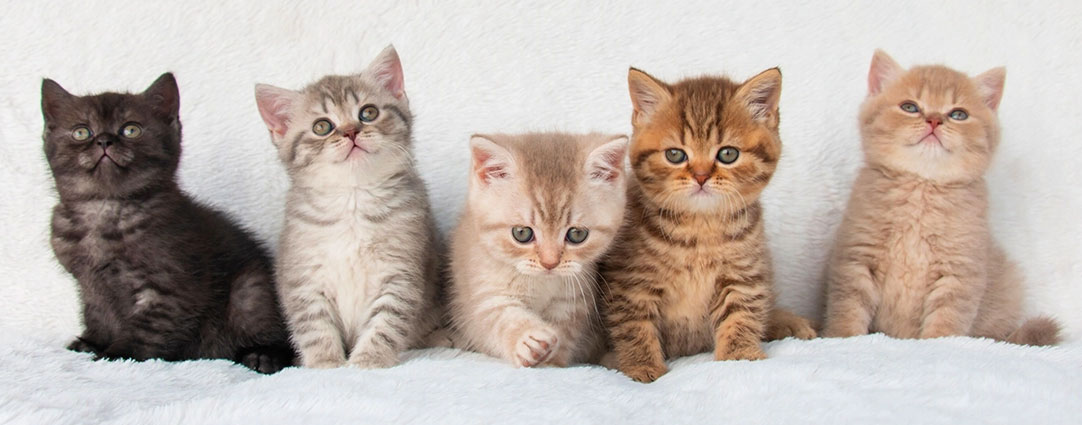
You'll find more interesting ideas for choosing a nickname in our articles:
- for a ginger kitten;
- for a black kitten;
- for a gray kitten;
- for a white kitten;
- for a boy;
- for a tricolor cat;
- Japanese names for cats;
- funny names.
Interesting fact! Cats have very good memories. They can remember things much longer than dogs.
At the same time, animals with character are distinguished by selectivity, which means that a cat may refuse to respond to its name, but such cases most often occur when an adult pet is trying to accustom to a new name.
Basic rules of training
Don't expect a cat to respond to its name like a dog. Not all cats are ready to leap and run to their owner at the sound of their name, although the vast majority of cats understand that a person is addressing them specifically with a certain word.

Does age matter?
Owners are often interested not only in how to accustom a kitten to its name, but also at what age it is best to accustom the baby to its nickname.
Kittens begin to hear within 4-5 days of birth, but the active process of exploring the world begins around 1 month. If a kitten was born in your home and you want to keep it, you can train it from the first few weeks. Kittens that are being adopted are usually not taught a name, allowing the owners to choose their own.

There's a common misconception that the smaller a kitten is, the easier it is to tame and teach it to respond to its name. This is partly true, but the speed of training depends on many factors:
- intellectual abilities of a particular animal;
- the presence of a need for communication with a person in a kitten or adult cat;
- his attitude towards tactile interaction, affection, joint games, etc.
It happens that an adult but sociable cat remembers an owl's name quite quickly, while for a small, wild and distrustful kitten it may take much longer.
How to teach a cat to recognize its name?
In principle, the process of accustoming a pet to a name is approximately the same, regardless of the animal’s age, and includes the following stages:
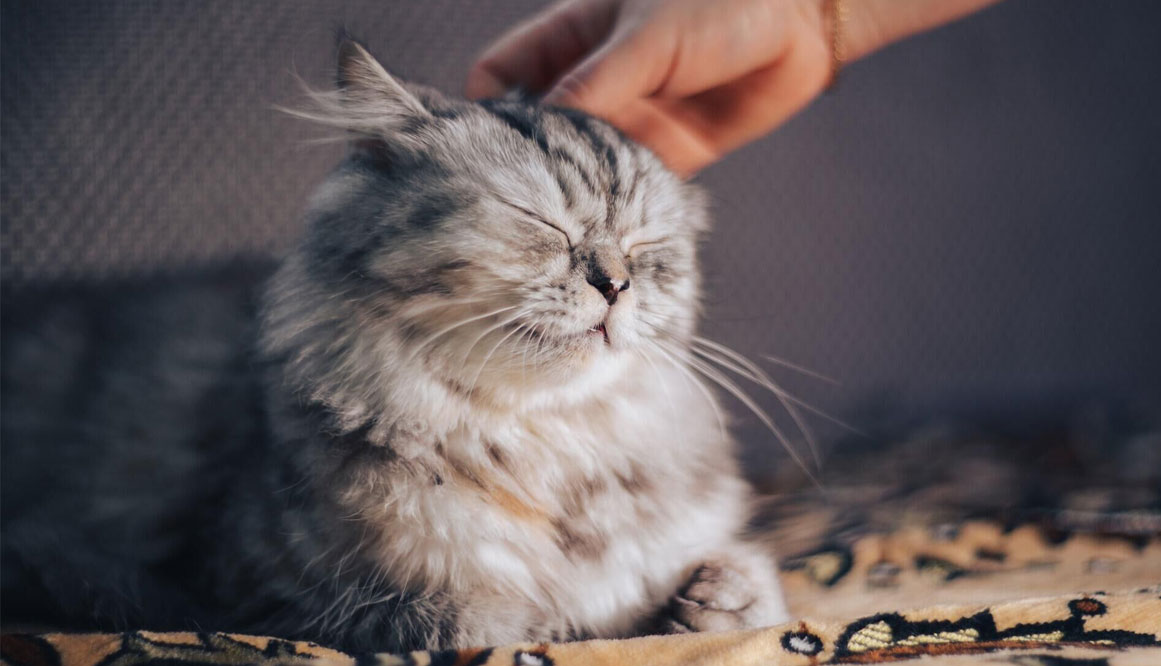
- Getting used to the owner's voiceSay the pet's name when feeding or petting it, using a gentle, affectionate tone.
- Creating a strong connection between a name and a treatGive your cat a treat, then move a few meters away and call its name. If it comes, reward it with a treat. Practice regularly, gradually making the task more challenging (for example, by going into another room, calling the cat back when it's engrossed in a toy, etc.).
- Training your dog to respond to its name without foodAt this stage, the animal can be rewarded with affection from the owner or playing together.
Important! One of the key aspects of teaching a cat to respond to its name is ensuring its name is pronounced consistently. For example, if you want your cat to know its name is Marcel, then address it that way, without changing it to Masya, Marsik, or something similar.
Possible reasons for failure
Breeders' advice includes not only recommendations on how to accustom a kitten to its name at 2 months or after a year, but also warnings on what not to do to avoid alienating the animal and complicating its adaptation to its new home and name.
We recommend remembering what you definitely shouldn’t do (at least during the training stage, but preferably never at all):
- pronounce the nickname in a sharp, menacing, displeased voice;
- call the animal by its nickname, scolding it for any misdeeds;
- call two animals living in the house by names that sound similar;
- ignore the cat after it responds to its name (if you called it, then reward it in some way);
- scare and punish after calling the animal to you.
If your pet develops an association between the word you choose as a name and unpleasant consequences, it will be quite difficult to correct.
Breeders' Advice
For more tips on how to teach a kitten or adult cat their name, watch these videos:
Read also:
- How to quickly tame a feral kitten
- When do kittens start walking on their own?
- How to stop a kitten from biting and scratching


Add a comment