
How to quickly tame a feral kitten
Are you ready to give love to a homeless animal by adopting a stray cat, but are you worried about whether such a pet will adapt to life in a house or apartment and learn to trust people? We'll explain what to expect in this situation and how to quickly tame a feral kitten to human touch and affection.
Content
Are all stray cats feral?
There is a common belief that it is much easier to tame a small kitten than a stray cat from the street, but this rule does not always work.
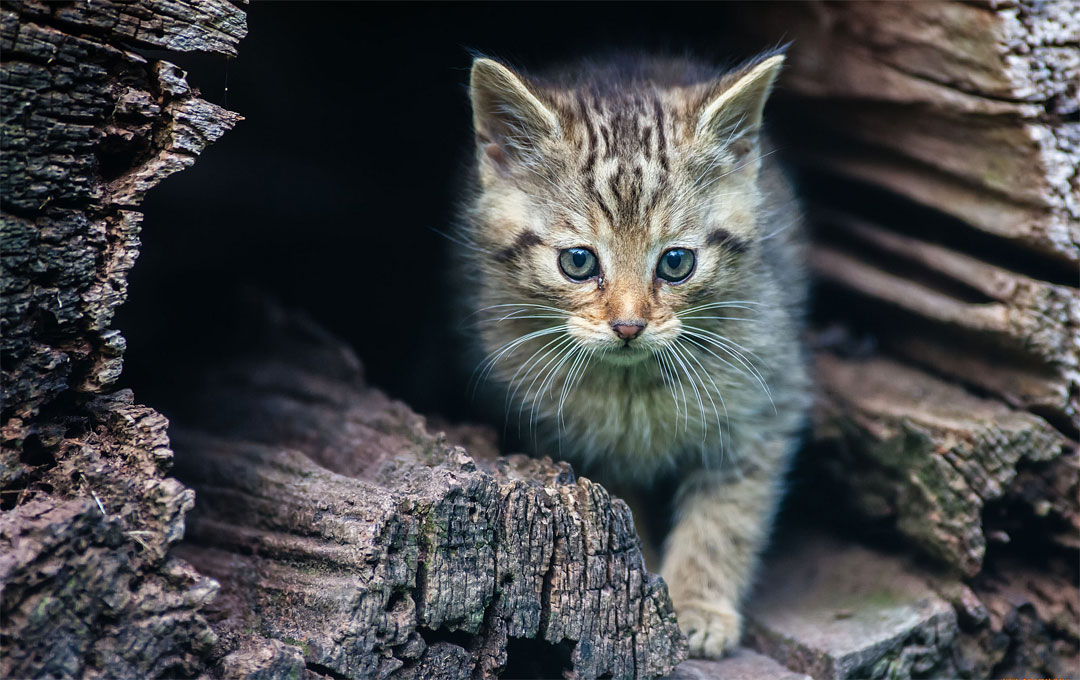
In practice, establishing a bond between a person and an animal (adult or small) depends on many factors:
- the animal's lifestyle (cats, kittens and cats living near people are usually more receptive to human contact than completely wild animals);
- the presence of positive and negative experiences of communicating with people;
- individual psychological characteristics of the animal.
Truly wild animals are those that live far from humans, forage for food on their own, and have had no positive experiences with humans, or have had negative experiences that push them to stay as far away as possible and distrust humans. Even such a cat can be bonded with you if desired, but establishing a friendship will be quite difficult; building trust will take a long time, and it's unlikely you'll be able to lock a free-spirited wild cat in your apartment.
Incidentally, becoming the owner of a feral kitten isn't always a choice. Beautiful but feral kittens are often sold inexpensively at markets. After purchasing such a little one, you may realize that it's not at all ready to give you love and affection once you bring it home.
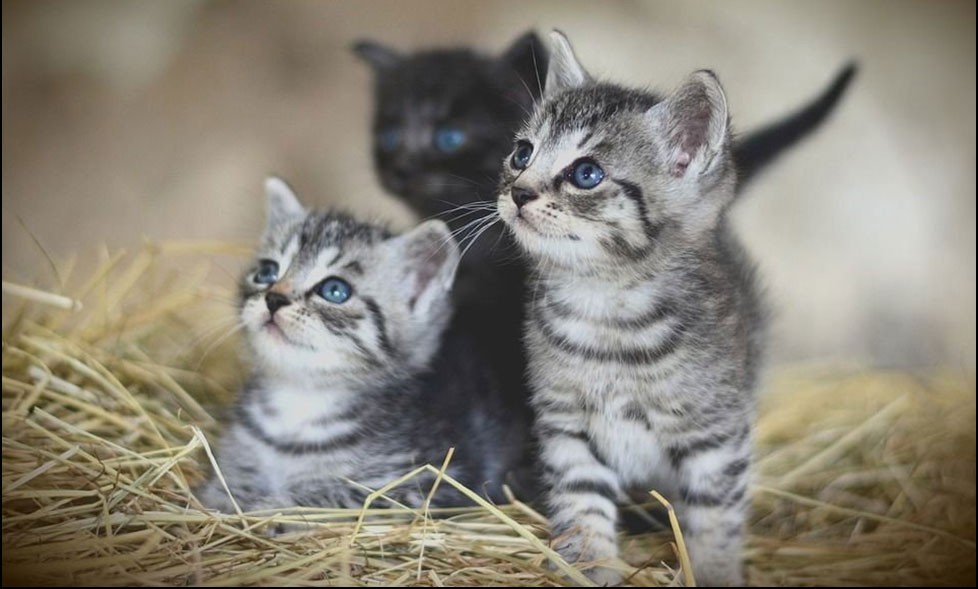
If we are talking about a case where a small kitten or an adult cat was abandoned by its previous owners, then the domestication process will depend on how long it has lived on the street and whether it has had any negative experiences with people.
What can you expect from a feral kitten?
When planning to domesticate a feral kitten from the street, it's important not only to know how to quickly tame such a pet, but also to understand what problems may arise and what to expect in the first few days.
Once in an apartment (in new and unfamiliar conditions), an animal may:
- be afraid and hide for some time (a day or more) under the bed or another secluded place that it considers safe enough;
- show aggression (hissing, scratching and biting) if a person tries to pick up a wild kitten;
- fight for territory with other pets (therefore, you should be careful when bringing animals from the street into your home if you already have a cat or dog);
- relieve themselves wherever they want, especially if the baby has never been litter trained before;
- mark territory (if we are talking about an adult, unneutered cat).

Important! If you find a kitten on the street, it's a good idea to take it to the vet immediately. While being tamed, such a pet may scratch or even bite you, and it's important to be sure it doesn't carry any dangerous diseases.
Most of the symptoms of the adaptation period are caused by the kitten (or adult cat) being afraid of everything around them and distrusting people who are nearby. In most cases, initial aggression subsides once the animal establishes close contact with its owners.
How to tame a wild cat or kitten?
The process of taming a feral street animal to a new home and new owners can take anywhere from a few days to a few weeks.
Stage #1 – Overcoming Fear
After you bring your pet home, it will need some time to settle in. There are two options:
- Just let the cat sit in the far corner of a closed room.
- Place the new pet in a spacious cage, closed on 3 sides.
After about 12-15 hours of such solitude, the cat will become hungry enough to overcome its fear and take the food offered by the person.
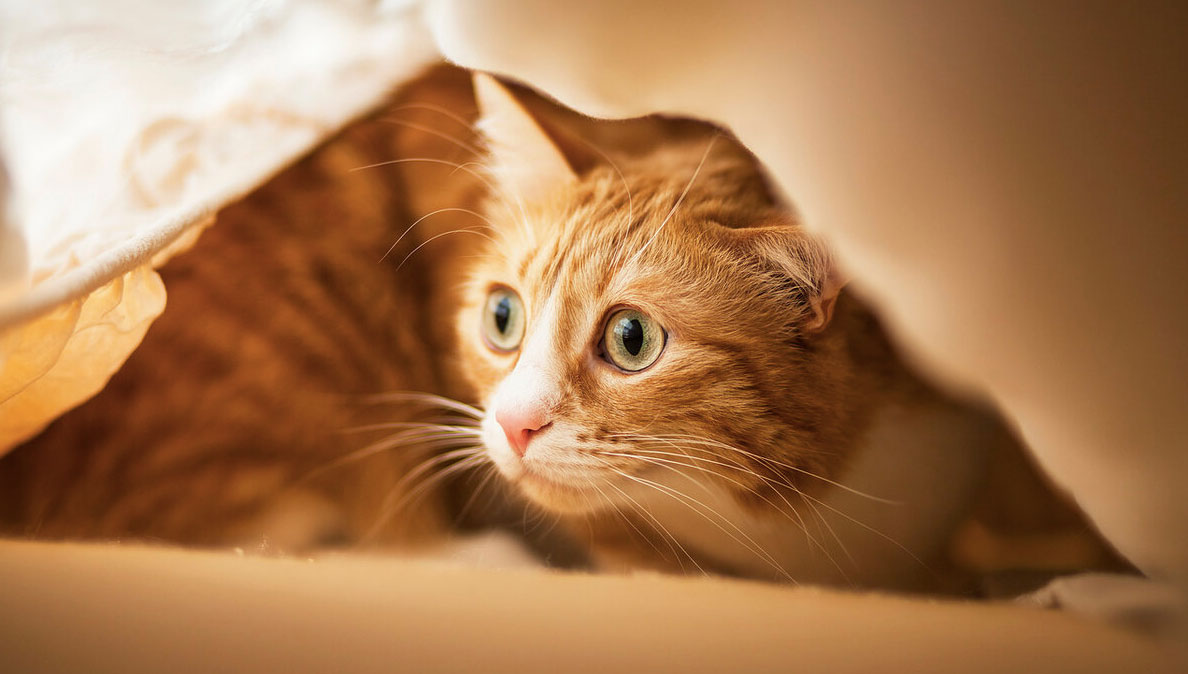
If the animal is willing to accept food in your presence, it will likely be easy to train such a stray cat to be handled. If the cat is hesitant to eat from your hand or in your presence, place a bowl of food and water near its chosen spot and wait until hunger overcomes fear.
Stage #2 – Taming
Once the animal overcomes its fear and begins exploring its new home, you can begin taming it. At this stage, it's important to remember the following rules:
- Keep your new pet away from other animals and people living in the house;
- do not rush to pick up the kitten;
- Avoid sudden movements and loud sounds that may frighten;
- talk to the cat in a soft, quiet voice;
- Don't scold your pet for any "surprises," as he's still getting used to the toilet and scratching post.
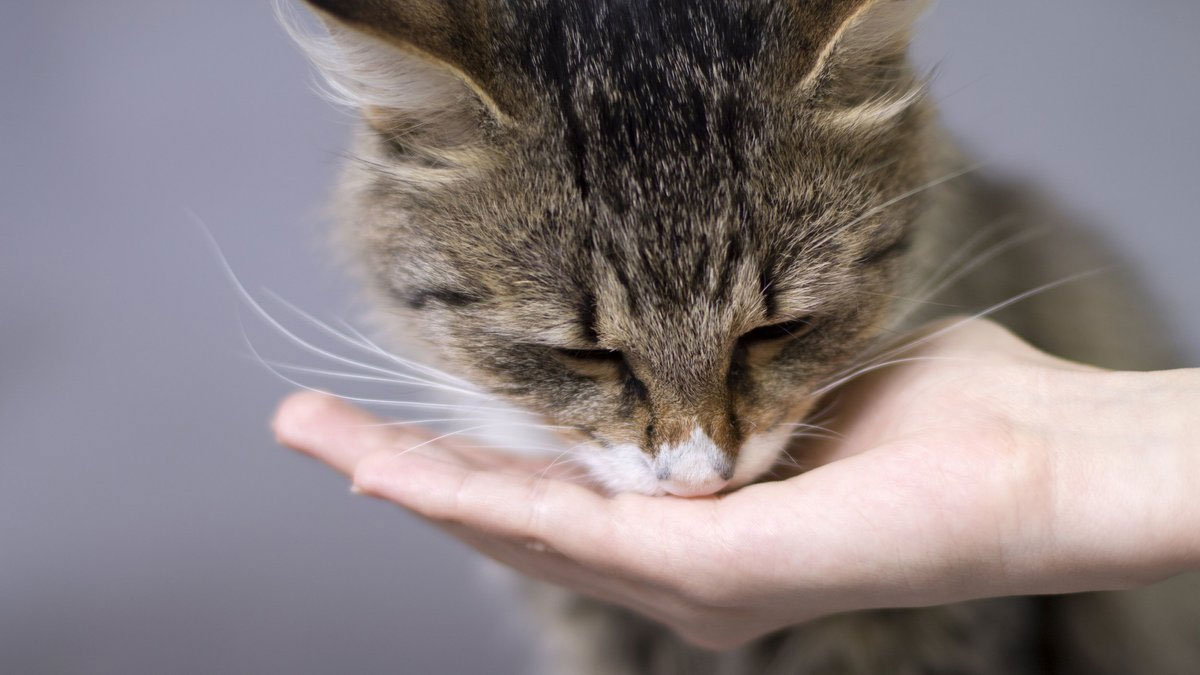
If the kitten quickly gets used to your presence and allows you to touch it, don't rush into hugging it. Simply pet it gently, without restricting its movements.
To establish closer contact, it is recommended:
- feed your pet by hand;
- play with the kitten using a variety of toys;
- Spend more time together, unobtrusively introducing them to the sound of your voice and tactile contact.
Stage #3 – Education
Recommendations for litter training a kitten are the same for both domestic and wild kittens. However, if your pet has spent a significant amount of time outdoors, it's best to first offer them a litter box filled with sand rather than special litter. Their instinct will tell them to do their business in this, the most natural, location.
Important! It's best to initially place the litter box in the room where your cat is staying during the adaptation period, and then move it to a more convenient location over time. You can also place several makeshift litter boxes around the house until your cat gets used to it and understands what's expected of him.

More problems can arise with an adult, unneutered cat, who will mark his territory out of natural instinct. If you plan to keep such a foundling in an apartment, it's worth consulting a veterinarian about the possibility of performing the procedure; otherwise, it will be impossible to get rid of the strong, characteristic odor.
For more information on how to litter train an adult stray cat, watch this video:
Also see how to quickly train a cat to use a scratching post.
Taming Tips
Read also:
- A cat screams at night: reasons and what to do
- A cat screams at night: reasons and what to do
- Who is better to have in an apartment: a male cat or a female cat?


Add a comment