
How to adapt a cat to a new home or apartment
Situations that require not only people but also animals to adapt to a new home vary. Cat owners often encounter these situations, and so the question of how to adapt a cat to a new home is always relevant.
Content
How to adapt a kitten to a new home
So, you've bought a little furry friend, or someone you know has given you one. Don't worry, training and taming this little one isn't as difficult as it seems. The key is to give it plenty of attention, generously showing it care and affection. It's recommended to talk to it, stroke its fur, and then feed it. Kindness and warm words will help you build a trusting bond with it. Remember, a kitten will only love you once you love it.
It's a mistake to leave your pet alone in the house for long periods of time. They'll likely spend most of their time hiding in corners and avoiding you.
The owners spend quite a lot of time on train a kitten to use a litter boxIntroduce your little one to the new toilet, and if they relieve themselves in the wrong place, scold them firmly but kindly and point them back to the litter box. A naughty furry friend can be "directed" to toilet, putting a piece of paper or cotton wool soaked in his urine into it: he will come to the smell.
Another delicate matter: acclimating your kitten to a new sleeping place. If you don't want your kitten to spend all of its time in your bed, you should immediately offer it a secluded, warm, and soft corner where it can rest comfortably, perhaps enticing it with special catnip from a pet store.
Be patient and loving, and the kitten will soon get used to its new home.
How to acclimate a cat to a new home
Change of residence causes stress Not only for owners, but also for pets. In such cases, breeders begin to actively inquire about how to adapt a cat to a new home and what needs to be done to ensure a successful outcome.
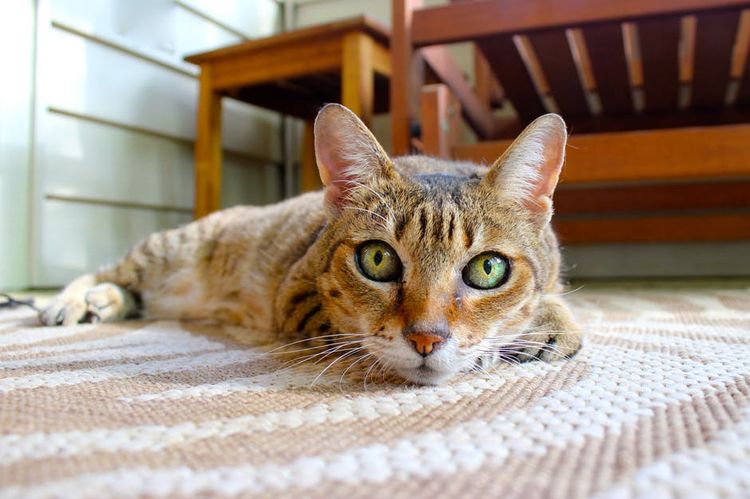
Moving to a new house
It's advisable not to move an adult pet into a house that hasn't been completely redecorated or unpacked or tidied. Cats dislike clutter, and "chaos" in the house can make it harder for the animal to adjust to its new surroundings.
If you have a very sensitive pet, it's best to at least partially preserve the same decor to help them get used to the unfamiliar home. Cats remember scents well, and keeping the old items will help them adapt to the new environment more quickly. Gradually, everything can be replaced.
Prepare a sleeping area, a "dining area," and a litter box for your cat in advance. It's best to bring everything you need from your previous apartment and, once your cat has adjusted, purchase new items. Your cat will be grateful.
Moving to a new owner
It will be more difficult to adapt a cat to a new home with a new owner, especially if the cat is a stray. And it won't be easy to wean it off its previous home. In this case, it will take more time, patience, and effort to acclimate an adult pet to a new environment.
Cats, as we know, get used to their new home, so you should try to create conditions similar to those they lived in before. To achieve this, you should first ask the previous owner about the details of their pet's life and preferences in food and other activities, and try to adhere to them.
Create a secluded corner for your cat, but don't leave it alone for long periods of time at first. Pet your cat if it approaches you and allows you to pet it. Otherwise, don't force your affection; in time, sensing your affection, it will naturally show interest and love.

When training your pet to use a new toilet, use the one he is used to. fillerIf possible, bring some old, urine-soaked litter and place it in the litter box. Just like with a kitten, an adult cat will locate the litter box by smell.
Designate your cat's favorite spot, where she spends most of her time, as a sleeping nook. Remember, it should be warm and comfortable.
It is also better to feed your pet with the food it is used to.
How to Adapt a Cat to a New Home: Additional Recommendations
Moving to a new home is a stressful experience for any cat. To ease the transition, it's important to consider several additional factors that are often not covered in basic articles.
The role of smells in adaptation
Cats perceive the world through their sense of smell. A change in familiar scents can cause anxiety. To help your pet, you can bring items with the scent of their old home to their new home—for example, a blanket or a toy. This will help maintain a sense of security and reduce stress.
The influence of daily routine on addiction
Maintaining a familiar feeding and play schedule will help your cat adapt more quickly. If the new home is noisy or full of new people, it's best to schedule quiet periods for your cat to rest. Regularity and predictability help your cat feel more secure.
Social adaptation with other animals
If you already have pets in the house, introduce them gradually and under supervision. It's best to start by introducing them through a door or cage, giving the animals time to get used to each other's scents. Abrupt introductions can lead to stress and conflict.
Use of sedatives
Modern veterinary pharmacies offer pheromone diffusers and sprays that mimic natural feline pheromones. Their use significantly reduces anxiety and promotes rapid adaptation to new surroundings.
Monitoring behavior and contacting specialists
If, 2-3 weeks after the move, your cat continues to show signs of stress—hiding, aggression, or refusing to eat—it's time to consult a veterinarian or animal psychologist. Professional help can help prevent long-term behavioral problems.
Table: Additional tips for successful cat adaptation
| Advice | Description |
|---|---|
| Bring in familiar smells | Use old items to preserve scents and reduce your pet's anxiety. |
| Maintain a daily routine | Maintain regular feeding and playtimes |
| Gradual introduction to animals | Organize safe introductions to other pets through barriers |
| Use pheromone products | Use sprays and diffusers to reduce stress |
| Contact the specialists | In case of prolonged stress, consult a veterinarian or animal psychologist. |
How does a cat's age and personality affect adaptation?
A pet's age greatly influences the speed of adaptation. Kittens adapt to a new environment more quickly because they are more exploratory. Adult cats, and especially senior cats, require a more gentle approach and time. Personality also plays a significant role: calmer and more social cats adapt more easily, while timid and withdrawn cats require more attention and support.
How to prepare your home for a new pet
Before moving, it's a good idea to prepare the space by removing potentially dangerous objects, checking windows and balconies, and creating quiet areas for relaxation. Ensure your pet has access to a litter box, bowls, and scratching post immediately upon arrival to minimize stress and avoid behavioral problems.
By following these recommendations, you can adapt your cat to their new home quickly and painlessly.
Read also:
- Is moving to a new home stressful for a cat?
- How to house train a cat?
- Methods for toilet training a kitten


Add a comment