
Ca de Bou (Major Mastiff)
The Ca de Bou is a mountain of muscle and a charming smile that those unfamiliar with the breed will mistake for anything but the openness and friendliness inherent in these four-legged giants. They were once fearless bullfighters, steadfast guards, and fighting dogs. Today, they are primarily companions, calm and even-tempered, but have retained their guarding skills. Other names for the Ca de Bou dog breed include the Majorcan Mastiff or the Perro Dogo Mallorquin.

Content
History of origin
The breed's history spans several centuries. Malta is rightfully considered the birthplace of the Ca de Bou. The development of shipping in the Mediterranean led to the exchange of cultural and other values between Eastern and Western peoples. Commercial relations facilitated the exchange of livestock, especially guard and watchdogs. Strong dogs with strong teeth were preferred, with mastiffs being prominent examples.
When Majorca became a British possession, English dogs began to appear on the island, crossing them with local breeds. The Ca de Bou is believed to have descended from English Bulldogs and Alanos, which were then abundant on the Iberian Peninsula. Medium-sized Majorcan mastiffs were used as guards, watchdogs, and fighting dogs. But their greatest popularity stemmed from their suitability for bullfighting dogs. In fact, the name Ca de Bou translates as "bull dog."
The Majorca bulldogs' character wasn't formed primarily through fighting. In everyday life, they were expected to obey unquestioningly and without repeating mistakes. There was no other option for survival. Spanish cynologists admit to infusing Majorca blood into their dogs to make them less stubborn and independent.
The breed was mentioned in the Spanish stud book in 1923, but the first official record of the Perro Dogo Mallorquin appeared only after shows in Barcelona in 1928-29. In the 20th century, the breed experienced difficult times, and only a few individuals remained. Old-type specimens were used for revival and reconstruction. English bulldogsIn 1964, the breed was recognized by the FCI. Modern Caddebos are not a fighting breed; their primary purpose is to be companions and family guardians.
Video review of the Ca de Bou breed (Spanish: Perro Dogo Mallorquín)
Appearance and standards of Ca de Bou
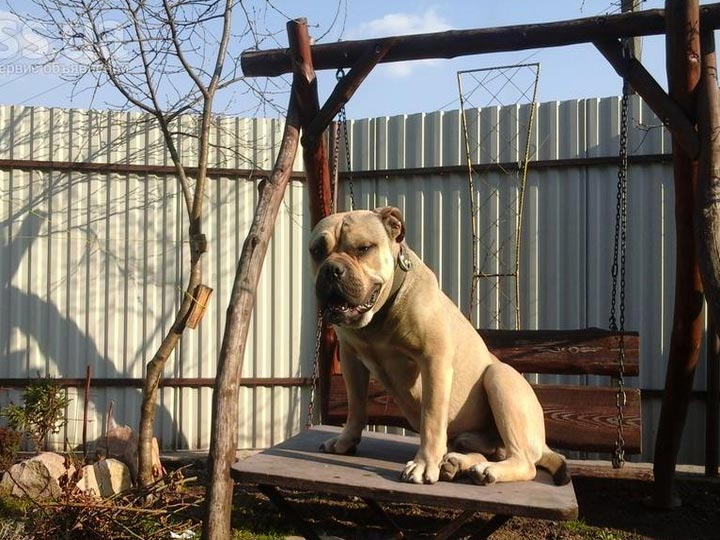
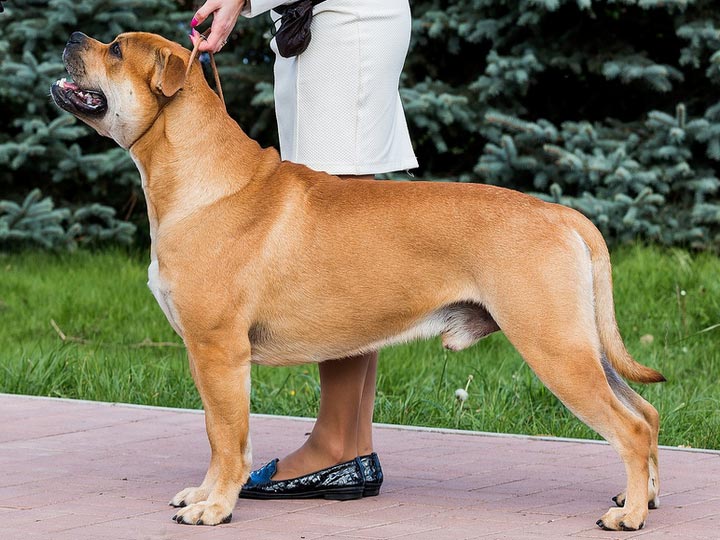
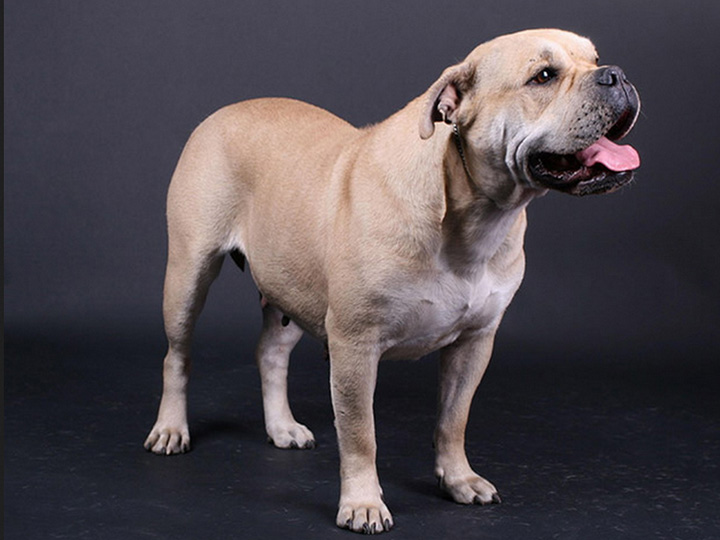
If someone unfamiliar with the Ca de Bou were asked to describe the breed in just a few words, the most appropriate would probably be: power and nobility. The Ca de Bou has the typical molosser appearance – a strong, powerful dog with a slightly elongated build. Sexual dimorphism is very pronounced, reflected in the larger head circumference and body size of males. Height: 52-58 cm. Weight: 30-38 kg.
Head and muzzle
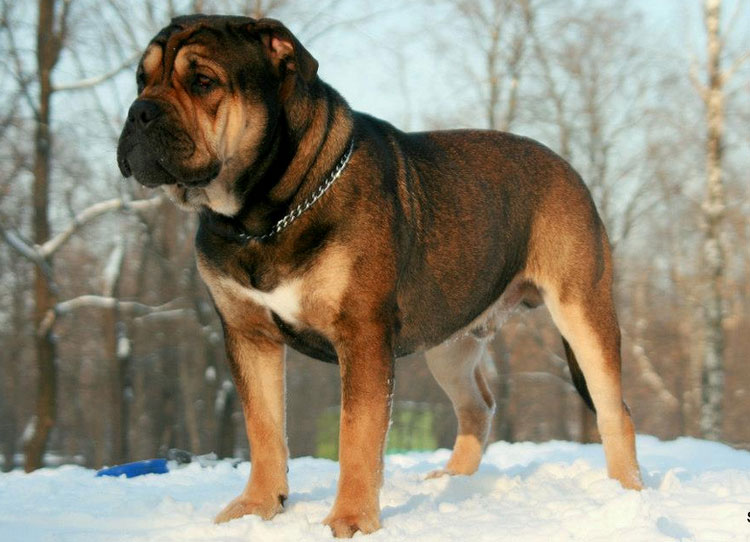
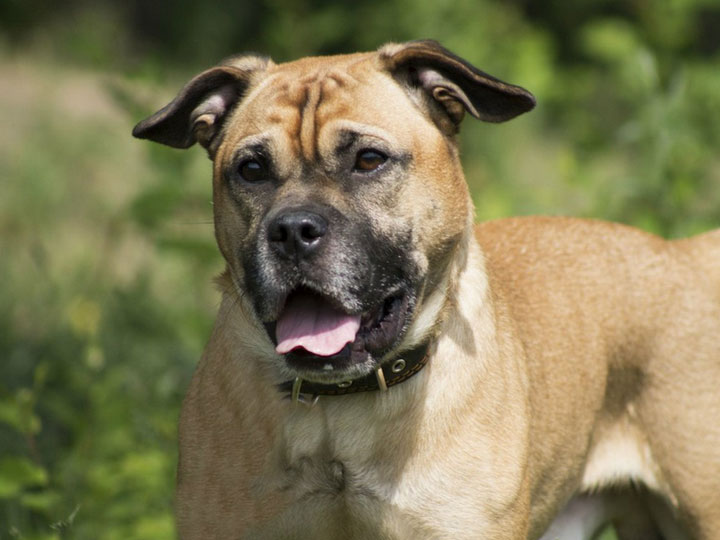
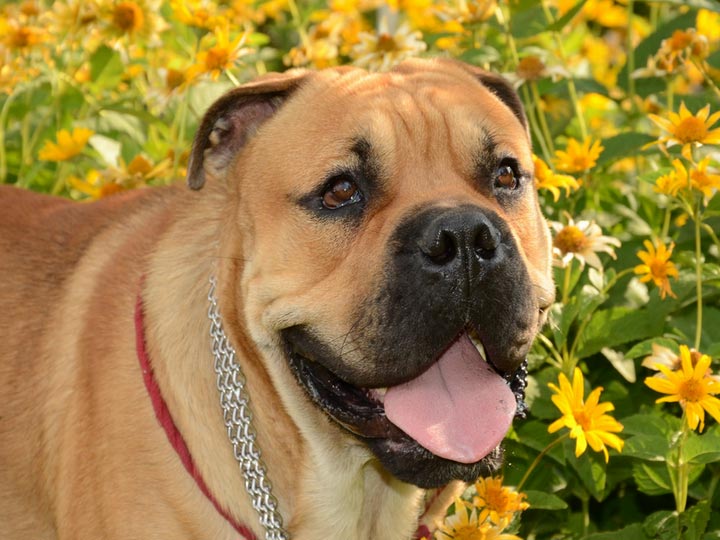
The skull is broad, almost square (the girth is greater than the height at the withers). The head is massive. The forehead is broad, flat, with a pronounced furrow. The stop is sharp. The muzzle is conical with a wide base. The eyes are dark, oval, large, wide open, and set fairly wide apart. The ears are set high, raised on cartilage, and pulled back. When relaxed, the tips of the ears reach below the line of the eyes. The muscles of the face are very well developed. The nose is black. The lips are fleshy, the upper one is taut, and the lower one forms a fold. The bite is undershot (no more than 1 cm). White, strong teeth should not be visible when the mouth is closed.
Physique
The neck is powerful, strong, and proportionate to the body size. The chest is deep and cylindrical. The shoulder blades are wide apart. The belly is tucked up. The croup is sloping at a 30° angle. The limbs are short and muscular. The paws are oval. The pads are preferably pigmented. The skin is firm and thick, fitting tightly to the body; a dewlap is permitted only on the neck.
Coat and colors
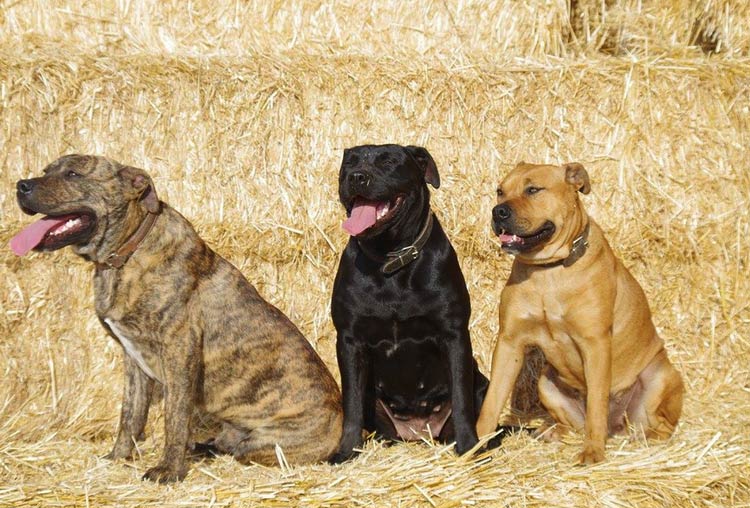
The coat is smooth, short, and hard to the touch. There are three main colors:
- Tiger (darker tones are preferred);
- Deer (deep shades are desirable);
- Black.
White markings are permitted on the chest, paws, and muzzle, but not more than 30%. A dark mask may also be present on the muzzle.
Character and psychological portrait
When seeing photos of the Cadebo dog breed, many people get the wrong impression about their personality. The image immediately conjures up of a ferocious fighter, aggressive and difficult to control.
Majorca Mastiffs are as friendly as little kittens among their families. They integrate easily into a group and are suitable for families with small children. These dogs do not show any clear preference for one person, but are loyal and affectionate with everyone, tolerant of friends and guests, and incorruptible with strangers and outsiders. Members of this breed are naturally gifted watchdogs and guardians, and are not prone to unprovoked aggression.
Like many other Molosser dogs, the Caddebo has a somewhat phlegmatic temperament. They are thoughtful, calm, and even-tempered, and won't rush to the front door at the slightest sound. At home, they love to lie quietly in a corner with their favorite ball or take a nap. At the same time, they'll happily join you on a morning jog and be the first one in the car in anticipation of a trip out of town. They're never clingy and perfectly attuned to your mood; they won't pester you with games, but they'll always support any idea.
Ca de Bou are calm and friendly, they will never bark or show aggression without reason, but if necessary, they are capable of instantly turning into bodyguards and coming to the rescue.
Caddebos embody the best qualities of companion dogs, which belong to the guard and watchdog group. They are compact in size, have a docile nature, and are loyal to other animals and people.

Education and training of the Cadebo
Ca de Bou are easy to train and discipline, but this should begin as early as the first month. Any attempts by the puppy to establish a dominant position in the pack should be discouraged. Sometimes the dog may be lazy or stubborn, in which case the owner will have to find a way to engage it. Thanks to their bulldog-like confidence and strong psyche, they easily adapt to any environment, and their natural quietness is appreciated by neighbors and others. Ca de Bou are very intelligent and easy to train, and any undesirable traits can be corrected with proper training.
- 1-3 months. Basic training and education. Acclimating the puppy to people, environmental stimuli, its place, cleanliness, name, collar, feeding, and basic commands: "No!", "Come!", "Go for a walk!"
- 3-6 months. In addition to practicing the skills already acquired, the dog is taught commands such as "Stay!" "Heel!" "Sit!" "Stand!" and others. Socialization, collar, leash, and muzzle training are important during this period.
- 6-8 months. By this time, the dog should already know and follow basic commands, as well as the most basic obedience training skills: searching for objects by scent, being wary of strangers. It's recommended to start or complete general training course.
- After 8 months, an obedient and well-behaved dog will be ready to master guard duty.
The breed is quite complex, and without proper experience you shouldn't train a dog for guarding and protection on your own.

Content
The Perro Dogo Mallorquin is ideal for city living and is comfortable living in an apartment. They require moderate exercise. In severe frost, walks should be shortened, and their diet should be higher in calories. If desired, clothing can be chosen according to the weather. Some are misled by the description of the Cadebo's appearance: like other mastiff-like dogs, their lips form jowls, but they don't drool excessively, and their muzzle always remains dry. Of course, Cadebos can be destructive, chewing on slippers or tearing up wallpaper, but this usually indicates that the dog is not getting enough physical and mental stimulation, or simply hasn't been provided with chew toys during periods of solitude.
Caring for a Cadebo
Grooming is simple. A daily checkup is necessary. Dried mucus in the corners of the eyes can be removed with a cloth dampened with plain, clean water. Ears are cleaned as needed. For teeth cleaning, be sure to provide dental toys, chew sticks, and sugar bones. If plaque or tartar builds up too quickly, the dog should be taken to the veterinarian. Diet adjustments and an internal organ function check may be necessary. Nails should be kept at a normal length. If, for some reason, they don't wear down during walks, they should be trimmed with nail clippers.
It's best to rub the dog's coat daily with a massage glove. This will reduce shedding, improve its appearance, and provide enjoyment for the dog. Bathe your pet as needed, about once a month. In rainy, muddy weather, you won't need to bathe your dog after every walk. Simply wiping the coat with a damp cloth or rinsing it in the shower will dries quickly.

Diet
Proper nutrition is the key to a dog's excellent health and well-being. Whether to feed natural food or prepared dry food is a personal decision. Both options are acceptable.
The chosen diet should be healthy and nutritious. This will be evidenced by a shiny coat and good health.
Of course, the dog should like the food, and its cost should be acceptable to the owner, but this doesn't mean you can feed it just anything, including table scraps. Food should be prepared separately according to all the necessary rules. If this isn't possible, consider ready-made dry food.
Health, disease and life expectancy
Representatives of the breed are known for their robust health and strong immune system. However, to ensure the dog remains in top shape, special attention must be paid to its diet and exercise level. Prevention is equally important. Like other dogs, the Ca de Bou requires vaccination, regular deworming and treatment for external parasites.
The breed has a genetic predisposition to a number of ailments:
- Myositis;
- Hepatopathies;
- Hip dysplasia.
- Dogs with weakened immune systems are susceptible to demodicosis;
- In adulthood, various types of oncology often develop.
Average life expectancy is 12-13 years.

Choosing a Cadebo Puppy and Price
Guarding qualities are passed on to puppies through their genes, but it's important that the adult dog be healthy and have a stable temperament. When choosing a family member, it's important to evaluate the personality and living conditions of the parents, as well as the breeder's commitment to providing ongoing support with raising, feeding, and care. A Caddebo will become a full-fledged member of the family for the next ten years, so buying a puppy shouldn't be an emotional decision.
If you're unsure about your knowledge, it's best to consult a breed expert. If you're looking for more than just a loyal companion, but a future show champion or a breeding dog, attending shows and talking to breeders is essential, as it's very difficult to spot a champion in a puppy.
Babies are examined no earlier than 30-40 days. Even at this age, it is necessary to check their bite and ensure they meet the standard.
A distinctive feature of Ca de Bou puppies is the bump on their heads. This can be used to judge how big the dog will be. Color is also important. In appearance, the puppies should be clean and healthy, active and inquisitive. Their behavior should not show any hint of timidity or aggression. The Ca de Bou is not a dog to be chosen based on photos online, even if the puppy's price seems very attractive.
Majorca Mastiff puppies with papers cost an average of 25,000-35,000 rubles. Small Ca de Bou from elite breeders or rare colors can cost around 50,000 rubles. The price of mixed breeds or puppies from unscheduled matings usually does not exceed 10,000-15,000 rubles.
Photos
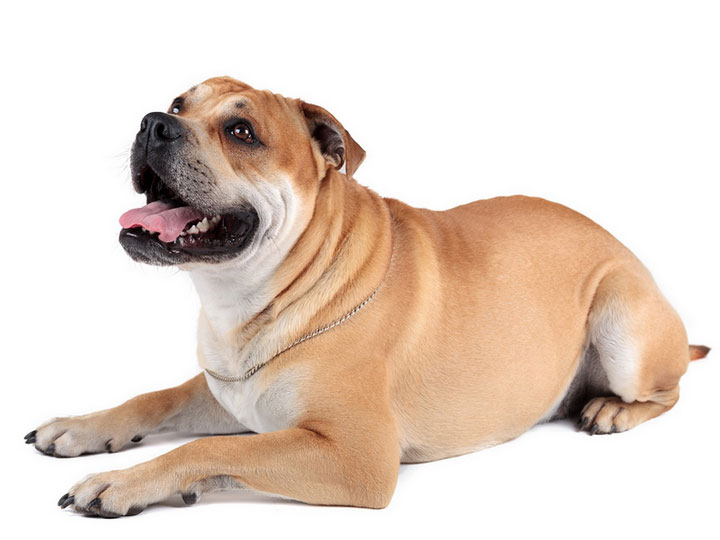
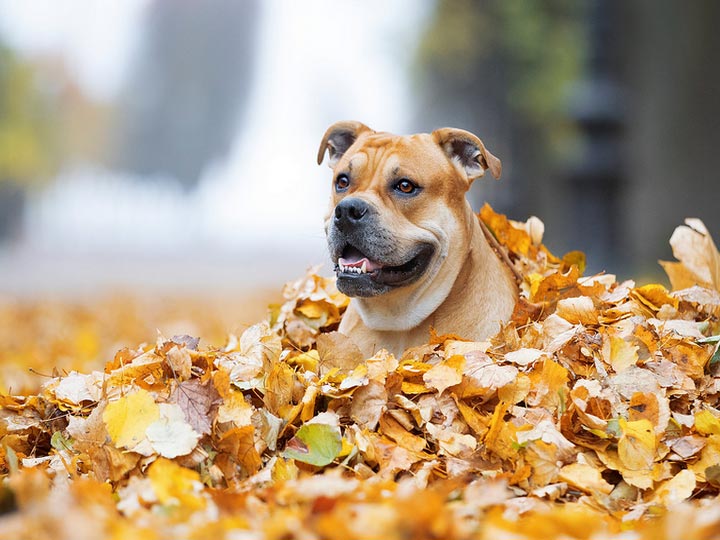
Photos of Ca de Bou puppies, adolescents, and adult dogs

Read also:


Add a comment