
What type of dog are they?
Many owners of four-legged friends don't think about what species their dogs belong to. Cynologists and biologists can answer this question. According to scientific classification, dogs, regardless of breed, belong to the domain Eukaryota, kingdom Animalia, subkingdom Metazoa, phylum Chordata, class Mammalia, order Carnivora, family Canidae, genus Wolf, genus Wolf, and subspecies Canis. Male canines are called dogs, and females are called bitches.
Scientific classification
Since 1758, domestic dogs have been scientifically known as Canis lupius familiaris linnaeus. It was then that the Swedish naturalist Carl Linnaeus identified them as a separate species. However, in 1993, the American Association of Theriologists and the Smithsonian Institution reclassified these animals and designated them as a subspecies of wolf (Canis lupus).
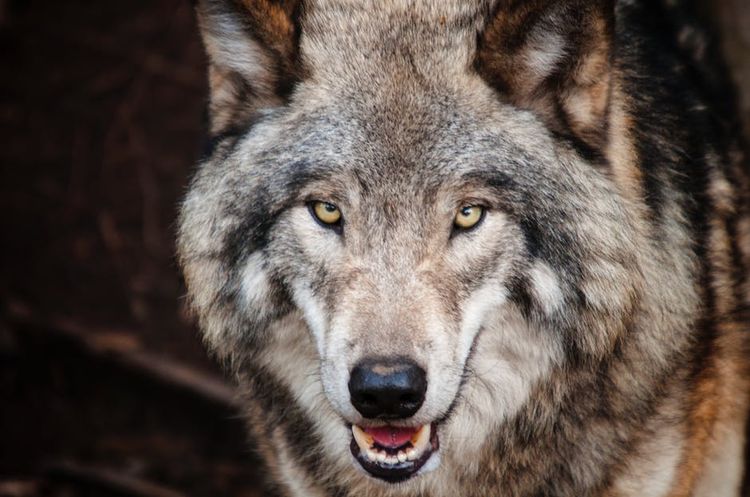
Related animals are grouped into families, orders, and classes. If we consider which class and family dogs belong to from a zoological perspective, and what other animals are included in this classification, we can say that they belong to the same class as humans—placental mammals. This class includes all animals that give birth to their young in a placenta and feed their offspring with milk. The canine family also includes such wild animals as wolves, foxes, jackals, coyotes, dingoes, and Arctic foxes.
There are other members of the canine family that resemble dogs only in appearance. They have unique anatomy and habits and lead a distinct lifestyle. These include bush dogs, which resemble miniature bears; raccoon dogs, which resemble raccoons with a dark mask on their faces; large but peaceful African wild dogs; and red wolves with their distinctive fur color.
Man's true friend
Dogs are domesticated animals, and their species is most often referred to as canids. Along with cats, they were domesticated many centuries ago. Domestic dogs are descended from wolves. However, since these predators have a ferocious nature, they were crossed with less aggressive jackals. This is how the first breeds were developed.
Throughout history, dogs have been considered companions, helpers, and man's best friends. Initially, these animals helped people hunt and guard their homes, then learned to herd livestock and pull sleds. Today, they serve as bodyguards and guide dogs, track criminals, and help search for people trapped in avalanches. Toy breeds brighten up their owners' leisure time and are considered members of the family.

Almost all dogs, except fighting dogs, are distinguished by their friendly nature, easy trainability, and social behavior. With proper training, they recognize their owner as their leader, obey them unquestioningly, and are also protective of small children.
Breeds
In nature, it takes millennia for new animal species to emerge. When a member of a species develops a new trait useful for survival in the wild, it is passed down from generation to generation, becoming increasingly entrenched each time. Once a sufficient number of certain traits have accumulated, a new species emerges.
There are several theories about the origin of domestic dogs. Most scientists believe they are related to wolves and some jackal species. However, dogs descend from various wolf subspecies. Scientists believe that the ancestor of large dogs such as likes, shepherds and others, was the common gray wolf, and the ancestor of poodles, terriers, hounds and greyhounds was the smaller Indian wolf.
Humans subsequently modified dogs, creating many different breeds, both large and small. Artificial selection occurs much more quickly than natural selection. The desired trait is then expressed much more strongly than in the original species.
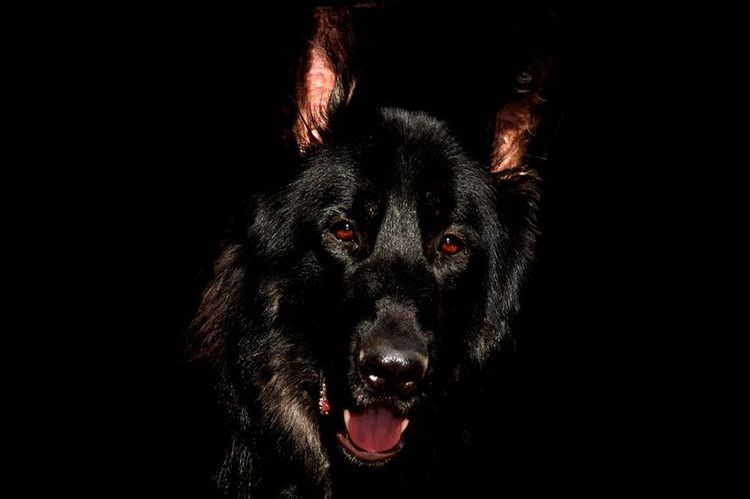
There are approximately 400 domestic breeds known worldwide. They are generally divided into four groups:
- hunting;
- service;
- decorative;
- riding.
Each breed has its own unique characteristics. Hunting varieties include greyhounds, which have strong jaws and excellent eyesight; scent hounds, which have a keen sense of smell; terriers and dachshunds, which are used for hunting; and pointers and spaniels, which help hunt birds.
Among the service breeds we can name: Dobermans, Great Danes, Boxers, and Bulldogs. Service and rescue dogs include St. Bernards and German Shepherds, which are distinguished by their high intelligence and trainability.
Decorative breeds are calm and cute. These include pugs, poodles, Pomeranians, lapdogs, and others. small breedsThey are often called pocket dogs, but they are excellent companions.
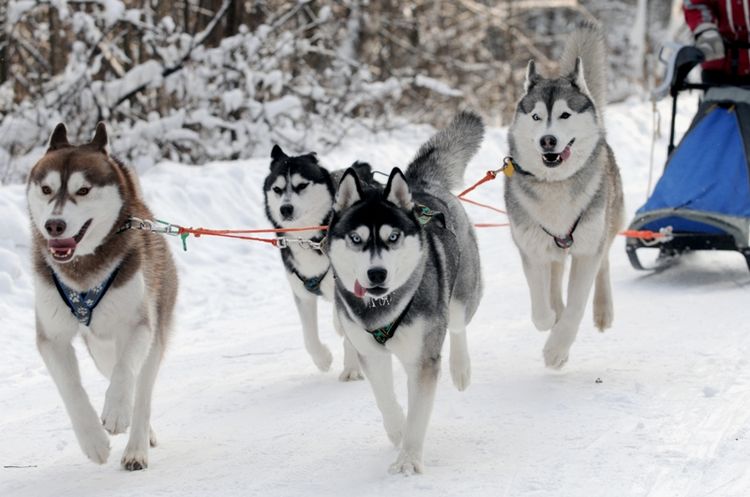
Also worth mentioning are the dogs that residents of the Far North use to pull horse-drawn vehicles. Laikas and their varieties, such as huskies and MalamutesThey are distinguished by their endurance, thick fur and strong legs.
When deciding to get a puppy, keep in mind that it's a major responsibility. To ensure a healthy, intelligent, and non-aggressive dog, it needs proper care, feeding, walking, and training. Sometimes, irresponsible owners let their pets out onto the streets, where they join packs of feral dogs that roam the streets, feed on garbage, and sometimes even attack people. This suggests that the dogs' wild animal instincts, accustomed to fighting for their very existence, are awakening.
Read also:
- The World's Cutest Dogs: Top 10
- The World's Angriest Dogs: Top 10
- The most loyal and devoted dog breeds – top 10


Add a comment