
Ivermectin for cats
Ivermectin is an affordable and effective medication used for cats infected with external parasites. It is available in several forms, allowing pet owners to choose the most appropriate and convenient option.
Content
General description
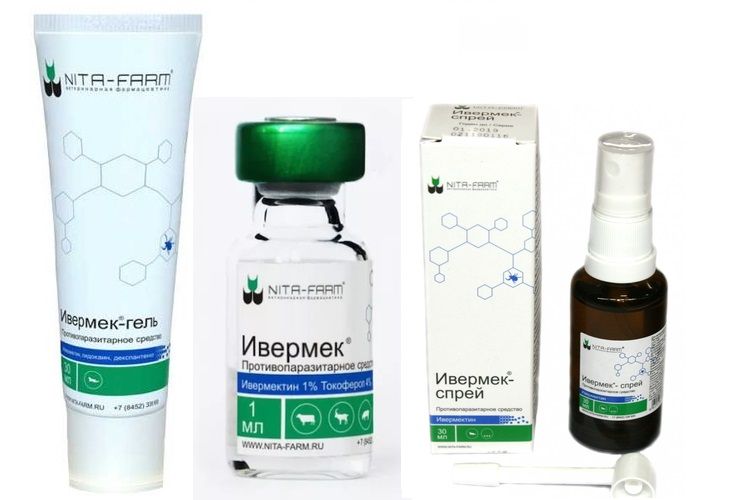
Ivermectin is available in pharmacies in the following dosage forms:
- injection solution;
- gel;
- spray.
The solution is used for injections, while the aerosol and gel are used for topical treatment. Although the dosage forms are used differently, the active ingredient in both is the same. The antiparasitic effect is due to the presence of ivermectin.
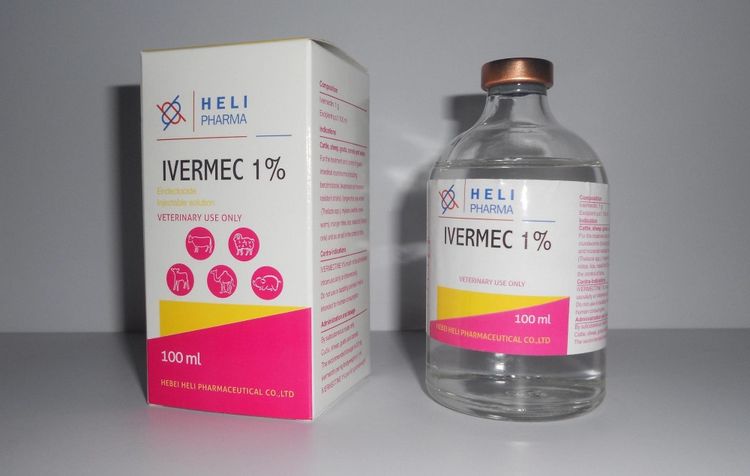
The injection solution appears as a clear, colorless or light yellow liquid. It is typically packaged in glass vials of varying capacities. 20 and 100 ml bottles are most commonly sold in pharmacies. For cats, it's best to purchase the smaller vials, as the medication has a shelf life of only 42 days after opening. Purchasing a larger vial for smaller animals can be a waste of money.
The spray is available as a colorless liquid, although a light yellow tint may also be present. The medicinal liquid for external use is packaged in bottles with spray heads, making it easy to use.
The gel is water-based and light yellow in color. It is packaged in polymer tubes, which can hold 10, 20, or 30 ml. No special storage conditions are required, but once opened, the product is only suitable for use for 60 days. Since the medication should not be used after this period, it is best to attach a sticker with the opening date.
Pharmacological action
Ivermectin contains ivermectin, which has antiparasitic properties. This action covers virtually all types of ectoparasites (ticks, fleas, etc.), as well as roundworms that infest the gastrointestinal tract and other organs. Ivermectin's effectiveness is due to its action on the nervous and muscular systems, preventing parasites from surviving.
When administered as an injectable solution, the active ingredient enters the bloodstream, spreading throughout the animal's organs and tissues. The therapeutic effect lasts for 10-14 days. The injectable solution also contains tocopherol or vitamin E, which improves the absorption of the main component and accelerates its distribution throughout the organs and tissues.
Important! The active ingredient is considered a highly toxic and dangerous substance. Ivermectin contains a low concentration of it, so the drug is considered safe for animals. To prevent harm to animals, strictly adhere to the dosage.
When using a spray or gel, the active ingredient does not penetrate the bloodstream but remains on the skin's surface, so they are used only to combat external parasites. These formulations also contain panthenol or derivatives of panthenol acid. These substances improve tissue regeneration. They not only accelerate skin healing but also have an anti-inflammatory effect.
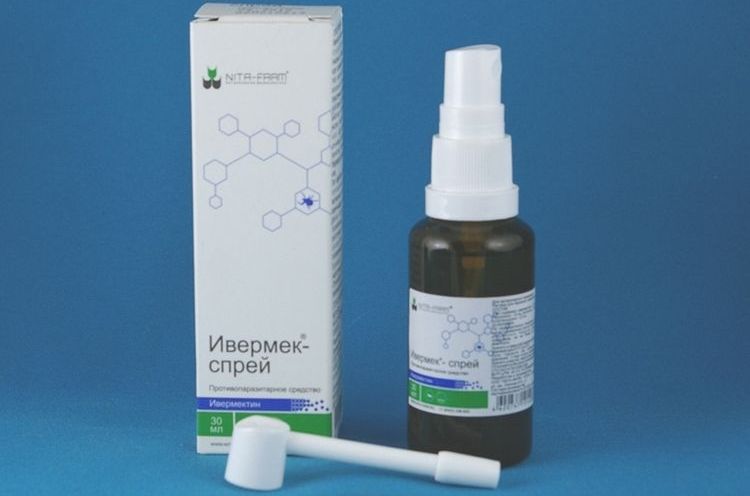
The gel and aerosol also contain lidocaine, a local anesthetic. It effectively suppresses pain and also has an antipruritic effect. When used topically, Ivermectin not only kills parasites but also relieves unpleasant symptoms. The spray also contains chlorhexidine, which has anti-inflammatory and antibacterial properties. This substance reduces the risk of complications such as inflammation and purulent processes.
Price
The price of Ivermectin for cats depends on the dosage form. A 20-milliliter bottle of solution costs over 120 rubles. A tube of gel starts at 400 rubles, and the spray starts at 310 rubles. The medication is sold both online and in regular veterinary pharmacies, so purchasing it is easy.
When used
The injection solution is used for cats with helminthic infestations caused by roundworms:
- for toxascariasis;
- in toxariasis;
- with hookworm;
- with uncinariasis.
All forms of Ivermectin are used to treat external parasitic infestations. The medication is successfully used to treat the following conditions:
- notoedrosis;
- demodicosis;
- otodectosis;
- sarcoptosis;
- psoroptosis.
For cats, this medication is used for therapeutic purposes only. For preventative purposes, a less toxic medication should be chosen.
How to apply
The use of the drug directly depends on its dosage form. Before use, consult a doctor to avoid possible side effects and complications.
Injections
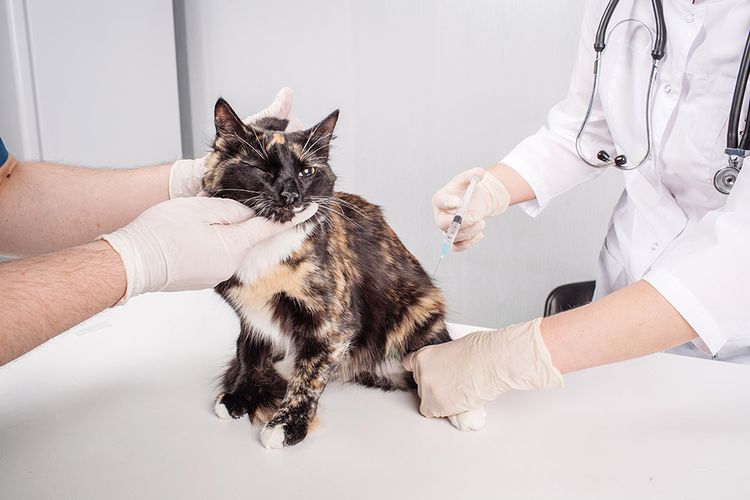
Injections of antiparasitic agent should be done intramuscularly, preferably in the hind leg thigh. Insulin syringes with a thin needle should be used for injections. When administering the injection solution, aseptic technique must be observed. Be sure to use sterile syringes and clean the injection site with rubbing alcohol. One injection is usually sufficient to completely eliminate the parasites, but in severe infestations, a repeat injection may be necessary after 10 days.
The dosage is calculated as follows: 0.2 ml of solution per 10 kg of body weight. It is important not to exceed the prescribed dose. Since calculating the exact dose for small animals is difficult, the solution is diluted with water for injection.
Because ivermectin is highly toxic, it can have a negative impact on the liver. To prevent possible adverse effects, hepatoprotectors or herbal liver medications are additionally prescribed.
Spray and gel
Treatment of an animal in the presence of ticks, fleas and other ectoparasites is carried out in the following sequence:
- Cleanse the affected areas of any scabs or crusts. A special cleansing lotion can be used for this purpose.
- Next, apply a thin layer of the medication. The aerosol should be sprayed from a distance of 10-15 cm from the skin. Do not spray near the eyes or mouth. Apply the medication to your rubber-gloved fingers and then rub into the affected areas.
- At the edges, you need to capture 1-2 cm of healthy skin.
- The animal should be fitted with a neck collar to prevent it from licking the medication. Ingestion of the medication should be strictly avoided. If there is no collar, restrain the pet until the medication dries (is absorbed).
The instructions for use indicate a dosage of 0.2 ml per 1 kg of body weight for Ivermectin spray and gel. The procedure is typically repeated several times at intervals of 3-5 days. If the mite infestation is extensive, treatment is performed in two stages: one day, the product is applied to one side, and the next day, to the other side. This treatment regimen helps prevent overdosing.
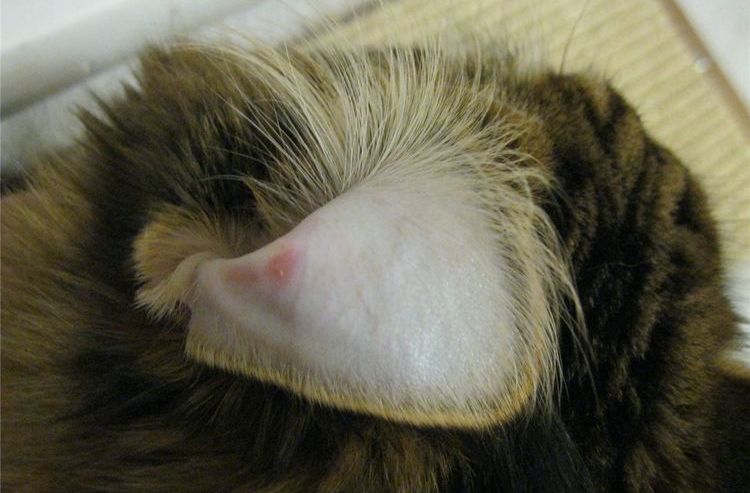
For otodectosis, spray or gel is applied to both ear canals. Scabs are removed beforehand. If the condition is complicated by otitis, anti-inflammatory and antibacterial agents are also used.
Contraindications and side effects
According to the instructions, Ivermectin is not used for weakened or sick cats. Its use is also contraindicated in the following cases:
- during pregnancy;
- when feeding offspring;
- for infectious diseases;
- in case of intolerance to the components.
It is strictly forbidden to use antiparasitic medication on kittens under 12 weeks of age. If your cat has liver disease, consult a doctor.
Ivermectin is well tolerated by animals if the dose is not exceeded. Overdose may cause the following symptoms:
- increased saliva production;
- lacrimation;
- vomit;
- muscle tremors.
Involuntary urination and defecation may also occur when using the solution. No special measures are required, but further use of the medication should be discontinued.
Owner reviews
Marina, volunteer:
"Most people pass by cats on the street covered in scabs, meowing and begging for help. I'm part of a volunteer group in our city. We've been using Ivermectin solution for treating scabies in cats and dogs for a long time. It's an excellent treatment. It's inexpensive, but it helps rid the animal of parasites in just two injections. The fur grows back quickly."
Alla, the owner of a Scottish cat:
"We were prescribed Ivermectin for demodicosis. The cat developed an intolerance to the medication. After two hours, she began vomiting heavily and continued until the evening. We had to throw the medication away, and the vet recommended a different treatment."
Veterinarian Reviews
Antonina Mikhailovna, a veterinarian with 16 years of experience:
"Ivemek is a proven and effective drug, although it can cause serious poisoning if used incorrectly. I typically use it on cows, bulls, and horses, but it's also sometimes prescribed for cats when other medications are ineffective. Compared to other medications, it's inexpensive."
Dmitry, a veterinarian with 9 years of experience:
"Ivermectin is a highly toxic and dangerous medication for cats. I never prescribe it to small animals. Why risk your pet's life when pharmacies are full of safe medications? I've seen several cases where animals were nearly brought back from the brink of death due to poisoning from this medication."
About the manufacturer of the drug: video
Read also:




30 comments
Elena
Hello. Please recommend an anti-parasite medication for small kittens. The kittens initially had a virus, sneezing, and watery eyes. They were given injections and antibiotics, but now they have small, flat worms. I'm afraid of Ivermectin.
Daria is a veterinarian
Hello!
For kittens, you can choose combination medications in the form of suspensions or tablets with active ingredients such as milbemycin or praziquantel. These medications are administered strictly by weight, so it's essential to weigh your pet before administering.
Wishing the little tail a speedy recovery!
VALENTINE
Good afternoon? What else can I take to treat my cat's scabies besides this injection? My stray cat has already scratched his head... Bumps have appeared under the skin on his back along the spine... He's slightly bald in two spots. I feel sorry for the cat, I'm feeding him, he's in love here with a beautiful cat, he's clearly a lost cat... This is a big problem!!! It's a painful death, brrrr (I'm allergic to dust), and crows will still eat him alive. A friend told me this happened in their yard, but she couldn't catch him. Mine is a friendly cat... Thank you!
Daria is a veterinarian
Good afternoon
This type of mange can be caused by many factors, the most common being an allergy to flea saliva or otodectosis (ear mites). It will be difficult to help without an in-person examination by a veterinarian, but I'll try to give you some advice on how to help your cat.
In this case, Ivermectin alone won't help. Such lesions require a comprehensive treatment. If you're treating a cat, the most important steps are:
1. Put on a collar to prevent the cat from scratching its head. As the wounds heal, scabs form, which causes itching. It becomes a vicious cycle. Therefore, the most important thing is to prevent further scratching.
2. Treat all crusts with warm 0.9% sodium chloride. This means softening and removing any crusts. Then apply Levomekol ointment to the cleaned wounds. This ointment contains a topical antibiotic and will speed healing.
3. Inspect the ears. If there's a lot of dirt inside the ear canal, which is often the case with stray cats, the ear canal needs to be cleaned. This can be done at home. Cleaning cats' ears is done the same way as cleaning humans: fill a syringe without a needle with warm 0.9% sodium chloride (available at most pharmacies) and pour it into the ear canal. This will flush out the dirt. Don't clean with cotton swabs! You can damage the ears or push dirt deeper. If the ears are dirty and not cleaned, deworming treatments, including injections, are pointless. Water getting into the ear isn't a problem either; cats are very good at shaking their heads to get rid of water.
If your cat is lucky and their ears are clean, all you need to do is treat them for parasites. If you're having trouble cleaning them, it's best to take them to a veterinarian for a thorough cleaning, and then simply maintain them.
According to recent data, Ivermectin is quite toxic, and leading dermatologists do not recommend its use. Therefore, going forward, I recommend using SelaFort drops every 3-4 weeks. This is a comprehensive treatment for the withers, which combats the most common parasites (including ear mites). You can also use Insektal (a budget-friendly flea drop). However, if possible, consider regular treatments such as Advocate and SelaFort.
This disease cannot be completely cured, but can only be prevented by regular treatment with drops on the withers against parasites (once every 3-4 weeks).
I hope I was able to help you with your question.
Wishing the cat a speedy recovery!
Anastasia
Hello, could you recommend the best injection for scabies mites? Ivermectin is toxic.
Natalia
Hello. Can I give my cat Iversect for subcutaneous parasites? If I don't have anything else at home.
Daria is a veterinarian
Hello! This medication is calculated based on your pet's body weight, strictly in milligrams of the active ingredient. Do not administer randomly. 0.2-0.3 mg of the active ingredient (not the medication itself) per 1 kg of body weight. Inject subcutaneously every 2 weeks for 6-8 weeks. You are solely responsible for any adverse reactions (including overdose). Please observe aseptic and antiseptic precautions when administering the medication. Use an insulin syringe, as the doses for a cat will be minimal.
Laura
Hello. Am I correct in understanding that I can treat my cat's ear mites and notoedric mange with just Ivomek? So, is there no need to buy an additional ear medication?
Daria is a veterinarian
Hello! Yes, the active ingredient in this product is designed to kill scabies mites, as well as nematodes (tapeworms that parasitize the gastrointestinal tract or lungs). However, although the active ingredient is not dangerous for warm-blooded animals, the dosage must be strictly based on the animal's body weight. It is not recommended for weakened or emaciated animals, pregnant or lactating animals, or very young animals (under 7 weeks of age).
Olga
Hello!
Ivermectin is very helpful in combating scabies in stray cats that cannot be taken home.
We feed, water, treat for fleas, deworm, sterilize...
I'm afraid of getting the dosage wrong myself. So, this is usually how it works: I catch the cat and take it to the vet (thankfully, the clinic is just a stone's throw away). They weigh it, give it an anti-scabies shot, and then let it out into the yard. We repeat the process if necessary.
Olga
SOS, people, I don’t know where to turn anymore, my cat is young, and will die young, if you don’t help, on May 27th of last year I took him from the beach about 2 months ago, both of them, I gave one away, they didn’t take this one, the cat has not been outside since then, he was a domestic cat, he somehow got sick, ate something wrong, they treated him for 1000 rubles and left, but at the vet clinic, there is nowhere else, we picked up both a tick and a lichen fungus at once, and we also had black snot all our lives, but we never had ear mites, his ears were clean, though we did everything we could to get rid of fleas, they grew in size on him, but I bathed him once every 7-14 days with anti-flea, in short, I see the cat is going bald, and in our family we have 1-3 lichen on each of us.
It's brutal, we were kicked out of school and kindergarten, we barely recovered, but it's not a ringworm, we hope, but that's not a fact, we are still being treated, it's progressing, the cat's whole apartment is covered in his hair follicles, you can't pick him up, fluff flies everywhere, this fluff is everywhere, and the cat is looking for new places in the apartment, I'm already thinking about euthanasia, I gave 3000,000, but it's no use.
They all write about these vaccines before poultices on the Internet, but they recommended them to me and stinkers, nothing helps, neither Vakderm, nor Polivak, I don’t know if it is possible to use Ivermek with a week interval, now I couldn’t inject, probably God forbade, I broke 2 syringes, gave up the idea, I drip in the ears, he doesn’t like it, I smear the ointment, he’s very clean, he licks everything even through a funnel-collar, a phenol-free stinky liquid, nothing helps, a bald cat with old skin, as the guy wrote, walks, on the nose there are green mushrooms burning, that is, and ringworm, apparently in the nasal part, that’s where it came from, and scabs from ticks everywhere on the bald head, paws
Daria is a veterinarian
Hello! Regular clinics haven't used ringworm vaccines for a long time. They don't administer them even after a week. There should be a 10-14 day break between injections once the injection has been decided. First, deal with the mite. Ringworm, if you have a strong immune system, can clear up on its own in a month or two. There are plenty of commercially available neck drops that combat both intradermal and external mites, helminths, and ear mites. A single product can solve a ton of problems. Don't try to use everything at once. Everything should be systematized. Ideally, if your cat is already losing fur in clumps, simply shave it. Wash it with an antifungal shampoo, any human shampoo, even one from a pharmacy. Apply the drops to clean skin. After 14 days, repeat the neck drops, after washing it again with an antifungal shampoo. Zoomikol spray is available for the affected areas. Such cats may be prescribed antifungal tablets orally for a 30-day course. But first, remove the tick, so that the animal’s body does not “rush” to solve various problems.
Irina
So, how do you treat ringworm? We always spray BARS for ear mites, twice, 10 days apart. For ringworm, take Fluconazole capsules orally, also every 10 days, and apply it topically. Try Terbinafine ointment. What have you used for your own treatment? And the same.
Irina
And why do you think the cat infected you? You could very well have been the source. Why put him down?
Rita
First of all, Ivermectin is for ticks, which make them bald and weaken the immune system. Ringworm is easily treated by rubbing it with cigarette ash. It's very simple if you don't let the disease get worse. Just don't overdose on Ivermectin; repeat after 14 days. And all the ailments will disappear at once.
Eve
Hello! Please help me calculate the dosage of ivermectin 1% for a 3 kg cat.
Daria is a veterinarian
Hello! The average dosage for cats is 0.2-0.3 mg of active ingredient per 1 kg of body weight. A 1% solution contains 10 mg of active ingredient per ml of solution. Based on a body weight of 3 kg, the single dose is 0.6-0.9 mg of active ingredient per animal. We calculate the following proportions:
10 mg – 1 ml
0.6-0.9 mg – x ml
From here, you need to administer 0.06–0.09 ml of 1% ivermectin per 3 kg cat. Use an insulin syringe! But be aware of the side effects. Weigh the potential harm against the benefit. Wouldn't it be easier to replace it with something safer?
Vladimir
I've lost count of how many times we've treated cats. There was an overdose, and the cat walked around like he was drunk. Before Ivermectin, they were simply dying out. There was a time in the early 90s when there weren't any cats in the village; their faces would swell and become covered in scabs from scabies. Ivermectin is the only thing that helps.
Daria is a veterinarian
Hello! Strict adherence to the dosage is essential with this medication. Previously, it was administered because there were no safer alternatives. In the 1990s, I'll let you in on a secret: cats with microsporia (ringworm) were euthanized! In the 2000s, vaccinations (Vakderm, for example) were already being offered as treatment. Currently, even vaccinations are no longer used; treatment regimens with antifungal medications are already in use. What I'm saying is that ivermectin is used extremely rarely for small pets, only when the veterinary pharmacy is empty and there are no safer options (for example, in remote villages and small towns, by collective farm doctors, or by "old-school" doctors).
Sveta
Ivermectin and Ivermek are only for cattle; they are poison for cats and dogs.
Alla
Don't administer this poison to cats; don't repeat my mistake. The dose was calculated correctly, as directed. But after the injection, the kitten refused to eat, began vomiting first the contents of his stomach, then bile, and died two days later. Detoxification therapy was completely ineffective.
Marina
Ivermectin is contraindicated for kittens!!!
Alexander
My cat has an advanced case of scabies mite, 2 months old. There are even patches of almost bare skin. He licks and scratches constantly, to the point of scratching. His fur is turning brown in places and looks like old fur. We went to the clinic, but they didn't find anything externally. I started digging online... I accurately identified the mite based on the signs and type. The pills are expensive. At the clinic, they gave him one subcutaneous injection in the withers, prescribed four 0.12 ml doses, to be administered 10 days apart. The injection costs 250 rubles. I found Ivermectin 1 ml (4 doses) at another clinic for 50 rubles. I do it myself. My cat weighs 4 kg and has no side effects. He has a complete deworming. The dose in an insulin syringe is 1.2-1.4 = 6-8 mm. A 1ml bottle is for 50(!) kg, 0.1ml for 5, but in practice, they inject 1.2ml (2 drops). An opened bottle has a shelf life of a month, so I doubt the freshness of the first injection. You know your own...
Daria is a veterinarian
Hello! Diagnosing based on online articles is a bit of a stretch. The risk of error is high. Yes, ivermectin is good for demodicosis. But don't forget about individual intolerance to this drug. It's not suitable for all breeds. And when the dog is a mixed breed, and there's no way to be 100% sure there are no susceptible breeds in the family, the risk increases dramatically (if the dog has an intolerance gene, the animal could die from such treatment). Therefore, it's better to administer it in a clinic to quickly relieve the allergic reaction. Otherwise, it's wonderful to have one more healthy pet =) Don't get sick anymore ))
Galina
Hello, I can't calculate the dose for my 4 kg cat. The internet says 0.1 ml per 5 kg. I've already given him two injections, and the fleas are still running around.
Daria is a veterinarian
Hello! Well, the injectable medication works best against intestinal and intradermal parasites rather than against fleas, lice, and other skin pests. For these bloodsuckers, it's better to use sprays or drops applied to the withers. There are much more "gentle" medications that are highly effective. Ivermectin is administered with an insulin syringe to avoid drawing up more than necessary. Wash your pet with flea shampoo, apply drops to the withers, and, to be on the safe side (especially if your pet goes outside), put on a collar. And wash everything in your home with a special flea repellent.
Rinat
Hello. I took the Ivermectin injection according to the instructions. The first day was fine, no side effects, but on the second day he started swaying around like he was drunk. Should I be alarmed?
Daria is a veterinarian
Hello! Cats are very sensitive to medications of any kind. Many are contraindicated for them and can lead to toxicity. Overdoses are also common. If you notice any unusual changes in your behavior or well-being after self-administering a medication, it's best to seek medical attention for peace of mind. This could be toxicity due to the death of parasites. However, it's also possible that the medication itself is at play (either due to an overdose or an individual intolerance, which can happen).
Zilya
Hello, my cat also scratches her entire body, especially her ears, until she bleeds. They couldn't find anything at the clinic, and what they prescribed didn't help. She had ear mites as a puppy, but her ears are clean inside. Could you please tell me again how many days you did this?
I also have Ivermectin in injection form. Can I just use it to treat my ears?
89274297084
Zilya.
Can any doctors recommend anything? I've had all the tests done and they say I have a food allergy.
Daria is a veterinarian
Hello! Get a complete blood count (leukogram). Check your eosinophil count. They increase with allergic reactions and parasitic diseases. Next: when and with what was the animal treated for fleas and ticks? What is included in the diet? List the entire diet, including treats, supplements, and table scraps. Have you changed the diet? Mono-diets are usually prescribed for 6-8 weeks, then one new food is introduced at a time.
Wait about 2 weeks. No changes or signs of allergy? Great, a new taste. Did it appear? Eliminate this product and return to the mono-diet. Or the easiest option is hydrolyzed prepared food for allergy sufferers (I fed my cat Hills z|d for a very long time). A diagnosis like "food allergy" isn't made so quickly. Remove any food containing poultry. Anything containing dyes, too.
Add a comment