
Icelandic Sheepdog
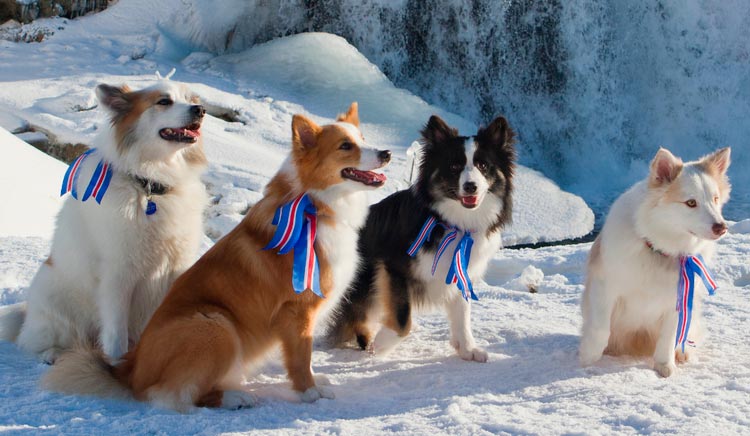
The Icelandic Shepherd is a small, fluffy shepherd with an inviting smile and a lively personality. It possesses all the qualities needed to be a good shepherd and companion. It's surprising that this breed hasn't yet become fashionable and popular.
Content
History of origin
The Icelandic Sheepdog was bred in Iceland to herd and guard livestock, as well as to gather and find lost sheep. Its appearance is similar to Finnish Spitz or Norwegian BuhundToday it is popular as a companion dog.
The Icelandic Sheepdog is believed to have descended from Viking dogs who arrived on the Scandinavian island around 800-900 AD. Over the following hundreds of years, only a limited number of dogs entered the country, and in 1901, their import was banned altogether. This allowed the Icelandic Sheepdog to remain virtually unchanged since the 9th century.
In the early 20th century, Englishman Mark Watson, who regularly visited Iceland, took several dogs to California for breeding. This raised concerns among the Icelanders, but they were unable to do anything other than begin targeted breeding. In 1969, the National Kennel Club was founded to preserve the breed, and the Shepherd was declared a cultural heritage of Iceland.
The breed was recognized by the Fédération Cynologique Internationale (FCI) as early as 1972. In 2010, it was registered by the American Kennel Club (AKC).
Video about the Icelandic Sheepdog dog breed:
Appearance
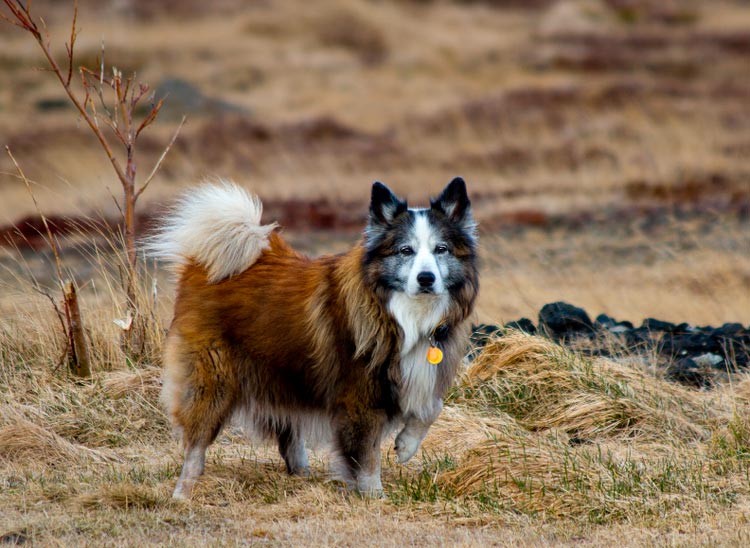
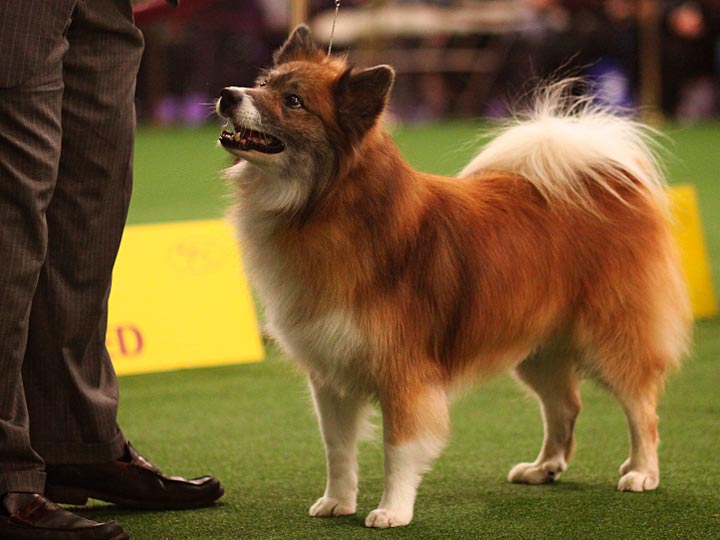
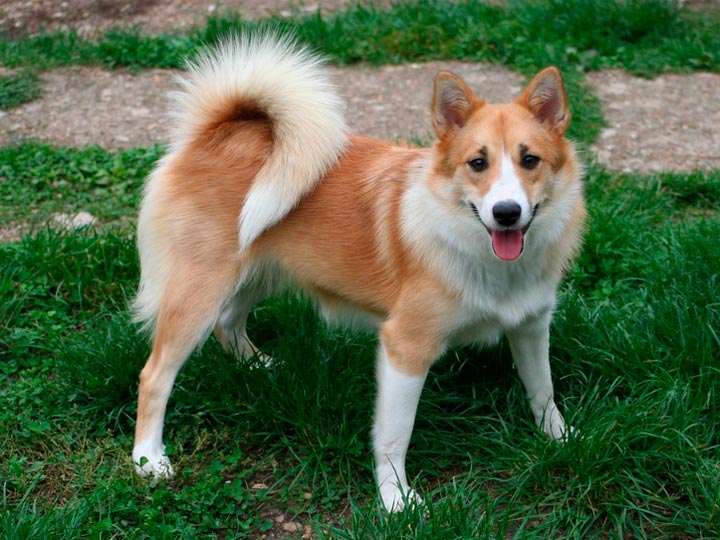
The Icelandic Sheepdog is a Spitz-type dog with a slightly elongated build, pointed ears, a contented, intelligent expression, and a curled tail. Height is slightly below average, with males standing at 46 cm (18.5 in) and females at 42 cm (16.5 in). Weight ranges from 11 to 14 kg (25 to 30 lbs). Sexual dimorphism is very pronounced.
The breed is divided into two types: short-haired and long-haired.The skull is slightly longer than the muzzle. The cheekbones are not prominent. The bridge of the nose is straight. The stop is clearly defined but not steep. The earlobe is black, but may be dark brown in cream and chocolate colored dogs. The bite is a scissor bite. The eyes are dark, almond-shaped, and medium in size. The ears are erect, triangular, and medium in size, with slightly rounded tips. The pinna is very mobile, sensitive to surrounding sounds, and is a good indicator of the dog's mood.
The neck is free of dewlap and muscular. The body is compact and rectangular. The depth of the chest is equal to the length of the forelegs to the elbows. The ribs are sprung. The belly is moderately tucked up. The tail is set high, curled, and touches the back. The legs are straight, parallel, strong, and well-angled. The paws are oval and well-knit. The pads are firm and dense.
Dewclaws on the hind legs well developed, double, and on the front ones double or single.
The coat is thick and coarse with a well-developed undercoat. It protects the dog from the elements, sheds profusely, and is water-repellent and self-cleaning. Icelandic dogs come in two types based on coat length:
- Shorthairs have a thick, medium-length guard hair and a soft undercoat. Shorter hair is found on the muzzle, top of the head, ears, and front of the legs. Longer hair is found on the chest, neck, and back of the legs.
- Longhaired cats are distinguished by their longer, dense coat with a soft undercoat. As with the shorthaired variety, the hair on the muzzle, ears, top of the head, and front of the legs is shorter, while the hair on the chest, neck, and back of the legs is longer. The tail's hair length is proportional to the overall coat length.
The red coloration comes in various shades, from reddish-brown to cream, as well as chocolate, brown, gray, and black. One of these colors is dominant and is accompanied by white markings on the skull, muzzle, chest, and tip of the tail, forming white socks of varying lengths and a collar. Light-colored fur covers the throat and underparts from the neck to the tip of the tail. Red and gray dogs may have a black mask, as well as black tips on the outer hairs and sparse black hairs. Black dogs, which are actually tricolors, have white markings and tan markings above the eyes, on the cheekbones, and on the paws. A variegated coloration is permitted: spots of the specified colors are scattered on a white background. White cannot be solid or predominant in the breed.
Character and behavior
The Icelandic Sheepdog possesses all the qualities necessary for a good shepherd and companion. They are intelligent, sociable, playful, very curious, hardy, and non-aggressive. Their alertness and courage make them excellent guard dogs. Many Icelandic dogs have a weak hunting instinct. They are vocal, making them useful for herding livestock, but can sometimes be a nuisance in everyday life. This fluffy shepherd gets along well with children of all ages; they are friendly and caring, but they will not tolerate being hurt.
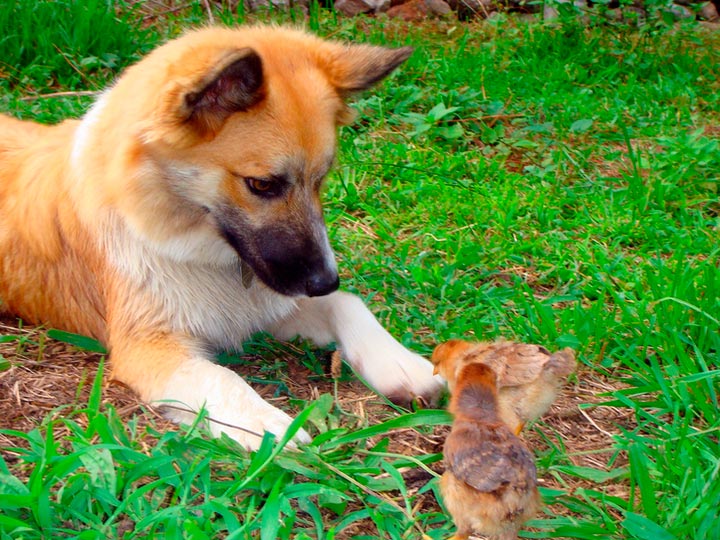
The Icelandic Sheepdog is protective of its family members, acting as a living fence around its territory. It is very protective of young livestock, even going so far as to protect them from predatory birds.
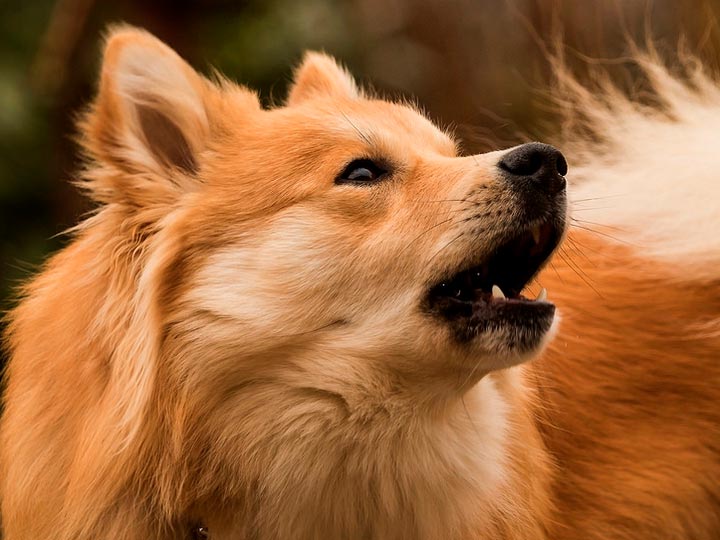
She observes what is happening not only on earth, but also in the sky, which is her characteristic feature.
Education and training
Icelandic Sheepdogs require early socialization, especially for dogs living in the city and who will be exposed to a variety of animals and people. Owners are also advised to take a general obedience course or a guided urban dog training course.
It's worth noting that Icelanders respond better to training using positive reinforcement and do not respond well to harsh punishment, and may become offended or refuse to work.
Overall, the Icelandic Shepherd is a very intelligent and quick-witted dog. It enjoys learning and being the center of attention. It views any activity as a fun way to spend time with its owner. Learning simple commands usually takes 1 to 2-3 days. Subsequently, these commands need to be repeated, reinforcing everything learned. Consistency is key in training and raising a shepherd.
Content Features
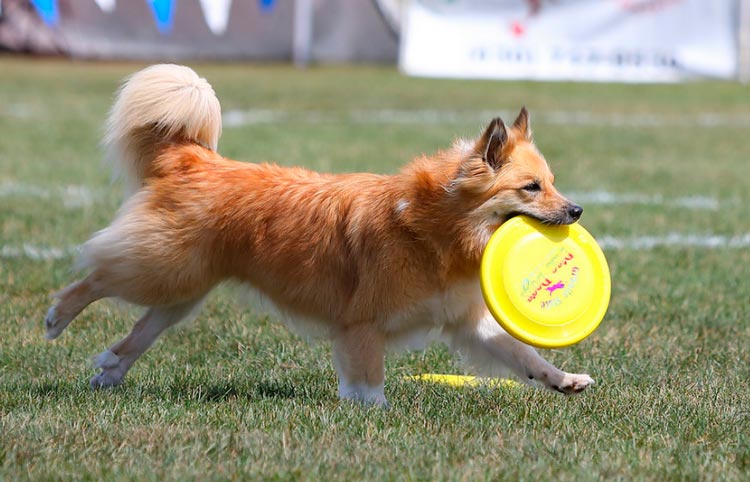
The Icelandic Shepherd isn't the best choice for an apartment. This energetic, hardy working dog requires ample space and ample exercise. Daily exercise and training sessions with its owner will help it stay healthy and happy. This small shepherd will happily accompany its owner on long walks and hikes, can be a jogging companion, and often successfully participates in various sports, including herding, agility, flyball and others.
Care
Icelandic Sheepdogs shed quite heavily, and their coat, regardless of season, consists of both a topcoat and a more or less dense undercoat. During the shedding season, their coat requires more careful grooming. During the rest of the year, brushing once or twice a week is recommended. It's important to prevent tangles and mats on the neck, tail, behind the ears, in the groin, and under the arms.
Grooming also includes nail trimming and ear and eye cleaning as needed. Regular teeth brushing is encouraged to help prevent development of tartarA thorough bath is rarely recommended. Indoor dogs are typically bathed every 2-3 months, while outdoor dogs are bathed 2-3 times a year. Before shows, the long coat is sometimes lightly trimmed, giving the dog a neat appearance. The Icelandic Shepherd should be shown in as natural a state as possible.
Nutrition
Icelandic Sheepdogs eat relatively little. Modern dogs adapt to any type of diet, whether natural or prepared. Their diet follows standard guidelines. Owners note that their Icelandic Sheepdogs love fish and rarely suffer from allergies or digestive problems. However, it's important to ensure these energetic vacuum cleaners don't snatch anything from the street.
Health and life expectancy
The Icelandic Shepherd is considered a healthy breed. Most dogs are healthy and immune. Hereditary diseases are rare in the breed:
- Patellar dislocation;
- Elbow and hip dysplasia;
Average life expectancy is 13 years.
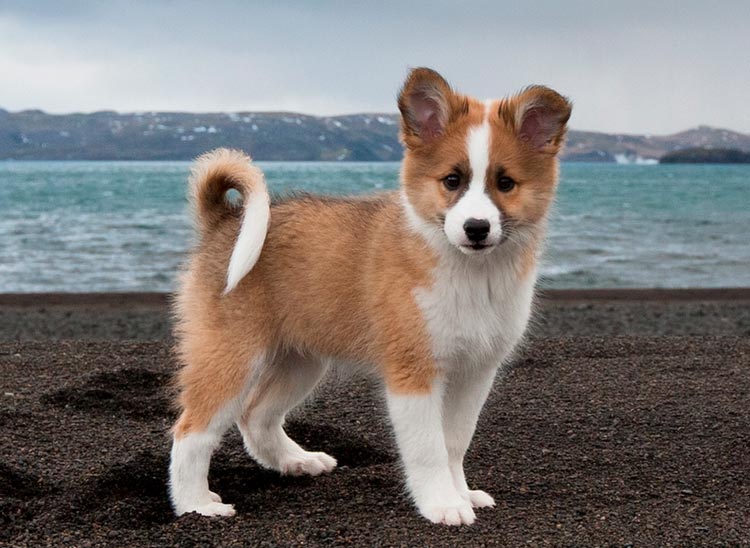
Choosing an Icelandic Shepherd Puppy
As of 2018, approximately 16,000 dogs were registered in 12 countries. The largest populations are concentrated in Denmark, Iceland, and Sweden, respectively.
There are very few Icelandic Shepherds in Russia and the CIS, and only a handful of kennels breed them professionally. Advertisements for puppies for sale periodically appear on Avito and similar sites. Some of these are fraudulent. It's a good thing when people think they actually have a genuine Icelandic Shepherd in their yard, mated with a neighbor's nearly Icelandic dog, and give away the puppies for next to nothing. It's a different matter when scammers use other people's photos of similar-looking puppies and sell them for thousands.
Those who dream of having a friend in the form of an Icelandic Sheepdog of a certain gender and color should consider purchasing a puppy abroad.
Price
Despite being a rare breed, the Icelandic Shepherd is relatively inexpensive, averaging 30,000-35,000 rubles. The price of a puppy in European breeders typically starts at 1,000 euros and depends on the puppy's class, its prospects, and the value of its parents. In addition, you'll need to add the cost of paperwork and transportation to this price.
Photos
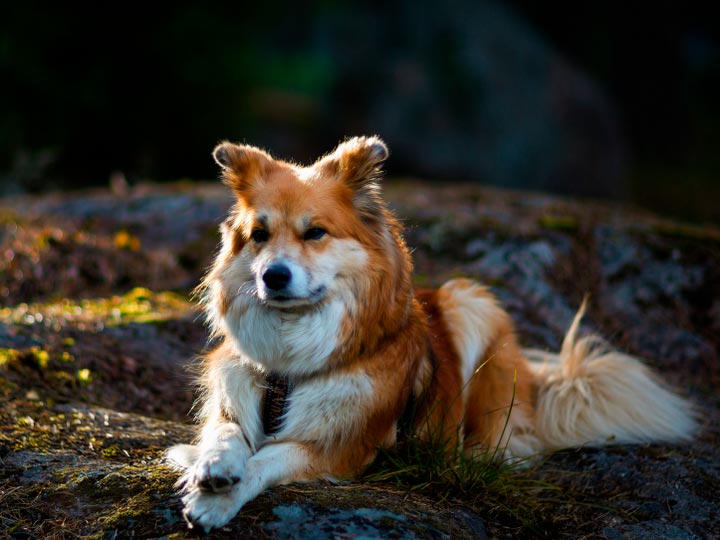
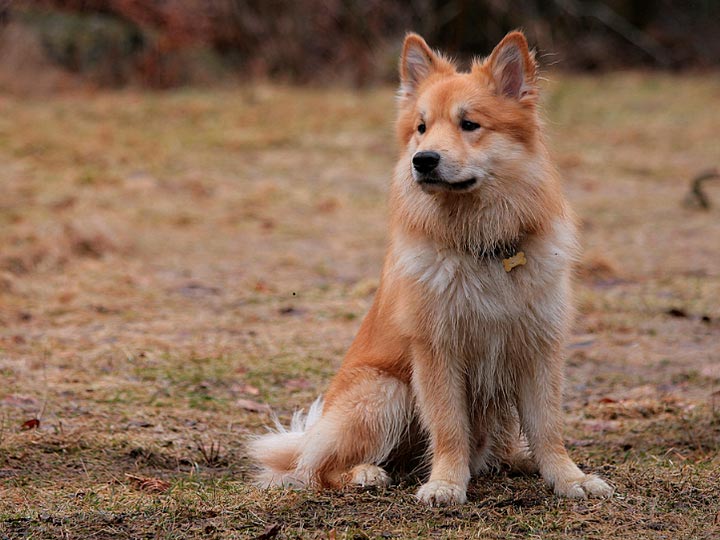
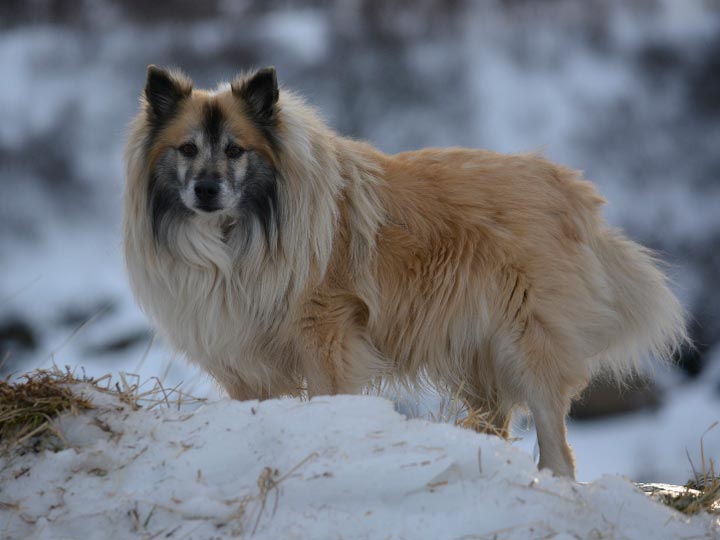
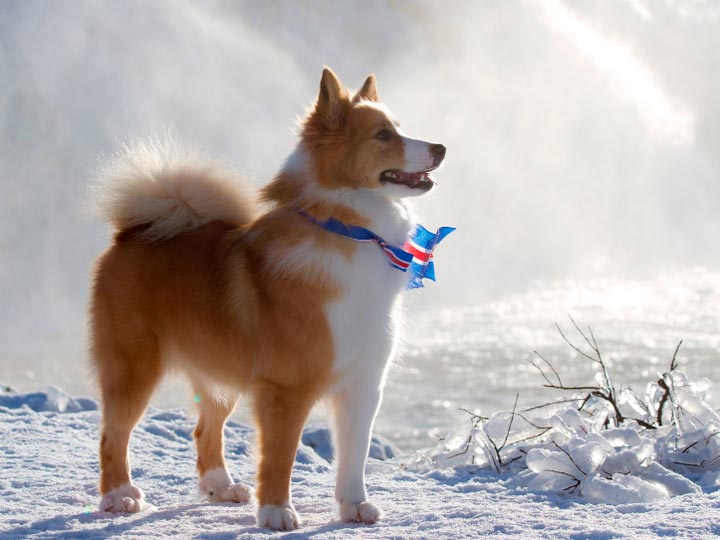
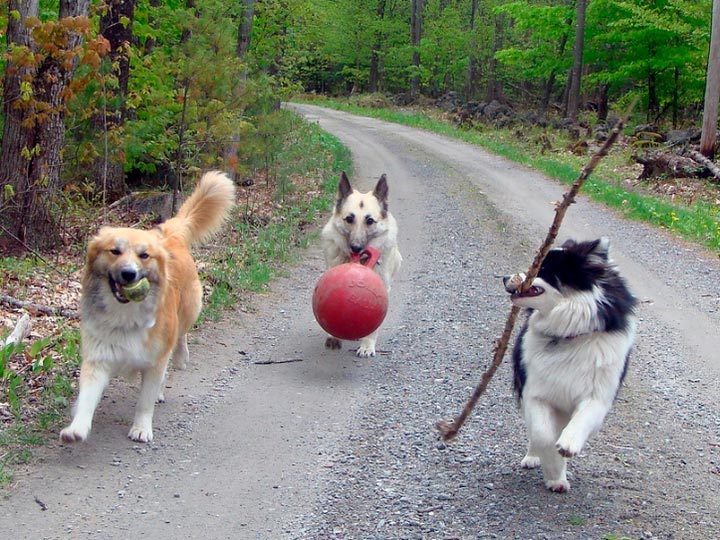
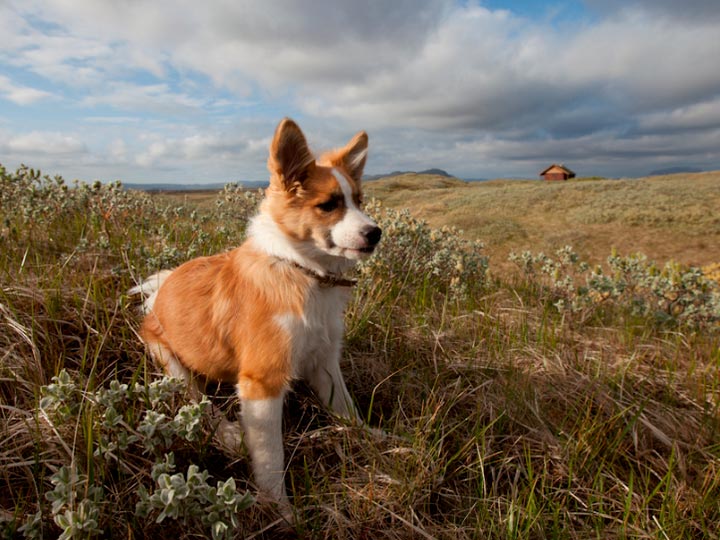
The gallery contains vibrant photos of Icelandic Sheepdogs.
Read also:


Add a comment