
Irish Terrier is a dog breed
The Irish Terrier is a small, harmoniously built and very active dog with an amazing character, in which pride is combined with obedience, and hot temperament with loyalty.
Content
Purpose
Irish Terriers are intelligent, determined, and willful. They were bred as hunters, and they retain all the terrier qualities. They can also perform any other work, including guard duty. Today, they are more often kept as companions, prized for their cheerful disposition and devotion to family.
History of origin
Ireland is home to four terrier breeds, of which the Irish Terrier is considered the oldest. Unfortunately, the available data is so scant that this is difficult to confirm. One theory is that the breed descended from the Irish Wolfhound, but modern genetic research indicates a closer relationship with the Black and Tan Wirehaired Terrier, which was developed in England in the 18th century.
Until the late 19th century, Irish terriers were bred only by farmers and artisans. They hunted foxes and badgers with these dogs, and their daily job was to hunt rats. Later, they began to be used to guard homes and flocks. In 1870, the breed was officially recognized. Irish terriers began appearing at shows and were enthusiastically received. In 1979, the first breed club was established.
.png)
Appearance and standards
Irish Terriers are strong, well-proportioned, medium-sized dogs. Height: 46 cm. Males weigh 12.5 kg, females 11.5 kg.
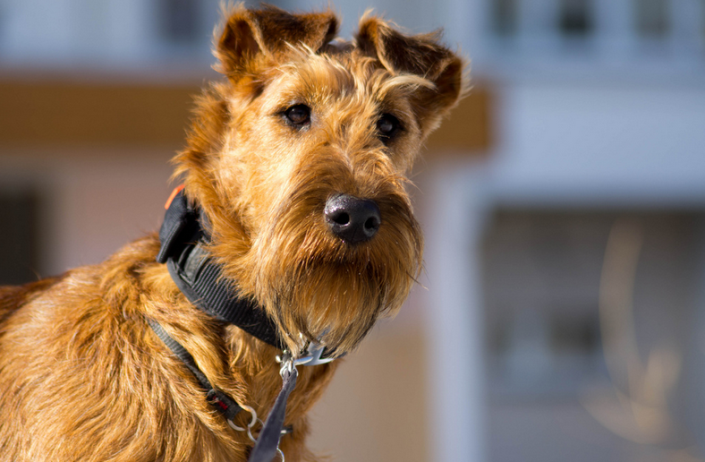
The head is proportionate to the body, slightly elongated. The jaws are long. The bite is scissor-like. The eyes are dark brown. The nose is black. The small, triangular ears are set high and droop. The neck is medium in length, without dewlap, and widens toward the shoulders. The back is straight and short. The loin is slightly arched and muscular. The tail is set high and may be docked at a quarter. The limbs are medium in length, muscular, and straight.
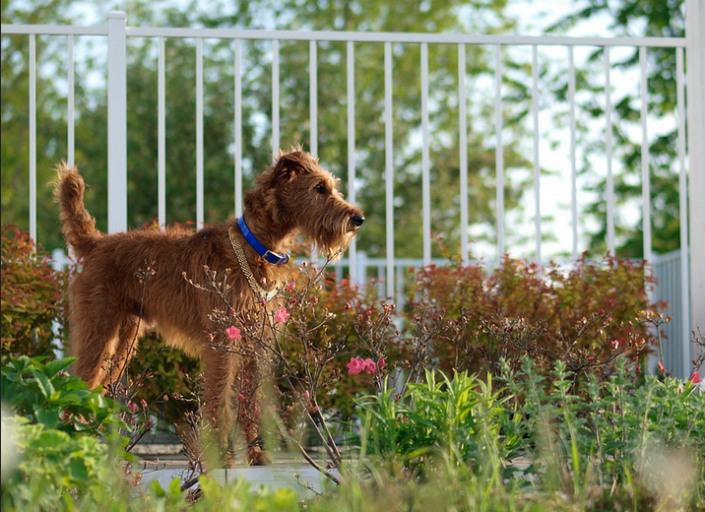
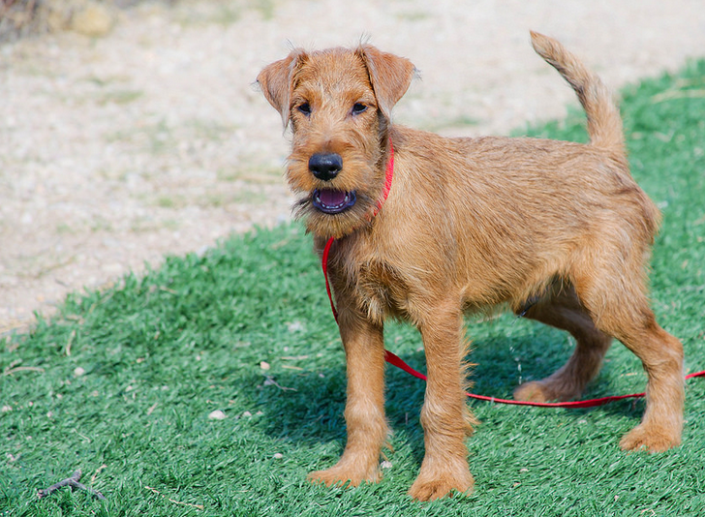
The coat is very dense and wiry. The smooth hair lies flat against the body. If you try to part it with your fingers, the skin won't be visible. The undercoat is light and soft. The coat is solid in color: golden-red, red-red, or wheat-red. A white spot on the paws or chest is considered a fault.
FCI Standard: Important Details
Expand your standard section description by highlighting key points from the FCI that are frequently searched for:
| Parameter | FCI Standard No. 139 |
|---|---|
| General appearance | Active, flexible, without coarseness; a harmonious silhouette expressing speed and endurance. |
| Head | Lines without folds of skin, long, with moderate tapering towards the muzzle; small dark intelligent eyes |
| Ears | V-shaped, set high, dense, slightly darker than the body |
| Wool | Hard, wiry, with a characteristic “bend”, close-fitting; a “beard” is acceptable |
| Color | Solid bright red, reddish wheaten, white markings on the chest are allowed |
Training and exercise
Training an Irish Terrier is quite challenging, and that's because these intelligent dogs can be very stubborn. They have their own opinions on everything, and it's good if they agree with their owner, but if a pet refuses to do something, it's almost impossible to force them to comply. Engaging a puppy in training is only possible by providing as much variety as possible and turning it into a dynamic, creative process with elements of play. You need to negotiate with an Irish Terrier and constantly reward them.
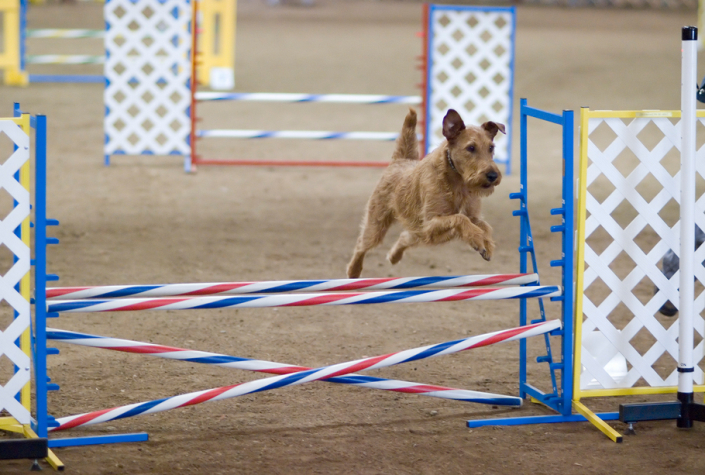
Irish Terriers are very active working dogs who never miss an opportunity to romp. Energetic and resilient, they require ample exercise, especially daily, for extended periods. They are always a great companion for bike rides and jogs, and they love swimming. It's important to give them ample opportunity to run freely off-leash. Irish Terriers excel in competitive sports, and freestyle or agility are ideal for them.
Character and psychological portrait
Irish Terriers are very spirited dogs, with a lively, energetic nature, ready to frolic all day long. They are also characterized by courage, assertiveness, and fearlessness. Irish Terriers are incredibly loyal to their loved ones and will stand up for their family to the bitter end. They are highly intelligent and can be willful at times.
They generally don't get along with other dogs, especially those of the same sex. They can get into fights with larger dogs without regard for the consequences. They get along with cats if raised together, but cohabitation with small animals, rodents, or birds often results in a successful hunt. Even good training can't correct the terrier's natural hunting instinct. Irish Terriers get along well with children. They love fun, active games and boisterous company. They are unpredictable with strangers, sometimes completely rejecting their owner's friends or easily finding common ground with anyone they meet.
Peculiarities of choosing a puppy
Many owners do not include this block, although it is found in leaders:
| Criterion | What to look out for |
|---|---|
| Parents' health | Availability of medical certificates, absence of genetic diseases |
| Character in the litter | Calm and balanced puppies are easier to socialize. |
| External signs | Proportionate growth, stiff satin hair |
| Conditions of detention | Check the conditions of the puppies and the breeder |
Maintenance and care
Irish terriers can be kept in an apartment. If the owner provides the pet with adequate exercise, it will be calm and quiet. However, terriers are much happier in a private home with a large yard, which should be enclosed with a high fence. Otherwise, even a well-behaved dog will seize the opportunity to escape.
Grooming an Irish Terrier is easy. If you brush their coat at least once a week with a special brush, they shed very little. They need trimming every six months. Bathing is infrequent. Two to three times a month, the dog's ears and teeth are cleaned. The hair between their paw pads is trimmed periodically. Nails are trimmed with pruning shears if they don't wear down on their own.
Diet and health
Irish Terriers can be fed either natural food or prepared food. Each owner chooses the option that is most convenient for them. In any case, the diet should be healthy and balanced. If the diet is natural, vitamin and mineral supplements are added. Prepared food is selected based on the age and breed. It is already balanced in all nutrients, so supplementing with regular food is not recommended. Mixing wet food with porridge is also not recommended.
Diet and feeding tips
-
General norms — 2-3 times a day; for an adult dog — 2 full meals (morning/evening); for puppies — increase to 3-4 times.
-
Balanced diet:
-
Proteins: meat, offal, eggs - should form the basis.
-
Fats: fish oil, vegetable oils - for wool.
-
Carbohydrates: rice, buckwheat, oatmeal - easily digestible, gluten-free.
-
Vitamins and minerals: calcium, phosphorus, omega-3, zinc - can be supplemented with premium sets.
-
-
Prohibitions: Do not give sweets, fatty foods, smoked foods, onions, chocolate, grapes, or poultry bones due to the risk of gastritis and tooth damage.
Irish Terriers are robust dogs without significant hereditary health problems. Hip dysplasia is sometimes reported in young dogs, while glaucoma, melanoma, and kidney failure are common in older dogs.
The average life expectancy of the Irish is 13-14 years, but there are also long-lived people among them.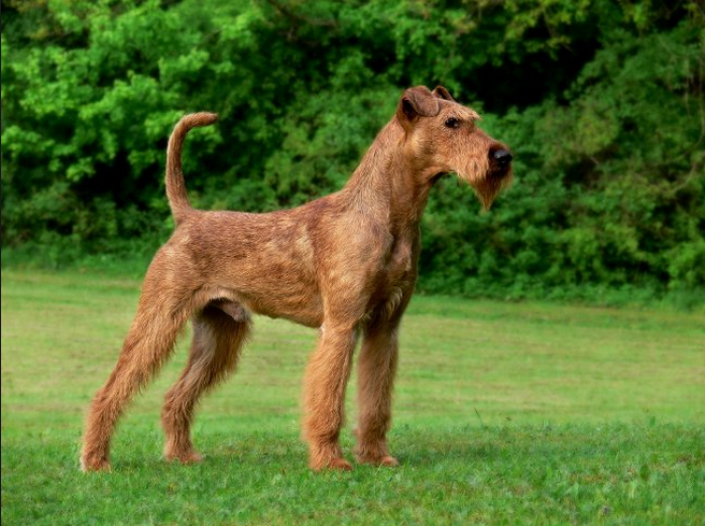
Trainability, learning ability and activity
-
Socialization — from 8–12 weeks mandatory: songs, the street, other animals, children.
-
Teaching methods:
-
Positive reinforcement (treats, play)
-
Administration of freedom restriction without abusive punishments
-
Gradual increase of load: from basic training (story) to agility, fetch (less often – numerical disciplines)
-
-
Recommended activities:
-
Active walks of 2-3 hours/day, including running and games, are required.
-
Agility, nosework, nose and tracking disciplines can be introduced.
-
Canistherapy: Empathetic 'Assistance Dogs' Spotted in a Number of Shelters
-
Compatibility in the family and with other animals
-
With children they are friendly, tolerant of pranks, but sometimes wayward.
-
With cats, it is better to get used to them from an early age, otherwise hunting is possible.
-
With other dogs, males are more likely to be conflictual and require early socialization.
Grooming and trimming
-
Daily: coarse brush, removal of pricked branches, dry cleaning.
-
Once every 2-3 months: trimming session – “pulling out” dead hair, shaping the contours of the head/ears.
-
Prevention of molting: Regular trimming helps to avoid seasonal hair changes.
Health and prevention recommendations
-
Regular check-ups — ophthalmologist once a year, thyroid, ultrasound of the liver/kidneys.
-
Vaccinations — according to the standard schedule (6, 10, 14 weeks; revaccination at one year).
-
Parasite treatment - drops or tablets every 3 months.
-
Integrated diseases — focus on myopathies, portosystemic shunt, hypothyroidism, proctology, progressive retinal atrophy.
Choosing a puppy and prices
The Irish Terrier is a challenging dog, requiring maximum attention, a lot of exercise, and quite challenging to train. However, if none of this discourages prospective owners, they can begin searching for a breeder and suitable parents. You can learn about planned matings, the best representatives of the breed, and kennels at kennel clubs or dog shows.
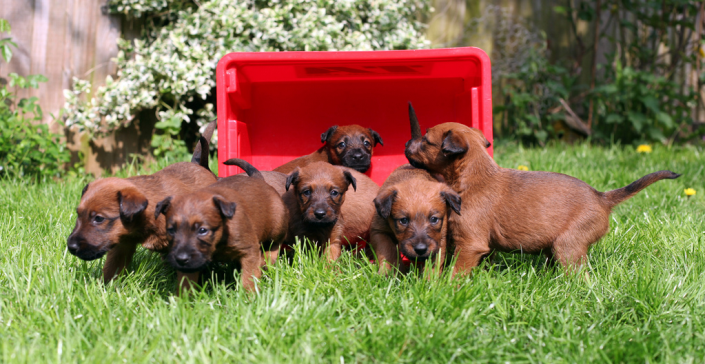
Whether a puppy is selected based on standard requirements or personal preference, it should be healthy, with a clean, shiny coat, eyes, and ears, a soft belly, and an excellent appetite. It's worth remembering that the kennel should be kept clean. It's recommended to pay special attention to character, choosing the most playful and courageous dogs without signs of aggression. A unique feature of the breed is that puppies are sometimes born almost black, but with age, the color changes to the standard. It's best to bring a dog home at 2-2.5 months of age.
The cost of an Irish Terrier puppy ranges from $450 to $800.
Photos
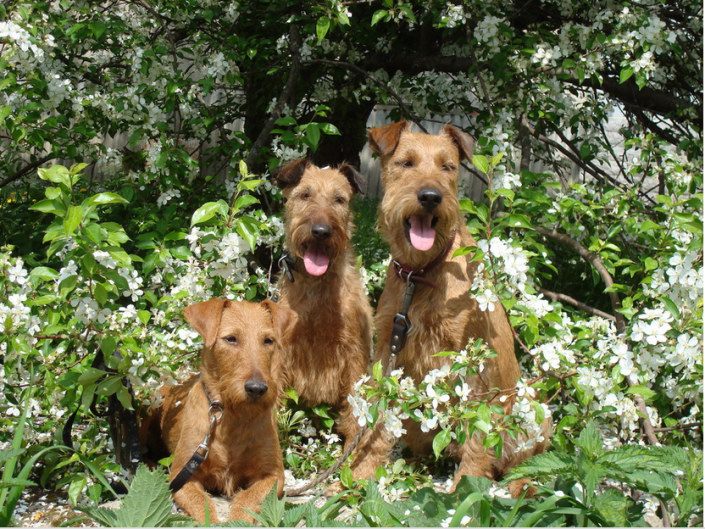
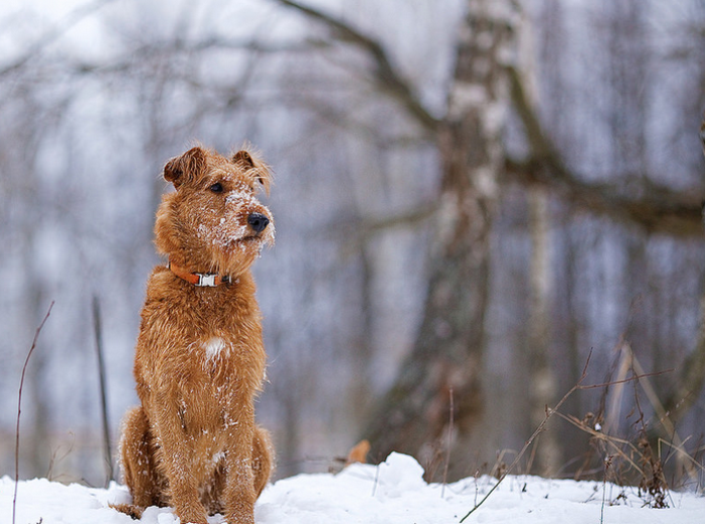
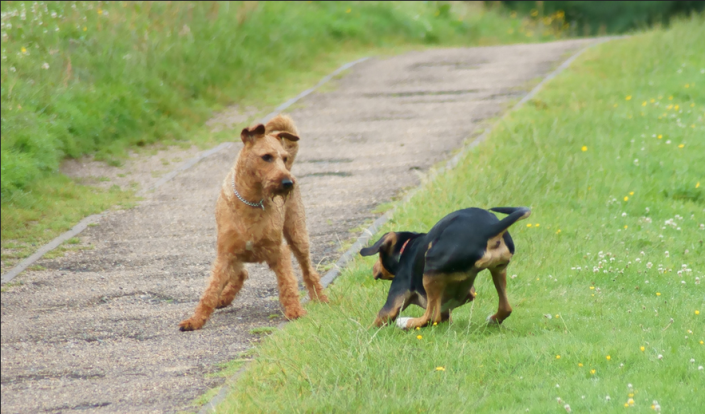
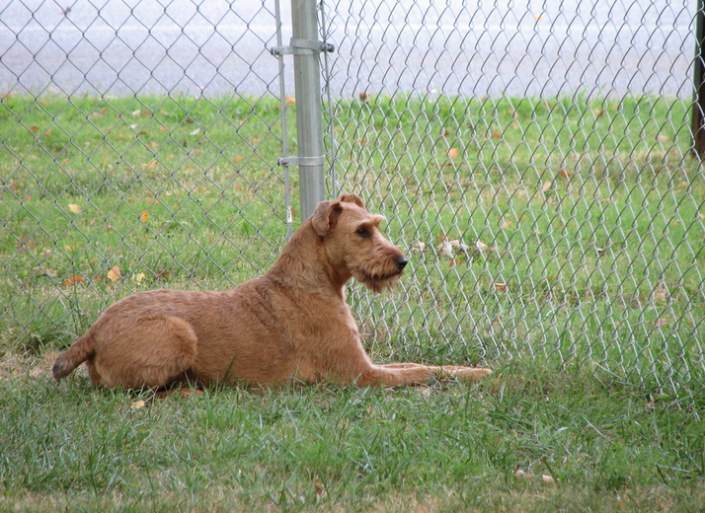
Irish Terrier Pictures:
Read also:


3 comments
Scottemics
It is my first time visiting your website and I am very interested. Many thanks for sharing and keeping up 😉
BrianSiZ
I have discovered plenty of helpful information on your website this page in particular. Thank you for posting.
Fuck milf hard
thanhks for the info
Add a comment