
Irish Setter is a dog breed
The Irish Setter is a popular dog breed worldwide, renowned for its excellent hunting skills, reliable companions, and loyal friends. They are beautiful and agile, possess a lively mind, are trainable, and are excellent with children, making them an excellent choice not only for hunters but also for families seeking a fun, active, and sociable companion.
Content
History of the breed
Setters are a group of long-haired breeds. hunting copsThere are English, Irish, Scottish, and red-and-white representatives, which have a number of external differences.
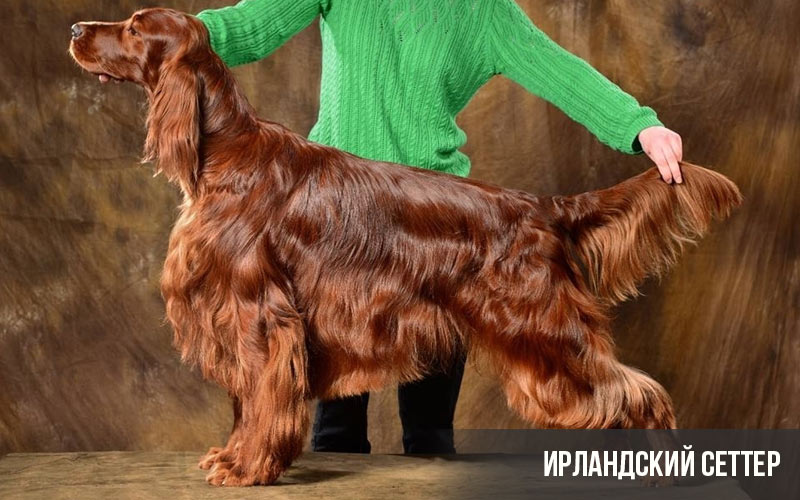
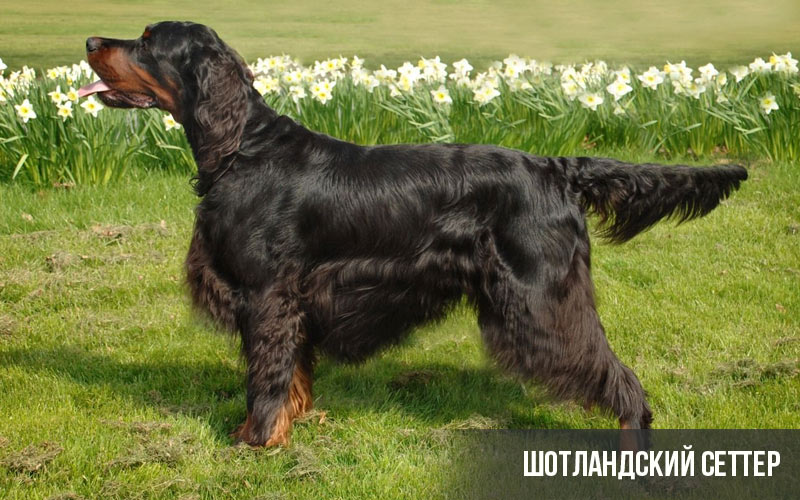
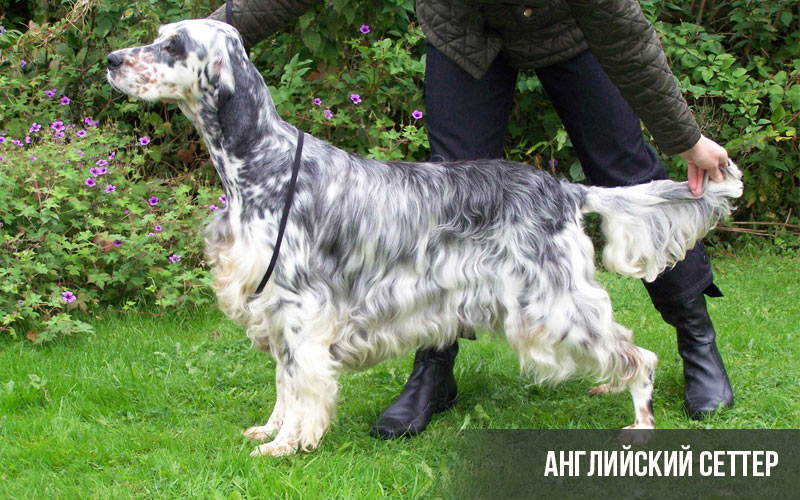
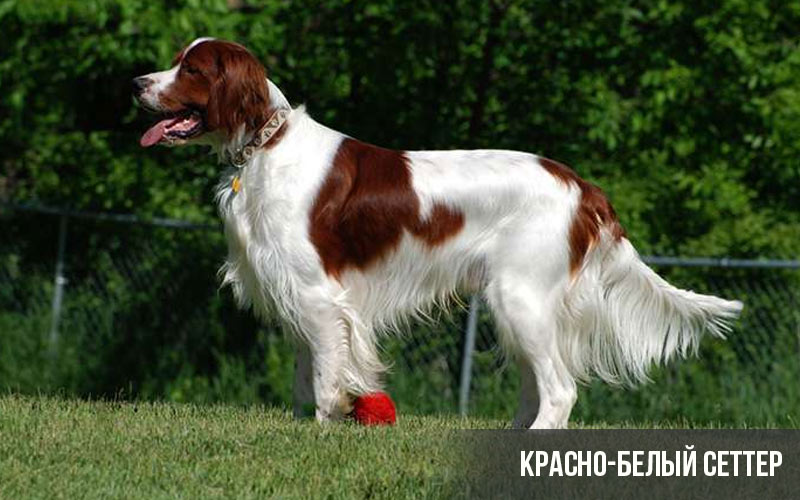
The word "Setter" itself translates into English as "squatting." The breed was named Irish because red setters were first bred in Ireland.
The breed emerged long before the first standard was adopted in 1886, and until then, no systematic records had been kept. It is believed that the blood of the following ancestors flows through the veins of the "Irish" breed:
- setting spaniels;
- pointers;
- Irish Water Spaniels;
- bloodhounds;
- English Setters.
The first mentions of the breed date back to around the 18th century. They tell of a breeder named Maurice O'Connor, who leased vast lands to train his "red dogs with traces of white."
Important! Until the 19th century, Red and White Setters were considered the same breed, but after the introduction of standards, they were separated into distinct breeds.
Irish Setters were first exhibited in 1859. This and subsequent shows played a significant role in the breed's development. Since then, the breed's lineage has been more or less clearly traced.
Appearance and standards
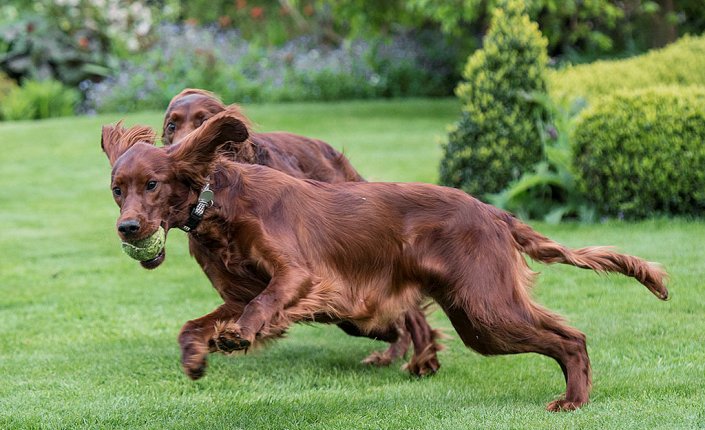
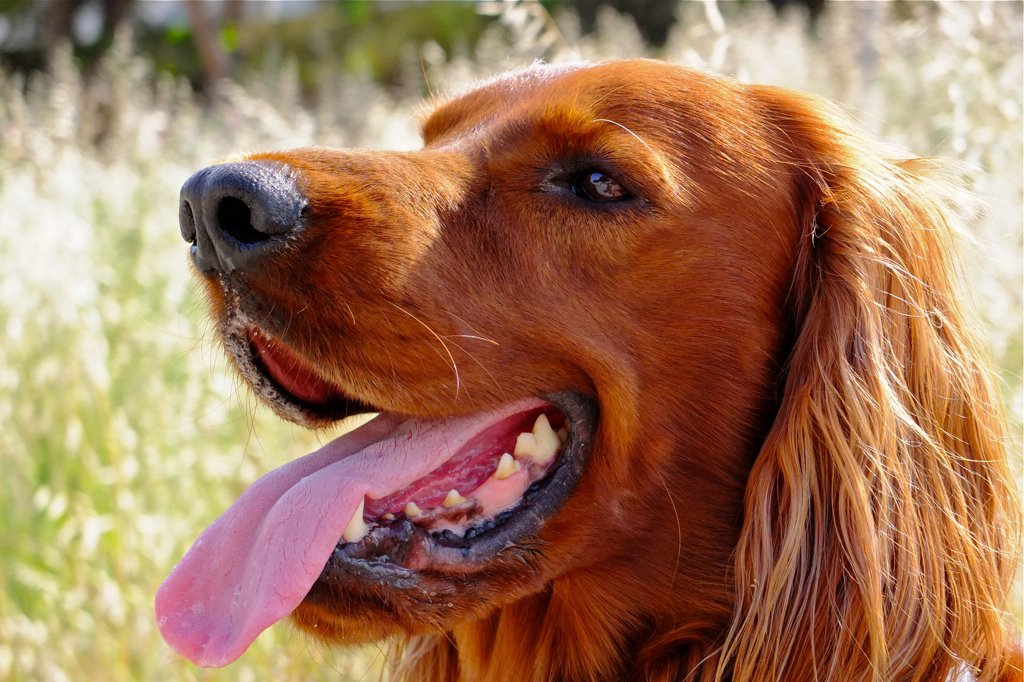
The Irish Setter is a medium-sized dog of a luxurious red-orange colour, proportionally built with a dry and strong constitution, high at the legs.
The standard describes the breed's exterior as follows:
- the head is dry, elongated, tapering towards the nose;
- the brow ridges are slightly raised;
- the bridge of the nose is straight, sometimes with a small hump;
- wide nose leather, dark brown or black in color;
- lips are dry and fit tightly;
- scissor bite;
- eyes are oval, dark in color, shallowly set;
- the ears are thin, hanging, rounded at the ends, located at the level of the eyes (in a stretched position, the ear does not quite reach the nose);
- neck dry, medium length;
- back straight;
- the croup is slightly sloping and wide;
- the chest is deep;
- the stomach is tucked in;
- the front and hind limbs are dry, high, with well-developed muscles, and set parallel;
- The tail continues the line of the croup, saber-shaped and mobile.
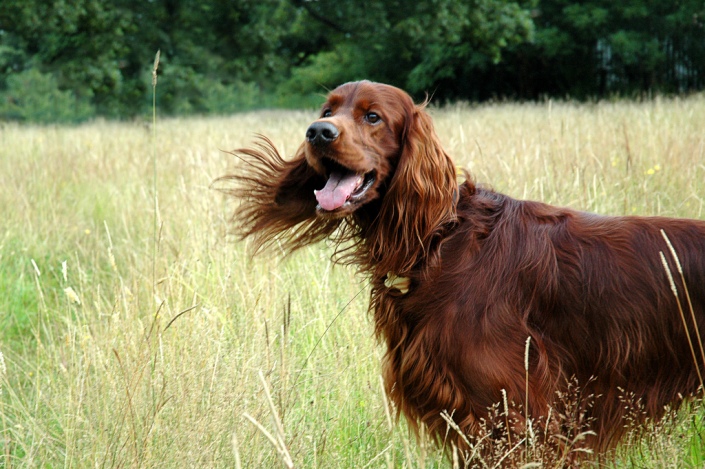
The coat is medium-length, not too harsh, and straight. It is slightly shorter on the head and front of the legs than on the body, while behind the ears, on the chest, tail, and back of the legs, it is longer and thicker.
Important! Irish Setters range in color from a rich reddish-brown to a luxurious reddish-copper.
Allowed:
- not very saturated (light) shade of wool;
- small white spots on the muzzle, crown, throat, chest or toes.
Although all setters are quite similar in build and coat length, representatives with other colors are classified as separate breeds (see photo at the beginning of the article).
Main characteristics:
|
Parameter |
Males |
Bitches |
|
Height at withers |
58-67 cm |
55-62 cm |
|
Weight |
27-32 kg |
24-29 kg |
|
Life expectancy |
12-15 years old |
|
Character
The Irish Setter is an active, energetic, sweet, independent and very good-natured dog.
Their good nature typically extends not only to family members but also to strangers, making them unsuitable even as potential guard dogs. However, they get along well with children and other animals.
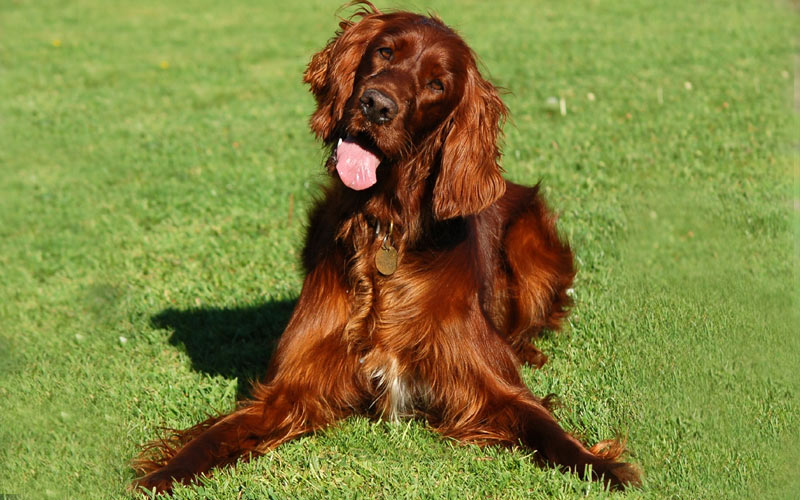
Irish Terriers get along well with children, always tolerant of even the smallest child's antics, and are willing to spend the entire day with older children. A well-trained dog values its owner's goodwill and will do everything to avoid upsetting them.
However, there are some characteristics of the Irish Setter's personality that are worth knowing before bringing home a dog. Being a hunting dog, all Setters are very restless by nature and will require a lot of attention and long, active walks from their owner. If their need for exercise and emotional release through active play isn't met, the dog may become withdrawn, disobedient, and even aggressive. Some members of the breed, driven by their hunting instincts, are prone to chasing cats. A young puppy will likely get along well with a cat, but getting an adult Setter to bond with a kitten isn't always possible.
Training
Irish Setters are highly intelligent and highly trainable, but only if the owner finds the right approach. Most dogs of this breed are independent, dislike rough handling, and dislike monotony. They require equality, gentleness, and a mandatory reward system in the form of treats or effusive praise. Setters also require regular training and repetition. It is crucial to accustom the puppy to house and outdoor etiquette, as well as proper hygiene, from an early age.
Important! The Irish Setter requires mandatory training, which should result in complete obedience to its owner.
This will not only make training specific commands easier but also help avoid problems on walks. Setters are prone to sudden escapes. During a walk, the dog can pick up a scent and forget everything else. Due to their persistent nature and a bit of a temperament, training an Irish Setter can be a bit more challenging. Training begins at approximately 6-8 months of age, and full exercise is not given to the dog until 9 months of age.

Irish Setters especially enjoy retrieving, playing with balls, rings, and Frisbees, as well as playing hide-and-seek with various objects and searching for game. They will also delight in chasing a mechanical rabbit in special training areas for hunting dogs. This activity is a great way to release pent-up energy, even for dogs whose owners never plan to use them for hunting.
Training hunting dogs involves the following stages:
- general training, designed to make the setter primarily obedient and manageable;
- the formation of a certain type of hunting behavior, taking into account the type of hunting in which the dog will be used.
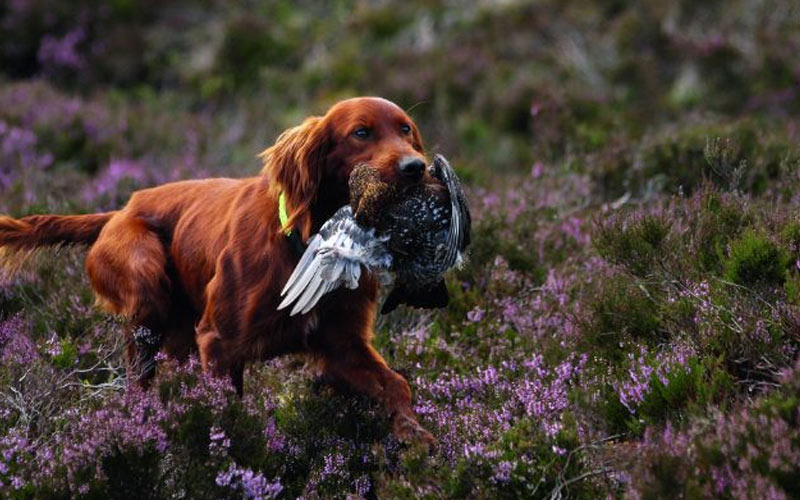
Setters are indispensable when hunting feathered game. These dogs excel at finding birds hidden in grass or thickets, bringing them into flight under the hunter's gun, and then finding and retrieving the game. Of course, training these skills requires persistence and patience from the owner.
Maintenance and care
The Irish Setter thrives in a country home with a spacious yard, but adapts easily to city life as long as its owner provides sufficient exercise. Due to its high energy and activity, the Irish Setter is not a good choice for a small apartment or house. This breed is not recommended for those who are unwilling to take long walks, jogs, or who don't have a ton of free time to share with their dog.
Grooming an Irish Setter isn't particularly difficult, but it does require regular maintenance. This primarily involves grooming the coat, which includes:
- Regular brushing to prevent tangles;
- cleaning the corners of the eyes and ears;
- daily washing of paws after a walk;
- cutting nails (if they are not worn down during walks);
- treatment of wool with special care products;
- bathing 3-4 times a year.
The coat most often tangles behind the ears, on the belly, and on the paws. If mats do form, they are carefully trimmed. Trimming or styling haircuts are not included in the standard.
Diet and health
It's recommended to feed Irish Setters a natural diet, but premium commercial foods are also acceptable. A typical diet should include:
- meat;
- cereals;
- vegetables;
- fruits;
- sea fish fillet.
Beef can be fed raw, frozen, or scalded. The daily requirement for adult dogs is 500 grams, supplemented with 300 grams of porridge and 100-200 grams of vegetables and fruits. If feeding commercial food, it should be properly formulated and balanced. It is also important to ensure free access to clean drinking water.
Between feedings, the Irishman will never refuse treats, these could be dog biscuits or regular crackers, pretzels or cheese.
Overall, the breed is fairly healthy, but some weaknesses are noted. Irish Setters have an increased sensitivity to toxins and cholesterol. Folded ears increase the risk of otitis. Spontaneous intestinal obstruction, flatulence, and volvulus are common in this breed, so it's important for owners to know all the preventative measures for these conditions. Hip dysplasia, epilepsy, cancer, and eye diseases are also common. Very rare cases of closed ear canals during the growth spurt, congenital deafness, or blindness are also reported. Life expectancy is 12-15 years.
Choosing a puppy
To avoid disappointment when buying a puppy, thoroughly research the parents' pedigree, examine the dogs' living conditions, and observe the puppies. The help of a dog trainer would be helpful. Breed experts know useful tests for sociability, obedience, and following a specific person, which can help you choose the right puppy.
.jpg)
If possible, it's best to see several litters. By looking at the parents, you can get an idea of what the puppy will become. A puppy's activity, playfulness, and curiosity are also important. Its coat should be clean and silky, its eyes clear, its bite correct, and its gait confident.
You should take a closer look at a puppy if you want not only a fun companion but also a working hunter. When choosing a hunting dog, first and foremost, consider whether its parents are working dogs and how they perform in hunting competitions.
Irish Setter puppies range in price from $200 to $1,000. The price depends on the class, the puppy's prospects, the evaluation, and the parents' achievements.
Read also:



Add a comment