
Insecticides: how to use and where to find them?
Insecticides are used not only to protect plants and homes, but also to "save" pets from pesky fleas and ticks. Insects not only cause discomfort to pets but also carry many dangerous diseases. Furthermore, fleas are also a nuisance to people, and ticks can transmit encephalitis to humans.
It is necessary to fight insects, but very carefully. And it’s not even because skin parasites (and these include fleas, ticks, lice) were destroyed using a wide variety of means, resulting in the insects developing a strong immunity to many active ingredients. Caution is necessary due to the high toxicity of insecticides—or, more precisely, the active ingredients in insecticides.
What are insecticides "found" in?
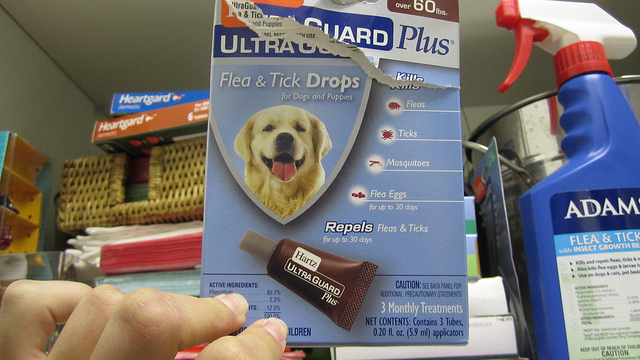
They are used to impregnate collars (both flea and tick collars, and combination collars). There are many available for sale. drops from harmful insects, as well as sprays, tablets, lotions, and shampoos. Without them, it's extremely difficult to protect your pet. Otherwise, your four-legged friend will scratch and become restless. And don't forget that ticks often carry babesia, which causes piroplasmosis (untreated, your pet will die within approximately three days).
Fleas carry a parasite called the cucumber tapeworm. Dogs and cats become infected when they bite fleas, thereby ingesting the parasite. Therefore, a caring owner will always purchase cosmetic products containing insecticides safe for their pets to prevent skin parasites.
How to use insecticides?
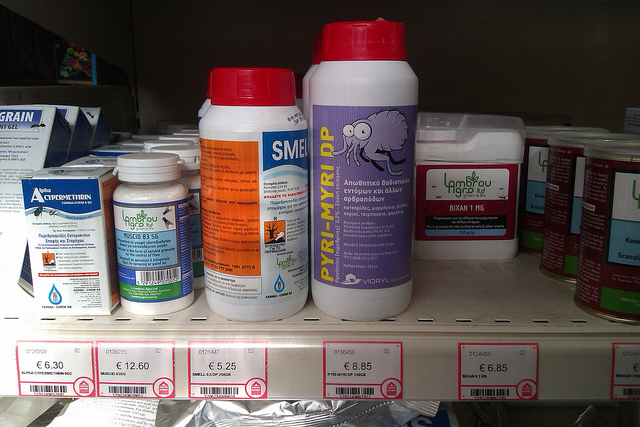
Be sure to follow the instructions. Never exceed the recommended dosage to avoid poisoning your pet. If you use a spray, lotion, or shampoo, do not allow your pet to lick you.
By the way, if you have several pets and they lick each other, you should either separate the animals from each other for at least 24 hours after treatment, or use collars to prevent the animal from being poisoned.
Do not exceed the recommended number of treatments. Be sure to ventilate the room after using insecticides, and sprays are best used outdoors.
Avoid contact with eyes, ears, nose, and mouth. It's best to consult a veterinarian for advice on which product will be most effective, how to use it correctly, and how often. Be sure to read and strictly follow all instructions.
Read also:


Add a comment