
Ticks in dogs: remedies and treatment
Ixodes ticks in dogs cause a very dangerous disease called piroplasmosis (canine encephalitis). Once attached to an animal, the parasites can remain undetected for a long time, as their bites are completely painless.
The disease is seasonal, with the vast majority of cases reported from May to September. This is when ticks are most active. The disease is most severe in puppies and purebred dogs. Pets over four years of age typically experience a milder form.
The ixodid species is characterized by a wide distribution. They can be found not only in forests and garden plots, but also in the city (in areas overgrown with shrubs and tall grass).
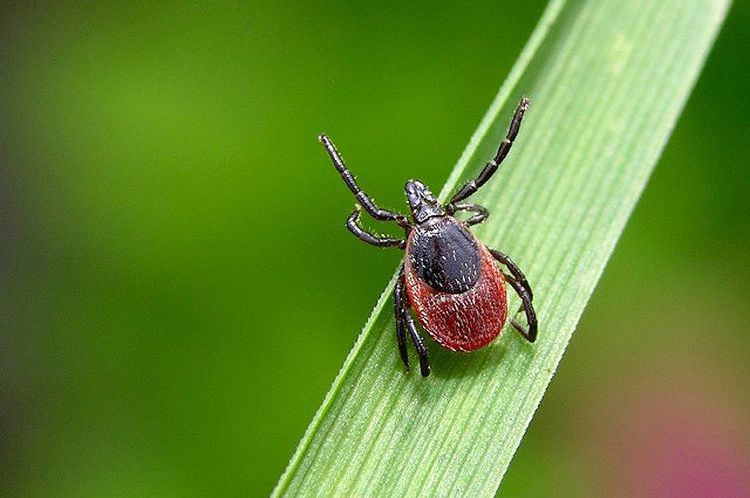
Removing a tick
It's crucial to promptly treat a dog bitten by a tick. The slightest delay could cost the dog its life. If you spot the tick, take immediate action. The longer it feeds on your blood, the higher the risk of infection.
Methods of removing the parasite:
- Seek professional help at a veterinary clinic, where a doctor will remove it with a special instrument.
- Soak gauze or a cotton cloth in oil (olive or sunflower), cover the affected area with it, and hold for 15 minutes. This will prevent the parasite from breathing and will cause it to emerge on its own.
- Twist with your thumb and forefinger. This option is only suitable for experienced dog handlers.
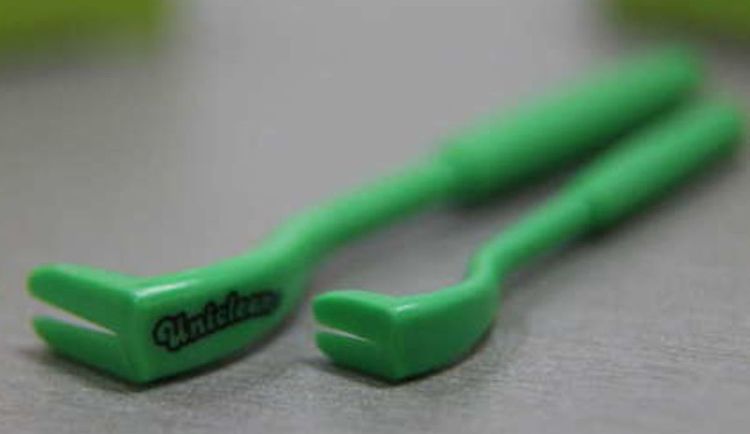
- Use a special plastic device with a hook at the end and a curved handle. It's called a tick twister. Two sizes are available: for normal specimens and for those that have increased in size after feeding.
The resulting wound must be treated with an antiseptic - brilliant green, hydrogen peroxide or iodine.
When removing a tick, it's important not to leave its head in the skin. Otherwise, it can cause an allergic reaction and suppuration.
The removed parasite should be placed in a glass container and sent to a laboratory for testing. After a thorough examination, specialists will determine whether the dog has been infected.
Treatment
The treatment tactics are aimed at solving two problems: removing intoxication and destroying the pathogen.
Medications that kill parasites belong to a group of organic dyes and imidocarb derivatives. Here is a list of them:

Unfortunately, these medications are toxic not only to pathogens but also to the infected animal. They should only be prescribed by a veterinarian after an accurate diagnosis has been established. They are never used as a preventative measure.
Therapy aimed at supporting the body includes various hepatoprotectors, saline solutions, cardiac medications, and vitamins.
Forced diuresis with an alkalizing effect is an important measure for preventing complications of piroplasmosis.
Diet
Attention should be paid to your pet's nutrition. Creating the right diet is a necessary step in treatment. An inappropriate diet can easily lead to complications with the liver, kidneys, and pancreas.
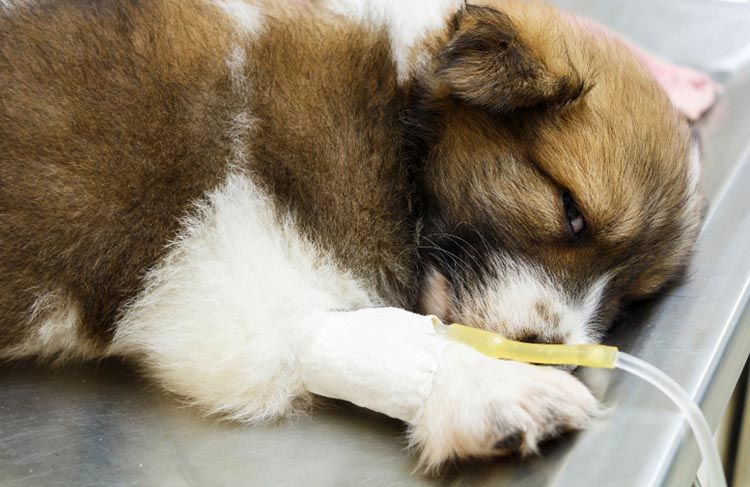
When a dog is sick, it's important not to force-feed it. Every extra morsel of food swallowed puts additional strain on the body. If the dog's refusal to eat is prolonged, the veterinarian will prescribe special nutritional IVs.
When your dog has an appetite, feed them small portions. The following dishes are suitable for a diet:
- canned food mixed with hot water;
- porridge;
- meat purees from lean meats (for example, turkey).
On average, the recovery period lasts one month. Follow-up tests are always required to ensure complete recovery.
Prevention
Even the most responsible and caring owners can't completely prevent tick bites. However, there are a number of recommendations to ensure your pet's maximum protection. Here they are:
- Inspect the coat thoroughly after each walk. Pay particular attention to the head, ears, belly, and thighs.
- Use special tick-repellent medications for dogs. Treat their fur with them before long trips.

Options for acaricidal agents:
- Drops on the withers (Serco, Hartz, Advantix). Dosage is determined individually, depending on the animal's weight and age.
- Sprays (Defendog, Frontline). After treatment, do not bathe your pet for two days.
- Collars (Hartz, Bolfo). They're very easy to use; just put them on your dog. However, they offer little protection against ticks. They also have drawbacks, including the risk of neck irritation or allergies.
When purchasing products, be sure to pay attention to the integrity of the packaging and expiration date.
Piroplasmosis is a serious condition that requires prompt treatment. Seeking help from a qualified veterinarian will help your dog recover as quickly as possible.
Read also:
- Why are ticks dangerous for dogs?
- How to protect your dog from ticks
- My dog was bitten by a tick: what to do


Add a comment