
Ixodid ticks in cats
Almost every cat owner has encountered the problem of tick infestation. Even if the animal is never walked outside, it can still become infected—tick infestations can be brought home by humans on shoe soles or outerwear.
These tiny bloodsuckers not only cause discomfort but also carry a number of dangerous diseases. Common sites ticks prefer are the armpits, abdomen, ears, and groin, where the skin is most delicate and exposed. In such cases, the parasite can be removed without veterinary assistance. However, if it has burrowed into the mouth, under the eyelid, anus, or other hard-to-reach areas, it's best to avoid risks and seek medical attention immediately.

What is a tick?
There are approximately 850 species of ticks in nature, but they can be roughly divided into two main categories: argasid ticks and ixodid ticks. There are no fundamental differences between them, the only difference being that the former have a thinner outer shell. Pets (and other mammals) are typically attacked by hard ticks—ixodid ticks.
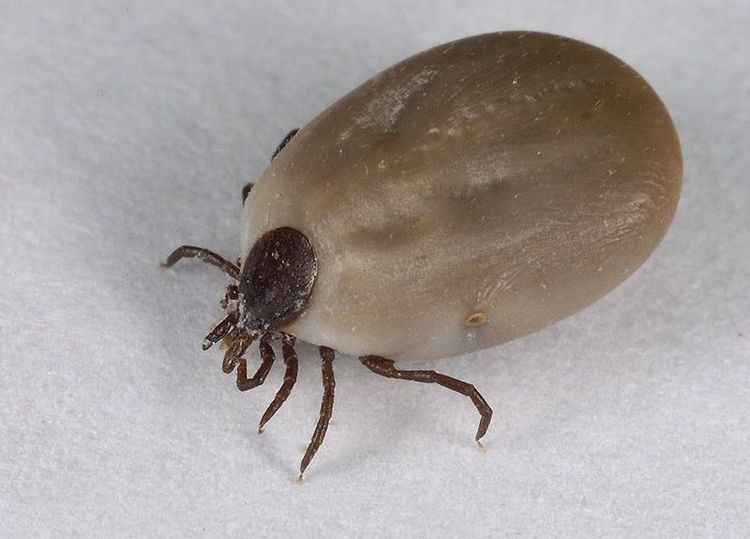
Bloodsuckers are very small in size when unfed—0.2-0.3 mm. Their bodies are teardrop-shaped, predominantly brown or grayish-black. Attached to the pointed end of their body is a head resembling a gimlet. Adults have two pairs of legs on each side of the carapace, while juveniles have six pairs of legs in total.
The tick's mouthparts are designed in such a way that as it bites, they screw into the skin, penetrating deeply. As a result, almost the entire head and some of the legs are completely entrapped within the body, allowing the parasite to secure a firm foothold and feed on blood. This process can last up to several days, during which the insect increases in size tenfold.
How to remove a tick
A tick bite itself is not dangerous. However, if the cat itches, it may partially tear off the insect, causing the remaining foreign protein to begin to break down. The least likely consequences are localized inflammation of the affected area; the most serious are infection and the development of a number of dangerous diseases.
To remove a tick from your skin correctly and painlessly, follow these recommendations:
- The first thing you should do is carefully examine the tick, preferably using a magnifying glass, and assess the extent to which it has penetrated the skin.
- Initial stage - the body is not very modified, round, the paws are clearly visible above the skin.
- Medium: The tick's body has darkened, its legs are buried, but its head is still visible. The parasite has already attached itself and has begun actively sucking blood.
- The final stage is when the insect's body takes on the appearance of a "hanging" mole, with its legs and head sunken into the skin. More than 4-7 hours have passed since the bite, and the tick has likely loosened its grip.
During tick removal, ensure the cat remains calm and does not twitch. If it is difficult to secure the animal in a comfortable position, another person will be needed to assist. Next, treat the bite site with antiseptic and trim off any interfering hair.
A special feature of ticks' structure is that they obtain oxygen through their body, so to begin with, you will need to block their access to breathing as follows:
- Coat the bloodsucker with some available substance that forms an airtight film—Vaseline, sunflower or olive oil, greasy cream, nail polish, etc.
- Wait 15-20 minutes until a characteristic shell appears at the site of the bite.
Important: If you don’t have any of the above products at hand, you can use any liquid oil, wiping it onto your skin every 20-30 seconds.
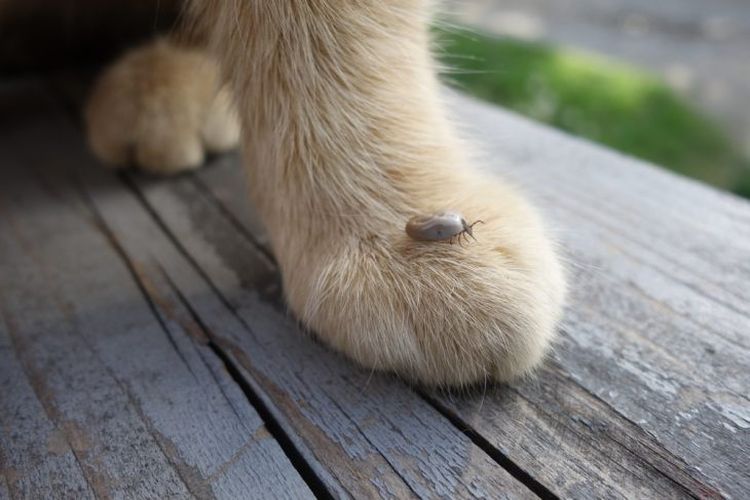
The tick itself can be removed with tweezers or a special tool sold at pet stores. It has a leg bent at a right angle with a slit at its base. Sensing a lack of oxygen, the parasite will loosen its grip and partially "emerge" to the surface. Observe it with a magnifying glass and carefully:
- Use tweezers to lift the head, gently pull it upwards, and then, moving along the body, pull out the paws one by one.
- Insert the visible part of the tick into the slot of the extractor and, using rotational movements in one direction, pull it out.
After the parasite is removed, the affected area is again wiped with an antiseptic: brilliant green, iodine, salicylic acid, alcohol solutions of medicinal herbs (calendula, chamomile).
Advice: After the "surgery," the cat should be observed for 7-14 days. The incubation period for most tick-related infections is on average two weeks.
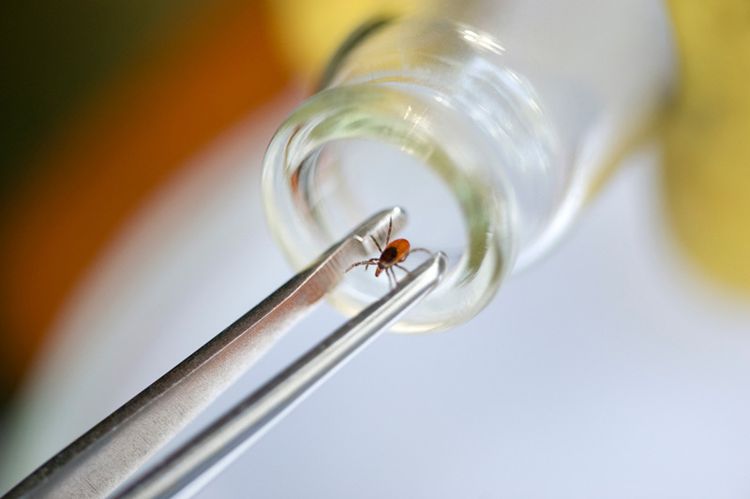
It's best to place the removed tick in a jar or other airtight container and take it to a lab to determine whether it carries a dangerous infection. If this isn't possible, burning the insect is recommended.
Diseases transmitted by ticks
Cats are more resistant to tick bites than dogs, a fact that has both positive and negative aspects. Pet owners may simply fail to associate the symptoms of deteriorating health with the parasite's activity and miss the initial stages of the disease. These include:
- Piroplasmosis (babesiosis)Ixodid ticks carry the blood parasite Babasia felis, which destroys red blood cells. Unlike dogs, cats are extremely rarely infected with this parasite.
General symptoms: increased body temperature, loss of strength, apathy, presence of blood in the urine.
- HemobartonellosisThe disease is caused by Haemobartonella bacteria, which invade the bloodstream and lymphatic system, as well as cells of the liver, bone marrow, and spleen. Without timely diagnosis and treatment, the infection leads to the development of chronic anemia.
General symptoms: loss of appetite, apathy, deterioration of coat condition, gastrointestinal problems.
- Theileriosis. Caused by single-celled parasites of the Cytauxzoon felis class, which colonize red blood cells and the cells of internal organs. It is a relatively rare disease, with only a few cases reported in Russia to date. It can be asymptomatic or manifest as a severe illness.
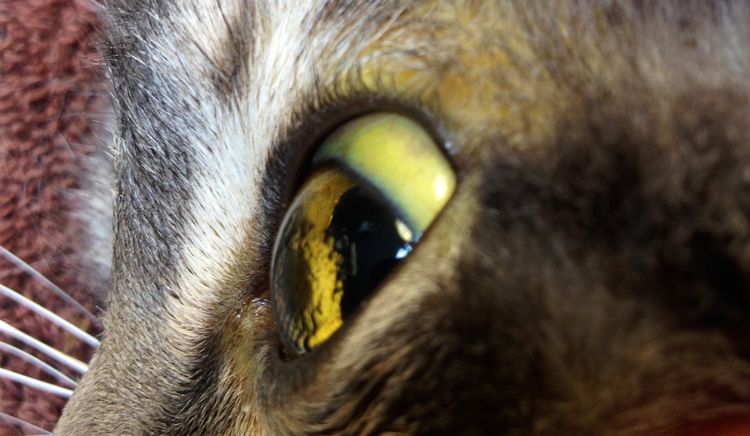
General symptoms include rapid breathing, arrhythmia, swollen lymph nodes, and loss of appetite. The cat becomes apathetic and indifferent to food, but drinks a lot. Two to three days after the pathogen enters the bloodstream, the body temperature rises, and the mucous membranes become yellowish.
- Lyme disease. Caused by spirochetes transmitted by ticks. The pathogens reside in the digestive tract and can live there without showing any clinical signs. In the initial stages, the disease is asymptomatic; the only visible manifestation is persistent redness at the bite site.
General symptoms include shortness of breath and difficulty breathing, joint pain, lameness, and problems with coordination. These symptoms are typical of the advanced stage of the disease, approximately 2-3 months after the tick bite.
- Tularemia is caused by the bacteria Francisella tularensis, which secretes specific toxins into the blood. Like some of the diseases described above, it can manifest itself without any visible clinical symptoms. However, if the animal reacts acutely to the infection, fever, stomach upset, and frequent urination may occur.
General symptoms: enlarged lymph nodes, rapid pulse, cough, conjunctivitis.
In any case, a veterinarian will make the diagnosis. The owner's job is to closely monitor the cat's health and promptly respond to any suspicious symptoms, remembering to mention at the appointment the exact date of the tick bite, even if several weeks or months have passed.
Read also:
- Scabies mite in cats
- Subcutaneous mites in cats: symptoms and treatment
- My cat has black plaque in his ears: causes and what to do


1 comment
Olga
You should not apply iodine to the bite site of your cat.
And the size of the ixodid tick is not 0.2-0.3 mm, but still 0.2 cm.
Add a comment