
The importance of games in the lives of animals
The importance of play in the lives of animals is difficult to overestimate; it promotes physical and emotional development, helps them become familiar with the world around them, and helps them acquire useful skills.
For most animals, play behavior is characteristic only at a certain stage of their lives, and adults usually teach them to play. For example, a lioness encourages her cubs to chase the tip of her tail, cats engage in wrestling after washing their kittens, and monkeys turn their babies on their backs and gently tickle them.

For pets, their primary play partner is their owner, and it's crucial that they provide the necessary amount of varied play to not only promote healthy physical development but also help build a close emotional bond. It's also been proven that playful training produces better results than strict consistency.
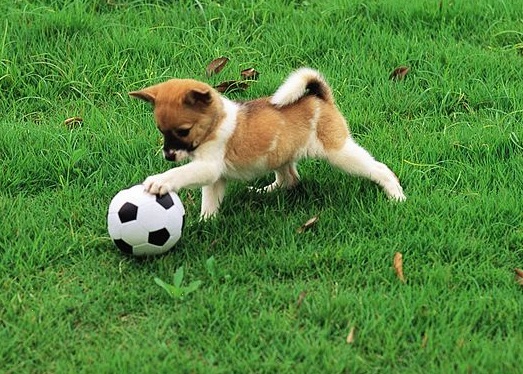
Experts have concluded that play is a kind of rehearsal for adult life in a safe environment. If you watch a kitten playing with a ball of yarn, you can't help but notice the similarity between its movements and those used to hunt mice. Playing with a toy suspended on a string resembles an adult animal's hunting of birds. Thus, the skills acquired through play are acquired long before they are put into practice. Through play, animals learn to communicate with their peers and establish close relationships. Animals deprived of the opportunity to play with peers often experience difficulties communicating with partners during puberty.
Read also:
- Is it necessary to play with a cat and how to do it correctly?
- What is the significance of a cat's tail?
- Cat tattoo designs and meanings


Add a comment