
Hokkaido (Ainu) is a Japanese dog breed
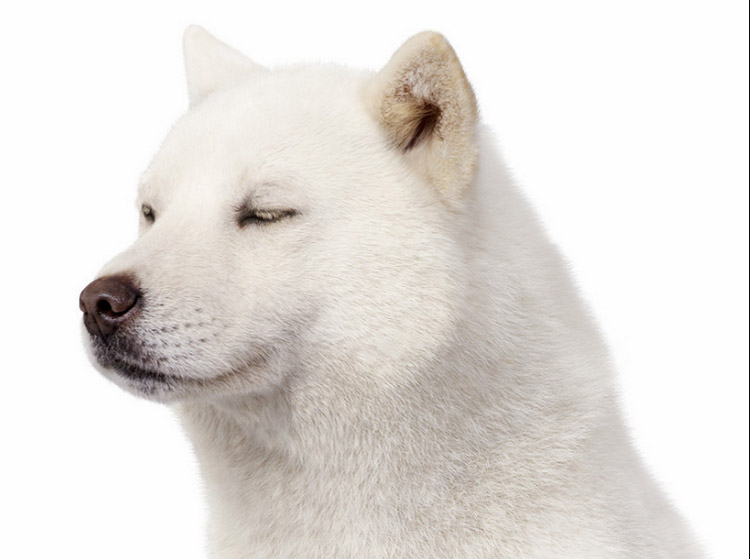
The Ainu, also known as the Hokkaido or Ainu-ken, is a Japanese hunting dog breed registered with the Nippo Kennel Association for the Protection of Primitive Breeds. Along with other, more well-known Japanese breeds, such as the Akita and Shiba Inu, the Ainu is classified as a Spitz or Spitz-type dog. It is distinguished by its unique appearance and complex temperament, and is one of the rarest and most expensive dogs.
Content
History of origin
The Hokkaido can be considered one of the most ancient breeds. They were developed on the Japanese island of the same name (Hokkaido). According to history, this happened around 1000 BC. The island's ancient inhabitants, the Ainu, bred and used these dogs to hunt large game (most often bears). Hokkaidos demonstrated high levels of endurance and agility in hunting.
The breed's original name was Ainu-ken, but after it became a Japanese natural monument in 1937, the name was changed to Hokkaido. Today, both names are considered correct.
Dogs had to adapt to hunting in forests and difficult mountainous terrain. This is where the Ainu's most important character traits developed: they became fearless, resilient, strong, and loyal to their owners. Without these qualities, the animal simply could not have become the constant hunting companion of the ancient Japanese. It's very convenient that the Hokkaido is not large, but rather medium-sized. It has no fear of predators, and a person accompanied by it has no fear of ferocious wild animals.
The Ainu is considered a primitive breed. This means that the breed was formed through natural selection, under the influence of climate and other factors, but without human intervention.
The Ainu's contribution to humanity cannot be underestimated. They were particularly popular during the war, where they helped pursue and apprehend prisoners attempting to escape. However, in the post-war period, many of these dogs were exterminated. Only a few representatives of the breed remained, and they continued to be bred at the imperial court. The Ainu were recognized as a national treasure of Japan. Exporting dogs of this breed from the country was prohibited. The Ainu breed standard was approved in 1982. Their status today is very precarious. These dogs are very few in number, and there is a risk of their complete extinction in the very near future.
Appearance
The Hokkaido is a medium-sized dog. It has a well-proportioned, strong build, strong bones, and well-defined muscles. Gender is clearly defined. Ainu dogs are very similar to another Japanese breed – the Hokkaido. Shiba InuFirst of all, they differ in size. While the Hokkaido stands 45.5-51.5 cm tall, the Shiba is classified as a small dog, standing 35-40 cm tall. The Hokkaido weighs 25-30 kg.
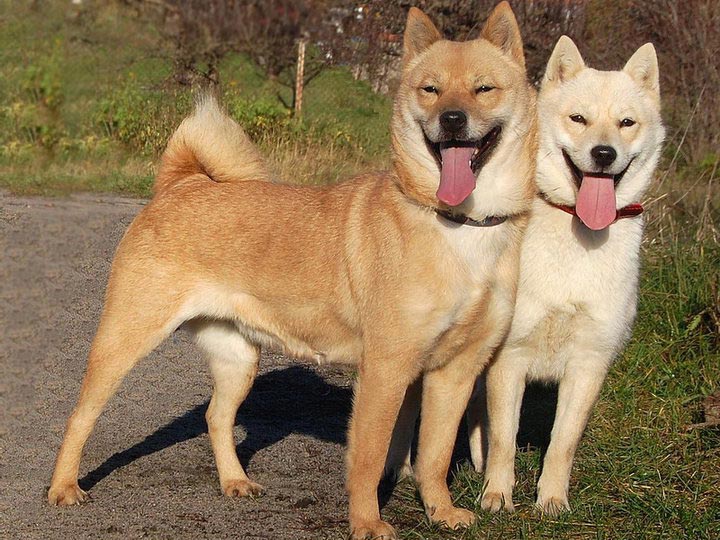
The skull is broad, the forehead is slightly flattened, and the stop is not sharp but clearly visible. The muzzle is straight and wedge-shaped. The head-to-muzzle ratio is 3:2. The nose is black. The jaws are strong and have a correct bite. The eyes are fairly large, set wide apart, almost triangular in shape, and dark brown. The ears are small, triangular, set high, and tilted slightly forward. The neck is muscular and strong, without dewlap.
The Hokkaido often has black spots on its tongue, which indicates a relationship with the Shar Pei and Chow Chow.
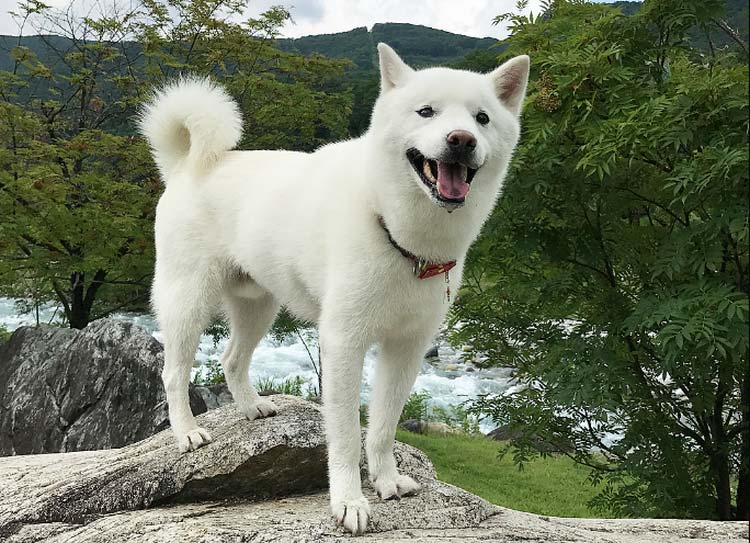
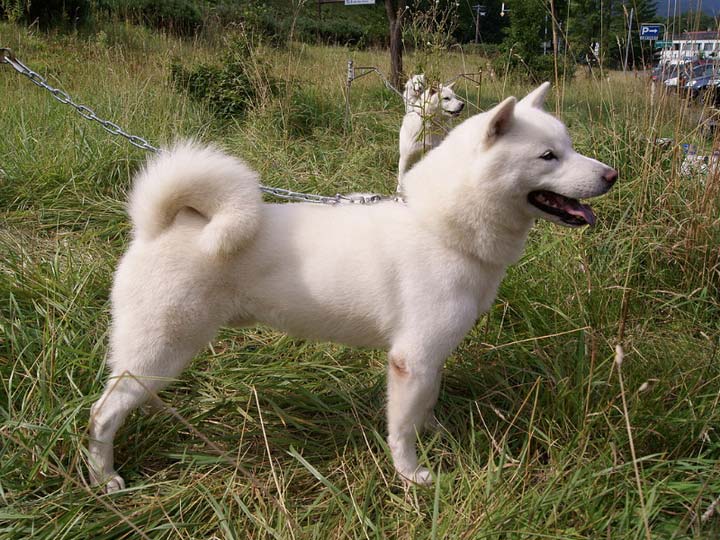
The body is slightly elongated, with a height-to-length ratio of 10:11. The withers are prominent, the back is broad and straight. The chest is well developed, and the belly is tucked up. The tail is set high and thick, curling over the back. The shoulders are slightly sloping, forming a moderate angle with the shoulder blades. The forearms are straight, slightly sloping. The hind legs are strong. The pads and nails are dark or black.
The coat is double, consisting of a stiff, straight outer coat and a soft, dense undercoat. The tail has longer, thicker hair. Several colors are acceptable:
- sesame (red or fawn with black tips);
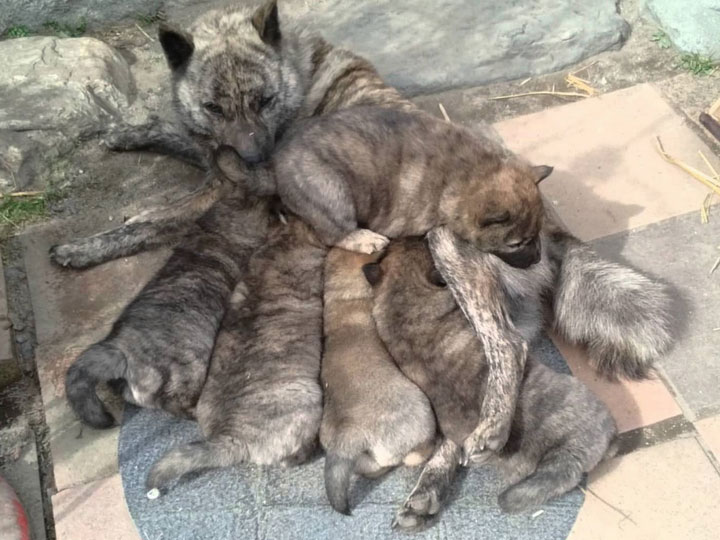
- brindle;
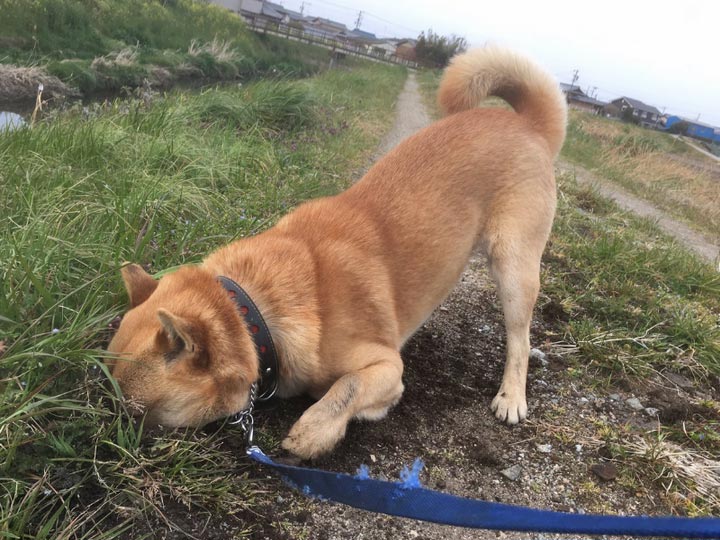
- red;
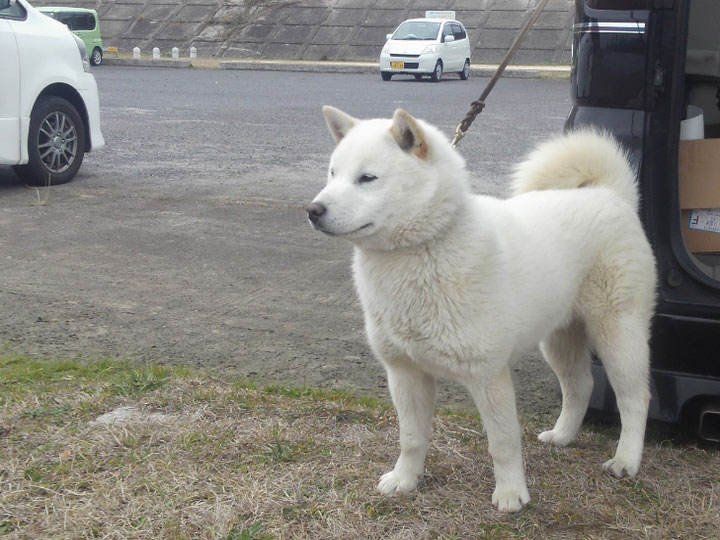
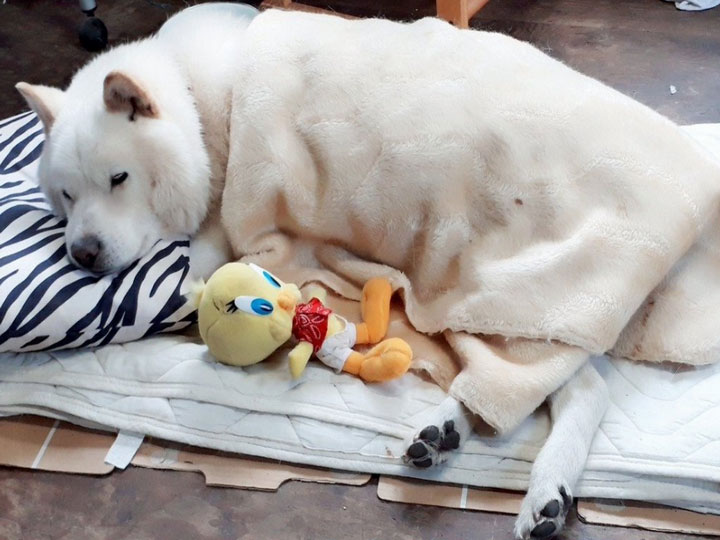
- white;
- black;
- black and tan.
Character
The Ainu's character combines surprisingly opposing qualities. It can be fierce or affectionate, aggressive or understanding, resilient or sensitive. This dog is strong and courageous, perfectly navigating any terrain, even in difficult weather conditions. Ainu are alert and self-assured. Dog lovers are fascinated by its many advantages over other breeds. But despite its many positive qualities, these animals have some contradictions in their character. Sometimes, despite their calm and balanced nature, a touch of ferocity and aggressiveness emerges in the Hokkaido. This occurs when the dog dislikes something (people or a situation).
Ainu is one of those quiet pools where devils live. Therefore, they require special attention during training. After all, every dog, like people, has its own character, a unique personality that sets it apart from other breeds. Also, due to its wayward nature, Ainu can sometimes run away from home, forcing owners to expend considerable effort searching for the dog.
Hokkaido doesn't get along well with other animals. They get along very well with children. You can safely bring an Ainu into a family with a child.
Psychological portrait
To this day, Ainu dogs never tire of demonstrating their skills to people. Why is this? For the simple reason that it's hard to find a more unique, interesting, and at the same time, strange dog. Many enjoy watching Ainu. Sometimes they appear very fierce, aggressive, and downright frightening in their ferocity. But this only manifests itself toward a potential enemy. But for their owner and loved ones, they are the kindest and most gentle dog in the world. They are very affectionate with children.
Ainu is incredibly intelligent and intelligent. This combination of qualities is rare, even among purebred animals. She often understands her owner's words without even a word. If there's any danger, the dog can become very hostile and aggressive. Moreover, calming her down and bringing her out of this state is very difficult. Hokkaido obeys no one but its master. Only this person can control the animal.
Ainu crave companionship and are genuinely sensitive. They are always sensitive to their owner's mood and are endlessly devoted. They are unfaithful to their owners—once they show love, it remains so forever.
Purpose and training
It's not that training an Ainu is easy. But it's not because these dogs are difficult to train. Quite the contrary, they don't need to be taught anything twice. The key is that their brave, strong, and determined nature must be constantly kept under control. There should be no indulgences in training. It is very difficult to convince such a dog of anything, and it is almost impossible to re-educate it.
If the Ainu senses weakness in the owner's character, it will under no circumstances accept him as an authoritative figure.
The Hokkaido makes an excellent watchdog. Always alert, it's difficult to catch off guard. This dog hunts with passion and is a fairly enduring athlete. These traits can be explained by the fact that this breed was developed specifically for hunting large predators in difficult mountain conditions. These dogs are still used today for big game hunting.
Ainu are very good at navigating any terrain. They can be excellent assistants in search and rescue work. There's no need to worry about whether to teach the dog a command or not. They happily serve their owners. They are sometimes used as sled dogs in various sled dog championships.
Maintenance and care
To be kept in an apartment, an Ainu dog must be well trained and kept under control from birth. While they are quite sweet and affectionate, if not properly trained, they can get out of control. Hokkaido needs good physical exercise and constant occupation, so it is best to keep the dogs in a large area, as guards or for hunting. Hokkaidos need to be walked at least twice a day for 30 minutes. It's important to remember that they are relatively tolerant of even severe frosts, but they do not tolerate heat very well.
Hokkaido grooming consists of regular brushing with a stiff-bristled brush and occasional bathing. These dogs shed heavily, especially during the off-season. If necessary, the dog's ears should be cleaned of accumulated dirt and wax, and its nails should be trimmed. It is important to accustom the stubborn Ainu to all hygiene procedures from an early age.
Diet
The Ainu's homeland is the sea islands, meaning its diet will be quite different from that of mainland dogs. The Hokkaido diet consists primarily of seafood, seaweed, fish, and rice.
They are allergic to most types of meat, and many types of cereals are indigestible.
Dry food contains soy and other ingredients that can cause digestive upset and provides absolutely no nutritional value. The closer the dog's ancestry is to Japanese origin, the more difficult it is to select a diet, and the more likely it is to prefer seafood to meat. It's essential to consult the breeder about what, when, and how to feed a Hokkaido. Never experiment or choose food on your own.
Health and life expectancy
Overall, the Hokkaido is a healthy breed. Its genetic characteristics remain close to those of the first dogs that arrived on the Japanese islands with humans during the JomonPossible and most common diseases include:
- Hip dysplasia;
- Elbow dysplasia;
- Collie eye anomaly;
- Hypodontia;
- Cryptorchidism;
- Allergy.
All dogs must be vaccinated against major infectious diseases. Equally important for maintaining good health is timely deworming and treatment for external parasites. Hokkaido dogs typically live 13-15 years, although some dogs live much longer.
Where to buy an Ainu (Hokkaido) puppy
The answer to this question depends on the purpose of acquiring a dog. If you need a pet for shows and breeding, it is better to consider the option of purchasing a puppy in its homeland, Japan. In other countries, particularly in Russia, the Hokkaido population is still very small, and there are no kennels working with this breed. If a Hokkaido is acquired due to the fashion for Japanese dogs and a show career is not planned, then the selection of a puppy can be entrusted to resellers who source puppies from Japanese kennels. These are typically low-quality dogs that rarely grow into champions. Furthermore, processing the necessary documents for export and transferring the pedigree can be quite problematic due to the Ainu dogs' status as natural monuments.
Price
In Japan, the average market price for a Hokkaido is 200,000 yen, which is about 100,000 rubles. The price will vary depending on the pedigree, coat color, and location of purchase.
Photos
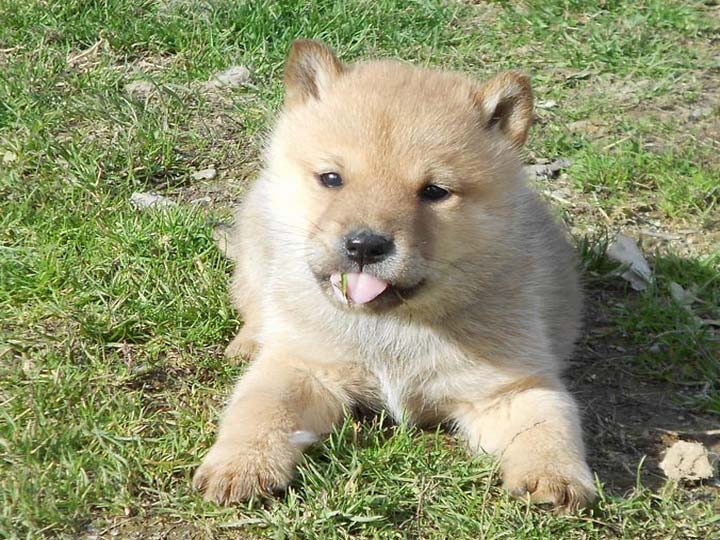
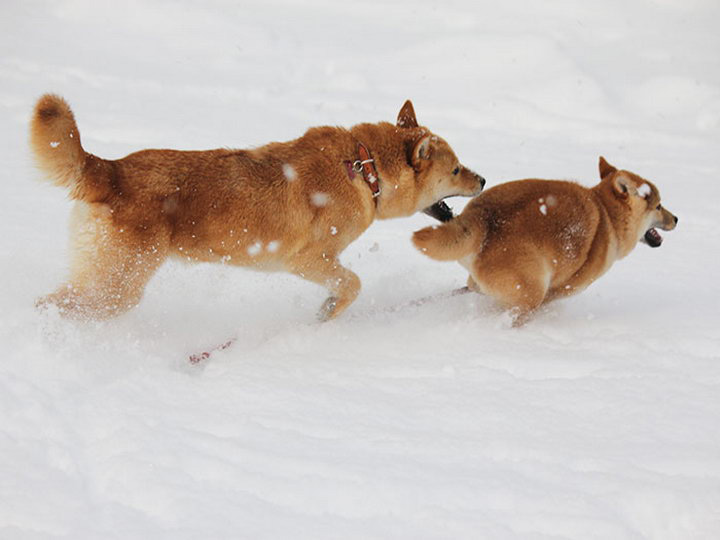
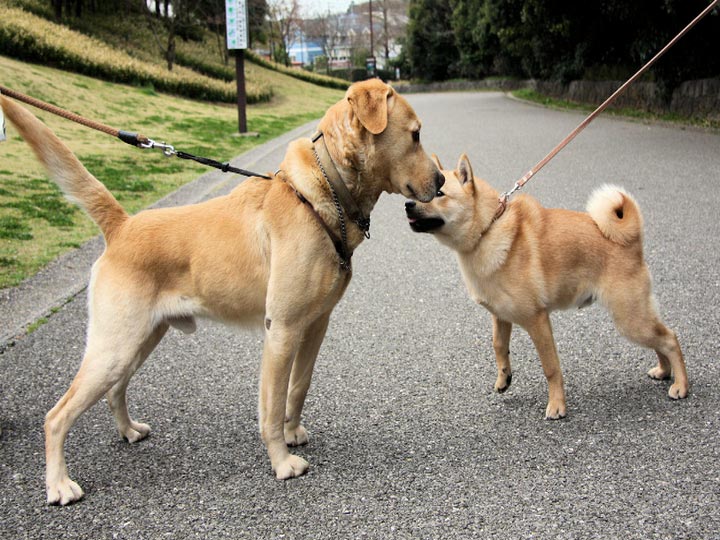
Photos of adult Ainu (Hokkaido) dogs and puppies. The photos in this gallery show the different colors of these Japanese dogs:
Read also:
- Japanese Chin (Japanese Spaniel)
- Japanese Spitz
- Japanese dog breeds
- Kishu (Kishu Inu, Kishu Ken, Japanese Laika)


Add a comment