
Chodska dog (Czech herding dog, Bohemian Shepherd)
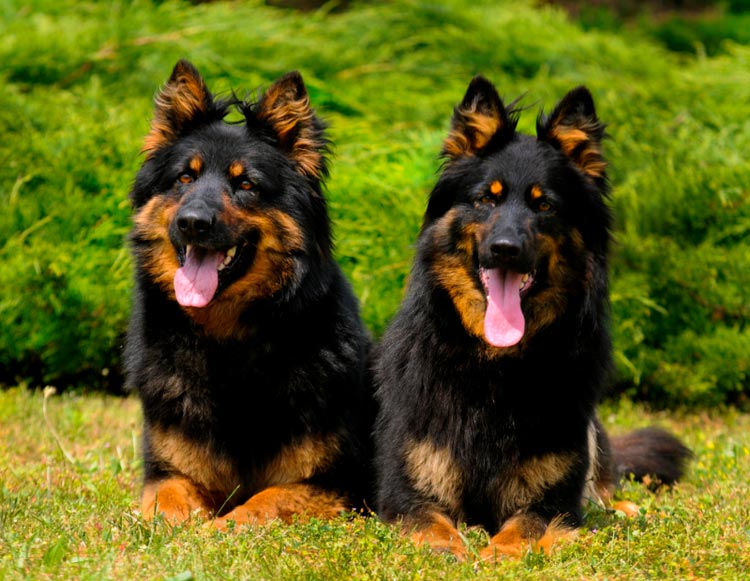
The Chodska dog has an attractive appearance, the pleasant character of a true companion, and exceptional intelligence. It is highly trainable and suitable for various service and sports roles. The breed was revived in the late 20th century in the Czech Republic. While very popular in its homeland, it is rare abroad. It is not yet recognized by the FCI. Other names for the breed include: Czech Shepherd Dog and Bohemian Shepherd.
Content
History of origin
At the beginning of the 20th century, the historian Jindřich Šimon Baar first described dogs from the Šumava region and called them "Chodská." However, there are earlier references to local shepherds. Their images appear on coats of arms and flags, in artists' illustrations, and in tales and legends. Of course, these don't accurately convey the entire origin story of the Chodská dogs, but they do indicate the survival of the ancient shepherd type in some regions of the Czech Republic.
The ancestors of the Chodska dogs were found in the Czech lands as early as the 14th century, and from the 16th century onward, they began to be purposefully bred by cattle breeders. The first standard was written in 1984. At the same time, the breed was officially recognized by the Czech Cynological Association. At the time of recognition, Czech Shepherds were very few in number, so enthusiasts began searching for owners of similar dogs, but to no avail. Breeders were forced to make do with the available breeding stock. In 1986, the first Chodska dogs were shown at a show in Brno.
The Khodskaya dog is very similar to the German Shepherd, and it is possible that it was involved in the development of this world-famous breed.
Between 1984 and 2009, approximately 3,500 Czech Shepherd puppies were registered. In 1991, the Chodska Dog Friends Club was established to unite breeders and enthusiasts of the breed. Today, many kennels in the Czech Republic breed the breed. Breeders are reluctant to sell their puppies outside the country, so the number of puppies in other countries is very small.
Purpose
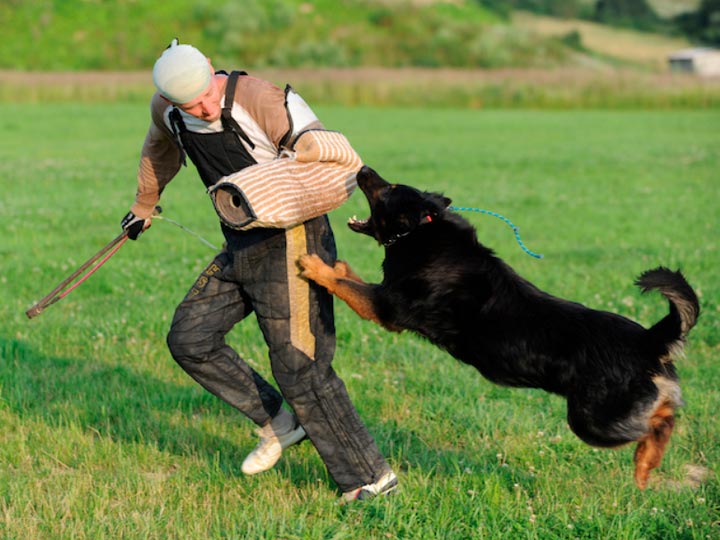
The Khodskaya dog is practically universal and is suitable for a wide variety of work. It can be a companion, an athlete, shepherd's dog, a bodyguard, or a guide dog for the blind. Its tenacious and spirited tracking ability makes it suitable for search and rescue services, law enforcement work, and tracking.
Appearance
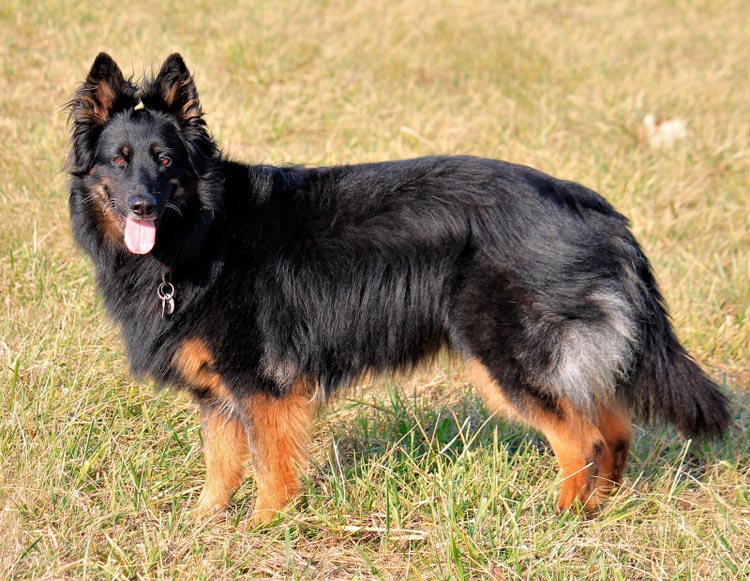
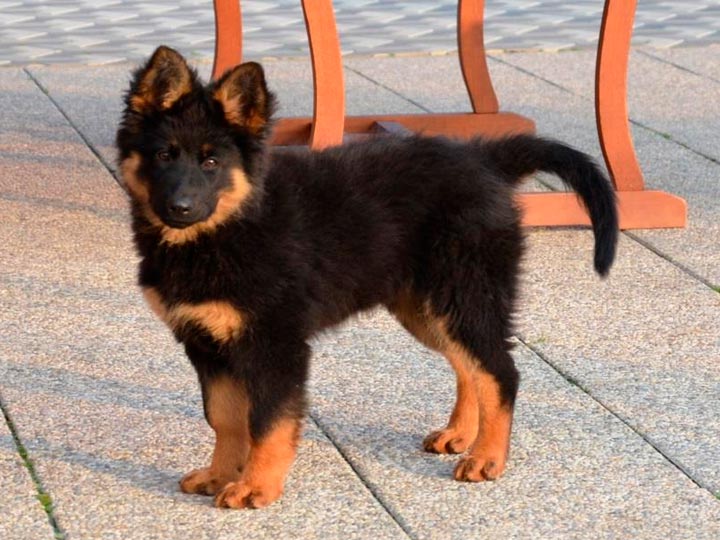
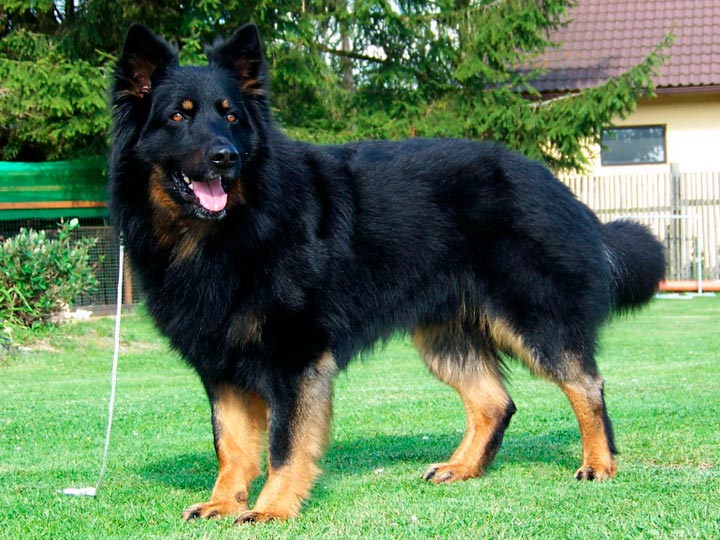
The Khodskaya Shepherd Dog is a medium-sized, elongated dog with a long coat and thick undercoat, small, erect ears, a balanced build, and light, free movement. Sexual dimorphism is well-defined.
- Height at the withers of males is 52-55 cm; weight is 20-25 kg
- The height at the withers of bitches is 49-52 cm. Weight is 18-22 kg.
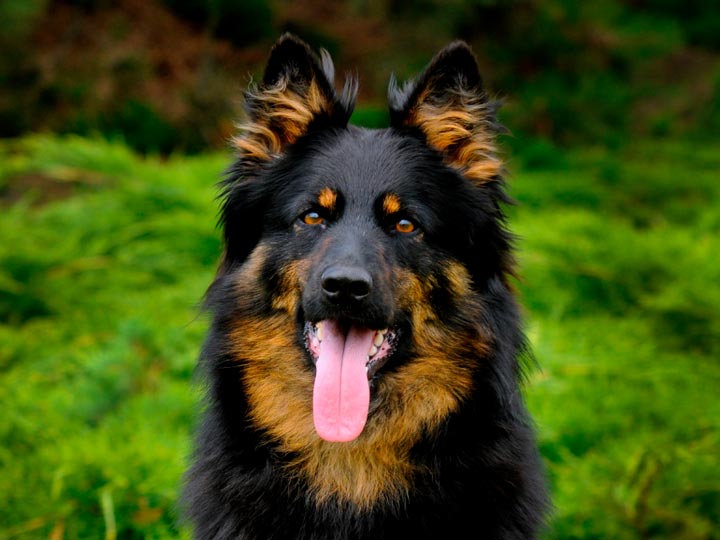
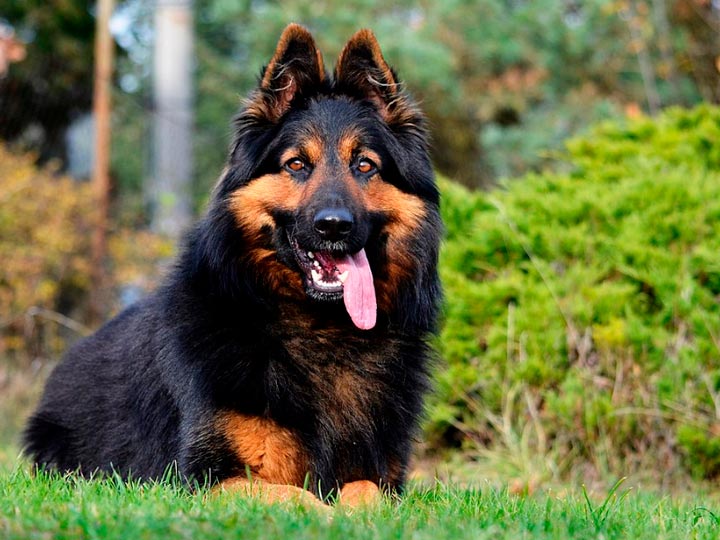
The head is proportionate to the body. The skull is flat. The stop is moderately pronounced. The muzzle is wedge-shaped with a straight nasal bridge, tapering to a wide, black, medium-sized nose. The lips are tight. The jaws are proportionate, strong, and gradually taper toward the nose. The dentition is complete, with a scissor bite. The eyes are medium in size, set slightly obliquely, almond-shaped, and dark brown. The eyelids fit tightly. The ears are erect, short, and set close together and high. The auricle is triangular with a wide base. The neck is graceful, long, and flexible.
The body is elongated and very well balanced. The topline is sloping and smooth. The back is straight. The loin is flexible and short. The circle smoothly continues the topline, descending to the tail. The chest is oval, tapering toward the sternum and reaching to the elbows. The forechest is wide. The belly is tucked up and muscular. The tail is sabre-shaped, reaching to the hock. The limbs are medium in size, strong and parallel. The paws are medium in size and oval. The nails and paw pads are well pigmented.
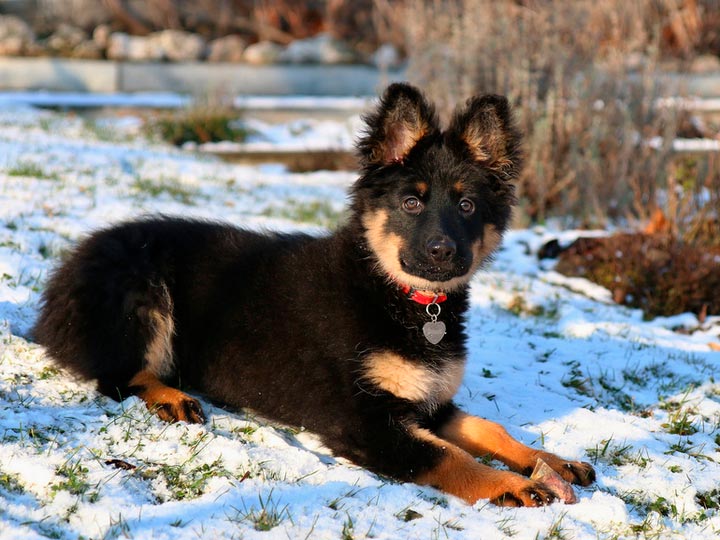
The skin is tight-fitting and black. Visible mucous membranes are darkly pigmented. The hair on the muzzle, tips of the ears, and the front of the limbs is short and lies close to the skin. On the rest of the body, the hair is thick, glossy, straight, and 5-12 cm long. On the neck and chest, it may be slightly wavy and stand out. The undercoat is well developed, softer and shorter than the outer coat. On the back of the thighs, tail, and chest, the hair is elongated and slightly wavy. The color is black and tan. The base tone is black with a cool sheen. Intense red tan markings are located on the ears, above the eyes, on the cheekbones, on the chest, on the inner and back surfaces of the thighs, on the paws, around the anus, on the underside of the tail, and on the belly.
Character and behavior
The Czech Shepherd's temperament is lively, without signs of nervousness or unreasonable aggression. With family members, the shepherd is very friendly and affectionate, especially with children. With strangers, it is reserved and can be wary. If it senses a threat to its family or property, it becomes stern and aggressive. The Czech Shepherd gets along well with other pets. It is genetically predisposed to be protective of livestock. The shepherd thrives in the company of other dogs and follows a strict hierarchy. It will not allow strange dogs or cats into the yard.
Czechs are very proud of their national breed, and for good reason. The Chodska Shepherd is a versatile, multi-talented dog. It is loyal, fearless, and courageous, balanced, obedient, and easy to manage.
Khodskoy dogs have a strong nervous system, with lively and quick, but not overly energetic, reactions. They take guard duty seriously, with characteristic vigilance. They are fearless and selfless in all matters concerning guarding and protection. They are very loyal and unobtrusive.
Content Features
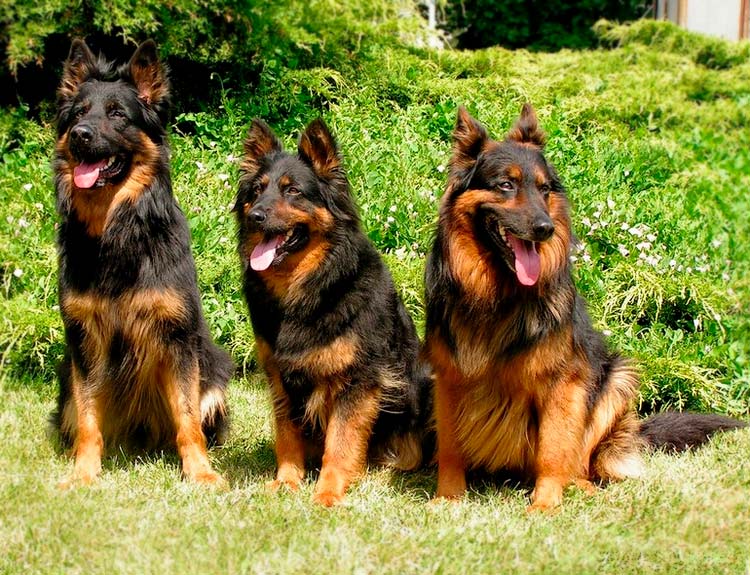
The ideal environment for a hunting dog is to live freely in the yard of a private home. It tolerates heat and moderate frost relatively well, provided it has access to a kennel or outbuilding. It is not well-suited to being a watchdog. While unobtrusive in everyday life, it greatly benefits from close human interaction and is willing to support any initiative.
They enjoy playing with children or training, and will be a great companion on runs and long hikes. The Khodskoy adapts to apartment living, but the owner will have to devote a lot of time to walking them and tolerate some hair in the house.
Care
The Khodskaya Shepherd doesn't require any special grooming. During the shedding season, it should be brushed at least once a week, and occasionally during other times. If the shepherd lives outdoors and isn't shown, it should be bathed two to three times a year, sometimes less frequently. Particular attention should be paid to the ears, ensuring they are always clean and dry. Nails should be trimmed if they don't wear down on their own.
Health and life expectancy
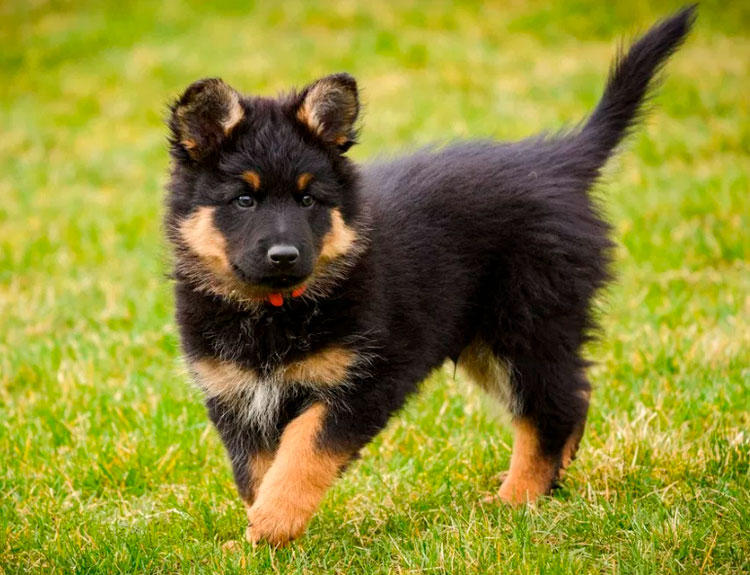
Most Khodsky dogs are strong and hardy. A high percentage of hip dysplasia cases was previously noted, but mandatory screening of breeding stock since 1997 has helped minimize the problem. The ears and joints are the Khodsky shepherd's weak points. Life expectancy is 12-15 years.
Where to buy a Khodskaya dog puppy
There are approximately 100 kennels registered with the Czech Chodska Shepherd Club. Among them are the first breeding kennels: one has been operating since 1981, another since 1984. Most of the kennels are located in the Czech Republic, one in France, and two in Finland. In Russia, there are several dogs imported from the Czech Republic and Finland.
Price
In the Czech Republic, the average price of a Chodska puppy is 15,000 Czech crowns, which is approximately 43,000 rubles.
Photos and videos
The photos in the gallery show what representatives of the Khodskaya Shepherd breed look like, of different sexes and ages.
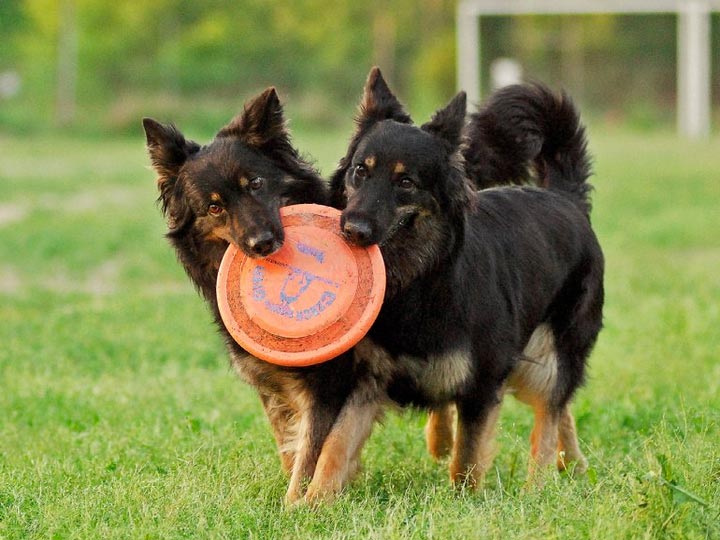
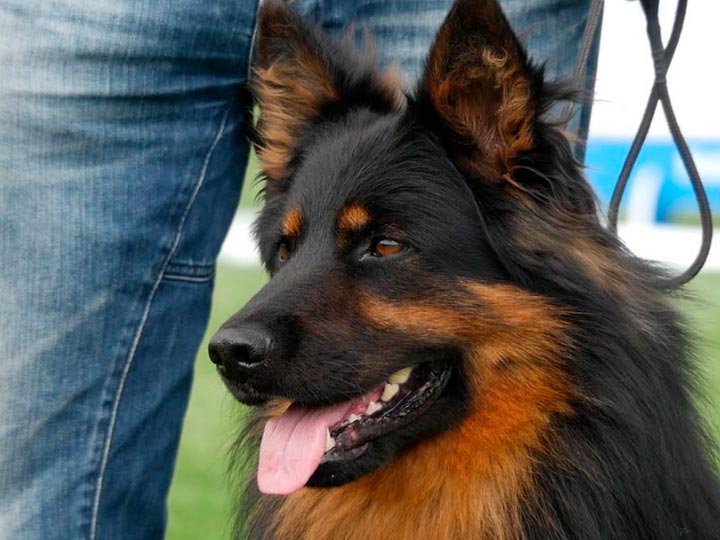
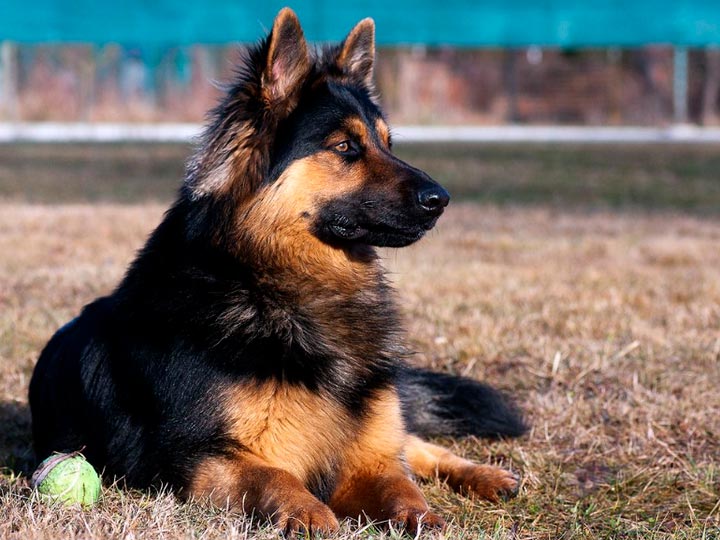
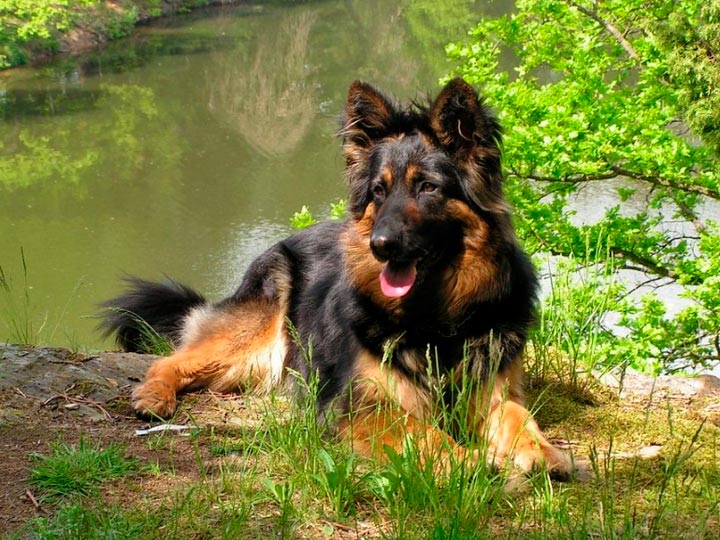
Video about the Chodska dog (Kheska Shepherd, Bohemian Shepherd) breed
Read also:


Add a comment