
Chlamydia in dogs: symptoms and treatment
Chlamydia is a fairly common infectious disease classified as a zoonotic disease, meaning it poses a threat to both animals and humans. It is caused by the microorganism Chlamydia. Dogs can become infected with chlamydia at any age, but in adult animals with strong immune systems, the disease often has a mild form. However, in puppies and weakened dogs, chlamydial infection can cause severe and even fatal clinical manifestations.

Content
Characteristics of the pathogen and routes of infection
In dogs, chlamydia is caused by two species of pathogenic microorganisms: Chlamydophila psittaci and Chlamydophila abortus. These are obligate parasites that live and feed off their host. These microorganisms are relatively resistant to pH fluctuations, so they can survive treatment with certain disinfectants. They tolerate temperatures from 0°C to 40°C well and can survive in the environment for up to 15-25 days, but die very quickly at temperatures above 40°C. Under unfavorable conditions, chlamydia can transform into a spore-forming form, called elementary bodies, which are less sensitive to external influences.
A dog can become infected with chlamydia in several ways:
- Alimentary (through the mouth) - when eating infected food;
- Airborne - the pathogen, localized in the mucous membranes of the respiratory tract of a sick animal, is carried through the air;
- Sexual - during mating with an infected individual;
- Contact - through direct contact with a sick dog or an animal that is a carrier of the infection;
- Transmissive, from insects (inoculation, when an insect bites and the pathogen enters the blood, or contamination, when insect secretions come into contact with the skin).
The incubation period for chlamydia is from 2 to 4 weeks.

Mechanism of development and symptoms
Chlamydia is a polymorphic microorganism capable of infecting various organs. Clinical manifestations of the disease depend on the location of the pathogen and the severity of the infection. The animal's resistance also plays a role: dogs with strong immune systems often experience a mild form of the disease.
General signs of chlamydia may include fever, lethargy, loss of activity, and refusal to eat. If specific organs are affected, localized symptoms may include:
- purulent otitis;
- conjunctivitis, lacrimation, photophobia;
- inflammation of the nasopharynx, larynx, trachea, pneumonia;
- arthritis;
- diarrhea, vomiting;
- shortness of breath, heart rhythm disturbances.
If chlamydial infection is localized in the genitourinary system, it can cause spontaneous abortion in female dogs, leading to vaginitis (inflammation of the vaginal lining) or endometritis (inflammation of the uterine lining), accompanied by purulent discharge. In male dogs, balanoposthitis, urethritis, and prostatitis may occur.

Caution! Animals infected with chlamydia can transmit the infection to humans. If your dog exhibits any of the above symptoms, have it examined by a veterinarian immediately.
Diagnostics
A preliminary diagnosis is based on the dog's medical history and symptoms observed during examination. Since the symptoms of chlamydia are very diverse and can be a sign of other infectious diseases, a comprehensive differential diagnosis is performed if chlamydial infection is suspected.
It includes blood tests:
- General analysis. With chlamydia, the level of leukocytes in the blood is usually elevated.
- Serological testing. This test examines the reactions of antigens and antibodies found in the blood serum.
- PCR is a polymerase chain reaction method that allows one to identify the type of pathogen and its quantity.
- ELISA is a qualitative analysis based on the comparison of standard samples of antigen-antibody compounds with those detected in a blood sample.
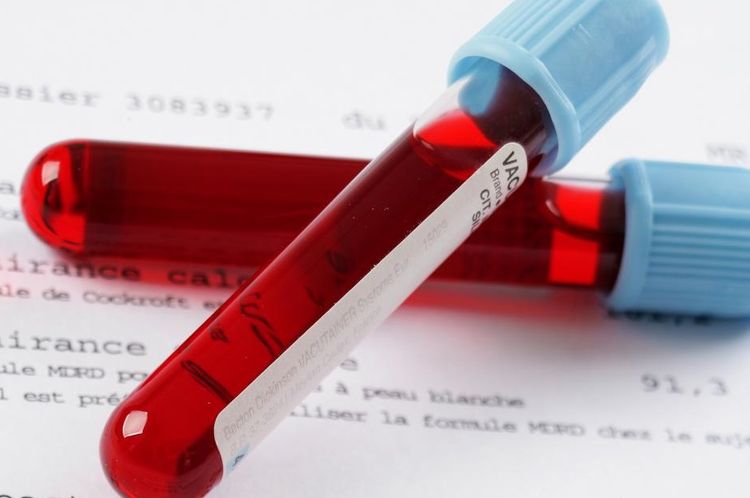
Antigens to pathogenic microorganisms in blood or other biomaterials (smears taken from the urogenital tract, nasal cavity, conjunctiva of the eyes) can also be detected using the following tests:
- RIF. The antigen (in this case, Chlamydia) is detected using antibodies labeled with a luminescent substance added to the laboratory sample.
- DIF (direct immunofluorescence assay). The analysis is based on staining the sample with fluorochrome-labeled antibodies.
- Cultural (bacteriological) studies. In chlamydia cases, cytoplasmic elements characteristic of these microorganisms are detected in the smear.
Treatment
The treatment plan for chlamydia is developed individually for each dog, carried out under the supervision of a doctor and, as a rule, includes:
- Etiotropic therapy. To eliminate the pathogen, antibacterial drugs are used that destroy the structure and suppress the reproduction of Chlamydia. These include tetracycline antibiotics such as Vibramycin, Ichtrallten DN Forte, Meta- and Moncycline; and macrolides such as Clarithromycin, Roxithromycin, and Azithromycin.
- fluoroquinolones Tsifran, Klacid, TsiprovetThe dosage and duration of treatment are calculated depending on the severity of the disease, the weight and age of the animal.
- Symptomatic treatment. For chlamydial conjunctivitis and blepharitis, eye drops and ointments containing erythromycin or tetracycline are prescribed. For genital conjunctivitis, the vagina in female dogs or the preputial sac in male dogs are washed with an antiseptic, usually a 2% boric acid solution.
- Immunocorrection. To boost the body's resistance, dogs are prescribed synthetic or homeopathic immunostimulants such as Maxidin. Fosprenil, Anfluron, Cycloferon, as well as multivitamin complexes Biostim, Canina Caniletten or Gamavit.
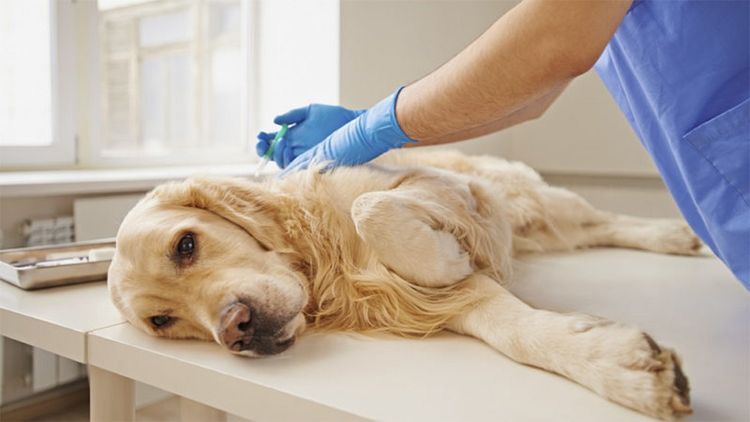
Important! After a course of antimicrobial treatment, dogs are usually prescribed medications to restore the intestinal flora. These include enzyme preparations such as Lactovit, Bifidum, and Karsil, and hepatoprotectors such as Essentiale Forte, Hepatovet, and Divopride. These medications should not be discontinued, as antibiotics disrupt the intestinal flora and negatively impact organ function. Without proper biocorrection, your pet may suffer from chronic dysbiosis and liver dysfunction for many years.
Prevention
To prevent your dog from becoming infected with chlamydia, it is recommended:
- Vaccinate, treat for endoparasites, and deworm animals regularly. The best vaccines against chlamydia are ChlamyCon, ChlamydioVac, and YusnaSuperBio.
- Do not allow the dog to come into contact with strangers, especially stray animals.
- Before a planned mating, you should make sure that the animal selected for mating is healthy, and ask its owner to provide the results of a test for the presence of chlamydia.
- When keeping dogs in enclosures, bedding, feeders, and drinking bowls should be periodically disinfected.
- To improve the immunity of animals, use special vitamin and mineral supplements.
Is chlamydia dangerous for humans?
Chlamydia can indeed be dangerous to humans. An infected dog can transmit Chlamydia psittaci to humans. In humans, this disease is also known as psittacosis or ornithosis.
Chlamydia poses a particular threat to pregnant women, as infection can lead to serious consequences, including miscarriages, infertility, and various fetal abnormalities. For others, especially the elderly and those with weakened immune systems, the disease is also dangerous—it can trigger chronic inflammatory processes in the genitals, the development of arthritis, and other complications.
When caring for a dog with chlamydia, it's essential to strictly adhere to preventative measures: wear personal protective equipment and maintain meticulous personal hygiene. If any suspicious symptoms appear, it's important to immediately consult a veterinarian and undergo an appropriate examination.
Read also:
- Herpes in dogs: symptoms and treatment
- Staph in dogs: symptoms and treatment
- Adenovirus and adenovirus infection in dogs: symptoms and treatment


Add a comment