
Hionat for dogs
Chionate is a medicinal product that belongs to the group chondroprotectorsIt was originally developed by the German company Bayer for the treatment of joint problems in horses, but over time it began to be used effectively in dogs as well.
Content
Composition and release form
Chionat is available as an injection solution. It is clear and colorless. The appearance of turbidity or sediment indicates that the medication should not be used in animals. The sterile liquid is packaged in 2 ml glass vials. The vials are sealed with rubber stoppers and aluminum caps.
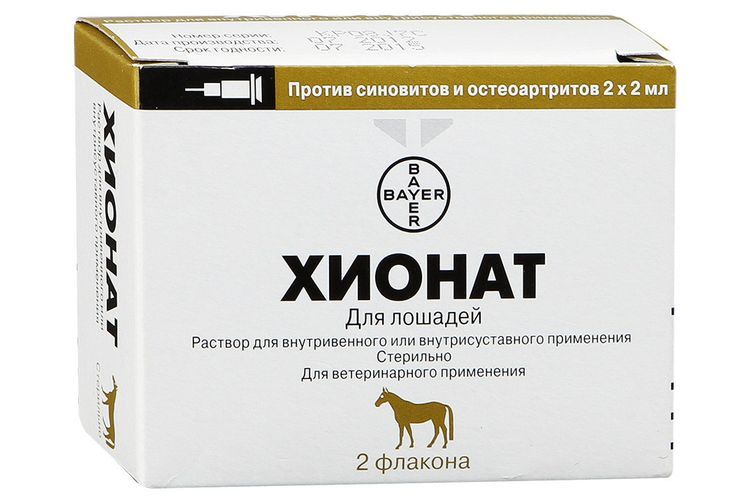
The active ingredient in this medication is sodium hyaluronate. The concentration per ml of solution is 10 mg. The composition also includes the following excipients:
- hydrochloric acid;
- sodium diphosphate;
- sodium hydroxide;
- water for injection;
- monosodium phosphate.
Price
The only drawback is the drug's high cost. One bottle of Khionat costs approximately 3,000-3,500 rubles. Furthermore, some pharmacies don't sell a single bottle—only a package of two bottles. The high cost of treatment is justified by the effectiveness—an animal usually improves after the first injection.
Pharmacological action
The medication has pronounced chondroprotective properties. Hyaluronic acid is naturally occurring, being present in epidermal and connective tissue cells and an integral part of the synovial fluid, which ensures joint mobility.
The main active ingredient of the drug has the following effects on the body:
- increases the viscosity of synovial fluid;
- prevents friction in joints and their further destruction under loads;
- eliminates inflammatory processes and swelling that accompany them;
- restores joint functionality;
- promotes restoration of cartilage tissue;
- stops degenerative processes;
- stimulates the secretion of synovial fluid.
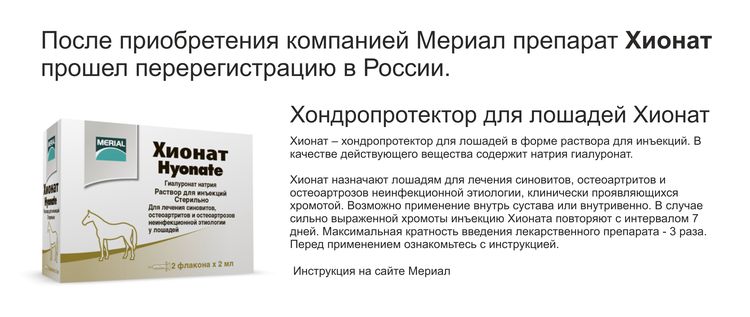
The drug's key feature is its vaccine-like action. Joint problems in animals often arise from insufficient synovial fluid, which provides lubrication and smooth movement. The medication not only provides adequate lubrication but also stimulates the body's production of hyaluronic acid. This ensures high efficacy and eliminates the need for long-term administration.
In terms of its potency, the medication is classified as a low-hazard substance. It is non-addictive and does not accumulate in the body. When administered, it does not cause toxicity or other negative effects on the body.
When and how to apply
According to the instructions, Khionat is prescribed for dogs in the following cases:
- for osteoarthritis;
- for osteoarthritis;
- for hip dysplasia;
- for synovitis;
- for other disorders of the musculoskeletal system not associated with infections.
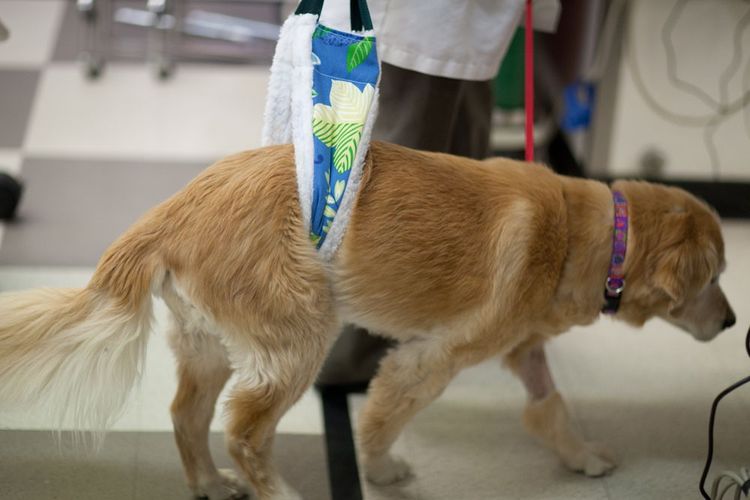
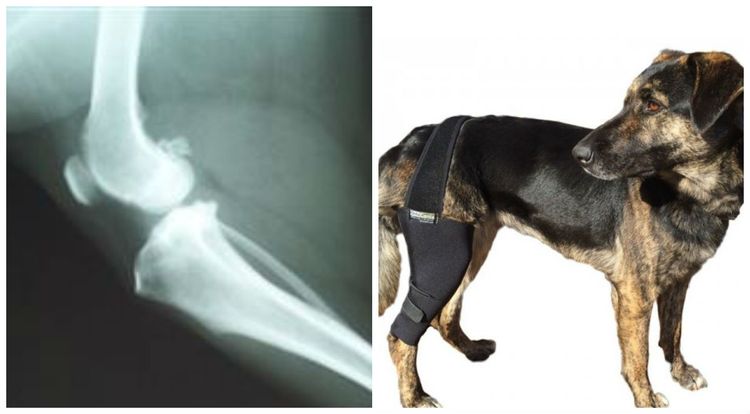
The first symptom of joint dysfunction is lameness, which usually worsens with exercise (workouts, long walks, running). Large breed dogs are more susceptible to this condition. Although Chionat is considered a safe medication, it should not be used without a doctor's prescription. Furthermore, before starting treatment, the animal should be examined to determine the exact cause of the lameness and pain.
The drug can be administered in two ways:
- intraarticularly – inside the joint;
- intravenously.
With the first method, the medication dosage is 1 ml; when administered intravenously, it doubles to 2 ml. Injections are administered at 7-day intervals. Depending on the animal's condition, up to 3 injections are required; in cases of severe injuries and degenerative processes, the number of injections may be increased to 8.
When administering the medication, aseptic technique must be observed. Intravenous injections are most often preferred, as only experienced specialists can administer the medication into a joint. The procedure is performed in the following sequence:
- Excess synovial fluid is carefully removed with a sterile syringe.
- Then, using a disposable syringe with a thin needle, carefully inject Khionat.
- It is important to carry out all manipulations carefully, without touching the walls of the cartilaginous tissue with a sharp needle, as this will cause severe pain and complicate the course of the disease.

It's not a good idea to perform this procedure without experience and skills, as you're putting the animal at risk. In this case, it's best to opt for the intravenous route.
During the treatment period with Khionat, it's important to ensure your dog is completely rested, avoiding training and other strenuous activities. Activity should be resumed shortly after the treatment. Start with light exercise and gradually return to your normal physical activity.
Khionat can be used with other medications.
Contraindications and side effects
The instructions state that Khionat should not be used on dogs if they have an individual intolerance to any of the ingredients. There are no other restrictions on the use of the product. It is suitable for pets of all breeds and ages.
No unusual reactions were observed during initial use of the medication. The medication does not cause any side effects, but slight swelling may occur at the injection site. This swelling does not require special treatment and resolves on its own within 1-2 days.
Storage rules and personal safety measures
The medication has a 3-year shelf life and the manufacturing date (always indicated on the packaging). The medication retains its pharmacological properties only if stored properly. The temperature should not exceed 25 degrees Celsius, and freezing of the solution is also prohibited. Store away from direct sunlight, heating appliances, or heating elements, and out of the reach of children.
Please note! Do not store the medicine after opening the bottle.
Khionat is considered a safe drug, but when working with it, you must follow safety precautions:
- After administering the medication, wash your hands with warm water and soap.
- If you have increased sensitivity, use rubber gloves.
- If the drug comes into contact with mucous membranes or epidermis, rinse immediately with water.
- If any allergic reactions occur, contact a medical facility, taking the packaging of the drug with you.
- Do not use empty bottles for household purposes.
Advantages and disadvantages
The main advantages of Khionat include the following:
- high efficiency;
- short course of treatment;
- natural origin;
- absence of contraindications (except for intolerance to components, which is rare);
- good tolerability.
When used promptly and correctly, this medication can halt the process of joint destruction and prevent surgery. It's important to begin treatment early, so at the first sign of symptoms, consult a doctor and undergo an examination to obtain an accurate diagnosis.

Greater treatment effectiveness can be achieved by injecting the medication into the joint, but this can only be done by a professional and experienced physician.
Owner reviews
Vita, owner of a Caucasian Shepherd:
"My dog developed lameness. Six months of treatment yielded no results, despite using various medications. Only Khionat helped solve the problem. After four injections, the dog became active and happy again, happily going for walks in the forest. It's a good remedy. And although it was expensive, the health of a beloved pet is still more important than money."
Margarita, owner of a Canadian Great Dane:
"We used Khionat to treat our dog's arthrosis in combination with other medications. It's very effective—the dog felt better after just one injection, out of a total of five. However, we couldn't avoid surgery because the condition had gotten too advanced. No side effects were observed during treatment."
Veterinarian Reviews
Georgy, a veterinarian with 7 years of experience:
"Chionat is an excellent medication. I've repeatedly observed its effectiveness in treating musculoskeletal disorders. I don't recommend dog owners look for cheaper alternatives, as the high price is fully justified by the results. Its natural origin ensures its safety. In my experience, I've never experienced any adverse reactions."
Valentina Andreevna, a veterinarian with 14 years of experience:
"Joint problems are quite common in dogs, especially large breeds, but Khionat is an effective solution. It's an excellent medication and, most importantly, completely safe for animals. I've been using it for a long time to treat arthritis, arthrosis, and other similar conditions. Of course, it's best to inject it into the joint, but intravenous administration also shows good results."
Read also:


Add a comment