
Cheyletiella in dogs: symptoms and treatment
Cheyletiella mite is a parasitic disease caused by the Cheyletiella mite. The parasites live on the surface of the skin, causing itching and damaging the coat. The disease is contagious, meaning it can be quickly transmitted to other individuals. Treatment in dogs is recommended after consultation with a veterinarian, as the symptoms are similar to other skin conditions.

Mechanism of development
Cheyletiella yasguri mites cause cheyletiosis in dogs. There are several other varieties of this mite that infect other animals:
- Cheyletiella Blakei infects cats;
- Cheyletiella Parasitovorax lives on the skin mainly of rabbits, but is sometimes found in cats.
Therefore, canine cheyletiella mites with Cheyletiella yasguri are almost never transmitted to cats or other pets. Cheyletiella mites have a whitish or light yellow body with sparse hair. Their size depends on the stage of development and ranges from 0.2 to 0.6 mm. The mites move along the animal's fur. Therefore, the disease is also known as "wandering dandruff."
The parasite's entire life cycle occurs on the pet. The female lays eggs and attaches them to the fur with a sticky secretion. Unlike nits, cheyletiel eggs are smaller and less firmly attached to the fur.
Ticks live on the skin's surface. They bite with their chelicerae and feed on tissue fluid and lymph. Outside the host, larvae, immatures, and males can survive for up to 48 hours. Females can survive for up to 14 days.
Cheyletiella can affect humans, but with slightly different characteristics. It can cause discomfort (itching, redness, localized flaking). The severity of symptoms will depend on the individual's reaction. The infection does not require specific treatment, and symptoms resolve spontaneously after a while.
Reasons
Cheyletiella mange is transmitted from individual to individual. It most often develops in environments with poor sanitation and large concentrations of animals, such as nurseries, pet stores, animal shelters, and so on.
A healthy dog can become infected after contact with an infected dog. A dog can become infected by sharing the bedding of an infected animal or by being in the same room with it. This disease does not discriminate between breeds or ages, but is most common in puppies up to 8 weeks of age. Upon arrival at a new host, adult females begin laying eggs intensively. Development lasts 3-5 weeks, and an adult cheyletielle lives for approximately two weeks.
Cheyletiella mange has become widespread across the globe due to the significant increase in travel. Dogs can travel with their owners on all types of transport. This spreads the disease to other animals in different countries and even across continents.

Symptoms
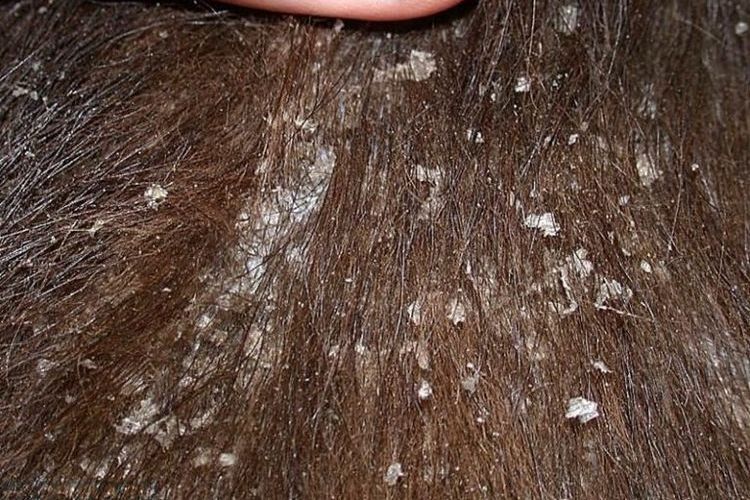
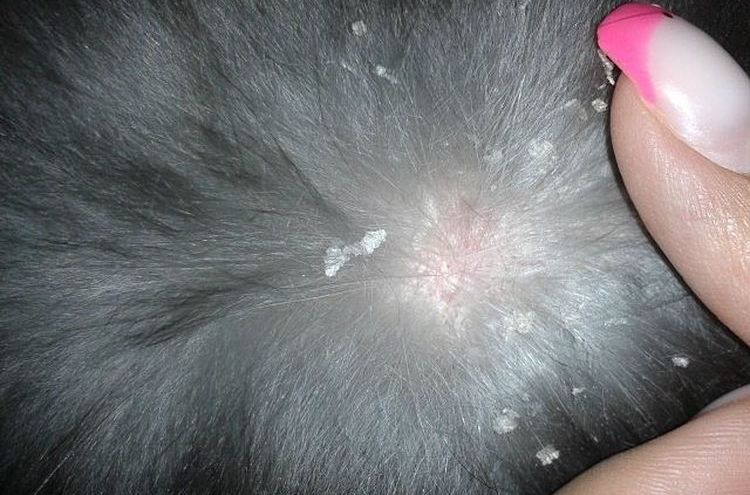
Cheyletiellosis in dogs manifests itself as skin lesions. The disease most often develops on the neck and back. The first sign of infection will be significant increased dandruffIf you look closely at the dark fur, you can see ticks moving.
Cheyletiosis has several stages of development, which can be conditionally divided into the following stages:
- The dog's dandruff increases.
- Itching occurs. It occurs as a result of the chelicerae constantly piercing the animal's skin. The itching is extremely bothersome and will only intensify as the parasites actively develop on the body.
- The result of the tick's vital activity provokes the appearance of scales - dead pieces of skin.
- There is an increase in sebum secretion, which further provokes the formation of scales.
- There is obvious redness of the tissues, alopecia (hair loss).
- Dust and dirt adhere to dead tissue. The dog constantly scratches its skin, which can lead to infection, significantly complicating the animal's condition.
Without proper treatment, affected areas of skin can become covered with a continuous film of dead scales. The animal experiences significant discomfort, anxiety, and may refuse to eat.
In advanced cases, a veterinarian may not immediately understand the cause of severe skin lesions. Therefore, a visit to the doctor should not be delayed when the first signs appear.
Diagnostics
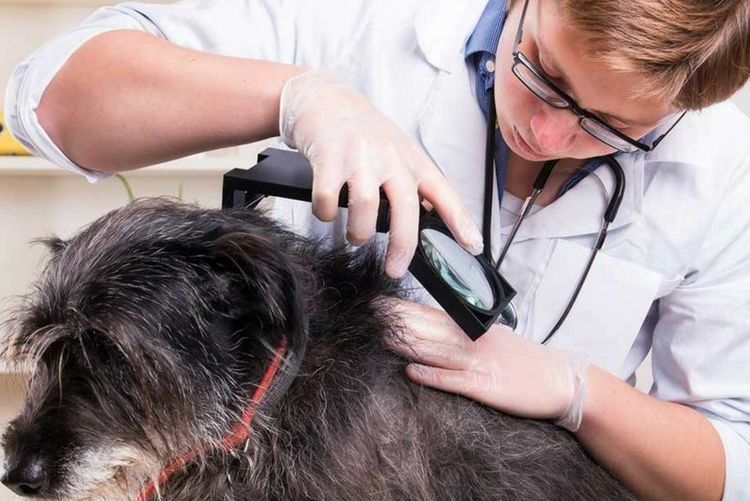
The disease is diagnosed based on clinical presentation and scrapings from the affected area. Samples for examination can be obtained in the following ways:
- using sticky tape, gluing it to the area with dandruff;
- using a hard brush, which will leave scales on it;
- using a scalpel, which is used to remove the top layer of the skin;
- by pulling out a few hairs where they will look for parasite eggs.
The examination is performed under a microscope and allows for the most accurate diagnosis.
Treatment
To get rid of cheyletiella, it's necessary to treat all animals in the house or in constant contact with the infected dog. The pet's personal items, such as bedding, toys, and kennels, will also need to be treated. It's important to note that female Cheyletiella can survive up to 14 days outside the host's body, so they can cause recurrences. To prevent this, the animal will need to be treated several times to interrupt the parasite's life cycle.
Treatment is carried out with anti-tick medications applied to the animal's skin or subcutaneously. These can be used as shampoos, tablets, injections, or drops.
Ivermectin has shown good results. It is a type of neurotoxin with acaricidal and insecticidal properties. Its dosage is calculated based on the animal's weight. The drug is administered subcutaneously, with the procedure repeated after 10 days.

Fipronil spray, a broad-spectrum insecticide, is also effective against Cheyletiella. Selenium- and sulfur-based medications may also be prescribed.
Skin lesions in humans resolve spontaneously after the source of infection is eliminated, that is, the pet is cured.
Read also:
- Scabies in dogs: symptoms and treatment
- Microsporia in dogs: symptoms and treatment
- Histiocytoma in Dogs: Causes and Treatment


1 comment
Elena
Looks like this is our case! We live in the outskirts of the city, and the vet can't find anything to say. They can't diagnose us, and they don't do scrapings here. How can I protect my liver while taking Ivermectin?
Add a comment