
Hachiko: a dog breed from the film
Everyone has heard of Hachiko and his incredible devotion. Numerous articles have been written about him, and several films have been made. Hachiko has long been synonymous with loyalty; his name has been a household word for nearly a century. The most popular and touching film, which has brought many tears to audiences, is the Hollywood film "Hachiko: A Dog's Tale." Naturally, many are interested in learning more about this unique and amazing breed, learning about its character and characteristics. What breed is the dog in "Hachiko"? How much does it cost, and how do you care for it? When was it developed, and who should get one? How does this breed differ from other breeds? What is the true story of this faithful dog, and why has it become so popular? We will try to tell you all about it.
Content
The Story of Hachiko: How It Happened
In 1924, in a small Japanese province, a puppy was born in the home of a farmer and given to Hidesaburo Ueno, a professor at the University of Tokyo. The elderly man adored animals and gratefully accepted the gift. The puppy became Mr. Ueno's eighth pet, and was given the simple nickname Hachi ("Eighth" in Japanese), or simply Hachiko, a diminutive of affection. The dog grew up a kind and intelligent pet, and became a true, loyal friend to his beloved owner.
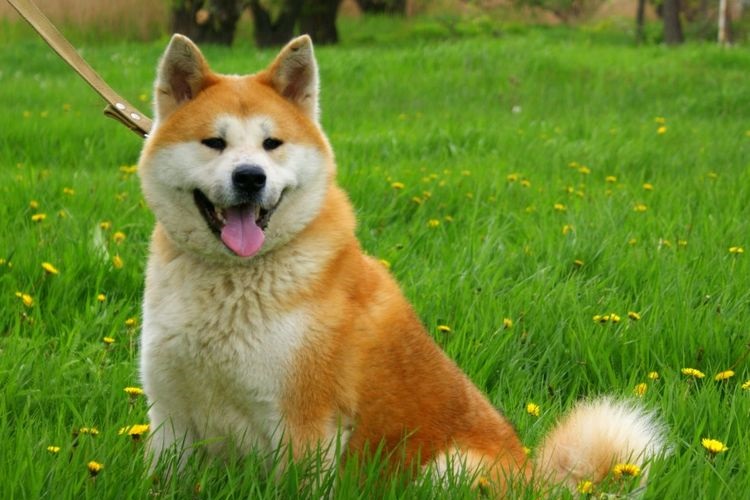
Every day, the professor would leave for university, and the loyal dog would trot alongside him, seeing Mr. Ueno off to the station, only to return on its own. One can only guess how the dog accurately guessed the time, and at precisely 3:00 PM, he would return to the station to wait for the train his master always took. This tradition, a ritual of sorts, became a habit not only for Shibuya Station employees but also for passengers.
But one day, tragedy struck: Mr. Ueno suffered a heart attack during a lecture and died suddenly. Hachikō waited for him at his usual spot, but his master never returned home that evening, nor did he return for the following days. Every day, the dog would be at the station, his devoted eyes anxiously watching passengers disembarking the train, but his master was not among them. People, already accustomed to the sight of their faithful dog, tried to comfort him: they petted him, fed him, and talked to him.
At first, the deceased professor's friends and relatives tried to find a new place for Hachikō, but he steadfastly refused to believe he had lost his friend, returning to the station every day to meet the train. He would wait until dark, until the last train had rolled off, then return to his master's house and spend the night on the porch, only to return to the station in the morning and wait in anxious anticipation. This continued for seven years. News of Hachikō spread throughout Tokyo, and newspapers wrote reports about him.
Hachikō became a legend; people came to the station especially to see the faithful dog with their own eyes. No one could understand what was going on in the dog's heart, who continued to believe in miracles and patiently waited for years for his friend to return. It was impossible to understand, just as it was impossible to explain to the dog why his master hadn't arrived yet. And Hachikō himself was unlikely to realize the fame that had befallen him; he simply continued to wait faithfully, his longing eyes gazing into the distance with hope.
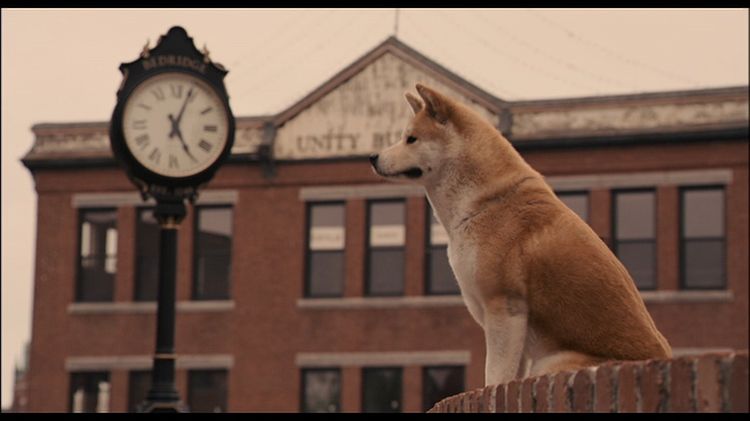
On April 21, 1934, the bronze monument "Loyal Hachikō" was unveiled. The dog became the first animal in history to be immortalized during his lifetime as a symbol of loyalty. He then continued to wait for his owner next to his monument for another year, until his death. He died of cancer on March 8, 1935. Following his death, a national mourning period was declared. The bronze statue of the faithful dog Hachikō still stands in its original location near Shibuya Station and is a popular meeting place for couples.
Hachiko the Dog and Cinema
The story of Hachikō's devotion has captivated cinema. The profound love, poignancy, and utterly disarming loyalty of this selfless creature have deeply moved filmmakers around the world. In 1987, the Japanese film "Hachiko: The Story of Hachikō" was released, and in 2008, the American film company Grand Army Entertainment released a remake, "Hachiko: A Dog's Tale," starring Richard Gere.
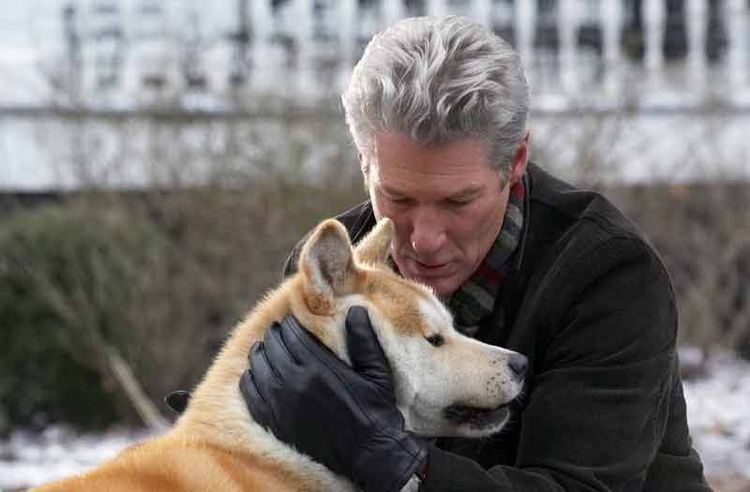
The loyal dog's story has become known worldwide, and now tourists from all over the world visiting Japan make sure to include a visit to the Hachikō monument in their itinerary to see the legendary dog's bronze replica with their own eyes. Scientists around the world are still trying to unravel the mystery of this extraordinary devotion, which has truly astounded the entire planet.
The dog breed from the movie "Hachiko"
Akita Inu The Akita Inu is a breed that originated quite a long time ago, dating back to the early 17th century. It takes its name from the Japanese province of Akita, where it was developed. This is a very bold and willful breed, but at the same time, it is unusually affectionate and intelligent, as can be seen even in the photo of the dog Hachiko. These friendly creatures are wary of strangers but incredibly loyal to their owners. They are courageous, peaceful, playful, and alert. A distinctive character trait of the breed is incredible stubbornness, so the Akita Inu requires a patient owner to properly train it.
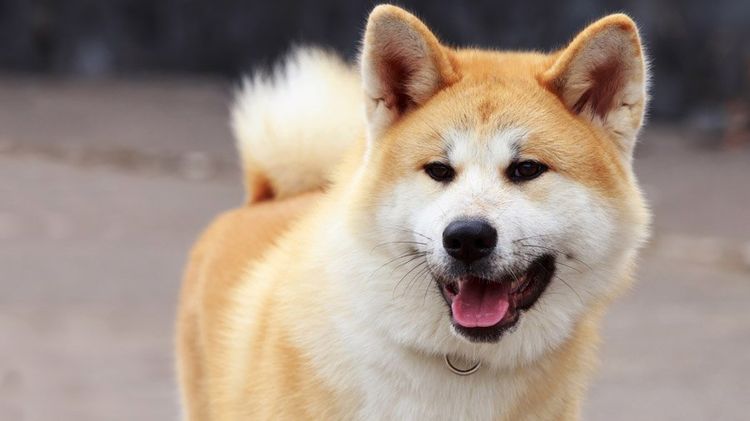
Grooming these dogs is challenging due to their heavy shedding. Akitas are also possessive and won't tolerate other pets in the house, but they love children and enjoy playing with them. These creatures are particularly intelligent, as we saw with Hachikō. Regarding the breed's price, the release of the film "Hachiko: A Dog's Tale" has increased the cost of a puppy. A standard breed puppy now costs up to 100,000 rubles, while a non-pedigree breed can cost up to 30,000 rubles. But, as they say, it's worth it; an Akita Inu will become a true friend.
Read also:
- A photo of the legendary Hachiko has been found.
- The most popular cat breeds
- Ukrainian Levkoy: male and female cats


1 comment
Svetlana
Hello! Could you tell us more about Hachiko's life at Professor Ueno's house? Describe his life there, his relationship with his master? How did Ueno treat him? How much did he love his dog? Did Ueno have a family, children? And what's shown in the Japanese film, where the professor took a bath with Hachiko, spent hours catching fleas on him, and Hachi fell asleep in his arms, is that true?
Add a comment