
Highlander (Highland Links)
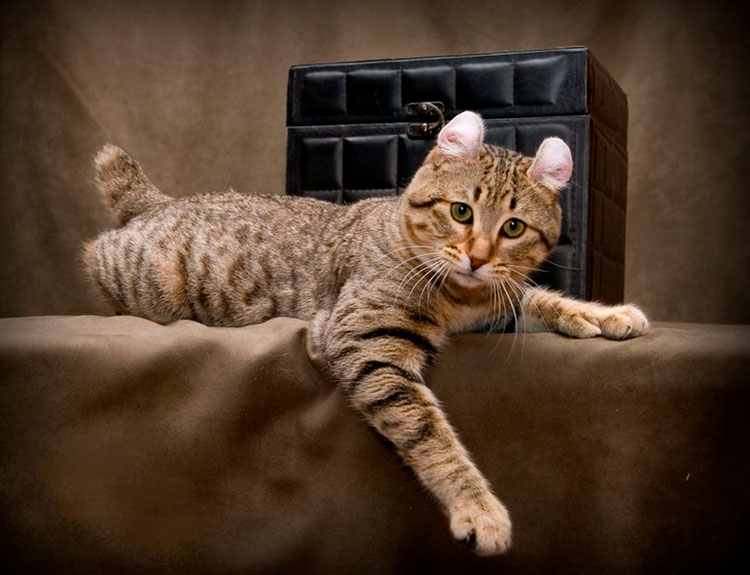
Highlander The Highlander is an American experimental cat breed developed by crossing the desert lynx and the jungle curl. Distinguishing features of the Highlander include a short tail, folded ears, and a tabby pattern. In personality, it is a typical domestic cat, somewhat independent, affectionate, and playful. Other names for the breed include the Highlander Shorthair or the Highland Lynx.
Content
History of origin
Work on the Highland Lynx breed began in 1993. Breeders decided to "improve" an existing cat breed called the Desert Lynx by giving it folded ears. For this, they used not the standard Curl, but a new hybrid breed called the Jungle. curl (mix of breeds: jungle, American Curl, Egyptian Mau, Serenghetti, Bengal (and some others). The choice of the Jungle over the Curl is understandable: breeders did not want to lose the lynx's characteristic spotted pattern. Since May 2008, the breed has been recognized by The International Cat Association (TICA). Since 2016, it has been eligible to be shown in the Advanced New Breed class.
Appearance and distinctive features
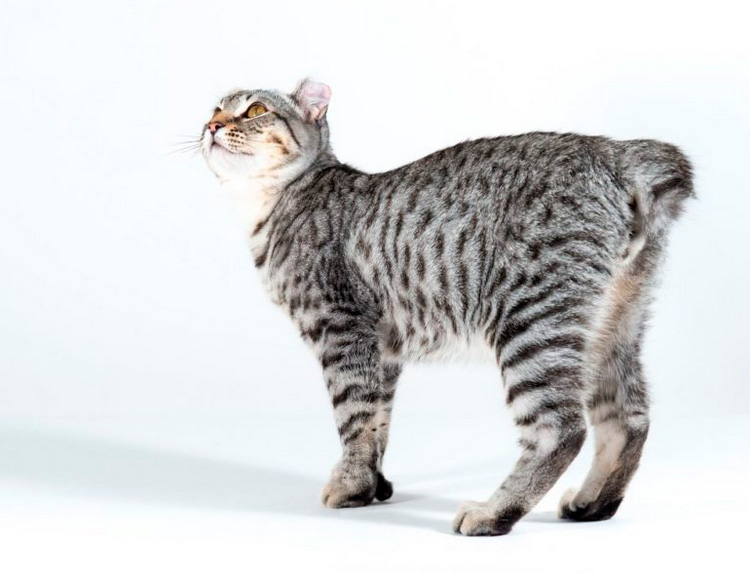
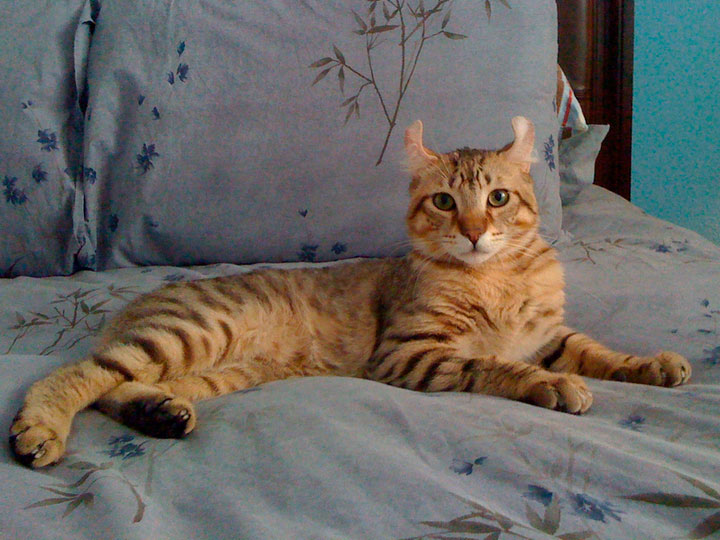
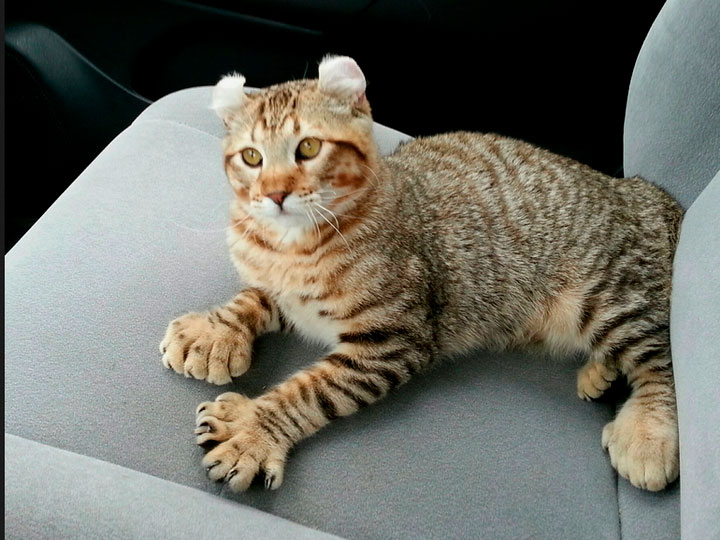
The Highlander is a medium to large cat with an athletic build. Distinguishing features include a tabby pattern, a bobtail, and wide, relaxed ears. Females weigh 4.5-6.5 kg, while males weigh 6.5-9 kg.
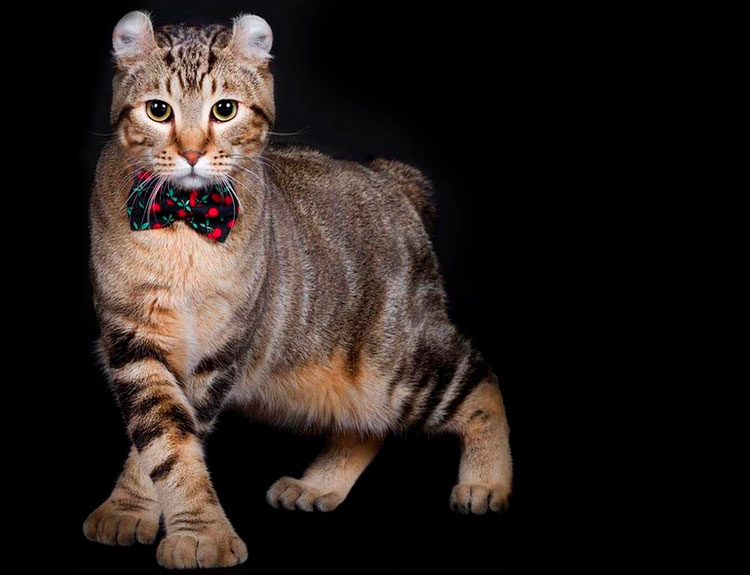
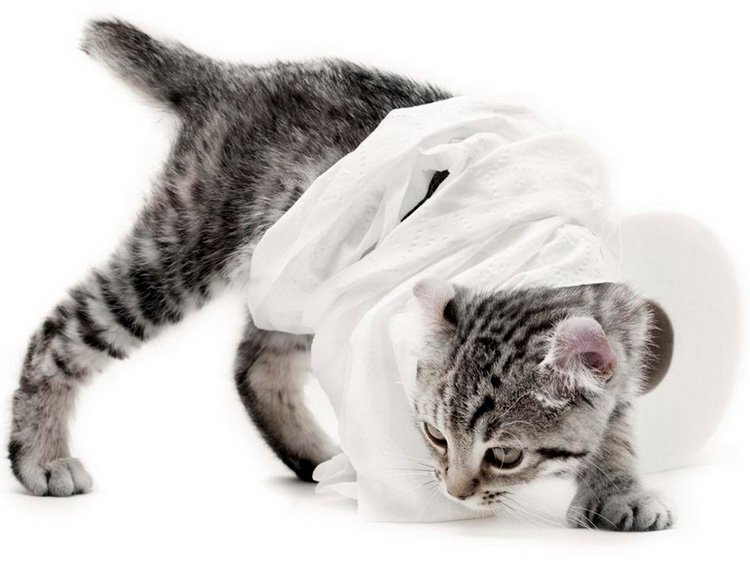
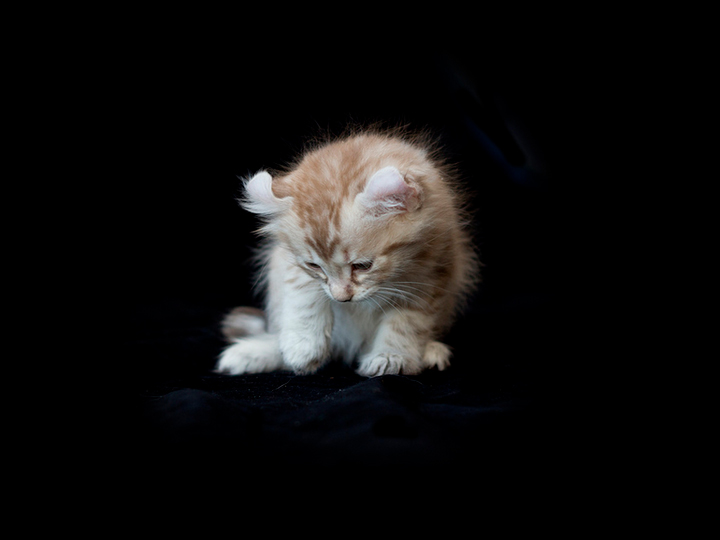
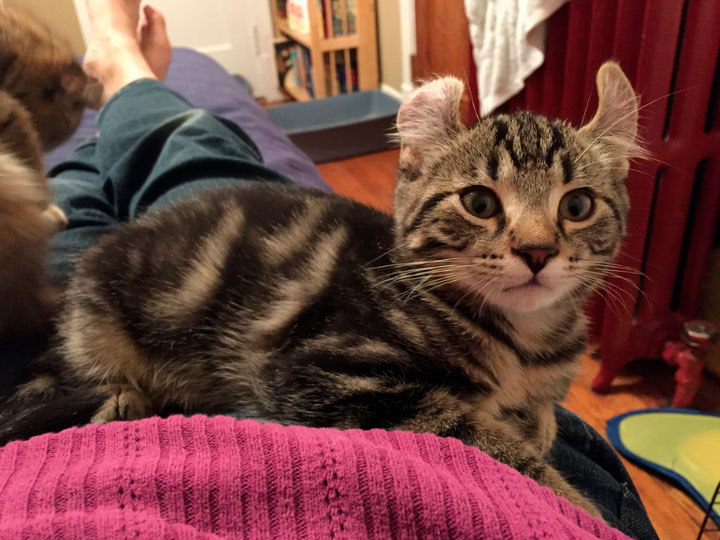
The head is oval. Eye color varies. The ears are medium-sized, wide at the base, with flexible tips that curl back, but no more than 90 degrees. In kittens, the curl is usually more pronounced. The muzzle is broad, with prominent cheekbones and whisker pads. Viewed in profile, the nose, muzzle, and chin form a straight line.
The body is rectangular, the back is straight. The height at the croup is greater than at the withers. The muscles are very well developed. The legs are of medium length, with the back legs slightly longer than the front ones. The tail is short and thick, at least 2.5 cm long. The paws are medium to large, rounded, with noticeable knuckles on the toes. Polydactyly is common in Highlanders. In breeding it is a disqualifying factor.
The coat is dense, with texture varying depending on color and coat length. Highlanders are classified into two types based on guard hair length:
- Shorthaired - short hair lies loosely on the body;
- Longhaired - guard hair up to 6 cm long, falling smoothly to the sides, longer on the belly than on other parts of the body.
Tabby colors (spotted and marbled) are allowed in any color combination.
Character and behavior
Highlanders are large cats with a gentle nature. Affectionate, playful, and moderately independent, they form strong bonds with their family and always strive to be the center of attention. They get along well with other pets, especially those they grew up with and who have been well socialized. They often happily share territory with ferrets, birds, rabbits, and reptiles.
Owners note that Highlanders are very intelligent, easy to train and discipline, quickly learn house rules, and are easily potty trained and leash trained. They are not phlegmatic and won't sleep all day, waiting for their owner to return. However, they are also not climbers who rip down curtains or swing chandeliers. Some representatives of the breed prefer to be held, while others are more independent and dislike laps. They get along well with children and are almost never aggressive, preferring to hide from unwanted attention. They are not particularly talkative cats, but they can express their emotions very vividly in other ways, including by wagging their short tail.
Maintenance and care
Despite its exotic appearance, the Highlander doesn't require any special living conditions or complex care. It will be happy in an apartment with a play structure and a few toys. In a private home, it will happily venture outside and engage in cat fights.
Grooming consists of standard procedures. The coat is brushed periodically. A thorough bath is given as needed. Nails are trimmed as needed. Ears and eyes are kept dry and clean.
Most Highlanders don't require any special diets and thrive on a good, standard diet. Some cats require slightly more protein and can be supplemented with natural meat. Vitamins and minerals are administered as directed by a veterinarian or recommended by the breeder.
Health and life expectancy
The Highlander, like any cat, requires annual lifelong vaccinations, good nutrition, and parasite treatment. There are no known hereditary diseases. Life expectancy is 13-16 years.
Buying a Highlander kitten
In America, the breed is already quite popular; finding a cattery and a kitten for sale is not difficult. Outside the United States, the breed is little known. In Europe, there is a large cattery in France and several breeders in other countries. There is no information on breeders in Russia. Finding kittens is further complicated by the fact that Scottish Longhairs are often mistakenly referred to as Highland cats. Highland Folds.
Highlander cats are registered with TICA. If a kitten and its parents don't have TICA papers, they are not considered representatives of the breed, even if they have all the required external characteristics.
Those considering purchasing a Highland Lynx kitten abroad should be aware that, as of January 2013, crossbreeding with other breeds is prohibited, with the exception of cats listed in the REFR (Rare and Exotic Feline Registry) studbook or another registry. This organization considers the Highlander to be part of the Desert Lynx breed group, along with the Alpine Lynx and Mohawk Bobcat. Kittens with different appearances may be born in the same litter. They are registered as follows:
- White kitten with straight or curled ears, straight hair - Alpine Lynx;
- All white kittens with curly fur are registered as Mohawk Bobs:
- Non-white kittens with straight fur and straight ears are called Desert Lynx;
- Non-white kittens with straight fur and folded ears are registered as Highlanders.
In turn, breeders of the "true" Desert Lynx do not recognize such interference in their breed and believe that the straight-eared Highlander is a hybrid and cannot bear the name of an already formed breed, even a new one.
Price
The price of a Highlander (Highland Lynx) kitten in American catteries typically ranges from $800 to $1,000. These cats are not intended for breeding. The price of promising kittens can reach up to $3,000.
Photos and videos
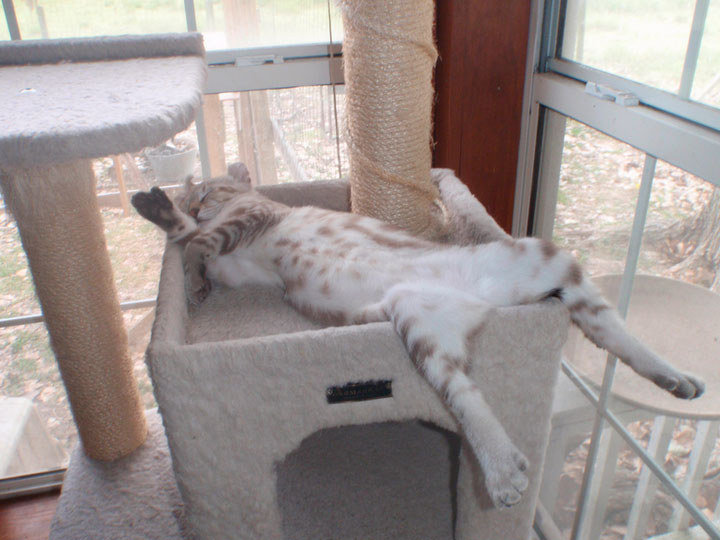
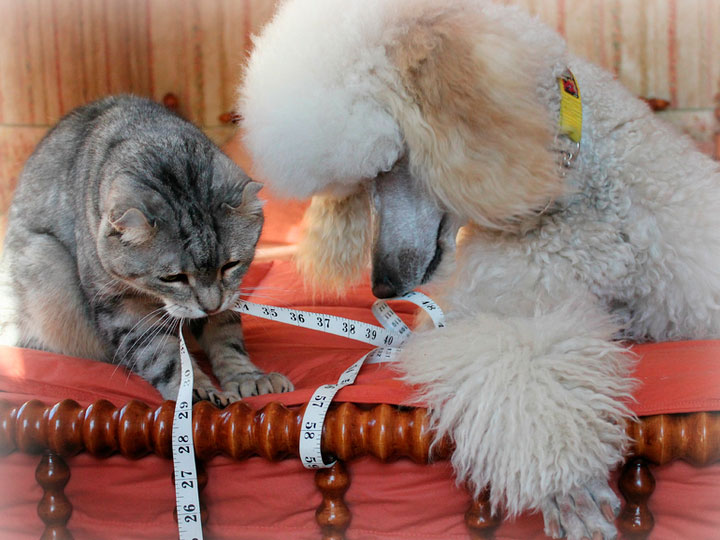
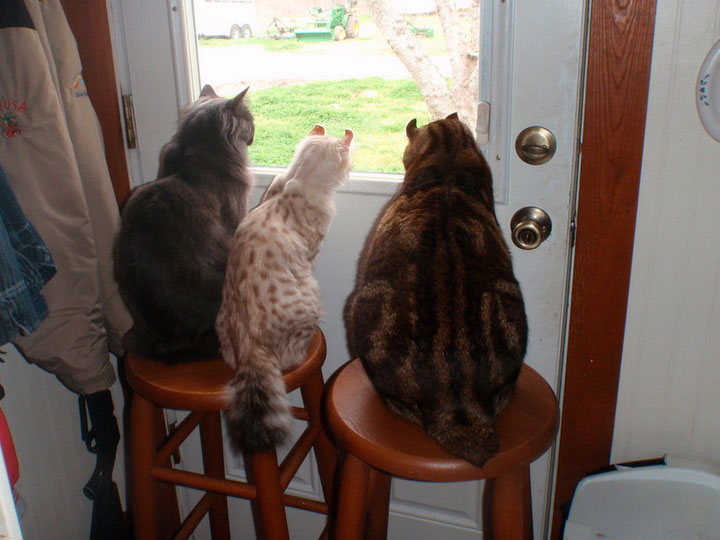
This gallery contains photos of cats, kittens, and male cats of the new experimental Highlander cat breed. Their spotted coats and shortened tails make it clear why the breed is also known as the Highland Lynx.
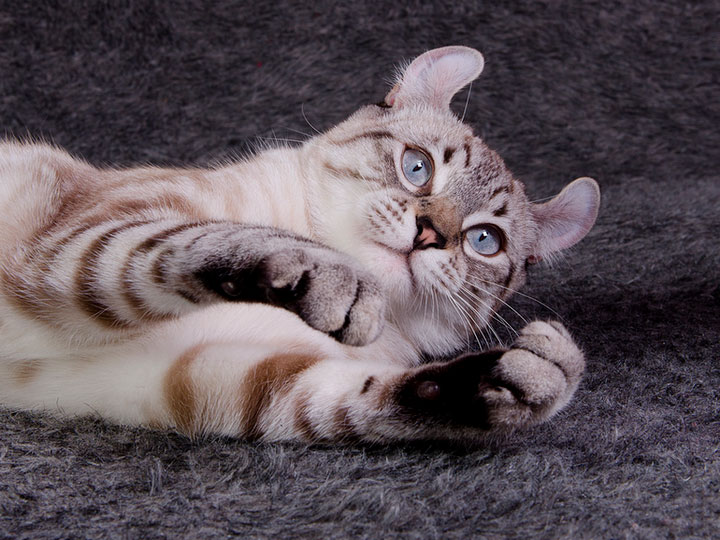
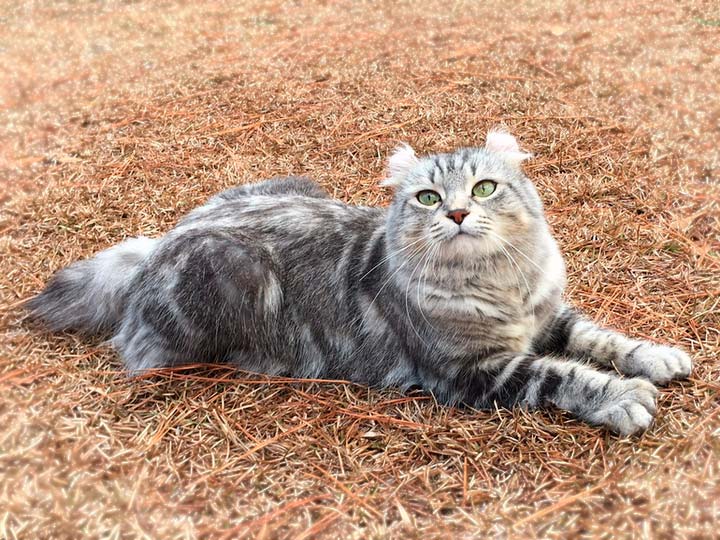
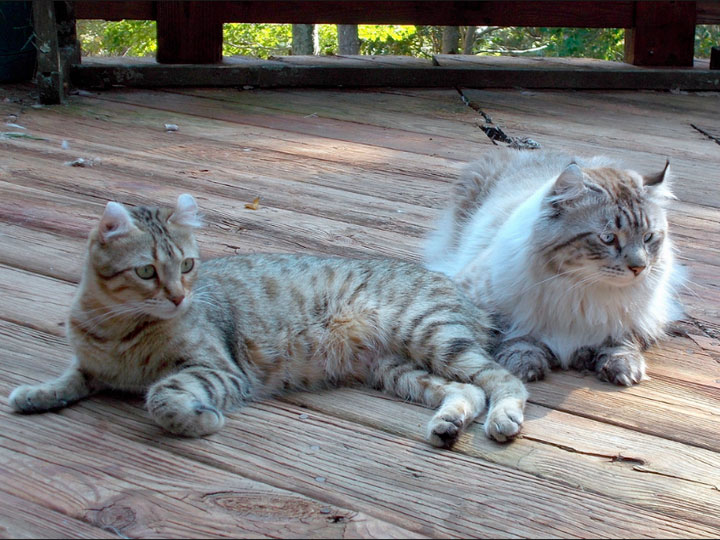
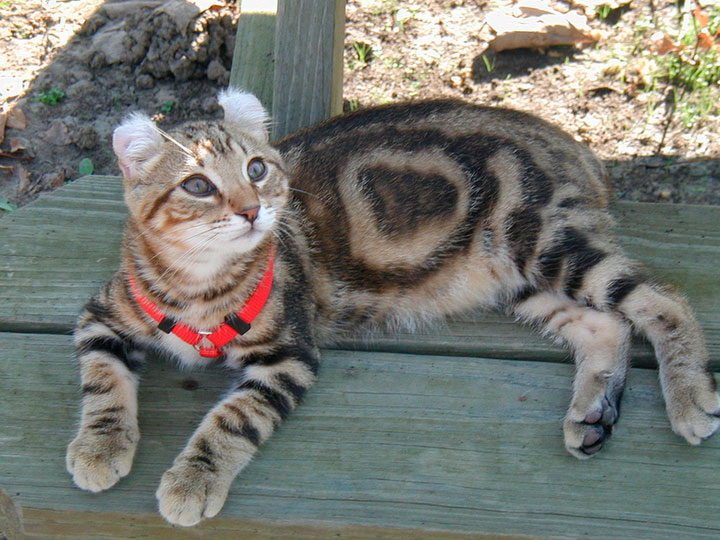
Video about the Highlander cat breed:
Read also:
- How many cat breeds are there in the world?
- How to determine a cat's breed
- Black cat breeds with photos and names


-550x418.jpg)


Add a comment