
Highland Straight (Scottish Straight Longhaired Cat)
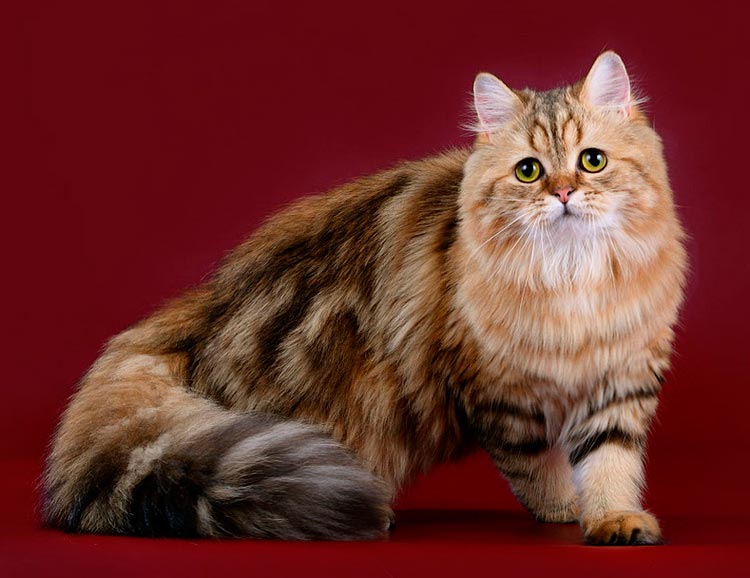
Highland Straight A variety of the Scottish Fold cat breed, distinguished by its semi-long coat and erect ears. They have only recently begun appearing at cat shows, but thanks to their beautiful appearance and pleasant disposition, they have quickly gained a following.
Content
History of origin
The progenitor of one of the most amazing breeds was born in 1961 on a farm in Scotland. The cat was named Susie. She soon gave birth to a pair of charming kittens. Thus began the history of Scottish Fold cats.
Later they began to tie up with the Scots British, Persians and exoticsThe main goal is to develop new colors, but at the same time, the number of cats that carry the recessive longhair gene or are born fluffy has increased significantly. Some breeders deliberately breed longhaired animals to produce kittens with the same characteristics.
Most feline organizations recognize longhaired straight-eared Scottish Folds and allow them to participate in shows.
Appearance
The Scottish Straight is a medium-sized cat, muscular, with rounded contours that are not hidden by its semi-long coat. Sexual dimorphism is pronounced. The average weight of females is 3 kg, and that of males is 5 kg.
The head is round, set on a short neck without a noticeable stop. The nose is short with a soft stop. The ears are small, erect, with rounded tips, and set fairly wide apart. The eyes are wide open, large, and rounded. The color matches the coat color.
The standard for the Highland Straight differs from the standard developed for the Scottish Straight Shorthair cats only in the description of the coat.
The body is of medium proportions, standing confidently on legs of medium length. Toes should be neatly knit. Paws are rounded. The bone structure is medium. The tail is medium to long, proportional, flexible, and tapers to a point.
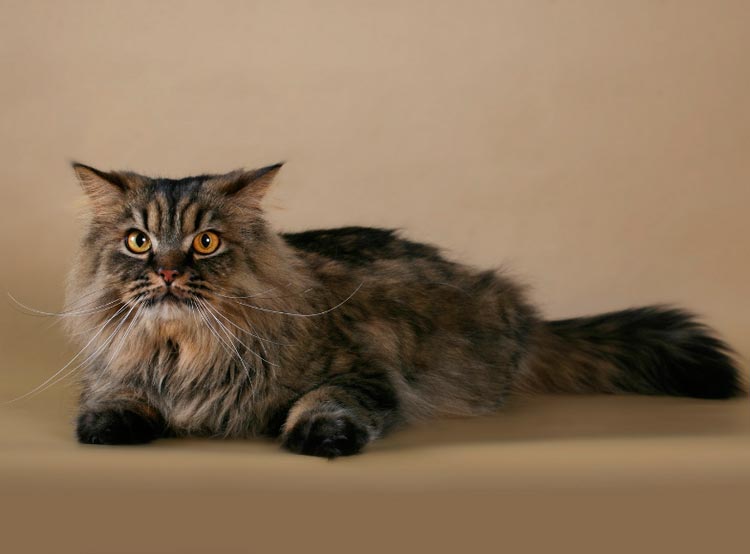
The coat is flowing and long. It slightly resembles wool. Persian cats, but it has advantages: it requires less frequent brushing, doesn't mat, and doesn't require frequent washing. The undercoat is well developed. Colors can be varied.
Character and behavior
Like other Scottish Folds, Highland Straights have a docile, calm nature. They are stress-resistant, gentle, and kind. They thrive in large families with children and with single people. Most don't particularly enjoy being held, but they always try to be close. Highland Straights harmoniously combine sociability and responsiveness with self-sufficiency and independence. Some cats are more willful, while others are gentle and docile, but in any case, they greatly value human company and attention.
Of course, personality traits depend on many factors: heredity, growing up conditions, and upbringing. However, common characteristics do emerge. It's hard to find Highland Straight owners who complain about their pets being mischievous, vindictive, or aggressive.
The Highland Straight is very intelligent and adapts easily to the rhythm of family life. He strives to be obedient. He is not overly energetic or clingy. He meows very rarely and has a quiet voice. He is also very good with children. If he feels overly attentive, he will try to retreat to a secluded spot rather than immediately show his claws. The Highland Straight needs to feel like a full member of the family, receiving attention. Otherwise, he will become sad, lethargic, and lose interest in everything.
Although rare, some Highlanders are increasingly known for their wayward nature, loving the spotlight and demonstratively pushing out their competitors. They strive to achieve their goals at all costs, and are overly curious and brazen.
Content Features
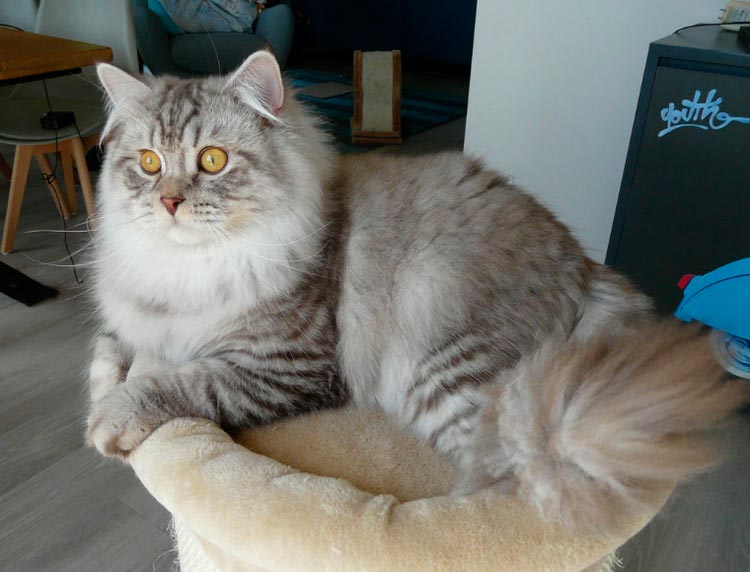
The Highland Straight will do equally well in a small apartment or a spacious house. They'll happily go outside when possible, or will stay indoors if not. Kittens quickly learn to walk on a leash, but adults may have difficulty. Perhaps the only downside to keeping them indoors is their fur. However, it's not much more than that of plush cats and certainly less than that of Persians or Exotics.
At home, they are neat, clean, and quickly litter-trained. They often enjoy secluding themselves under the sofa or in other secluded areas. To maintain good physical fitness, it's advisable to allow them to move around more than just the kitchen. It's a good idea to provide them with an exercise area and a few toys to choose from.
Care
Scottish Longhair cats don't require a lot of grooming. They're easy eaters and take good care of their own hygiene. They do require frequent brushing, once or twice a week. They shed heavily seasonally, but moderately during the rest of the year. Frequent bathing is not recommended for Highland Straights. Their ears should be checked occasionally, but there's no need to clean them unless absolutely necessary. Their claws should be trimmed as they grow.
Some owners trim their Highlanders short to reduce the amount of hair flying around the apartment and to make their pet feel better in hot weather.
Health and life expectancy
Highland Straights are generally healthy. No dangerous genetic diseases or pathologies have been identified in the breed. However, veterinarians and breeders note a slight predisposition to arthrosis and arthritis, as well as genitourinary and digestive problems. Life expectancy is 12-14 years.
Preventative measures, such as vaccinations and deworming, are mandatory. Cats over 5 years of age are recommended to undergo a basic medical examination annually.
Buying a Highland Straight kitten
Today, more and more breeders prefer to breed longhaired Folds and Straights. However, they often appear in litters spontaneously. It's difficult to predict when and in which litters. The easiest way to find a fluffy bundle is through online ads. In this case, it's important to be very careful when purchasing. Be sure to inspect the parents, their documentation, and assess the living conditions. Adults and kittens should appear healthy and well-groomed.
Common kittens may be sold as Scottish Straight Longhairs. Many people have trouble distinguishing them from purebreds, and scammers exploit this.
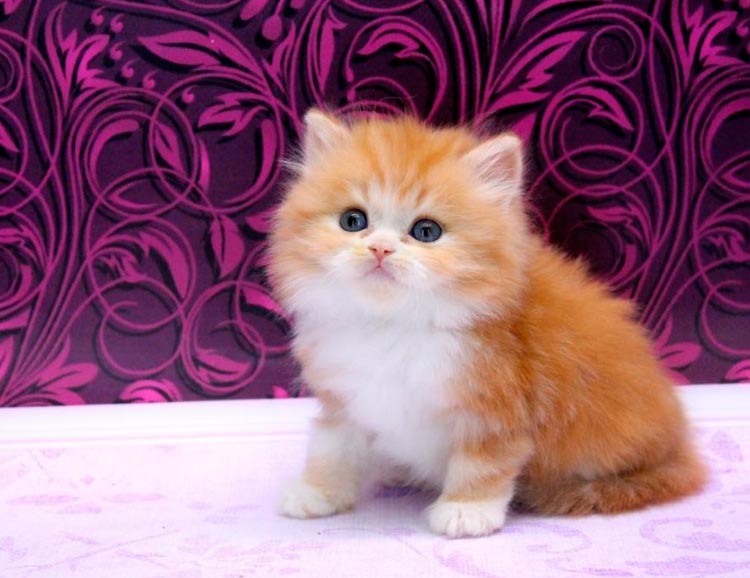
Kittens should be rounded. Their fur is soft and slightly upright, their heads are round, and their ears are set fairly wide apart and pointed slightly to the side. Their paws are strong, and their tail is thick at the base and tapers noticeably toward the tip. Their colors can vary.
The only proof of a kitten's pedigree is a birth certificate, a document of origin. This is issued by the club if the mating is planned. If the mother strayed accidentally, and it's not guaranteed to be with a purebred male, the kittens will not receive documents.
A kitten is usually adopted into a new home around three months of age. At this age, it is already eating well on its own, is litter-trained, and has learned basic social skills from its mother. Owners claim that a Highland Straight's personality is determined in puppyhood and changes only slightly with age. If a kitten is active and playful, it will continue to have a mischievous nature. However, if a kitten is lethargic and timid, it will likely remain so.
Price
The price of Highland Straight kittens varies widely, largely depending on the availability of documentation. If a kitten lacks proof of pedigree, it can cost up to 5,000 rubles. A Highland Straight with a good pedigree from a cattery costs between 15,000 and 40,000 rubles. Mature kittens for shows and breeding may cost more.
Photos and videos
The gallery contains more photos of the longhaired variety of Scottish cats - the Highland Straight.
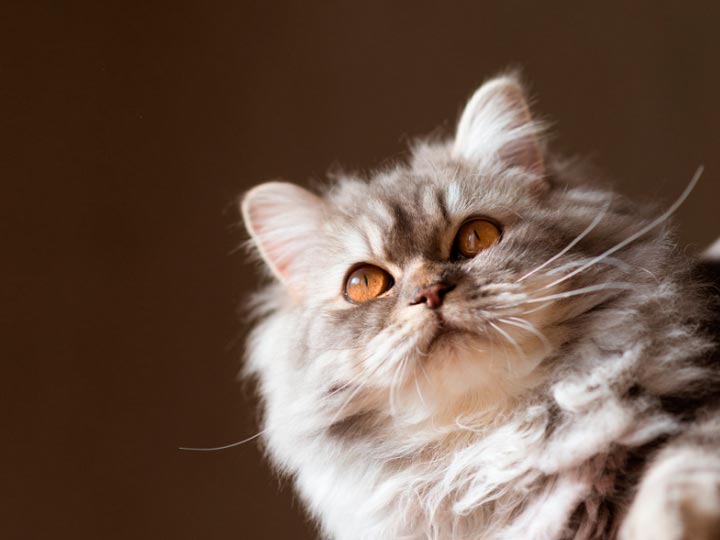
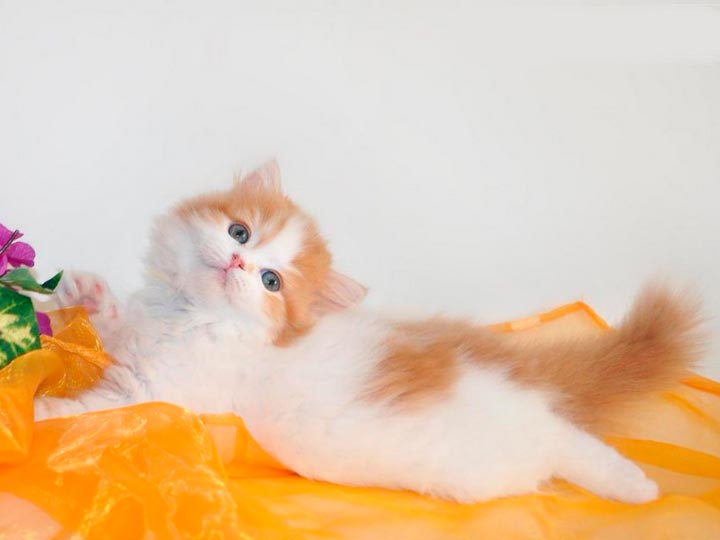
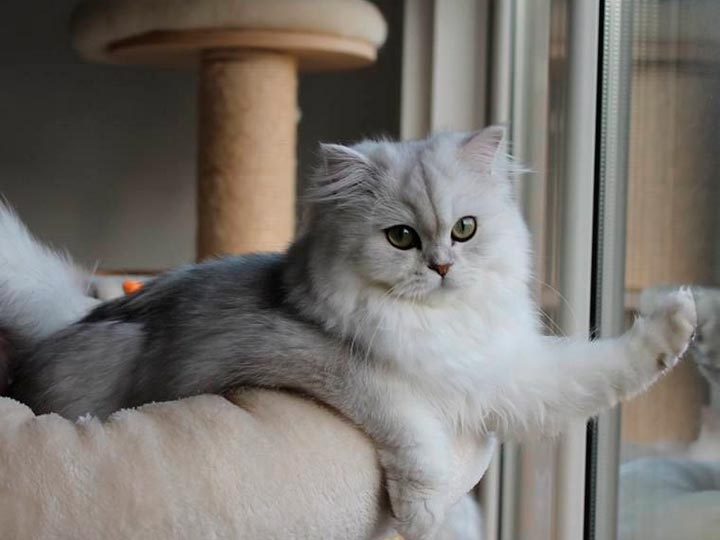
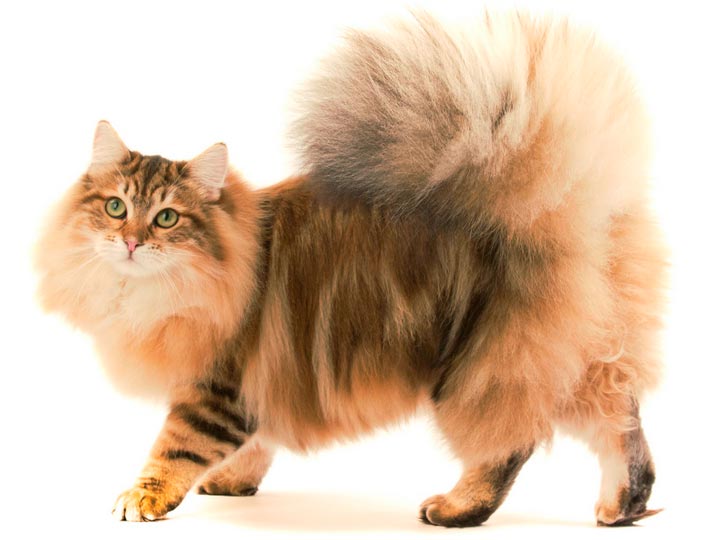
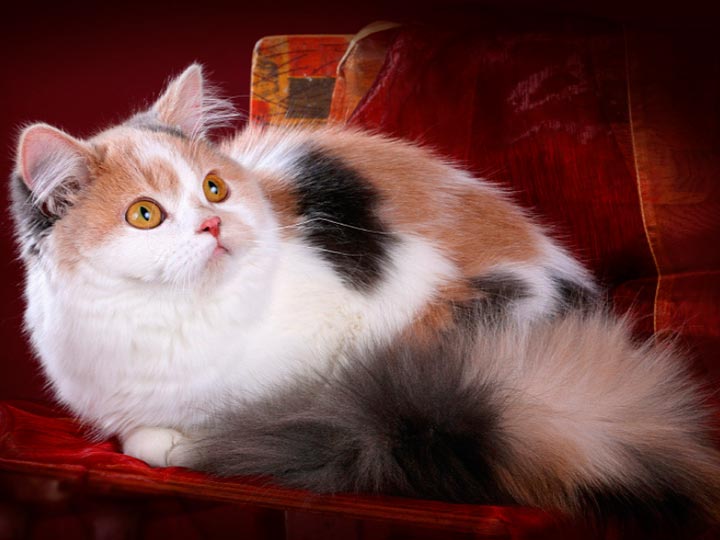
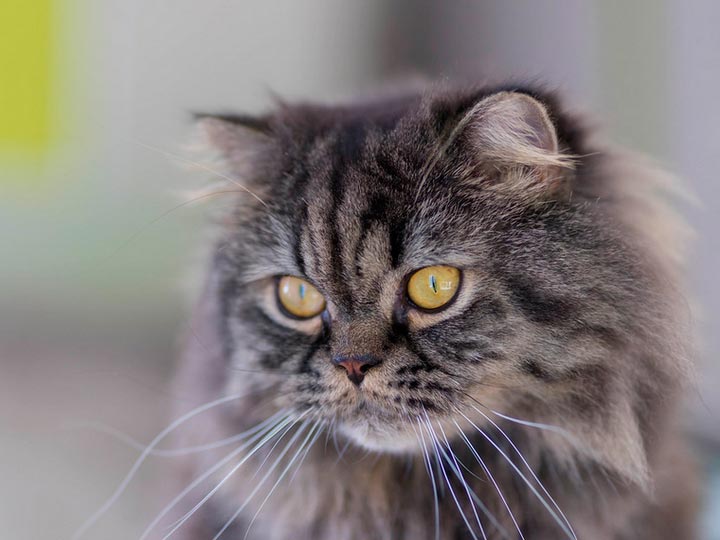
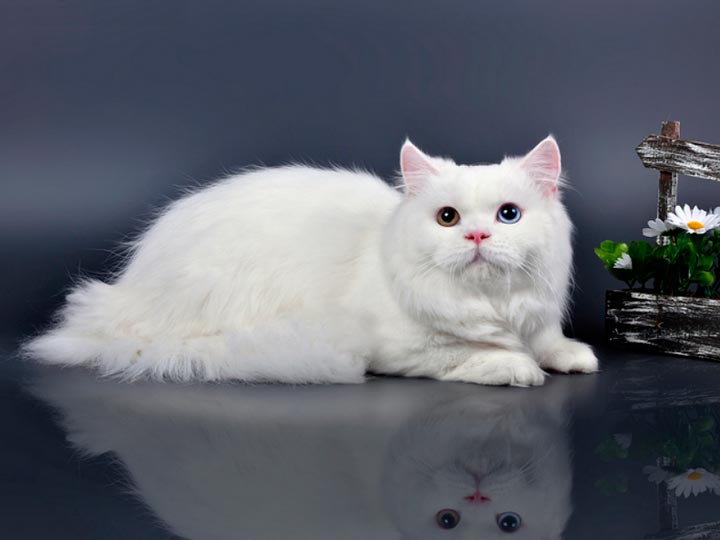
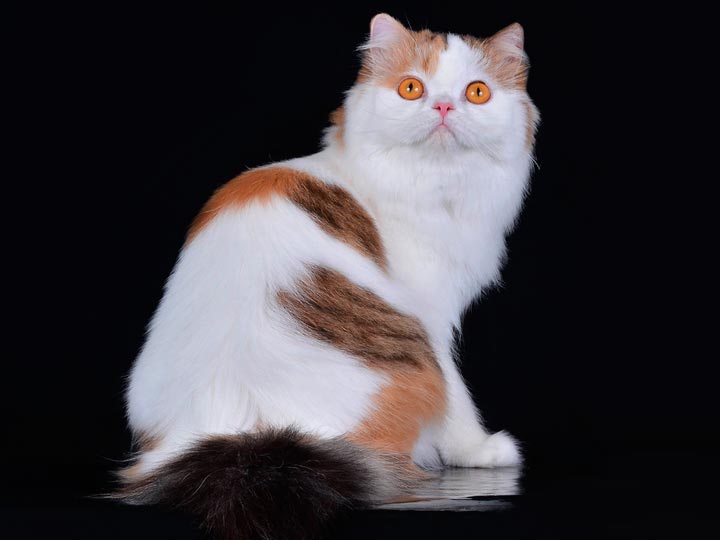
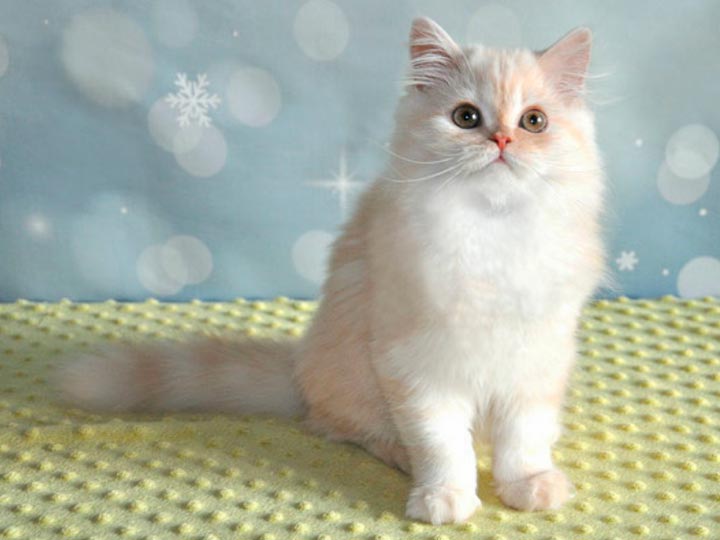
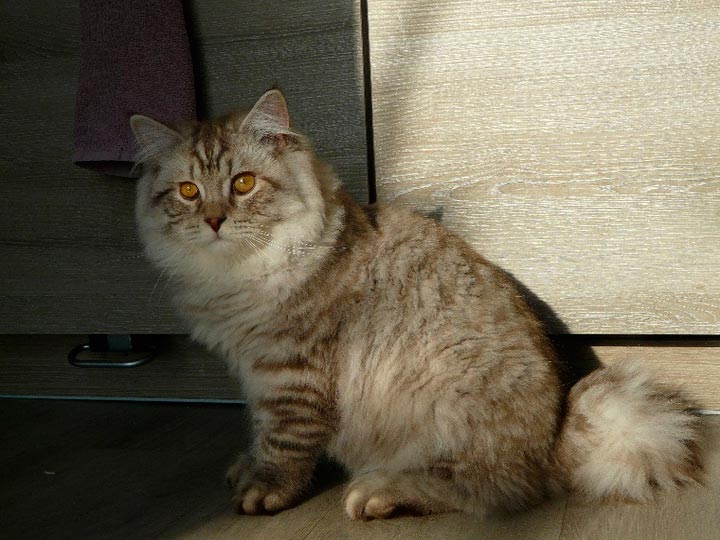
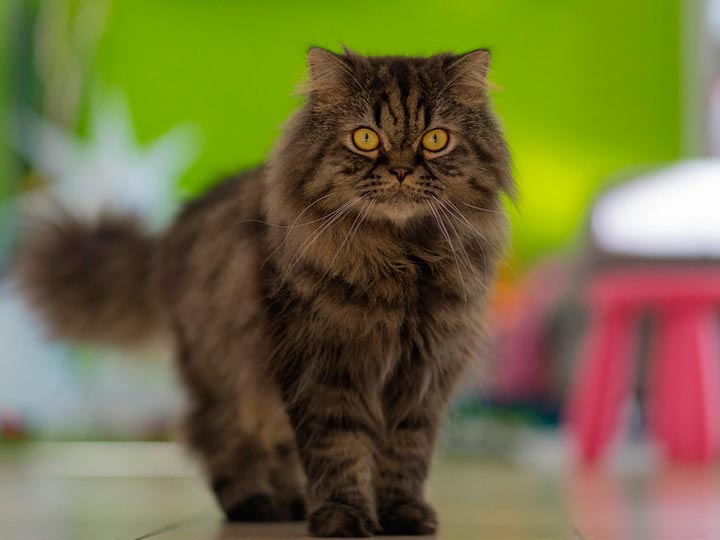
Video about the Highland Straight (Scottish Longhair Straight) breed
Read also:
- Scottish Fold cat weight by month: table
- Nicknames for Scottish Fold cats
- Fluffy Cats: List of Breeds


Add a comment