
Fungus in dogs: symptoms and treatment
Dermatophytosis, or fungal infection, is a fairly common disease in dogs, regardless of breed, age, or living conditions. Because there are many different types of fungi, symptoms and, consequently, treatment regimens can vary. Most types of mycoses are treatable with modern medications, but pet owners should understand that the sooner their pet sees a veterinarian, the better the chances of a full recovery.
Content
Causes of the disease
All fungi are divided into two types:
- Pathogenic (Microsporum, Trichophyton, Favus). Dogs can catch the infection from sick dogs on the street or from their owners who bring the fungal spores with them on the soles of their shoes, clothes, or hands.
- Opportunistic pathogens (Mallaseia, Candida yeast). These are always present on animals, but under certain circumstances their numbers exceed acceptable limits, becoming pathological. They are not contagious to others.
The source of increased sensitivity to fungal infections is most often problems with the immune system. dermatophytosis Young puppies and older dogs with weakened health and compromised immune systems are prone to this condition. The body's resistance is also weakened after taking antibiotics and other strong medications.
The following can be added to the list of provoking factors:
- Tendency to allergies and colds.
- Excessive hygiene, such as bathing several times a week using antibacterial shampoos, leads to a decrease in the skin's protective functions and the growth of opportunistic fungi.
- Poor hygiene. Matted fur and uncombed tangles prevent the skin from breathing properly, which also promotes fungal growth.
- Lack of adequate nutrition.
Forms of fungal diseases
There are three main types:
- Superficial. The fungus is localized on the superficial layers of the skin and mucous membranes. Typically, these areas include the ears, nose, around the mouth, and between the toes. These include Malassezia dermatitis and candidiasis.
- Subcutaneous. As the disease progresses, the infection spreads to deeper layers of the skin, corroding the tissue. Sporotrichosis is one such fungus.
- Systemic infections affect internal organs and are difficult to treat with medication, so the affected areas are most often surgically removed. These include histoplasmosis and aspergillosis.
Clinical picture
The symptoms of fungal infections depend on the type of irritant causing the pathology. If we try to summarize all the signs, we get the following picture:
- At first, small spots of varying diameters appear on the skin. The fur in these areas gradually thins, and the hairs themselves either fall out or break off at the root.
- In the affected area, the skin changes color—it becomes red or gray. Depending on the severity of the disease, the spots can quickly spread to nearby areas of the body or, conversely, remain "frozen" for a long time.
- Whitish sacs form at the hair roots, enveloping the hair follicle. Scales and flakes appear, separating from the skin in large quantities and falling off.
- Over time, large bald spots form, the skin thickens, becomes covered with crusts, and the fungus itself eats away at the tissues deep down.
- The dog experiences constant itching. Its intensity can vary from mild scratching to relentless scratching until the skin bleeds.
Important: To alleviate your pet's discomfort, you can use Stop-Zud or a similar medication. Treat scratches and minor injuries with antiseptics such as Miramistin or MigStim Spray before visiting the vet. It is also recommended to put a protective collar on your dog.
The most common places for fungus to develop are the paws and the area between the toes, as well as the ears.
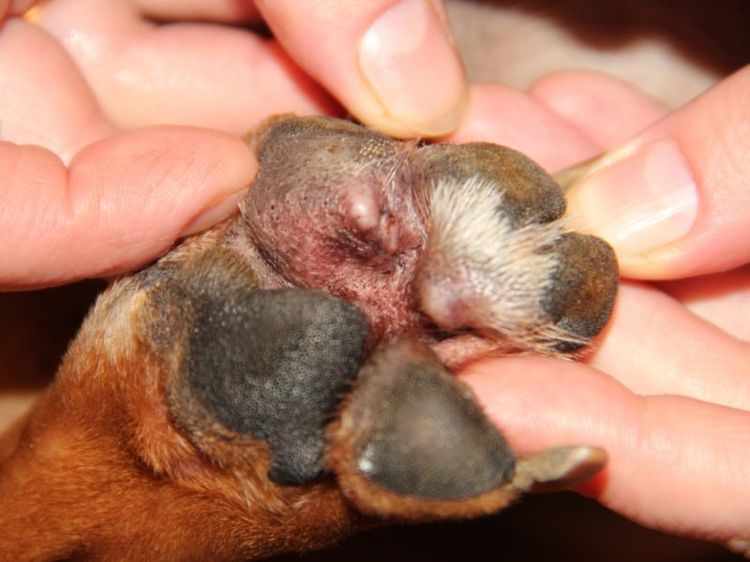
- If the interdigital space is affected, the clinical picture is characterized by rough skin around the nails and paw pads, yellowing and curvature of the nails, and the presence of inflamed crusts and scales. The fungus typically manifests itself in the off-season: spring and fall, when the weather is unstable and damp. The dog begins to chew its toes, itches, limps, or is generally afraid to put weight on the affected paw.
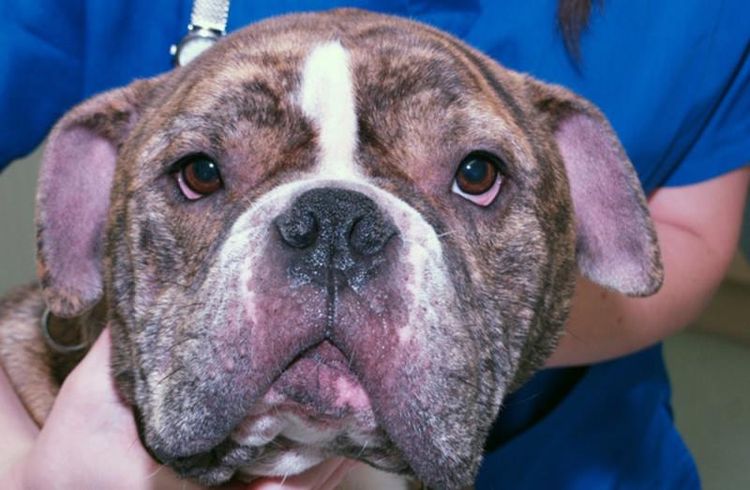
- The inner ear surface and auricle are another favorite spot for fungus. It's easy to recognize—an unpleasant odor emanating from the ear, crusty and rough skin, discoloration, and inflammation. The dog will be constantly nervous, scratching, and shaking its head. Typically, ear fungus is a consequence of, rather than a disease in its own right, various forms of otitis, allergies, mites, and bacterial infections.
Diagnostics
An initial examination is usually performed with a Voodoo lamp—a device with a special light that reveals the fungus in green. However, it's important to note that identifying the type of fungus using this method is impossible. Furthermore, it can only confirm the presence of a fungal infection in approximately 60% of cases. Furthermore, the sparks are often confused with dust and other contaminants.
To ensure an accurate diagnosis, the doctor takes scrapings from the affected areas and then performs cultures in the laboratory. Only after the pathogen is accurately identified can a treatment plan be developed.
Additionally, the following studies may be prescribed:
- A blood test for bacteriology is performed to rule out or confirm the dog's susceptibility to cocci and other bacteria. Alternatively, the animal may have acquired the fungus as a secondary infection, while the underlying cause of the problem is different.
- Blood tests for various types of allergens. If the body reacts to an allergy with a skin fungus, symptoms will return even after treatment. To avoid getting into a vicious cycle, it's necessary to identify the triggering allergen and eliminate it.
- A comprehensive blood test is performed to obtain a general picture of the dog's health, as dogs with weakened immune systems are particularly at risk.
Treatment
Treatment regimens are generally standard, but they are tailored to the identified type of fungus and the severity of the disease. Medications for this condition are available in various forms and can be combined with one another during use.
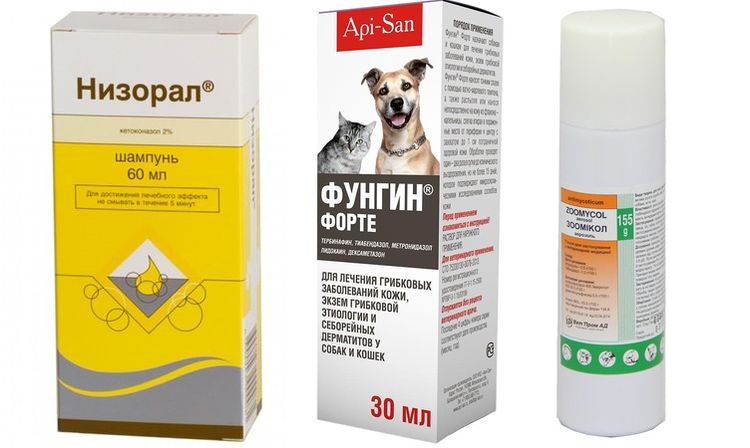
- Antifungal shampoos include Nizoral, Ketoconazole, and Imaverol. They are used both therapeutically and prophylactically. They are effective in cases of extensive skin lesions, as well as after contact with infected dogs, swimming in open water, outdoor walks, etc.
- Antifungal sprays—Fungin, Zoomikol. Spray locally onto affected areas of skin. Recommended for use on long-haired dogs, as they have good penetrating properties.
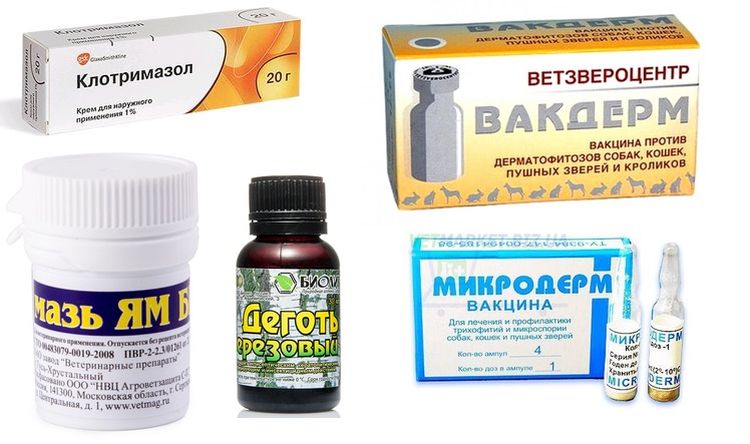
- Antifungal ointments—Juglon, Clotrimazole, Yam—are applied to the affected area and slightly beyond its perimeter. To enhance the effectiveness of the ointment, it is recommended to trim the hair in the affected area. A bandage is applied if necessary.
- Birch tar. A time-tested folk remedy that's quite effective in early cases. It has a pungent, unpleasant odor. It effectively dries wounds and deep scratches, fights fungus, and relieves itching.
- Antifungal vaccination. The most common vaccines are: Vakderm, Microderm, PolivakThey are administered as subcutaneous injections in two stages, separated by two weeks. Some breeds may develop an allergic reaction to the vaccine, causing temporary inflammation or even an abscess at the injection site.
Important: If the identified type of fungus is contagious to humans and other dogs, the pet must be treated with gloves. It is also important to isolate the animal during treatment.
Subcutaneous forms of fungal infections typically present with complications and therefore require more intensive therapy. If conservative treatment fails, surgical excision of the affected tissue is performed. In advanced cases, amputation of the limbs may even be necessary.
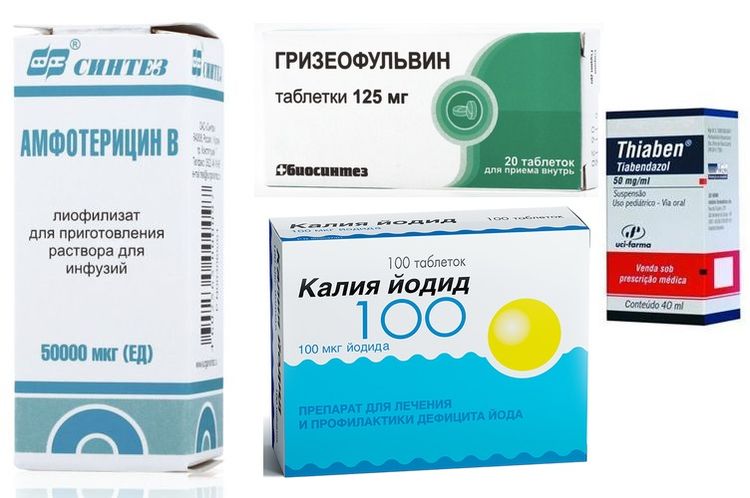
For systemic pathologies, the following drugs are prescribed:
- Amphotericin B;
- Griseofulvin;
- Potassium iodide;
- Thiabendazole.
Compensatory therapy is administered concurrently to relieve intoxication, including intravenous glucose, saline solutions, and calcium gluconate. Additionally, medications are prescribed to restore the cardiovascular system, gastrointestinal tract, and lungs. Antibiotics are often included in the treatment regimen, as fungal infections are a consequence of bacterial flora imbalances.
To maintain immunity, it is recommended to take immunoglobulins, and if finances are available, special hyperimmune serums.
Prevention
Prevention of fungal diseases involves maintaining animal hygiene and limiting contact with infected or potentially infected dogs. The following measures should be taken:
- Thoroughly treat the pet's enclosure or bedding with a chloramine solution. Also disinfect floors, walls, carpeting, furniture, and other objects and surfaces the dog comes into contact with.
- Treat dishes, toys, collars, leashes, and harnesses with formalin if replacing them is not possible. Alternatively, soak these items in a hot baking soda solution, then rinse thoroughly, dry, or wipe with a dry cloth.
- Wash the shoes of all family members daily and hide them in a place inaccessible to the dog.
- Control rodents (mice, rats), as they often carry infections. Make sure your dog doesn't accidentally step into a mousetrap or eat poisonous bait.
- Regularly arrange for your animal to be examined at a veterinary clinic, and undergo appropriate tests and additional examinations.
Read also:
- Pyoderma in dogs: symptoms and treatment
- Acanthosis Nigricans in Dogs: Symptoms and Treatment
- Ringworm in Dogs: Causes and Treatment


Add a comment