
Hot Ears in Dogs: Why and What to Do
Continuing with the topic of diagnosing your pet's condition at home, let's talk about what health problems hot ears in dogs can indicate, why a pet's ear may become warm to the touch, and what to do if you notice this.
Content
Features of the structure of the auricle
Depending on the breed, dogs' ears can vary in size and type (small and erect, or large and drooping). But in any dog, the outer ear consists of dense cartilaginous tissue, permeated with numerous nerve endings and blood vessels.

When touching your pet's ear, you've probably noticed that it feels cool to the touch. This sensation occurs because the organ, located outside the animal's body, intensively releases heat, which is transferred through the blood vessels. However, in some cases, you may notice that your dog's ears are warm. Most often, the ear flap warms due to increased blood flow or an increase in the animal's overall body temperature.
Why do dogs have hot ears?
It's worth noting that warm or even hot ears in a dog aren't always a symptom of a dangerous illness, but if you notice this, it's worth taking a closer look at your pet and finding out why this worrying condition is occurring.
Reason #1 – physical activity or emotional outburst
Dogs' ears may feel warm after vigorous play or any intense physical activity. This is completely normal, as exercise increases heart rate and blood circulation.

A similar effect can occur against the background of an emotional outburst (if the dog is overjoyed or, on the contrary, shows aggression).
In this case, the ears are usually not hot to the touch, but warm.
Reason #2 – Heatstroke
We've covered in detail what happens to a dog's body during heatstroke in the relevant article.
You may suspect this problem if your dog's ears are hot and its nose is dry after prolonged exposure to the sun or a stuffy room at high temperatures. Other symptoms may also be present, such as:
- general weakness;
- nausea, vomiting, refusal to eat;
- lack of coordination;
- elevated body temperature.

Heatstroke is often accompanied by dehydration, and the symptoms themselves can be similar to the onset of other dangerous diseases, so it is best to take your dog to the veterinarian for an examination to determine the cause of this condition.
Reason #3 – Infectious disease
Majority viral and bacterial infections accompanied by a high temperature, which can be indicated by an increase in the temperature of the auricles and dry nose.
Hot and red ears in a dog are considered a dangerous symptom if the animal:
- moves with difficulty;
- refuses to eat;
- breathing heavily;
- loses consciousness;
- has pale (white) mucous membranes.
If you notice any of the symptoms described, your pet needs emergency help.
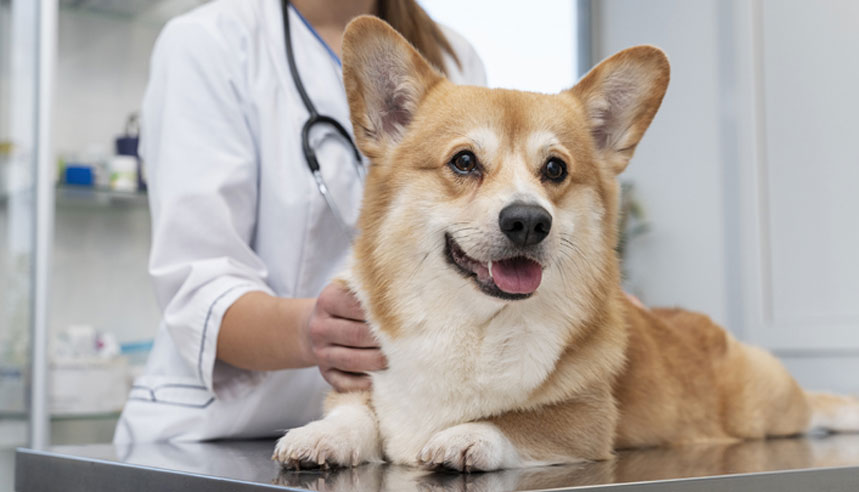
Remember that only a doctor should diagnose and prescribe treatment. Each infectious disease has its own unique course, and treatment requires selecting medications that are effective against the specific pathogen detected in the dog's body.
Reason #4 – ear infection
Otitis It can be external, when redness of the entire auricle or a focus of inflammation can be seen, and internal, when only a characteristic symptom can indicate the disease:
- odor (ears that are inflamed inside have a characteristic odor, which cannot go unnoticed during close contact with the pet);
- itching (at the initial stage, dogs' ears do not hurt, but itch, causing the animal to leave noticeable scratches with its paws);
- anxiety (when the itching turns into pain, the dog rushes about, tries to scratch the sore ear, while yelping in pain).
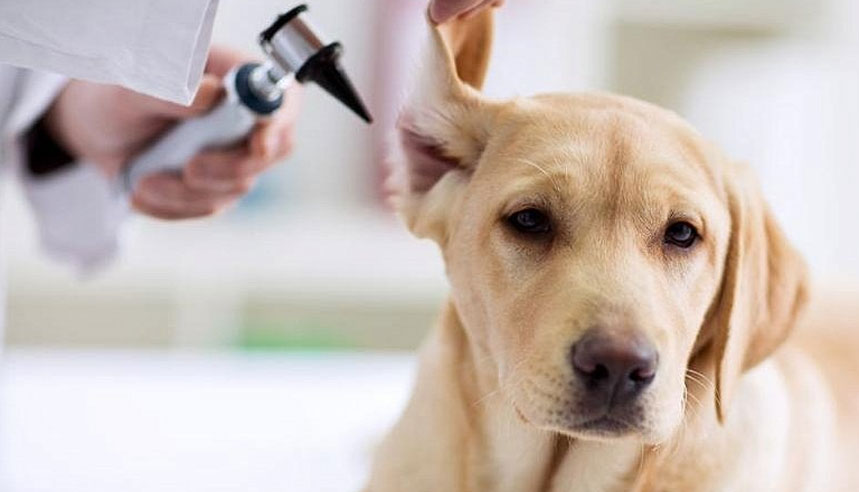
A high temperature may indicate that the owner has missed the initial stage of otitis. If the inflammation has spread to the internal structures of the ear, it won't be relieved with drops alone; systemic, comprehensive therapy is necessary.
Reason #5 – Allergic reaction
Owners of a white French Bulldog, Maltese, or Chihuahua may be concerned about their dog's ears suddenly becoming not only warm but also red. The pink hue can be caused by blood flow to the skin (the capillaries become brighter and show through the thin skin of the ear). However, sometimes the "pink ears" effect is caused by an allergic reaction to food or other allergens.

Only a veterinarian can determine the exact cause of a dog's red ears by conducting specific tests. The first thing an owner can do if they notice their dog's red ears are due to an allergy is switch their pet to a specialized hypoallergenic food.
Conclusion
If you happen to notice that your dog's ears are warm without any other dangerous symptoms, don't panic, but it's worth checking:
- How does the dog feel during the day?
- Does the ear temperature change when the pet is sleeping, at rest, or active?
- how he behaves at home and on walks.
It is quite possible that this is just natural physiological warming and nothing needs to be done.
But if the ears are burning (very hot), and the dog is clearly unwell (unwilling to stand, refusing to eat, or in pain), then it's important to take the animal to the veterinarian as soon as possible. If any dangerous symptoms are present, it's essential to go to the clinic immediately (without waiting for an appointment or until morning).
Read also:
- What to do if a snake bites a dog
- Burns in dogs: what they are and what to do
- Avitaminosis in dogs: symptoms and treatment


Add a comment