
Dutch Smaushond
The Dutch Smaushond is a small, wire-haired dog breed. They were once kept primarily by farmers, serving as guard dogs and rodent hunters. Today, they are popular family dogs and companions. They have a lively intelligence and a pleasant, even temperament. The breed is not widely known outside the Netherlands.
Content
History of origin
The Dutch Smaushonds are descended from German Schnauzers Fawn-colored. They were often kept in stables, exterminating rats and mice, and also accompanied carts or carriages on the road. They are also known as the Dutch Pied Piper, Dutch Schnauzer, or Dutch Griffon. Later, they were given the name Dutch Smaushond, from the Dutch "smaus" meaning rough beard and "hond" meaning dog.
The peak of its popularity came in the early 20th century. In 1905, a standard was written and a breed club was established. In the post-war years, the breed was on the brink of extinction; only four litters were registered in four years, the last in 1949. It wasn't until the 1970s that enthusiasts began to revive and restore the Smoushond population, founding a breed club in 1978.
Appearance
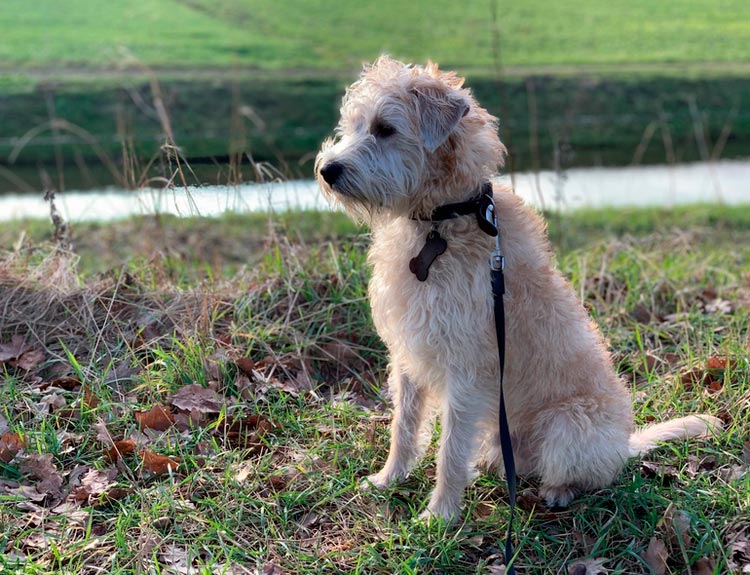
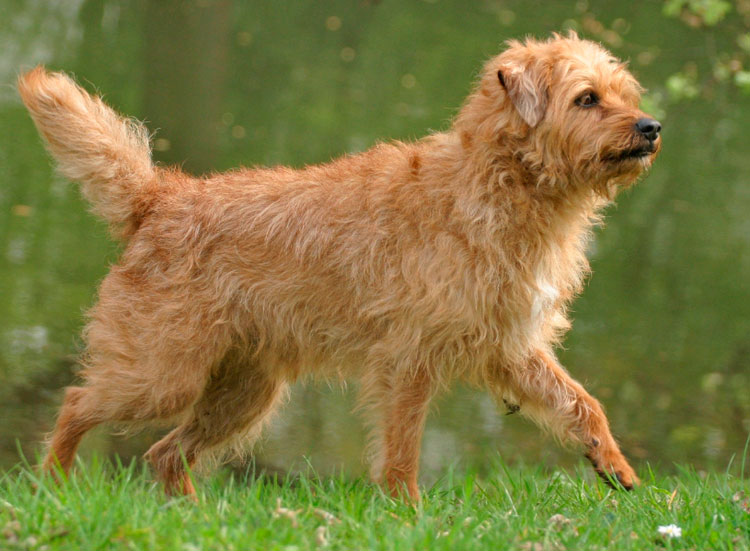
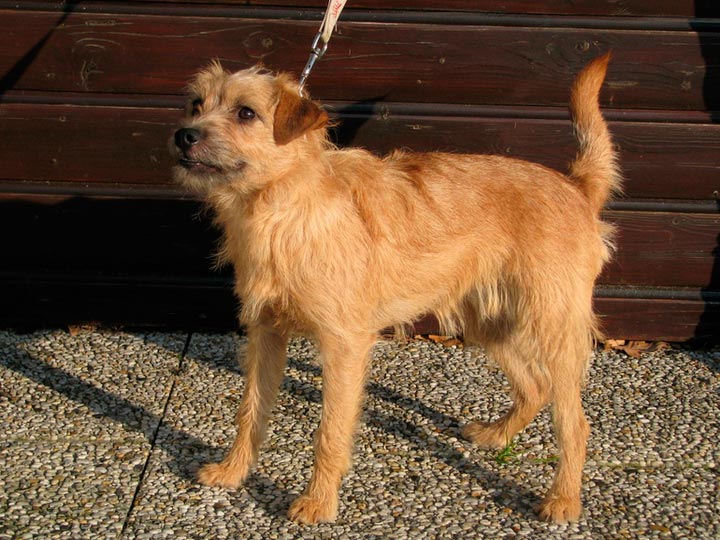
The Dutch Smaushund is a small, sturdy dog with a square build and a compact, solid frame. Sexual dimorphism is pronounced.
- Height at withers: 35-42 cm;
- Weight: 7-11 kg.
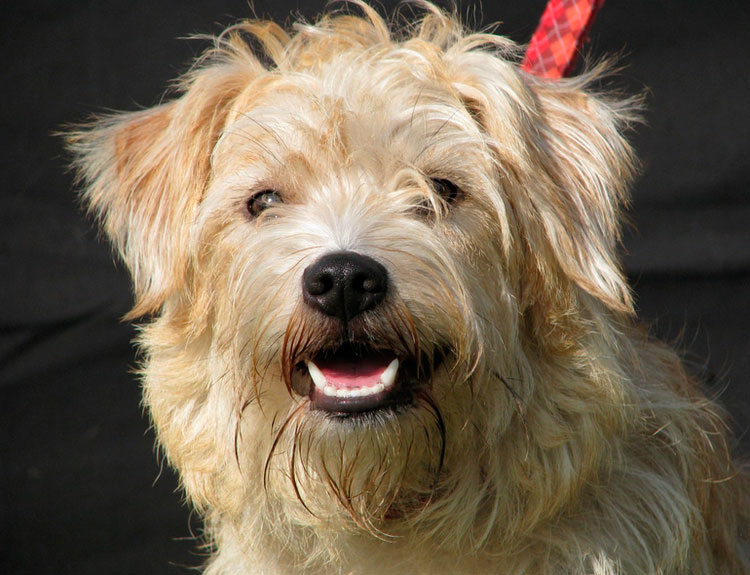
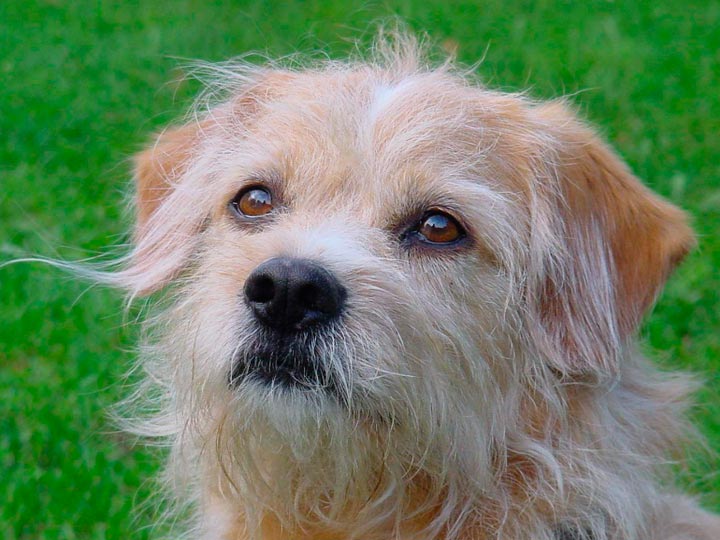
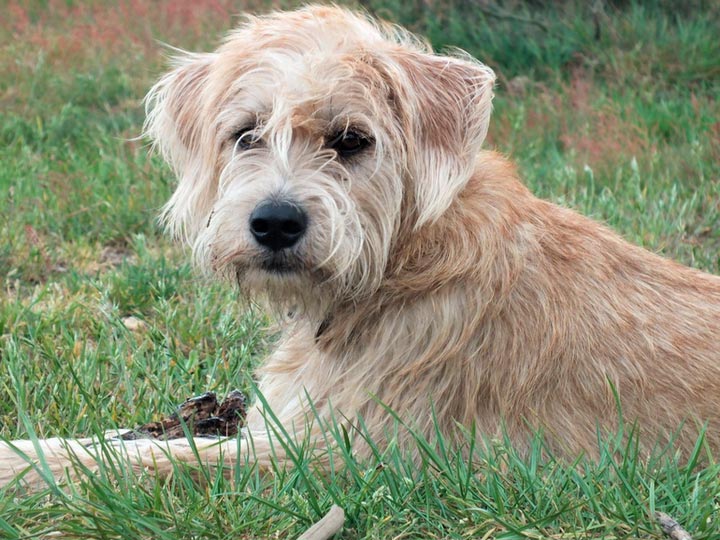
The head is not long, but wide, with characteristic feathering. The skull is slightly domed. The muzzle is wide. The earlobe is black and wide. The lips are edged in black. The eyes are friendly, large and round, dark brown. The ears are set high, relatively small, and drooping. The neck is short and muscular.
The body is strong and sturdy. The back is straight, the loin is slightly arched, and the croup is slightly convex. The chest is broad but not too deep. The belly is slightly tucked up. The tail is short, no longer than the hocks, carried gaily, and not curled over the back. The limbs are strong and moderately angulated.
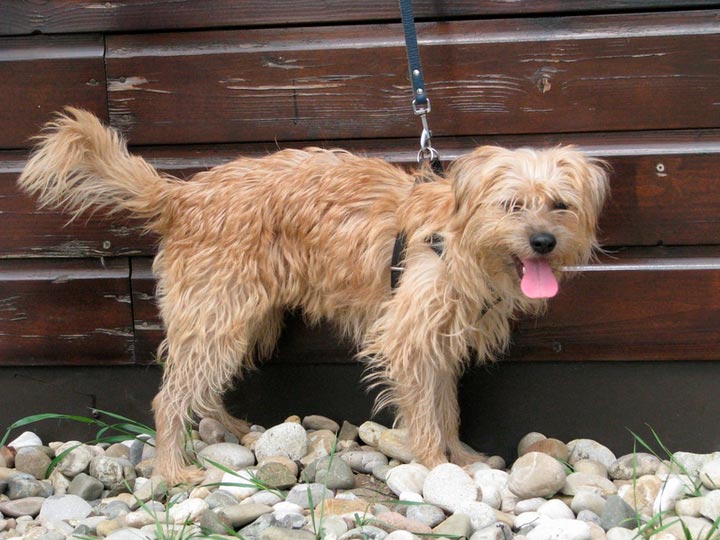
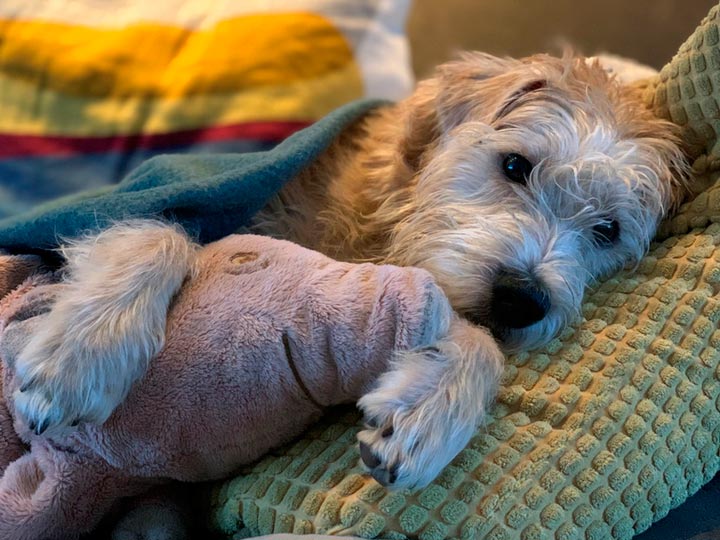
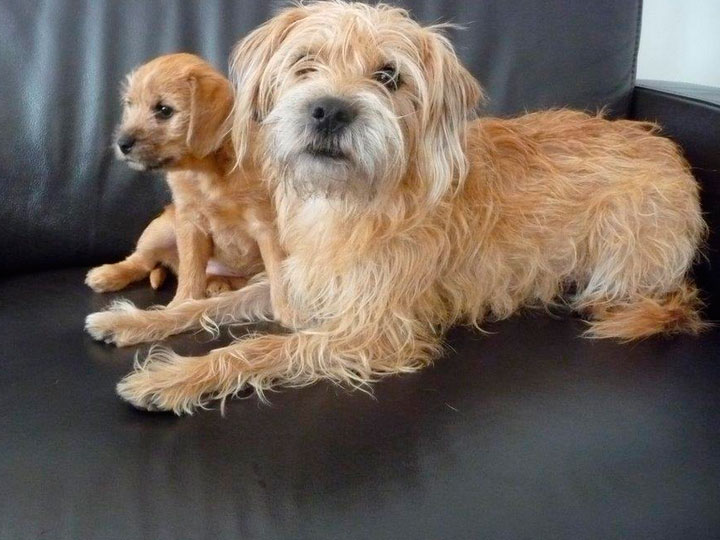
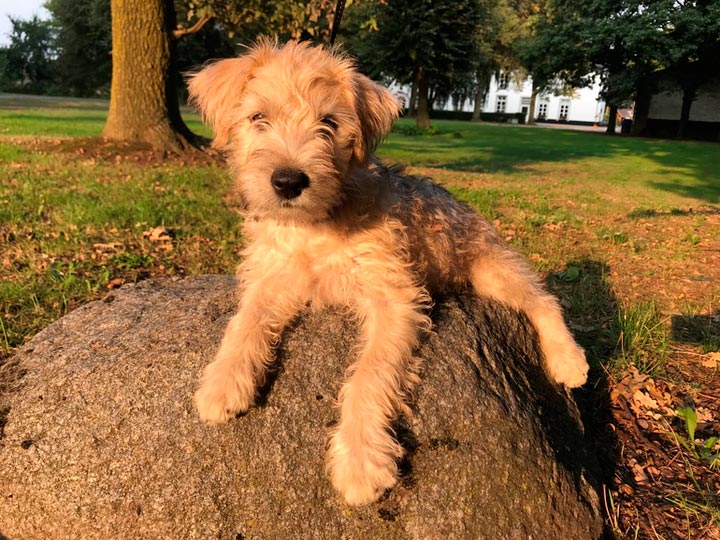
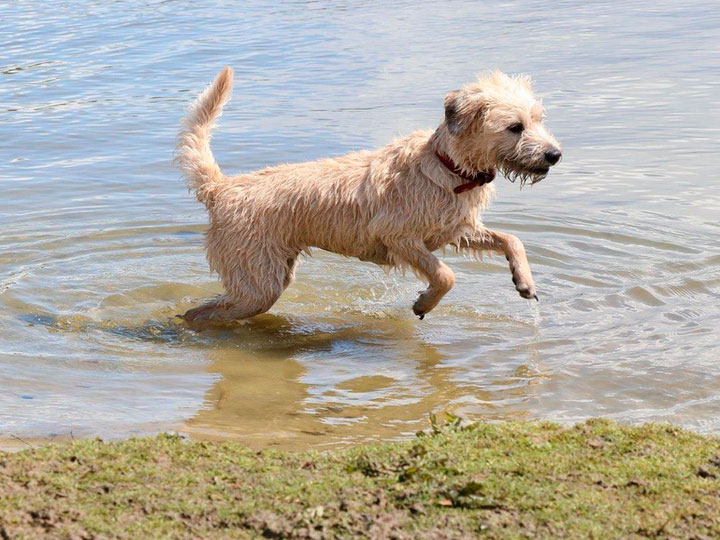
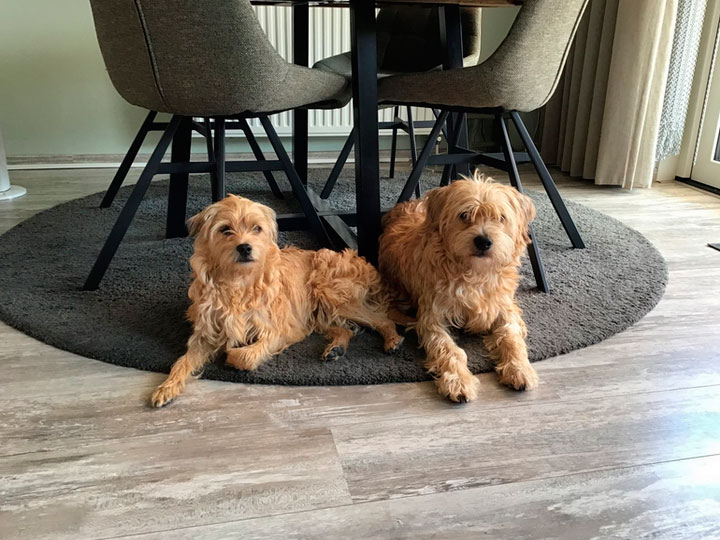
The coat is coarse, harsh to the touch, straight, and tousled. Hair length is 4-7 cm. The undercoat is well developed. Curly or wavy hair is undesirable. The hair on the head forms a mustache, beard, and eyebrows. On the legs, it is directed backward, not obscuring the outline. The tail is fluffy, but without fringe. The color is a solid yellow of any shade, with straw being preferred. The mustache and beard may be slightly darker.
Character and behavior
The Dutch Smaushond is friendly, playful, sociable, and not shy. It is not nervous or fussy. Communicating with it is easy and pleasant. The Smaushond is devoted to its owner and strives to please them in every way. It has a lively mind and exhibits varying degrees of independence. It gets along well with older children and can be a companion in various games. Contact with small children, who could inadvertently injure the dog, should not be left without strict supervision.
They are easy to train and manage. They can participate in sports such as agility, freestyle, flyball, and similar activities.
Smaushunds have long since ceased to be used as ratters, but they retain a more or less pronounced hunting instinct. They can show an interest in small animals. They get along well with other pets, cats, and dogs.
Content Features
The Dutch Smaushond is easy to maintain. It adapts well to city apartments, houses, and outdoor living. It prefers cool climates. It requires daily walks and enjoys playtime with its owner, nature trips, and swimming.
Care
The Smaushund's wiry coat trimming 2-3 times a year. It grows out completely after about 3 months. The puppy is first trimmed at 6-8 months. At shows, they are shown in their most natural state. During the cold season, a thick, soft undercoat develops. Bathe the dog as needed, but not often, and only with shampoo for wiry coats. Trimming the hair is not allowed. The ears are examined weekly and cleaned as needed. The eyes and teeth are monitored.
Health and life expectancy
Overall, the breed is healthy, but since it's still in its infancy, it's too early to talk about any specific genetic diseases. The club maintains strict controls. Only dogs free of hip dysplasia and other hereditary diseases are allowed into breeding. Life expectancy is 12-15 years.
Where to buy a puppy
Today, the breed is still in its developmental stages. Those seriously interested in purchasing a puppy must join a waiting list through the official Dutch breed club, paying 15 euros. The organization also oversees Smaushund breeding in other countries. All dogs are examined and described twice, once at seven weeks and once at one and a half years.
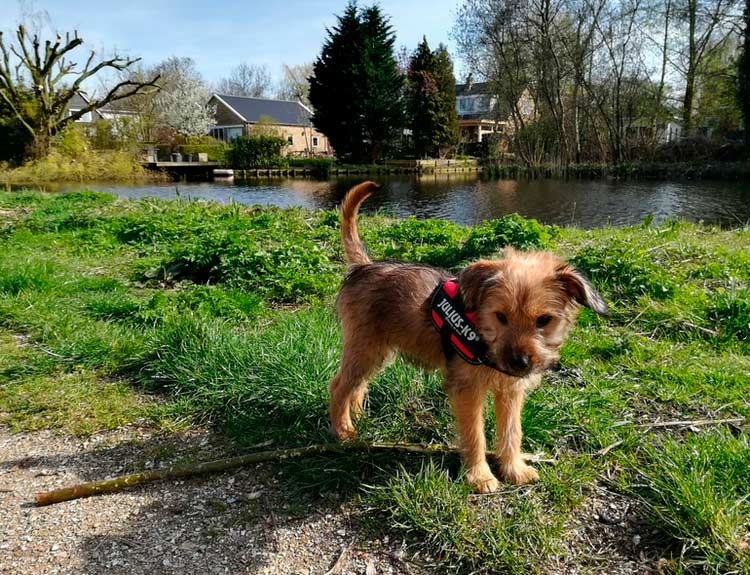
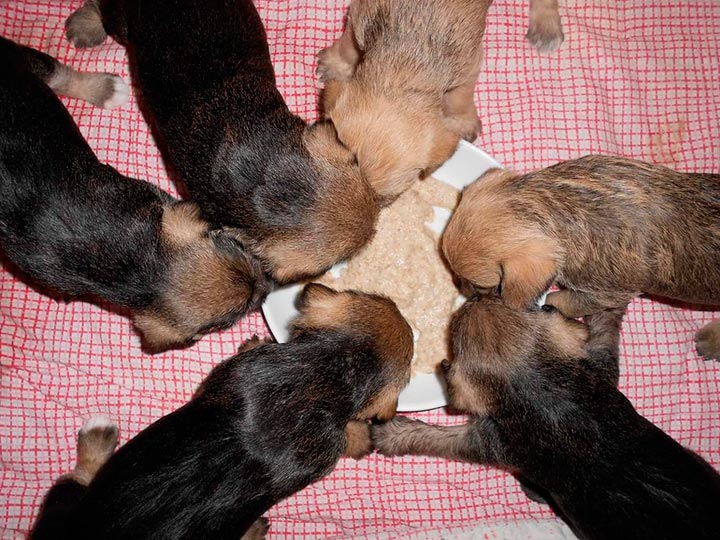
Puppies have much darker fur than adult dogs (photo in the gallery).
Price
According to the national breed club, the cost of puppies is 300-400 euros.
Photos and videos
The gallery contains more photos of Dutch Smaushond dogs.
Video about the Dutch Smaushond breed
Read also:


Add a comment