
Dutch Shepherd (Herder)
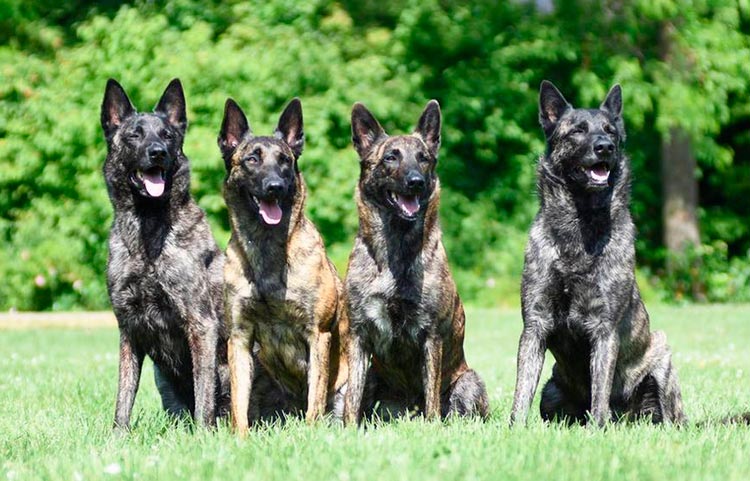
The Dutch Shepherd is a working dog breed suitable for guarding and protecting animals, serving as a companion and personal bodyguard. Another name for the breed is the Herder. The Dutch Shepherd can be briefly described in a few words: intelligent, easily trained, balanced, hardy, and loyal.
Content
History of origin
The Dutch Shepherd breed developed in the Netherlands in the 19th century. It is essentially the result of crossing local shepherds with Belgian and other breeds, of which history is silent.
Until the early 19th century, shepherds in Belgium, the Netherlands, and West Germany were very similar in appearance. They were bred primarily for working qualities, so the phenotypic characteristics of dogs even within a given region were very vague. In other words, there were certain similarities between shepherds, but no one aimed to make their dog look like the "neighbor's"—the main thing was that it worked well. By the end of the 19th century, the situation changed. Dogs across Europe began to be actively classified by breed. Dutch breeders decided to keep up. They noticed that their local dogs also shared many common traits, allowing them to be distinguished from Belgian and, especially, German dogs.
The Dutch Shepherd was first exhibited in Amsterdam in 1874. Four years later, it received official recognition and its own name, Hollandse Herdershond. In 1898, the Dutch Shepherd Club and studbook were established, with only 17 dogs listed that year. There is evidence that in the late 19th and early 20th centuries, smaller shepherds were classified as Belgian Malinois, and larger ones were classified as Herders, which significantly increased the population and expanded the gene pool. Modern dogs are judged according to the standard approved by the Fédération Cynologique Internationale in 1960. The breed is considered quite rare. As of 1998, there were 750 wirehaired Dutch Shepherds, 1,000 longhaired Dutch Shepherds, and 2,000 shorthaired Dutch Shepherds registered worldwide.
In 1998, the Dutch breed club in Arnhem, Netherlands, organized a celebration of the Dutch Shepherd's 100th anniversary. The celebration included a dog show featuring 242 shepherds of all three varieties.
The Dutch Shepherd has never been considered a fashionable breed. The population is small, especially in the CIS countries. The majority of dogs are concentrated in the Netherlands and neighboring countries, as well as in the United States. In Russia, the first litter of Dutch Shepherds was bred in 2013 from dogs exported from the United States. Since then, about a dozen breeders have emerged who specialize in the breed.In many countries around the world, the Dutch are used in military service, customs, and police work, confidently replacing Germans and Dobermans.Video about the Dutch Shepherd dog breed:
https://youtu.be/20BSTOCIE8w
Appearance
The Dutch Shepherd is a sturdy, well-proportioned, medium-sized dog with a slightly elongated build. The height at the withers for males is 57-62 cm (22-24 in), and for females, 55-60 cm (22-24 in), and their weight ranges from 30-40 kg (66-88 lb).
The head is proportionate to the body, elongated, not massive, and dry. The muzzle is slightly longer than the flat skull. The bridge of the nose is straight, parallel to the skull. The stop is slightly defined. The lips are tight. In wire-haired dogs, the head appears more square, which in fact is not. The ears are small, erect, set high, and directed forward. The eyes are medium-sized, almond-shaped, set slightly obliquely, and dark in color. The nose is black. The bite is scissor-like, with strong teeth.
The neck is dry, medium in length, and blends smoothly into the topline of the body. The back is short, strong, and straight. The loin is strong, not too long or narrow. The croup should not be sloping or short. The chest is deep, not flat. The ribs are slightly sprung. Overall, the body is strong and well balanced. The forelimbs are strong-boned, straight, and well-furred at the pasterns. The hindquarters are uniformly strong, with strong bone and good muscle tone. The stifles are moderately angulated, and the metatarsus should be vertical under the ischial tuberosities, resulting in a moderate hock angle. Dewclaws None. The paws are well-knit. The pads are dark, and the nails are black. The tail is straight, hanging or slightly curved, reaching to the hock joint, and is slightly raised when moving.
Based on the quality of their coat, Dutch Shepherds are divided into three types:
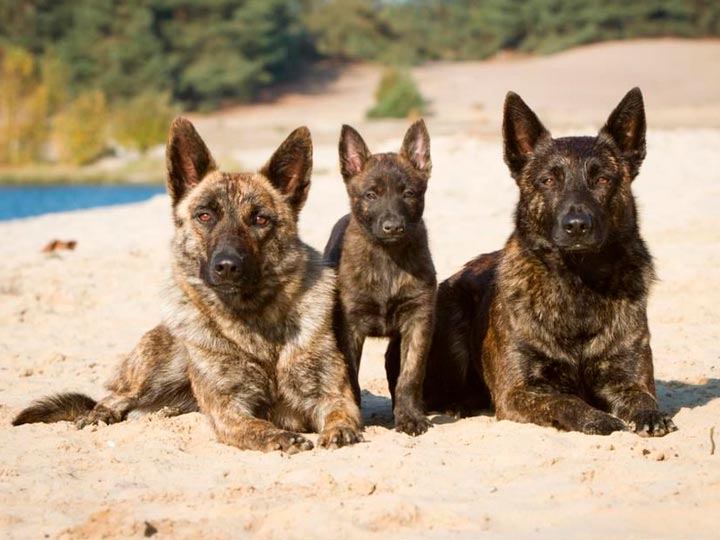
- Shorthaired; the coat is short and harsh, with a rich undercoat. The collar, breeches, and tail hair are very well developed. The coloring is brindle on a brown or gray base. Stripes run over the entire body, as well as on the collar, breeches, and tail. Excessive black outer coat is undesirable. A black mask is appreciated.
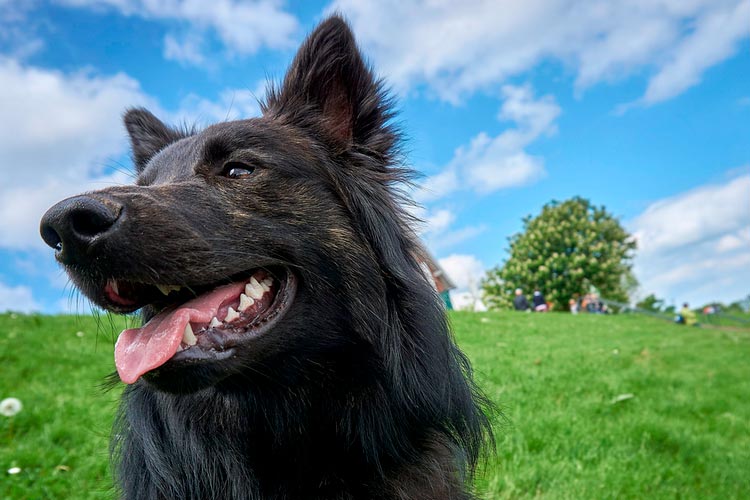
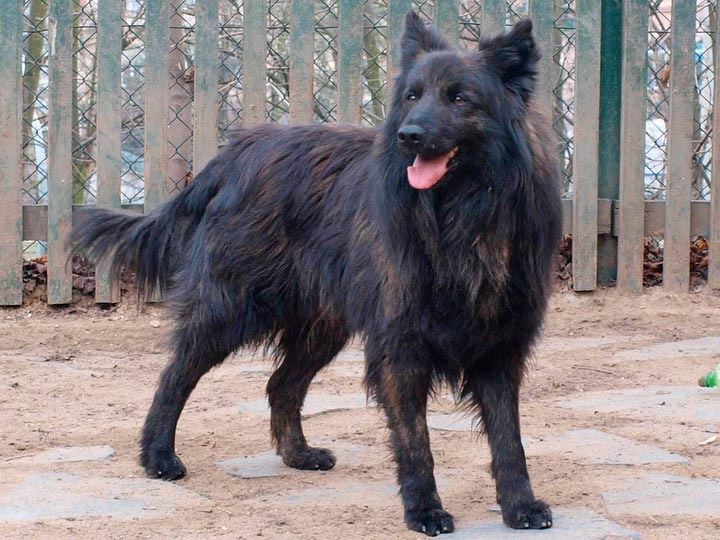
- Longhaired; the coat is long, straight, and coarse to the touch all over the body, without curls or waves. The undercoat is well developed. The hair on the head, ears, paws, and hind legs below the hocks is short. The back of the forelegs is feathered. The tail is well feathered, but without fringe. The coloring is the same as that of the shorthaired variety.
- Wirehaired; the coat is dense, harsh, and tousled, except on the head. The undercoat is well developed and dense. The coat should be tightly closed throughout. On the head, the hair forms a mustache and beard, as well as shaggy eyebrows. On the skull and cheeks, the hair is less developed. Abundant breeches are appreciated. Coloration is blue-gray, pepper and salt, gold, or silver brindle. In wirehaired brindle dogs, the stripes on the topcoat are less pronounced than in other varieties.
The presence of large white spots on the chest and paws, as well as anywhere else on the body, is not welcome.
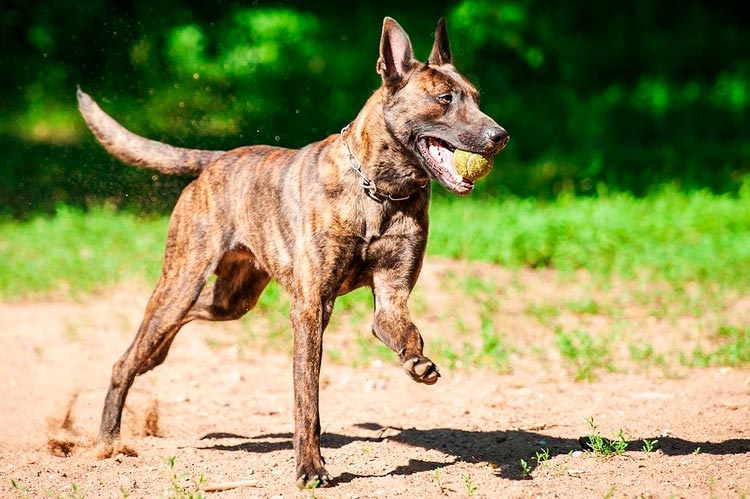
Unofficial type - Dutch Shepherd-X
Potential owners interested in purchasing a Dutch Shepherd puppy in the Netherlands will likely encounter another type of these dogs, the so-called x-Dutch Shepherd. It is not bred according to FCI regulations and is officially considered a crossbreed. It owes its origins to the Royal Association of Dutch Police Dogs (KNPV), which neglected paperwork and purity, focusing solely on working characteristics. Not all Dutch Shepherds bred for police work are purebred; many are crossbreeds with Belgian Shepherds or other breeds, which is why their prices are significantly lower. There are no papers, so shows and official breeding careers are a thing of the past, but their working qualities are often excellent.
Character and behavior
The Dutch Shepherd is a cheerful, hardy, and active dog with a balanced temperament. They are calm and affectionate with children, forming strong bonds with all family members, but are unwaveringly devoted to only one person—their owner. A huge advantage is that Dutch Shepherds are easy to control, do not attack without provocation, are very obedient, do not run away, and are non-confrontational. They get along well with all other pets, including cats and small animals.
The primary goal of modern breeders is to preserve the working qualities, character, and temperament of the Dutch Shepherd. They should be hardy, courageous but not aggressive, wary of strangers but not timid. Correctly positioned limbs, a strong back, and well-developed muscles are essential.
Wary of strangers and possessing a strong territorial instinct, they are suitable not only for protecting their owner or family members, but also for protecting property. A good watchdog and bodyguard must be alert, fearless, self-confident, intelligent, and quick-witted—all qualities that are abundantly present in Dutch Shepherds.
The Dutch Shepherd is marketed as a guard dog, but the most important thing in its life is its owner and the time spent with them. This dog is very sociable and needs a close bond with its owner. It does not tolerate loneliness and lack of attention well. Therefore, if you are simply looking for a yard guard dog, it is better to consider another breed, such as the Central Asian Shepherd, Caucasian Shepherd, or Bankhar.
The Dutch Shepherd is always alert, even when it appears to be resting. On walks, it remains within sight and never lets its owner out of its sight. It treats any task like play, performing it with ease and composure.
Education and training
The Dutch Shepherd is very easy to train in any direction. Typically, the dog is trained using standard training protocols developed for working breeds. Even faster results can be achieved if the owner establishes a close, trusting relationship with the puppy and finds the right motivation.
Dutch Shepherds thrive on attention, exercise, and active play. They eagerly learn new commands and perform them not only for praise or treats, but also to please their owners. However, it's best to lay the foundation with general training or individual lessons with an experienced instructor. When choosing a dog trainer, choose one who believes that even with a service dog puppy, training should be playful, not a drill involving physical punishment. Above all, the dog must trust its owner and be willing to perform the task.
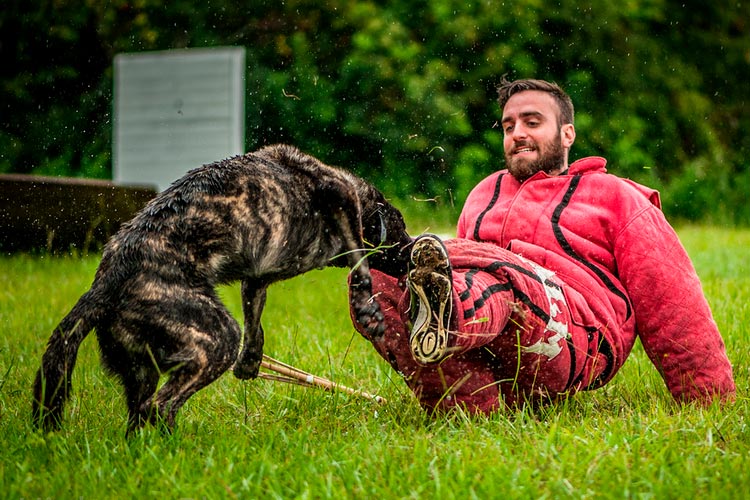
The Dutch Shepherd is versatile in its application. It is capable of tracking, search and rescue, and herding. It has demonstrated good results in agility, obedience, and Mondioring competitions. It can also be used as a guide dog for the blind, as it is very sensitive to its owner and capable of independent thinking when necessary.
Content Features
The Dutch Shepherd is completely unpretentious in terms of care. It can live in an apartment or in a kennel. It can be kept free in a yard, but being kept on a chain or confined to a kennel is not recommended. It's also worth noting that this is a working breed that requires ample exercise and regular training. It's a suitable companion for long walks or jogging.
Thanks to their dense, warm undercoat, Dutch Shepherds tolerate frosty weather well and require no additional insulation if they live outdoors year-round. Indoor dogs roam freely year-round and in all weather conditions, but their undercoat is less developed, so in extreme cold, it's best to shorten walks and make them more intense to prevent frostbite or hypothermia.
Care
It's not that the Dutch Shepherd requires extensive grooming, especially if the dog lives outdoors. Owners should periodically inspect its ears and remove excess wax. Its nails are normally self-wearing. Indoor dogs, sick dogs, and older dogs often need to have their nails trimmed as they grow. Its eyes don't require special care. Its teeth can be brushed, but owners often limit themselves to toys and treats that clean the enamel.
Grooming varies slightly depending on the coat type. Short-haired and long-haired dogs need to be brushed once a week, more often during shedding season. Incidentally, seasonal shedding is very heavy, especially in the spring, when the winter undercoat comes off (we recommend reading express molting (on our website). The rest of the time, if the dog is brushed regularly, hair loss is minimal. Wire-haired dogs trimmed 2-3 times a yearShow dogs are plucked once a month. Wirehaired dogs shed less heavily. Dirty and wet fur develops a distinctive odor, which is virtually eliminated if the shepherd is bathed regularly and uses high-quality grooming products. Kennel dogs are typically bathed 2-3 times a year, while apartment dogs are bathed every 1-2 months or less frequently.
Nutrition
Dutch Shepherds are generally not picky eaters. They adapt easily to any type of feeding. Natural diets for them are developed according to standard guidelines. If for some reason it is not possible to provide the dog with a complete, balanced diet, natural food diet, it's better to switch to ready-made dry food. Dutchies are suited to diets designed for medium and large dogs with normal or active lifestyles. As for flavorings, consider the animal's preferences.
Dutch Shepherds are not prone to overeating and, if they lead a normal lifestyle and get enough exercise, will never suffer from obesity. Food allergies are very rare in Dutch Shepherds. However, they do occur, so caution should be exercised when introducing new foods or different brands of food.
Health and life expectancy
The Dutch Shepherd is strong and resilient, enjoys good health, and is free of hereditary diseases. This is largely due to the fact that the breed has never been commercialized. Even in its native Holland, only about 300 puppies are registered each year.
Of course, Dutch Shepherds are susceptible to many diseases, and the risk is increased by poor care, poor living conditions, and a lack of basic veterinary preventative measures, such as timely vaccinations and treatment for external and internal parasites. In adulthood, so-called geriatric diseases may develop. Life expectancy is usually 12-13 years.
Choosing a Dutch Shepherd Puppy
In the CIS countries, the Dutch Shepherd population is very small. Most of the breed is short-haired, and only one kennel specializes in wire-haired dogs.
Those considering purchasing a Dutch Shepherd puppy should choose their puppy based on their parents, not their photos. It's essential to evaluate the dogs' temperament, working abilities, character, health, living conditions, and the breeder's attitude. The environment in which the puppies will grow up during the first months of life, when the foundations of their character are being laid, is crucial. Puppies should be healthy in appearance. The absence of a list of genetic anomalies and diseases in the breed description doesn't mean they can't suffer from worm infestations or dangerous infectious diseases. And of course, it's important to evaluate their appearance: the legs and back should be strong, the head proportional, the tail long, the ears fully erect by three months of age, and the coat color, as well as the color of the earlobe, claws, paw pads, and eyelids, should all comply with the standard.
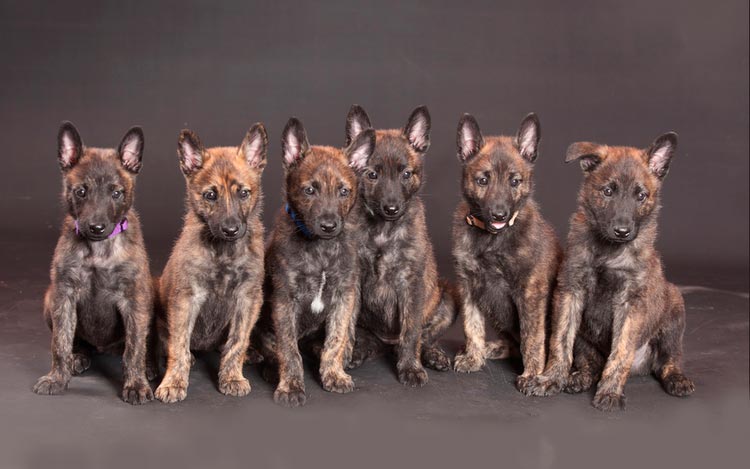
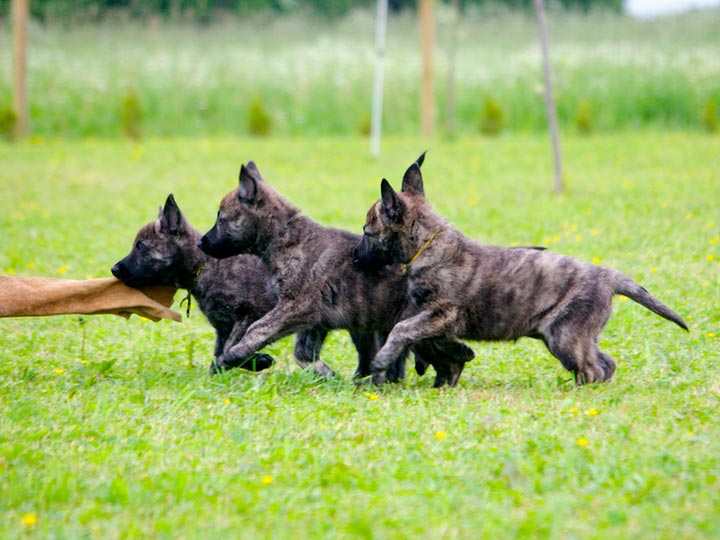
Only an experienced breeder can determine the coat type of small puppies; it is almost impossible to distinguish between short-haired and long-haired puppies from a photo. Wire-haired puppies are somewhat different, but only for those closely familiar with the breed.
Price
Dutch Shepherds are rare and not considered a "fashionable" breed. This likely explains their quite reasonable price. Puppies from a kennel cost an average of 30,000 rubles. Some promising puppies, as well as puppies bred from outside breedings or from exported parents with excellent appearance and working characteristics, can cost significantly more.
Photos
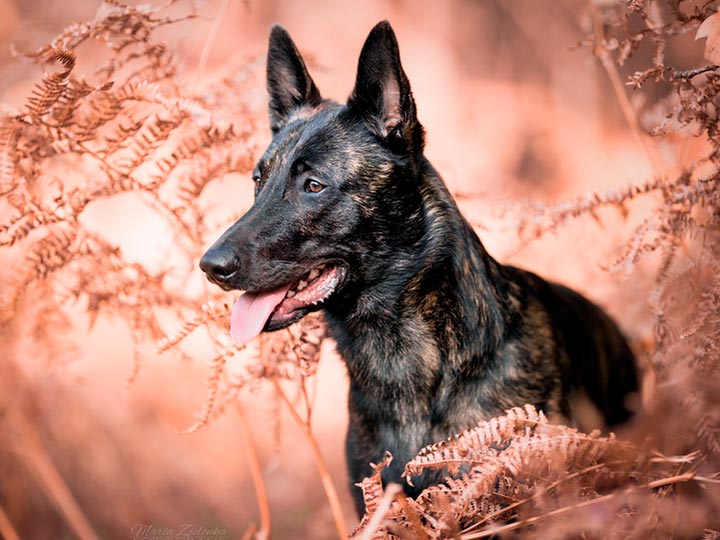
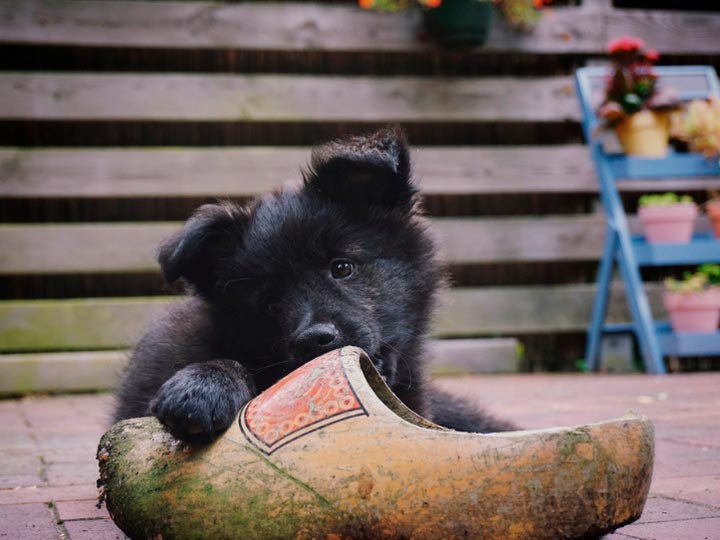
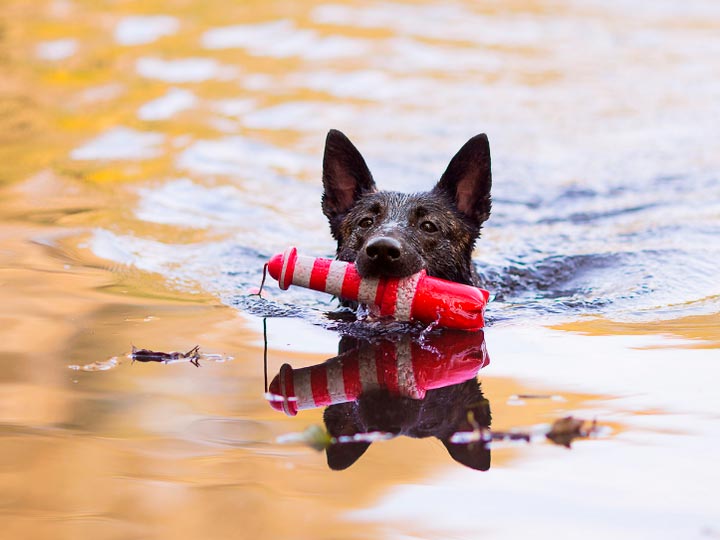
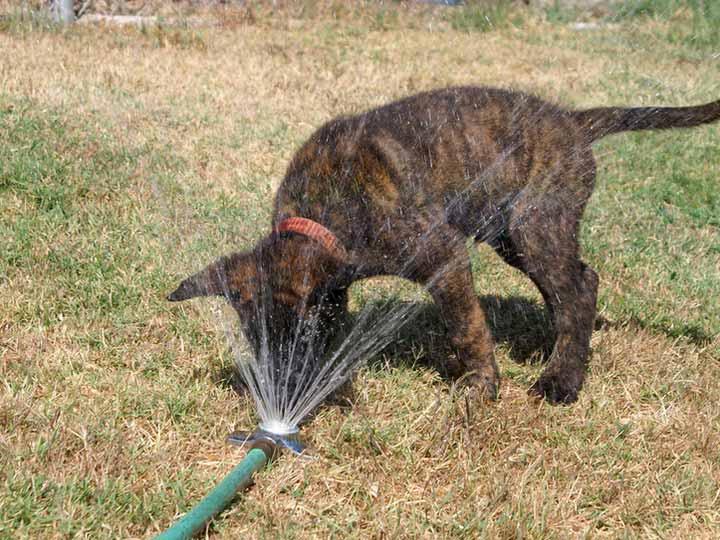
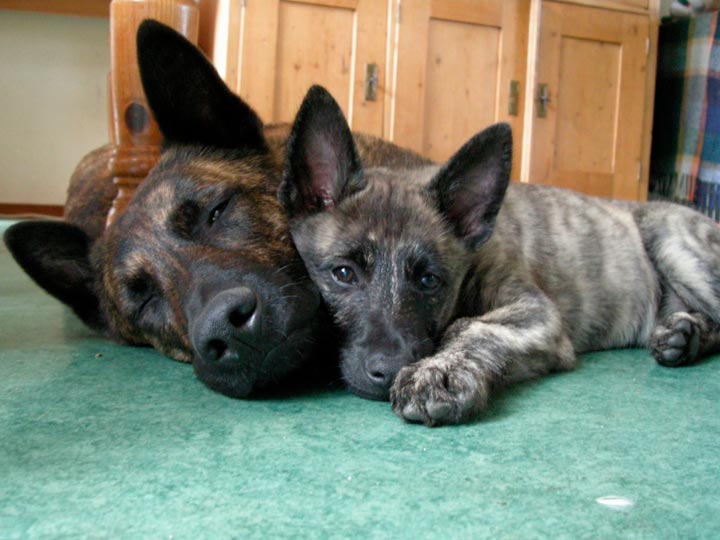
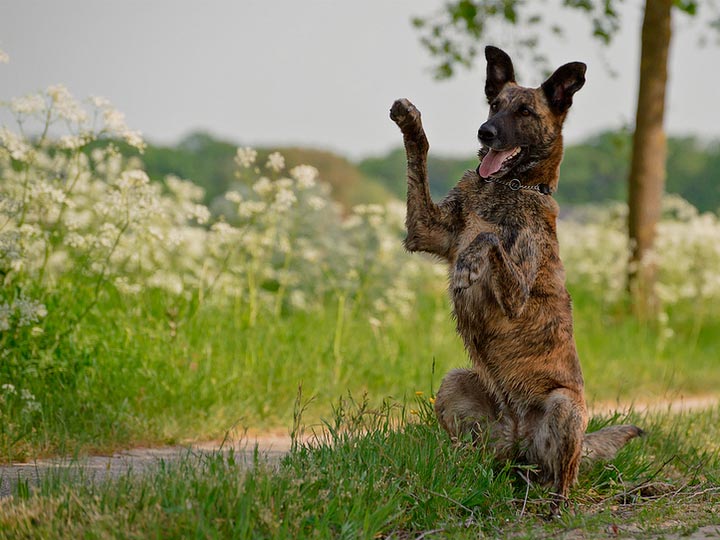
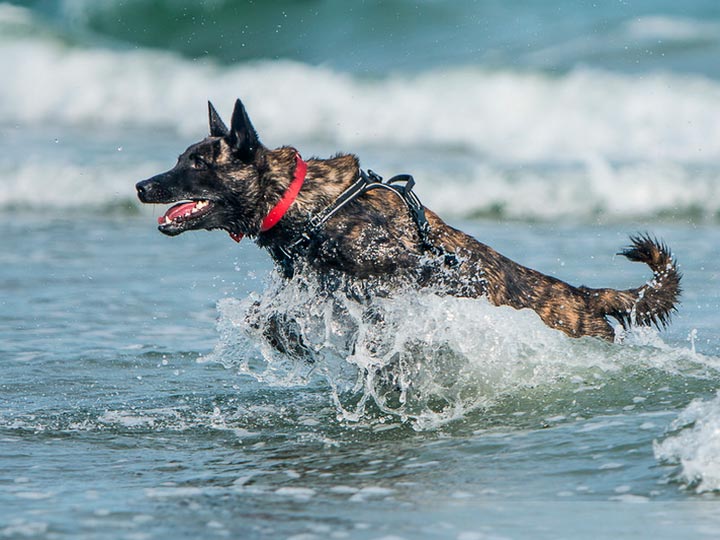
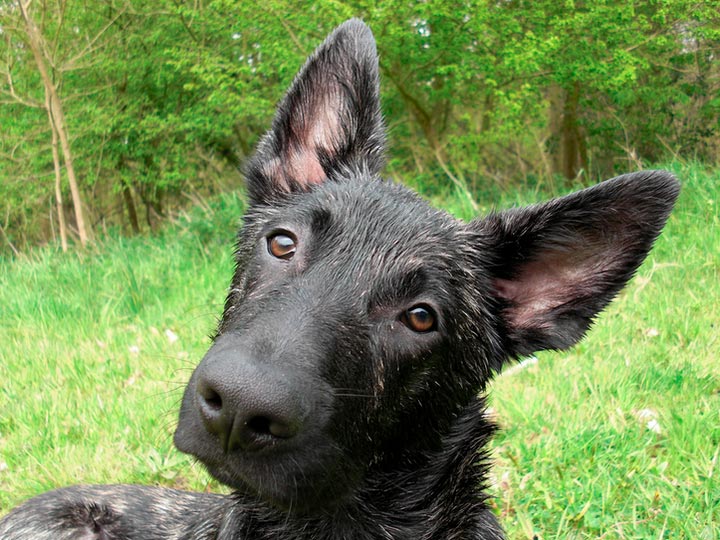
The gallery contains vibrant photos of Dutch Shepherd puppies and adult dogs.
Read also:
- White Swiss Shepherd (American-Canadian Shepherd)
- Maremma Sheepdog
- Bukovinian Shepherd (Southeastern European Shepherd)


Add a comment