
Glucose for cats: instructions for use
Glucose is prescribed for cats to treat various illnesses and intoxication syndromes. It helps support the weakened animal's body during illness and until full recovery. When using the medication, it is important to follow the manufacturer's instructions, which are included in each package, to ensure maximum protection against adverse reactions. Glucose is typically administered by injection. This procedure can be performed either by a veterinarian or by the cat's owner at home.
Content
General characteristics
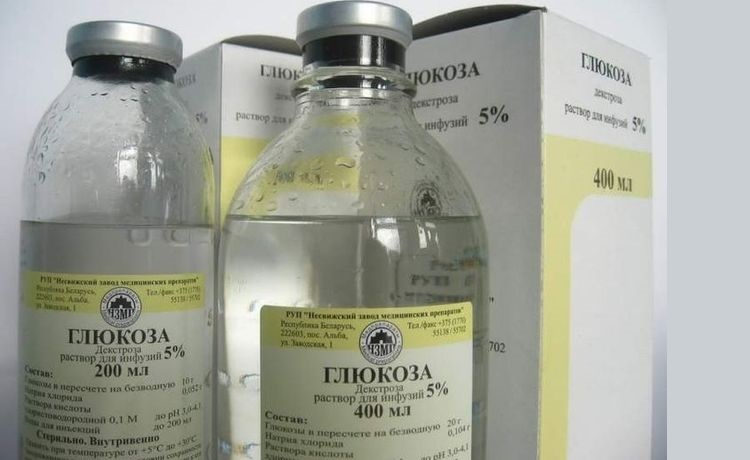
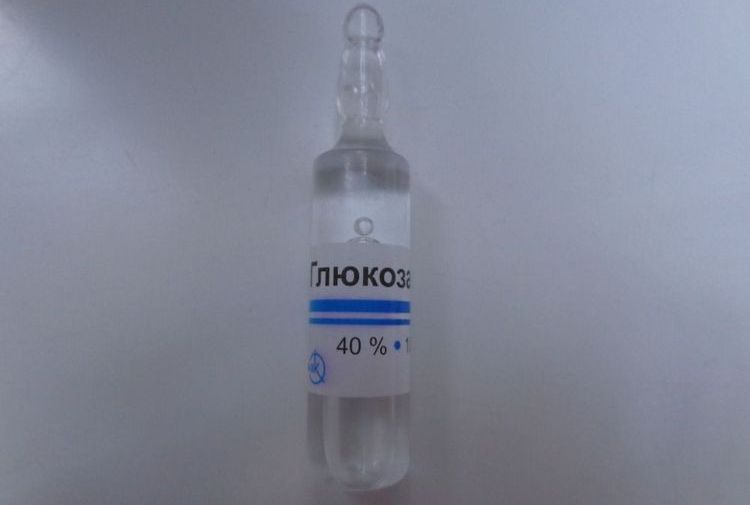
Glucose injection solution (Glucosi Solutio proinjectionibus) is a clear or pale yellow liquid placed in a glass vial or bottle. A rubber stopper secured with a metal cap ensures a hermetic seal. The vial comes with manufacturer's instructions, which detail its contents, directions for use, expiration dates, and GOST standards. Store the vial at a temperature of up to 25°C (77°F) in a dark place, protected from excess moisture. The shelf life is 2 years.
The active ingredient is medical crystalline glucose or hydrated glucose. The excipients are sodium chloride and water for injection.
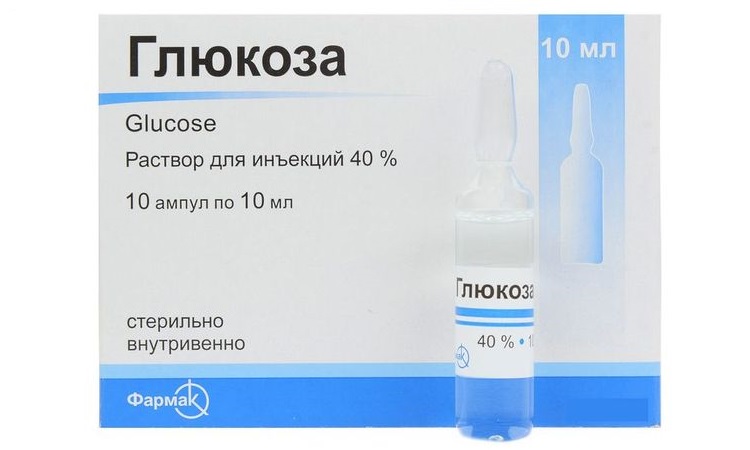
The medicinal product is produced in 5%, 10%, 25% and 40% strengths, in which the active substance content is 5, 10, 25 and 40 g per 100 ml, respectively.
A wide variety of Russian and foreign-made medications are available on the market. A drug from a Voronezh pharmaceutical company is quite popular. The developer produces an injection solution with varying active ingredient concentrations and volumes (from 10 to 500 ml). It can be used to treat cats, dogs, and other pets, as well as cattle and small ruminants.
Important! Consult a specialist before using this medication. The description below is for informational purposes only and should not be used for self-prescribing or dosage determination.
Operating principle
In veterinary medicine, isotonic and hypertonic glucose solutions are used. For cats, one of these solutions may be used depending on the animal's condition.
The isotonic solution has a 5% active ingredient concentration. It is an easily digestible source of nutrition designed to provide the animal with the necessary energy. Glucose injection accelerates the elimination of toxins, improves metabolism, and restores water balance.
The hypertonic solution contains 10, 25, and 40% of the main element. It plays a vital role in improving the liver's filtration properties and normalizing heart function. It has a beneficial effect on blood vessels and normalizes blood pressure. The medication promotes the synthesis of hormones and enzymes in a weakened body, which increases its resistance to disease.
Indications for use
Glucosi is used as an adjuvant to support an animal's body during illness. It can also be used as a diluent for other medications.
The most common reasons for using the substance in cats are:
- severe intoxication (food poisoning, chemical poisoning, inflammatory diseases, etc.);
- replenishment of fluid loss;
- bleeding;
- shock phenomena;
- infectious diseases;
- liver dysfunction;
- pathologies and diseases of the digestive system.
Important! The dosage and duration of glucose administration for cats should be strictly determined by the treating veterinarian. Unauthorized use may be harmful to your pet's health!
Directions for use
The glucose dosage for cats is determined strictly individually. It is calculated based on the animal's weight, the concentration of the active ingredient, and the type of disease. The approximate dosage is:
- 5-50 ml for 5% solution;
- 5-20 ml for 40 percent.
How many times a day is glucose prescribed? The medication is usually prescribed 2-4 times a day.
The drug can be administered subcutaneously or intravenously. A solution with a 40% active ingredient concentration is administered intravenously only.
It is highly recommended not to miss a dose of the medication prescribed by your veterinarian. If this occurs, continue treatment as soon as possible and at the same dosage as prescribed by your veterinarian.
Performing an injection
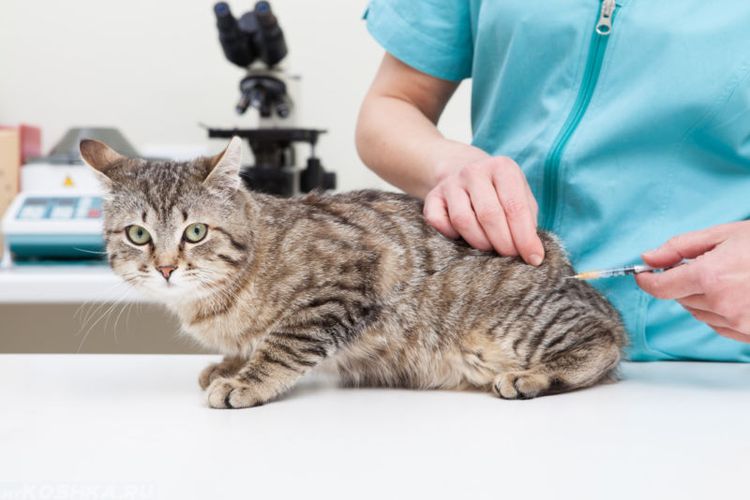
For information on how to administer glucose to your cat, please consult your veterinarian. Subcutaneous injections are usually performed at the withers (for adult animals) or on the upper part of the hind leg (for kittens).
To ensure the procedure is carried out safely, you should adhere to the general rules for working with the drug:
- It is recommended to perform the procedure with gloves;
- Before and after the procedure, wash your hands thoroughly with soap;
- Do not drink alcohol or smoke during the event;
- Do not use oral medications that are intended for injection.
Directly before the injection You should prepare everything necessary for the procedure so as not to be distracted during its implementation:
- Place the syringe in its packaging, the glucose solution of the required concentration, and any additional medications prescribed by your doctor on a hard surface.
- Open the syringe and draw up the required amount of solution (mix the medications according to the prescription prescribed by the doctor), release excess air from the syringe.
- Call the animal, place it on the table and secure it well (you will need the help of someone close to you).
The injection itself is carried out as follows:
- With your non-working hand (left for right-handed people, right for left-handed people), take the cat by the scruff of the neck and slightly push the skin upward.
- Using your dominant hand (right-handed people use the right hand, left-handed people use the left hand), insert the needle no more than a third of the way into the cat's scruff. The needle should be parallel to the surface the cat is lying on.
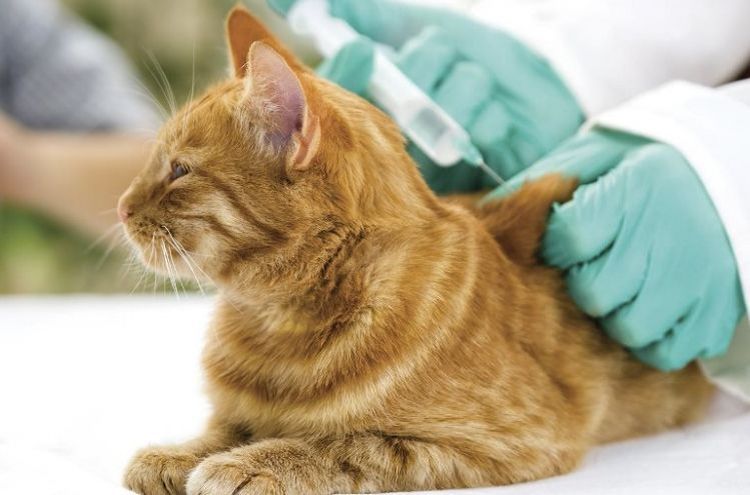
- Slightly loosen the grip and inject the medication. Dry fur at the injection site indicates proper administration. If the fur becomes wet, the medication did not reach the body and the procedure must be repeated.
- Gently pull out the needle, release the withers completely and massage a little.
The more confident and smooth the movements of the person giving the injection, the less painful the procedure will be for the cat.
Contraindications
The solution is not used in animals that have an individual intolerance to the components of the drug or diabetes mellitus.
Although no overdose symptoms have been recorded in animals, you should not exceed the dose of the drug prescribed by your doctor.
Price
The solution is a fairly affordable medication. Its price will depend on the bottle size, the concentration of the active ingredient, and the manufacturer's financial policies.
On average, the cost for a 100 ml bottle is 50 rubles.
Owner reviews
Andrey:
"The cat was diagnosed with acute gastroenteritis. A course of certain medications and glucose were prescribed. The main medications were administered directly by the veterinarian, and at home, I administered the glucose myself. The cat's illness didn't last long; she gradually began eating and drinking on her own, after which the medications were discontinued. The question arose when the veterinary solution ran out and I had to buy regular (human) solution. It turns out that it can also be injected into animals, but it's still preferable to use the veterinary one."
Maria:
"A kitten strayed into our care and we decided to keep him. However, he was sick, not eating or drinking, lethargic, vomiting, and lying motionless. We took him to the vet, where they took blood tests and found a bacterial infection. He was prescribed antibiotics and glucose injections. Resuscitating the kitten was difficult, but we managed. The glucose really helped keep him going, as he couldn't eat anything and even vomited water. He's fine now."
Veterinarian Reviews
Evgeniy Nikolaevich:
"Glucosi solution is often used in veterinary medicine to treat various conditions (including liver disease, urolithiasis, infections, etc.). It's an excellent remedy for replenishing fluid loss and providing energy to animals (especially if appetite loss is observed). However, self-medication, even with this seemingly harmless medication, is prohibited. It's essential to strictly follow the instructions and dosage; otherwise, irreparable harm to the animal can occur."
Alexandra Mikhailovna:
"I'd like to point out that while glucose injections can be easily administered at home (a veterinarian can demonstrate the procedure the first time, and then the owner can handle it themselves), intravenous administration should be performed under the supervision of a specialist. Pets can be taken to a veterinary clinic or have a veterinarian come to their home. Without certain skills, it's difficult to administer the medication correctly, which will negatively impact the treatment process."
Read also:


1 comment
Olga
Good article. The information is useful. I wanted to give it a 5, but I accidentally gave it a 1. I can't change it. Thanks to the vet.
Add a comment