
Worms in dogs: symptoms and treatment
Worm infestations in dogs are quite common, especially when basic prevention measures are not taken. These parasites cause significant harm to the animal's health and, in some cases, pose a danger to humans. To prevent worms in dogs, every dog owner should be familiar with the symptoms and treatment of this disease. This will help promptly identify and treat the problem, preventing complications and human infection.

Content
Routes of infection
Dogs of any age can easily become infected with worms (helminths). Almost all worms enter their bodies through the intestines, with the exception of some types of helminths that are transmitted through the bite of blood-sucking insects.
Infection occurs in several ways:
- Through the ingestion of parasite eggs contained in the external environment (street dust, contaminated water, feces), raw meat and fish.
- By direct contact with a sick animal.
- From flea and mosquito bites.
Important! Worms are transmitted to humans through a dog's saliva. It's not necessary for a dog to lick your hands for this to happen. Since all dogs groom themselves, petting a dog and not washing your hands afterwards is enough to transmit the infection.
Symptoms of worms in dogs
There are many different types of worms, each of which, when introduced into a dog's body, causes specific diseases. All are accompanied by common symptoms, caused by the parasites' negative impact on the host's organs and systems, as well as specific signs that depend on the location of the worms.

General symptoms of any helminthic infestation are expressed by the following manifestations:
- parasite larvae penetrate the blood and affect the dog’s entire body, causing damage to organs and disrupting internal processes;
- Adults bite into tissues, which leads to the development of inflammation in these areas, and also increases the risk of infection with the subsequent development of bacterial and viral diseases;
- When worms accumulate in large quantities, they block the intestinal lumen, which interferes with normal digestion and can cause intestinal rupture;
- toxins released during the life cycle of helminths have a negative impact on the condition of all organs and systems;
- By absorbing nutrients from incoming food, internal fluids and tissues, parasites take away a lot of what the dog's body needs, which leads to vitamin deficiency, weight loss, and other negative consequences of malnutrition.
In addition, according to the location of deployment, worms in dogs are divided into several types:
- intestinal;
- liver;
- cardiac;
- pulmonary.
All of them are accompanied by different symptoms.
Signs of intestinal helminths
Dogs are most often infected with intestinal parasites called toxocara. Symptoms of this infestation depend on the stage of the disease, the animal's health, and its age. Puppies are particularly susceptible to toxocariasis, experiencing loss of appetite, poor growth, and developmental delays.

At the same time, other signs of worms in dogs may also appear:
- bloating;
- blanching of the mucous membranes;
- bowel disorder;
- intestinal colic;
- discharge from the eyes.
The life cycle of each of these helminths averages six months. The lifespan of Toxocara worms may be shortened by concomitant infections or other systemic diseases. After this, they are expelled from the intestines during bowel movements. It is at this stage that an attentive owner can detect the presence of intestinal parasites in their pet. However, to do this, it is necessary to first learn what worms look like in dogs, from photographs and a detailed description of the symptoms.
Important! Passing parasites in the feces does not mean the dog has eliminated the worm infestation on its own. Without proper treatment, it can become reinfected, with worms at various stages of development still present in the intestines.
Manifestations of liver invasion
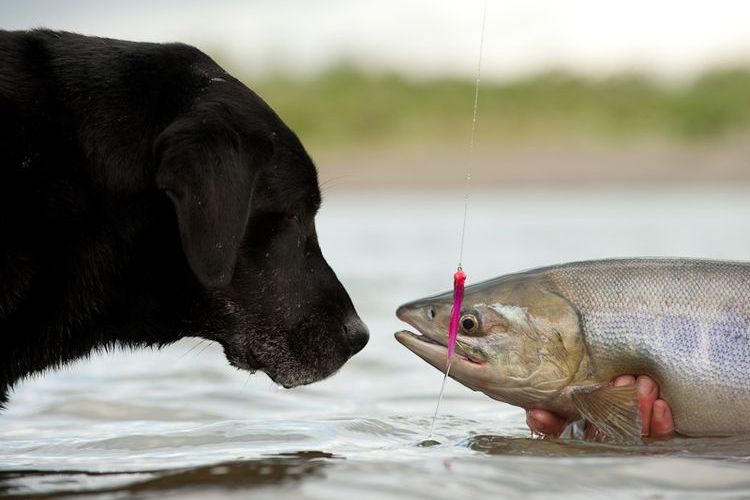
Helminthic liver disease in dogs is caused by another parasite, opisthorchiasis. In this case, infection is caused by raw fish infected with larvae. These helminths live in the bile ducts, negatively affecting the liver, digestive system, and overall well-being of the animal.
Signs of the presence of worms in a dog's liver include the following symptoms:
- general exhaustion;
- dullness and dishevelment of the coat;
- accumulation of fluid in the abdomen;
- pain, lumps, enlargement of the liver.
The above symptoms of worms in dogs can be easily determined by visual examination and palpation of the animal’s abdominal area.
Symptoms of heartworms
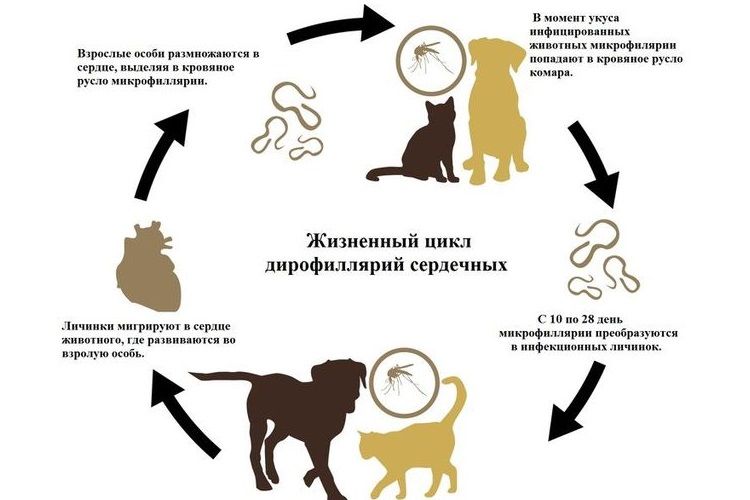
Helminth larvae that inhabit a dog's heart are carried by blood-sucking insects and transmitted through bites. They cause a serious disease called dirofilariasis, which carries the risk of blockage of blood vessels or the atrium by a cluster of adult worms, which can be fatal.
Symptoms of such an infestation may include:
- respiratory failure;
- lingering dry cough;
- dyspnea;
- swelling;
- convulsions;
- heart rhythm disturbances.
Against the background of these symptoms, the dog loses appetite, becomes exhausted, and becomes weak.
Clinical picture of pulmonary helminthiasis
Lung worms in dogs are very rare and are caused by a specific type of parasite called Crenosoma. These helminths are transmitted through intermediate hosts—land mollusks, mice, birds, and reptiles. Infection occurs when a dog consumes any of these hosts containing Crenosoma larvae. Since the likelihood of a pet consuming mollusks, birds, mice, or reptiles is extremely low, Crenosoma infection in dogs is virtually uncommon.
But in case of infection, the disease manifests itself with signs of damage to the bronchopulmonary system:
- sneezing;
- runny nose;
- a persistent cough that gets worse at night.
Obstruction of the small bronchi by worms can lead to the development of focal pneumonia. An affected dog becomes emaciated, rapidly loses weight, and the quality of its coat deteriorates.
Treatment of helminthic infestations
The therapy consists of deworming and the dog's recovery. Anthelmintics are prescribed after the necessary laboratory tests, although worms can be detected visually when they are excreted. Knowing what worms look like in dogs can help determine the type causing the illness and which medications will help eliminate the problem.
Selection of anthelmintic drugs
Anthelmintics are divided into 2 types according to their mode of action:
- preventing worms from feeding;
- paralyzing their neuromuscular system.
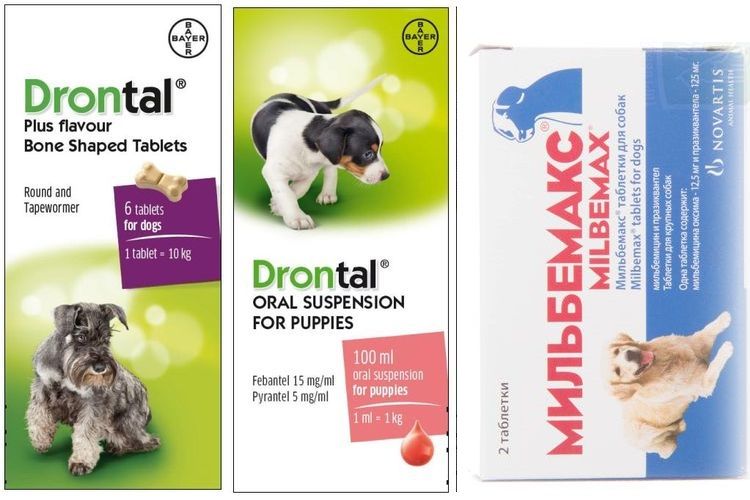
If worms are detected in your dog, treatment should begin immediately. If it's not possible to contact a veterinarian immediately, you can administer medications recommended for helminthic infestation prevention yourself. Without professional diagnosis, it's best to use broad-spectrum, universal medications, including the following, which are considered the most effective:
- «Milbemax» – affects larvae and mature helminths of all types;
- «Drontal Plus" – destroys only intestinal worms, but is not effective against larvae.
Since parasites quickly become resistant to medications, especially when used incorrectly, it is recommended to use different medications each time, alternating them not by name, but by their mode of action.
Deworming procedure
Anthelmintics are given to the dog repeatedly at short intervals. During this period, it is necessary
Observe the animal's condition in order to speed up cleansing with an enema or laxative if necessary.
The medication is usually given with breakfast, mixed with the pet's favorite treat. If the dog is reluctant to take the medication, the tablet is placed deep on the tongue, the jaw is compressed, and the muzzle is raised. For puppies, the tablet is crushed and dissolved in water and injected into the mouth with a syringe without a needle.
If your dog's condition worsens sharply after deworming, administer an enterosorbent (activated charcoal) and consult a veterinarian. Further treatment should be carried out under medical supervision.
Prevention
Before you realize your dog has worms, you need to do everything possible to prevent it.
It's virtually impossible to protect your pet from helminth infestation, but it's possible to halt the progression of helminths and prevent serious consequences. To achieve this, deworming should be performed once every three months. Broad-spectrum anthelmintics are used for preventative purposes, using the same principle as treatment—alternating medications with different modes of action.

Unscheduled deworming is carried out on females:
- before mating (10 days);
- before whelping (7 days);
- after whelping (after 7 days).
Puppies up to six months old are given anthelmintics once a month. Additionally, dogs of all ages are dewormed 14 days before each vaccination.
In addition to taking medications, preventative measures should include keeping animals in a clean room, periodic wet cleaning with disinfectants, regularly washing all dog accessories, and washing or cleaning the dog bed.
When feeding meat and fish to dogs, ensure it's thoroughly cooked and purchased only from stores or markets with veterinary and sanitary inspection. Pets should be walked in a clean area, away from landfills, trash bins, and stray dogs. Following these simple guidelines will help protect animals from parasites or minimize their negative effects.
You can also ask our website's staff veterinarian a question, who will answer them as quickly as possible in the comments box below.
Read also:


9 comments
Lilya
We give our dog prazicid as a preventative measure. Doctors recommend periodic deworming, especially if the dog is outdoors. We've been using it for years now and have never had any problems.
A.B.
Good afternoon. Today we saw long white worms in our 3-month-old puppy's stool, lots of them. From the photos I've found online, they look like Toxocara canis. At the vet, they recommended giving him Caniquantel Plus. We just gave him the first one. How long will it take for them to start coming out? What should I do with the doghouse, or rather, the hay in it, and the warm bedding? I understand I need to throw everything out of the doghouse? Now or when? He had contact with the children, and us. We were advised to give each of us a single dose of Nemozol, and the whole family took it. Is that enough? Or do we need to repeat the treatment? For us, humans. This is the first time (and hopefully the last) I've encountered this. I'm worried about the children and want to get the puppy cured as soon as possible.
Dasha is a veterinarian
Hello! It's okay. You'll be taking the anthelmintics as a preventative measure, and it's best to repeat the treatment in 10-14 days (for both humans and the puppy). Parasites usually begin to emerge the next day, but they can occur within 24 hours. It's best to change the bedding immediately. Ideally, you should change the bedding daily, but the first 2-3 days after administering the pill are sufficient. After that, if any larvae remain, they'll mature into adults within 2 weeks, but they won't be sexually mature (meaning they won't be able to lay eggs yet) and pose no threat. Be sure to scald dishes and toys with boiling water and wash them thoroughly. After that, remember to deworm every 3 months.
Olga
Hello! My puppy is one month and four days old and was diagnosed with worms. We can't treat him today because we went to the vet yesterday and got an injection and blood work. Today we learned the results showed he has worms. Will there be complications?
Dasha is a veterinarian
Hello! What injection did you give the puppy at this age? What specific worms were found? What did they recommend at the clinic based on the tests? Maybe they prescribed a medication? Was it for just one puppy or for the entire litter with the nursing mother? Even the mildest dewormers are given from 6 weeks (the minimum age), but ideally from 2 months. It all depends on the severity of the infestation and the overall health of the animal, plus what kind of worms have taken up residence in the puppy.
Galina
Hello, Dasha. My dog is from a shelter. She's vaccinated, has all her vaccinations, and was dewormed a month ago. I'm concerned about her salivation. She constantly licks the carpet and floor, often swallowing and yelping. She has an overbite. I'm looking for advice. Thank you.
Dasha is a veterinarian
Hello! Drooling can be caused by a malocclusion (the jaws don't close properly, preventing the saliva from being swallowed, causing it to leak). Licking can also be due to a lack of micronutrients or some psychological factor. What are you feeding them? What's their age? Have they been dewormed? Vaccinated against what? What other symptoms are there? Hair loss, itching, dandruff, a change in gait, walking in circles, or anything else?
Veta
Hello, could helminths or protozoa, if left untreated, cause the following behavior in a dog: refusing food and water in the evening, walking along the walls with a detached look, not responding to his name, and salivating?
Dasha is a veterinarian
Hello. Let me clear the air a bit: helminths and protozoa don't need to be treated, but your pet does =) But seriously, it wouldn't hurt to find a veterinary neurologist to examine your pet. Parasites rarely reach the animal's brain and cause mental and behavioral changes. Does your pet eat and behave normally the rest of the time? How old is your pet? When was the last deworming and vaccination? How long have you noticed this behavior? Did anything precede this behavioral change? Could it have been an injury, a blow to the head, or any pain (like a high fever)? Has your pet been vaccinated against rabies?
Add a comment