
Worms in cats
Worms in cats are a problem faced by many breeders. Helminthiasis can affect not only animals that roam freely outside the home and interact with strays, but also cats that never leave the confines of a city apartment. Therefore, it is important for owners to know how to protect their pets from infection, what symptoms may indicate the presence of helminths, and what to do if they encounter this problem.
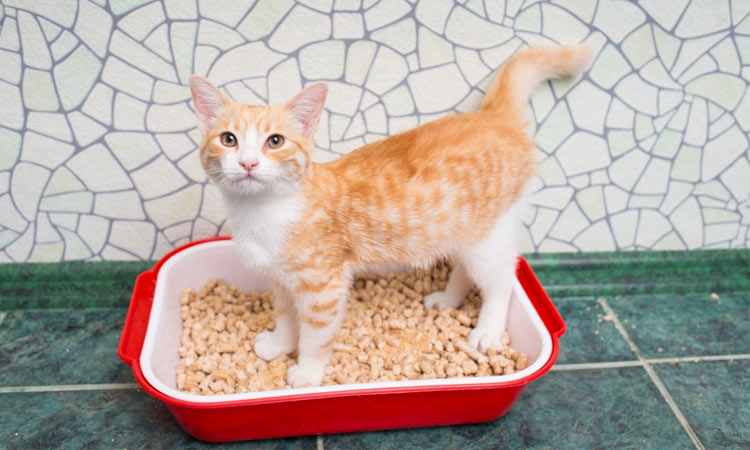
Important! Not all types of worms that infest a cat's body are equally dangerous to humans. parasites, which are not transmitted from cats to owners, but a number of helminthiases may require parallel treatment of both the pet and all family members.
Content
Symptoms of helminthiasis
The main signs of the presence of helminths in a cat’s body are:
- weight loss;
- poor appetite or increased appetite without weight gain;
- digestive disorders (diarrhea, constipation, vomit);
- anal itching;
- general depression and fatigue;
- increased temperature (in advanced stages or when an inflammatory process occurs);
- cough (in the pulmonary form);
- enlarged belly (more typical for small kittens);
- worms in feces;
- other signs of intoxication of the body with waste products of worms.
It is important to understand that at the initial stage, most helminths do not make themselves known in any way, and the presence of obvious or even mild symptoms indicates that there are quite a lot of parasites in the animal's body.
The symptoms and their severity largely depend on the type of parasites, their number and the health of the animal.
It is also worth understanding that the probability that a stray cat is infected with helminths is close to 100%, since according to data provided by veterinarians in Western Europe, 93% of stray animals and 25% of domestic animals tested had some type of helminthiasis.
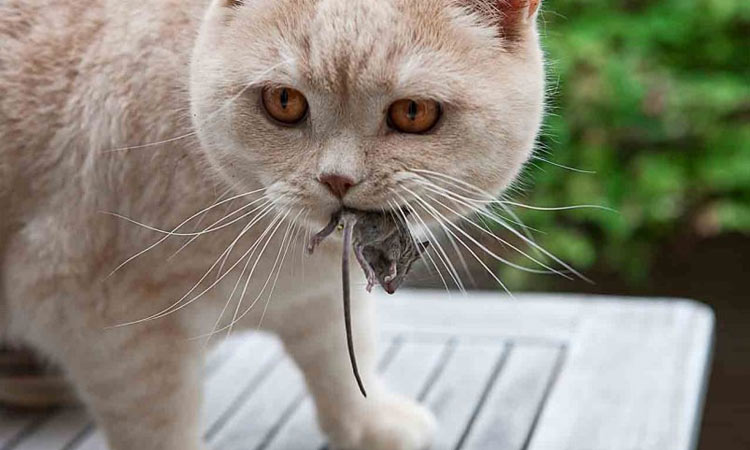
Given that cleaning up pet feces isn't very common in Russia, and the large number of stray dogs and cats, even a completely indoor pet that never leaves the apartment is at risk of becoming infected with worms. Most often, owners unknowingly bring worm eggs into the home:
- on dirty shoes;
- with raw fish or meat;
- having sheltered a homeless animal.
Types of worms in cats
Worms are very diverse, both in their life cycle and in shape, size, and affected area.
Important! Helminths can parasitize in various parts of the intestines, liver, lungs, circulatory system, and soft tissues.
Depending on their shape and size, method of feeding and reproduction, helminths are classified into three main categories:
|
Round
|
Cestodes (tapeworms) |
Trematodes (suckers) |
|
nematode Toxocara hookworm |
tapeworm tapeworm alveococcus |
opisthorchiasis |
In pets, roundworms and tapeworms are most often diagnosed.
Nematodes
|
Type |
round |
|
Size |
up to 2 cm |
|
Source of infection |
feces contact with an infected animal |
|
The likelihood of infection of the owner from the pet |
high |
Important! Nematodes are highly contagious, so if helminths are found in an animal, it's likely that people who come into contact with it also have them.
This type of worm parasitizes the small intestine and feeds on blood. It's especially dangerous for small kittens, but can also undermine the health of an adult animal. Large numbers can cause anemia.
Ascaris
|
Type |
round |
|
Size |
up to 10 cm |
|
Source of infection |
feces (but only after a few days) water and food |
|
The likelihood of infection of the owner from the pet |
not high |
The life cycle of roundworms is quite complex:
- worm eggs are excreted in the feces of a sick animal, but become invasive only after some time (5-20 days) after entering the environment;
- they enter the body of a new host by eating contaminated meat (for example, a mouse), with water or other products;
- For roundworms, the pulmonary period of development is characteristic, when the larva penetrates the lung tissue through the bloodstream and develops into a worm there;
- The parasite then penetrates the esophagus into the intestines, where it continues its life cycle.
Considering the characteristics of the eggs excreted in the feces, if personal hygiene is observed, people living in a house with an animal may not become infected.
Toxocara
|
Type |
round |
|
Size |
up to 20 cm |
|
Source of infection |
feces (but only after a few days) water and food eating intermediate hosts |
|
The likelihood of infection of the owner from the pet |
not high |
Important! Many species of Toxocara parasitize only certain animal species (dogs, cats, cattle). Toxocara leonina is common to humans, cats, and dogs, while Toxocara mystax (cati) is specific to cats.
The life cycle of Toxocara is identical to that of Ascaris, with the exception that not all helminths reach the intestine after the inhalational form. Larvae can infect other organs, leading to the development of the visceral form of the disease.
Hookworms
|
Type |
round |
|
Size |
up to 2 cm |
|
Source of infection |
licking paws with food |
|
The likelihood of infection of the owner from the pet |
No |
Cat hookworms are a type of worm that does not survive in the human body.
Hookworms can also cause serious harm to the animal itself. They are especially dangerous for kittens; although they are not transmitted during pregnancy, they can be transmitted through their mother's milk.
Tapeworm
|
Type |
flat |
|
Size |
up to 1.5 m (for cats) up to 12 m (in humans) |
|
Source of infection |
raw fish, crustaceans river water |
|
The probability of infection of the owner from the pet of the owner from the pet |
No |
Important! The life cycle of this helminth requires an intermediate host (fish, snails, crustaceans), so you cannot become infected from an animal or other person suffering from diphyllobothriasis.
Most often, only one parasite enters the body, but it can still cause serious harm, causing damage to the intestinal walls, inflammation, and anemia. Treatment is complex, as tapeworms cannot be eliminated with conventional medications, and an adult tapeworm that dies in the intestines of an animal (or person) can cause severe poisoning.
Cucumber tapeworm
|
Type |
flat |
|
Size |
up to 50 cm |
|
Source of infection |
ingestion of ectoparasites (fleas, lice) eating infected mice |
|
The likelihood of infection of the owner from the pet |
No |
Important! The mortality rate of kittens infected with this parasite reaches 100%.
A person can become infected by ingesting an exoparasite, although this is extremely rare. Only 16 cases of dipylidiasis have been diagnosed in humans, 14 of which were children.
Alveococcus (Echinococcus)
|
Type |
flat |
|
Size |
up to 3.5 mm |
|
Source of infection |
eating intermediate hosts (rodents) |
|
The likelihood of infection of the owner from the pet |
not high |
The peculiarity of this type of disease is that although the final host of this helminth (echinococcus) is canines, the larvae (alveococci) can parasitize in the body of cats and humans, causing serious damage to internal organs.
Important! Without treatment, alveolar echinococcosis can be fatal.
Opisthorchiasis
|
Type |
trematodes |
|
Size |
up to 12 mm |
|
Source of infection |
raw fish, shellfish, crustaceans |
|
The likelihood of infection of the owner from the pet |
No |
The disease is caused by the helminth Opisthorchis felineus (cat fluke), which requires an intermediate host (snails and fish) in its development cycle.
Important! Although humans can become infected with this type of helminthiasis, which can have quite unpleasant consequences, it is not possible to become infected through contact with an infected cat or its feces.
Dirofilaria
So-called "heartworms," parasites of the circulatory system, are common in canines. Only a few cases of this pathology in cats are known, and veterinarians consider these cases to be exceptional.
Diagnostics
If you suspect helminthiasis in your cat, you should contact a veterinarian as soon as possible.
To determine the type of parasite, the doctor may order a stool test (which may show the presence of eggs) and a blood test (which may show characteristic changes in the blood count).
For more information on how to determine if your cat has worms, watch the video:
Treatment of worms in cats
At the first dangerous symptoms of infection, it is necessary to urgently carry out a deworming procedure.
It's important to remember that this procedure requires medications specifically designed for animals, and the use of drugs produced for humans is unacceptable. Failure to take this into account could have unpredictable consequences.
Animal medications are available on the market in a wide variety of price ranges. Therefore, choosing the right product for your pet is within the reach of any cat owner. Many modern treatments can rid your pet of parasites in just one treatment, but if the worms are deeply entrenched, a second treatment may be necessary.
It's good if every time you think about what to do if your cat has worms, you think about visiting a veterinarian. After all, only a qualified specialist can identify the type of parasite and prescribe the correct medication based on the results of the examination. It's also important to remember that for pets who haven't yet reached full maturity, you should purchase medications appropriate for their age.
Anthelmintics for cats
What should I give my cat for worms? A detailed examination of various anthelmintic medications leads to a logical conclusion: deworming tablets for cats They are divided into only two categories. In the first case, these are narrow-spectrum medications capable of treating an animal from a single, specific problem. In the second case, the medication contains various components capable of combating various types of unwanted companions. Such medications are called "complex" or broad-spectrum.
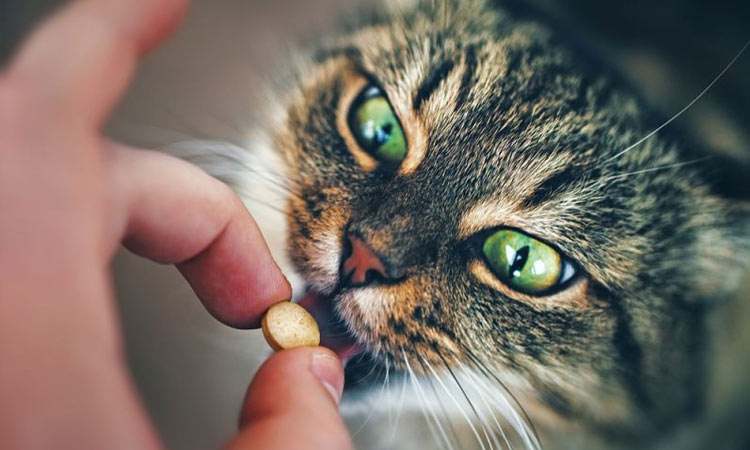
The second group includes the majority of all anthelmintic medications. All of them, to varying degrees, offer similar results. There are quite a few medications produced by different manufacturers, so it's worth focusing only on popular products that have been recommended by experts and recognized by the public. These include the following anthelmintic medications for cats:
- Polyvercan (sugar cubes);
- Milbemax;
- Caniquantel;
- Dirofen;
- Drontal;
- Pratel;
- Prazicide suspension plus;
- Febtal.
It's also worth noting that some medications are available in drops and suspensions, which makes it easier to administer the medication to a sick pet and facilitates precise dosing.
Top medicines
Leaders are everywhere, I didn’t ignore this point anthelmintic drugs for worms For cats. The following products made the top three.
Drontal
Drontal's first-place finish is well-deserved. This type of cat deworming tablet has received the most positive reviews from pet owners. They appreciate the drug's quality and effectiveness. Another plus is its price—it's the most affordable for this market segment.
The main components of the drug are praziquantel and pyrantelThey are effective against roundworms and tapeworms. An adult cat weighing four kilograms only needs one tablet to receive the required dose of medication.
Milbemax
Anthelmintic Milbemax Milbemax is classified as a broad-spectrum, complex medication. Its composition truly differs from other medications. In Milbemax, the well-known praziquantel is supplemented by a second component, milbemycin oxine. This chemical is characterized by a lethal effect on heartworms, which parasitize the animal's bloodstream and heart, as well as roundworms, which live in the intestines. The drug is equally effective against both larval and adult parasites. Among the top medications, Milbemax is the most expensive.
The drug's versatility adds to its popularity. It's available for both adult cats and kittens. However, for kittens under six weeks of age, it's best to choose a different product. Also, Milbemax should not be given to pregnant cats. The overwhelming majority of reviews of this product are positive, earning it a place of honor among the best deworming medications for cats.
Dirofen
Dirofen Dirofen is a combination medication. It is available in tablet, suspension, and paste forms. It contains pumpkin seed oil, which has a beneficial effect on intestinal healing and overall gastrointestinal health after an infection. The cost of the medication varies depending on the type of medication, but is generally quite reasonable. Dirofen is most often used to treat cestodiasis and nematodiasis in cats and kittens. This medication has a proven track record due to its rapid action and high level of effectiveness.
What if the cat is pregnant?
Owners of expensive cats are extremely interested in the purity of their future offspring. To this end, they regularly perform preventative treatments on the expectant parents in advance, approximately 2-3 weeks before the scheduled mating. However, if the cat is already pregnant and tests show the presence of worms, parasite control measures are still taken. When prescribing medication, the veterinarian only prescribes medications that are safe for use during pregnancy. It's important to note that some medications are only suitable during the early stages of pregnancy, while others are only suitable for later stages.
How to give a cat a deworming pill?
Below we have prepared instructions for you on how to: How give the cat a deworming pill in a few steps:
- The tablet should be crushed. The resulting powder should be mixed with your pet's favorite liquid food. The resulting treat can be given to your "little patient."
- Place the cat on your lap with its back to you. Now, if the animal tries to back away, it will have nowhere to retreat. Then, unclench the pet's jaws and place the deworming medication in its mouth. Then, keeping the animal's mouth closed, begin stroking the cat's throat. This will trigger the swallowing reflex, ensuring the animal receives the required dose of the medication.
- The tablet should be thoroughly crushed and mixed with water. Use only a small amount of water, as the entire mixture will need to be injected into the cat's mouth using a syringe (without the needle, of course). As with the previous method, after administering the medication, close the animal's mouth and stimulate the swallowing reflex.
For those who don't want to over-think things, deworming drops, pastes, and suspensions are available. However, drops are recommended for preventative purposes only, as they have a less pronounced therapeutic effect. For a comprehensive treatment, especially in advanced cases, it's better to use tablets.
How to give a cat a deworming pill – watch the video instructions:
Prevention of worms
Preventative deworming of kittens and cats should be performed at least four times a year. For outdoor pets, the schedule can be more stringent. Maintaining hygiene and cleanliness is crucial. Here are some tips for preventing worms in cats:
- A simple rule such as washing your hands after contact with an animal is a good way to prevent accidental infection.
- Also, avoid allowing your cat to lick your face, especially your lips. This also applies to kissing your pet's nose.
- The cat litter box should be changed frequently. It's also a good idea to clean and disinfect it occasionally.
- Do not give your cat raw food, especially meat and fish!
- If there are several cats in the house, deworming medication will need to be given to all of them, and this must be done at the same time.
Following simple preventative measures significantly reduces the risk of infection in cats and, consequently, in humans.
If you have any questions about treating worms in cats, please leave a comment and we'll do our best to answer them!
Read also:


18 comments
Natalia
Please help me with some advice on how to deworm my cat. She had fleas, so I gave her Stronghold IVs, then Febtal. Three months later, I saw a borage cyst in her stool. I gave her Febtal again, twice, 21 days apart, as the vet recommended. Only a month and a half passed, and on March 3rd, I saw another cyst in her stool, albeit a very small one. This time, she was prescribed Milbemax, three times in a row, 10 days apart. Will this help?
Daria is a veterinarian
Hello! In addition to deworming, monthly external parasite treatment is essential! Wash your cat with a flea wash, put on a collar, use drops, and most importantly, treat your home, bedding, furniture, and any other areas where fleas might be present. If you live on the first or second floor and have a basement, you should contact a pest control agency. I wouldn't be surprised if fleas from the basement are getting into the house, constantly infecting your cat. If you have other pets, treat them for fleas and parasites as well. All family members should also take deworming medication to prevent reinfestation. Without comprehensive measures, this will be a long process. And if your cat roams freely outside and eats raw meat, deworming and preventative treatment should be done monthly, not quarterly!
Natalia
How effective are Dironet topical drops for dogs? What does the manufacturer claim about these drops for worms and fleas?
Elena
Good evening!
While my cat was sleeping, I accidentally noticed several white worms coming out of her anus. What should I do? When I looked in her bed, it looked like the corpses of these worms. What should I do? She was dewormed three months ago.
Daria is a veterinarian
Hello! What should I do? Deworm with a good product, TWICE, as directed, with a 10-14 day interval. Three months is the recommended time between anthelmintic treatments. Earlier treatments are possible if indicated. It's best to do this under a doctor's supervision, and combine the antiparasitic treatment with a detoxifying medication (like Antitox). You can give activated charcoal an hour or two after administering the anthelmintic. Monitor the animal's condition closely. Treatment for severe infestations should be administered with caution.
Julia
Hello! We went to the vet because our cat had lost weight and had been weak for the past two days. When petting his belly or picking him up, he cried loudly, as if he was in pain. The vet diagnosed parasites and said that's why he was so painful. He gave him a pill. Four days have passed, but there's been no significant improvement. He's still weak, and it's clear from his appearance and movements that he's in pain! Could you advise me on what to do? Should I give him a painkiller to relieve the pain or an absorbent to reduce the toxicity?
Dasha is a veterinarian
Hello! What kind of painkillers would you like to give your pet? You should take your pet to a qualified veterinarian who can make a diagnosis based on the results of tests and additional examinations. What if your cat has gastritis, pancreatitis, a stomach ulcer, or some other inflammatory condition? Are there any other symptoms? Is your pet vomiting, passing strange stools, or having diarrhea? Is their appetite affected? What kind of pills did you give them?
Julia
Thank you for your reply! My cat has a great appetite, eats well, and goes outside to the bathroom, so I can't monitor his stool. That's the problem: there's no good vet in our city, so I'll have to go to another city to get tested. We went back today and gave him an immune booster shot (I forgot the name). He seems to be feeling better and more cheerful! We'll keep an eye on him, and if he doesn't improve by the end of the week, we'll go to another city!
Julia
Good evening, I've been meaning to write to you for a couple of days now! Everything turned out well, our cat came back to life on the second day after the injection, it all went away like a bad dream! I'll give him another deworming pill in a couple of days to consolidate the results!
Elena
How often should one deworm, particularly the cucumber tapeworm, as a preventative measure?
Dasha is a veterinarian
Preventive deworming is performed once every three months (quarterly). It's important to choose medications that target not only tapeworms but also roundworms. There are combination anthelmintics available for cats and dogs of various ages and weights. If the tapeworm is present, deworming should be accompanied by treatment for fleas and other skin parasites. Choose reputable brands if you're truly concerned about your pet's health.
Elena Bodrova
Thank you, this is useful! We treated our cat with Dironet and also use it for prevention. It works well, no complaints.
Margarita
We also use Dironet for prevention. I like the drug; it's not that expensive (I bought it for about 200 rubles), and its effectiveness is undeniable.
Elena Bodrova
I don't believe that "drops on the withers" can effectively combat worms. I think this scourge requires medications taken orally. And by the way, it's not always obvious from external signs. Even indoor cats need to be dewormed prophylactically—I advocate this to all my cat-owning friends. And if the animal is a stray, there's a 98% chance it has worms. Dironet, for example, is excellent for preventing and eliminating these creatures (worms, that is)—I buy it all the time. It's sold as a suspension for cats, which is quite convenient.
Natalia Ermolaeva
A very good article, written in detail, it made me even more aware of how important it is to prevent my cats from becoming infected, and if so, to treat them as quickly as possible. I'm currently using Dironet for worm prevention, even before they become infected, and as far as I know, it works very well even if they do become infected. But prevention comes first. Regular prevention.
Snowy me
Thanks for the article. We just recently dewormed our cat (if anyone's interested, with Drontal, on the vet's recommendation). She was apathetic, although always playful and frisky. But after the pill, she brightened up right before our eyes. Now everything is great. So take care of your animals. Worms are no joke; they cause harm to animals (and some types can even be transmitted to humans).
goldz
Thanks for the article and for the advice.
fox
Thanks for the article. My furry friend recently got sick and, as it turns out, had worms. She was lethargic, ate poorly, and had trouble going to the bathroom. I treated her with Drontal. It worked quickly, thanks for the advice!
Add a comment