
Eye drops for dogs
A dog's eyes are an important indicator of its health. Normally, only a small amount of secretion from the lacrimal and meibomian glands is produced. The former produces tears, while the latter produces meibum, which collects in the mornings as small, translucent clumps of mucus in the corners of the eyes. Any other discharge, especially excessive, indicates an underlying medical condition that requires the use of specialized eye drops for dogs. Since such reactions can be caused by a variety of factors, from a speck in the eye to an infection, the choice of medication should be made by a veterinarian after an examination. However, in most cases, a dog simply needs to have its eyes flushed. This is done with eye drops, not medicated ones. A wide range of both types of ophthalmological products is available. Therefore, it's important to know which medications to give your dog for eye problems and which ones to use for routine eye irrigation.
Content
Classification of eye drops
Eye drops for dogs are classified according to their mode of action into the following groups:
- moisturizing;
- antiallergenic;
- antibacterial;
- antiviral;
- antifungal;
- anti-inflammatory.
There are also ophthalmic drugs that treat glaucoma and cataracts.
When choosing eye drops for dogs, you need to follow two basic rules:
- Only medications approved for veterinary use should be purchased and used. Despite similar signs and symptoms, not all ophthalmic medications intended for humans are suitable for dogs.
- A veterinarian should prescribe these, especially if serious ophthalmological problems are suspected. Don't rely on recommendations from friends or advice from salespeople. In most cases, complex treatment is required, and only a veterinarian can determine which medications to administer to a dog for eye diseases alongside the drops.
Important! Not all medications packaged in special dropper bottles and labeled with a dog image are ophthalmic. They may be regular eye care products.
Types of eye drops for dogs
General information about the most common ophthalmic drops for dogs is essential for every dog owner to avoid making the wrong choice in critical situations. These medications include:Leopard», «Anandin», «Tsiprovet" and even "human" "Tobrex".
"Leopard"
One of the most common and versatile veterinary ophthalmological medications is Bars eye drops for dogs. This combination product has a pronounced antimicrobial effect and is especially popular for use in dogs prone to eye infections.
The main active components of the drug are:
- chloramphenicol (antibacterial substance);
- Furacilin (antiseptic).
This dual antimicrobial action helps quickly eliminate the most common eye diseases in dogs:
- conjunctivitis;
- blepharitis;
- keratitis and others.
A major advantage of these drops is their most affordable price compared to other similar products, despite their high effectiveness. A 10 ml bottle costs between 80 and 100 rubles. Furthermore, Bars is the best eye drops for dogs with purulent discharge and an excellent preventative measure that can be used for daily eye cleansing and disinfection in cases of traumatic eye injury.
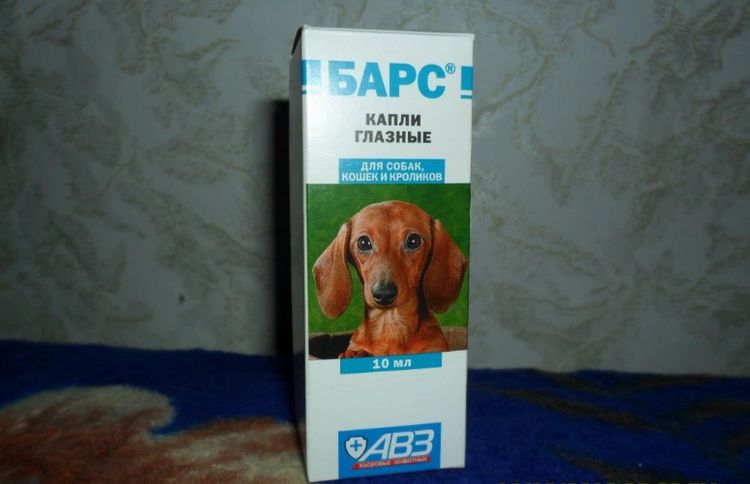
To treat the periorbital area (removing discharge, crusts, and dirt), use a piece of gauze soaked in the medication, then instill 1–2 drops into the eyes. This procedure is repeated 4 times a day. The maximum course duration is 2 weeks. Treatment can be repeated after a 7-day break.
Bars eye drops for dogs are completely safe, with no contraindications other than allergic reactions to the ingredients. If symptoms such as itching, redness of the sclera, or tearing occur, discontinue use and prescribe an antihistamine.
Anandin
Anandin for dogs is an eye drop with an immunomodulatory effect. The main active ingredient (anandin):
- has anti-inflammatory and wound healing properties;
- activates the production of interferon;
- improves lymphocyte function.
The medication activates the immune system, boosting the body's defenses and providing a comprehensive effect against viruses, bacteria, and fungi. The drops are considered low-risk and are non-irritating, non-toxic, and non-sensitizing. Anandin is priced similarly to Bars drops: 60 rubles for 5 ml and no more than 100 rubles for 10 ml.
Recommended for use in combination treatment conjunctivitis in dogs, without individual intolerance to its components. They have no contraindications or side effects and are compatible with all medications and dietary supplements.
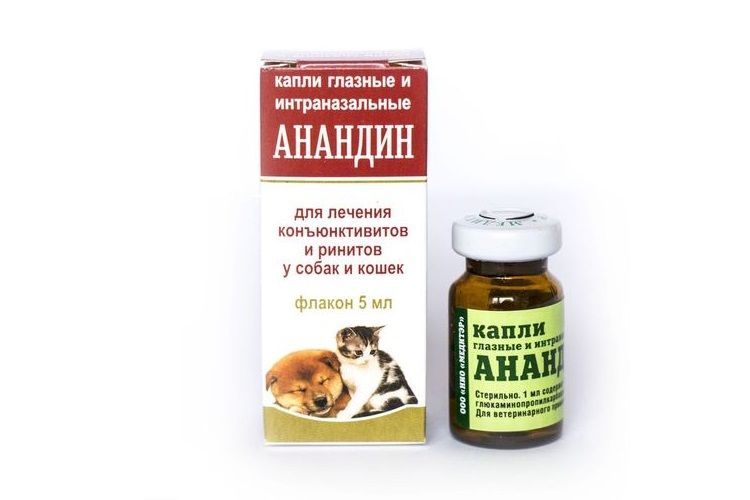
The medicinal composition is instilled 2 drops in each eye twice daily. Treatment is continued until symptoms resolve, but for no longer than 2 weeks. During this period, no changes to the dog's living conditions or diet are required. If allergic irritation occurs, discontinue Anandin and use an antihistamine.
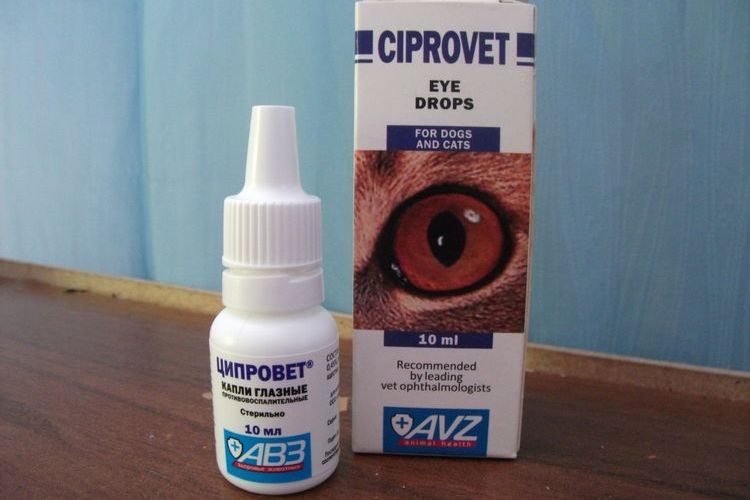
Tsiprovet
Ciprovet is an antimicrobial and anti-inflammatory eye drop based on the antibiotic ciprofloxacin. It is active against most types of bacteria and is used to treat any infectious or inflammatory eye disease in dogs:
- inflammation of the vascular membrane;
- ulcerative lesions of the cornea;
- blepharitis;
- keratitis;
- conjunctivitis.
In addition, "Tsiprovet" is effective as a prophylactic agent to prevent eye infection in case of injury or penetration of a foreign object.
Due to its more concentrated formula, the price of Ciprovet eye drops for dogs is slightly higher than similar products. However, the drug is affordable for a wide range of consumers, costing 150–200 rubles per 10 ml.
The medication is administered 4-6 times daily, depending on the severity of the disease, for no more than 2 weeks. The dosage depends on the dog's weight:
- up to 10 kg – 1 drop;
- over 10 kg – 2 drops.
If there is profuse discharge, first instill 4-5 drops (regardless of the animal’s weight), then wipe the eye area with a piece of gauze, and then administer the required dose of medication.
Ciprovet drops are contraindicated for newborn puppies under 7 days of age and for all dogs with a history of fluoroquinolone intolerance. In some cases, a burning sensation may occur immediately after application, but this subsides on its own within a few minutes.
Tobrex
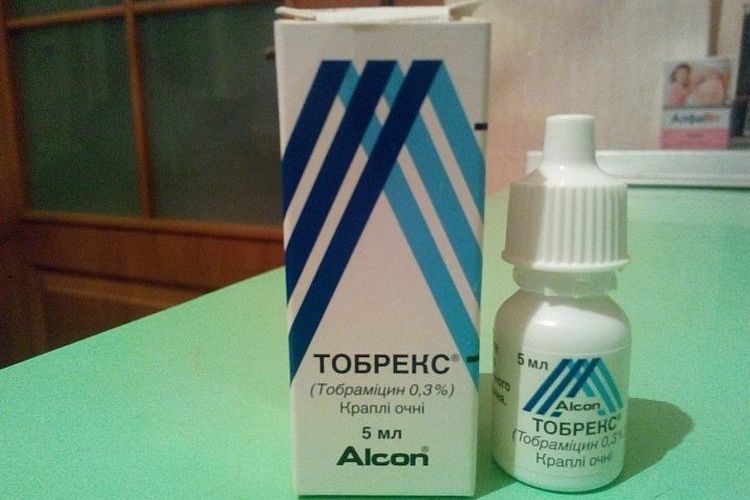
Tobrex eye drops are an antibacterial ophthalmic medication for the treatment of eye infections in humans. This medication is one of the few approved for use in dogs. Although not intended for dogs, Tobrex eye drops are hypoallergenic and can be very effective in treating many types of bacterial infections.
Most often, Tobrex is prescribed to dogs for treatment;
- conjunctivitis
- keratoconjunctivitis
- blepharitis
- keratitis, etc.
The main active ingredient of Tobrex is the antibiotic tobramycin, which is effective against a large number of pathogens, except for enterococci, chlamydia and anaerobic bacteria.
The drops are highly effective, hypoallergenic, and completely safe, but they are expensive. They cost an average of 175 rubles per 5 ml, which is twice as much as Ciprovet and three times as much as Bars or Anandin.
The medicine should be instilled:
- 1 drop every 4 hours for a maximum of 10 days;
- In case of acute infection, during the first day, instillation is carried out at intervals of 1 hour.
The only contraindication is an individual intolerance to tobramycin. Side effects may include burning, redness, swelling of the eyelids, and lacrimation. In such cases, discontinue use of the drug. These symptoms will resolve spontaneously.
Veterinarians' recommendations
Your dog's eyes require constant monitoring, care, and preventative treatment, especially if they're prone to infections or other eye diseases. When performing treatment or hygiene procedures, follow these guidelines:
- A healthy dog's eyes can be washed not with medications, but with herbal infusions (calendula and chamomile are best) or clean boiled water.
- Eye drops that are stored in the refrigerator should be warmed in your hands before use.
- You cannot use tea leaves to wash your dog's eyes, as they dry out the mucous membranes.
Important! If you notice excessive discharge, redness, or any other signs of eye damage, take your pet to the veterinarian immediately. This can pose a danger not only to the dog but also to its owner, as eye diseases are often transmitted to humans.
How to put eye drops in a dog's eyes
The procedure for administering eye drops to a dog should be performed when the animal is calm and relaxed. If the animal becomes restless, first talk to it, pet it, or use other familiar methods to calm it down.
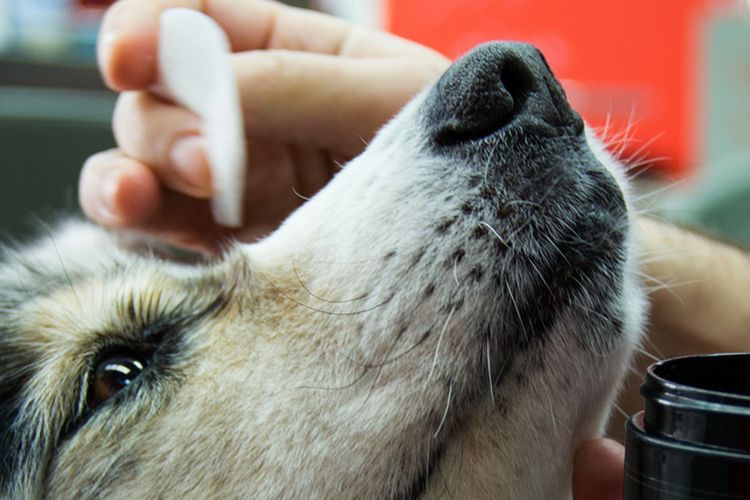
Then, place the small dog on your lap, facing away from you, and place the larger dog on the floor, positioning yourself behind it so as not to frighten it with the sight of the medicine. After this, perform the following manipulations:
- the eyes and the area around the eyes are cleaned of accumulated discharge and dirt using a bandage soaked in warm boiled water or a medicinal product;
- With one hand, spread the eyelids, slightly pulling down the lower one;
- from the bottle in the other hand, release the required number of drops into the conjunctival cavity;
- They check whether the medicine has entered the eyelid and not flowed past it, and if necessary, repeat the procedure;
- hold the dog for a few minutes to prevent it from scratching its eye or shaking its head if it feels uncomfortable;
- The second eye is treated in a similar manner.
Important! If your dog is prescribed two medications simultaneously, administer them at least 20 minutes apart. In most cases, eye drops with different effects are used, which may reduce each other's effectiveness.
It's important to always monitor your dog's eye health to detect and begin treatment early, preventing serious complications. There are a wide variety of ophthalmic medications available. Therefore, it's important to know which eye drops can be used at home for dogs to prevent, treat, or relieve discomfort caused by foreign objects. In many cases, this can save a dog's vision, health, and even life.
Read also:


Add a comment