
Glaucoma in Dogs: Symptoms and Treatment
Glaucoma is the most common eye disease in dogs, often asymptomatic and leading to complete blindness by age 7, sometimes even earlier. In this article, we'll explain in detail what causes glaucoma, its symptoms, and the treatments veterinarians can offer today.
Content
Causes of the disease
Glaucoma in dogs occurs when the natural drainage process (fluid outflow) is disrupted, causing uncontrolled intraocular pressure (IOP) to rise above 25 mmHg. It's impossible to check this ocular parameter at home, so the condition often goes undiagnosed until damage to the optic nerve develops.
Unfortunately, by the time owners notice the first characteristic symptoms in their pet, the damage to the optic nerve caused by glaucoma has already become irreversible. This is why it's crucial to have regular eye exams for dogs at risk:
- Chihuahua;
- Beagle;
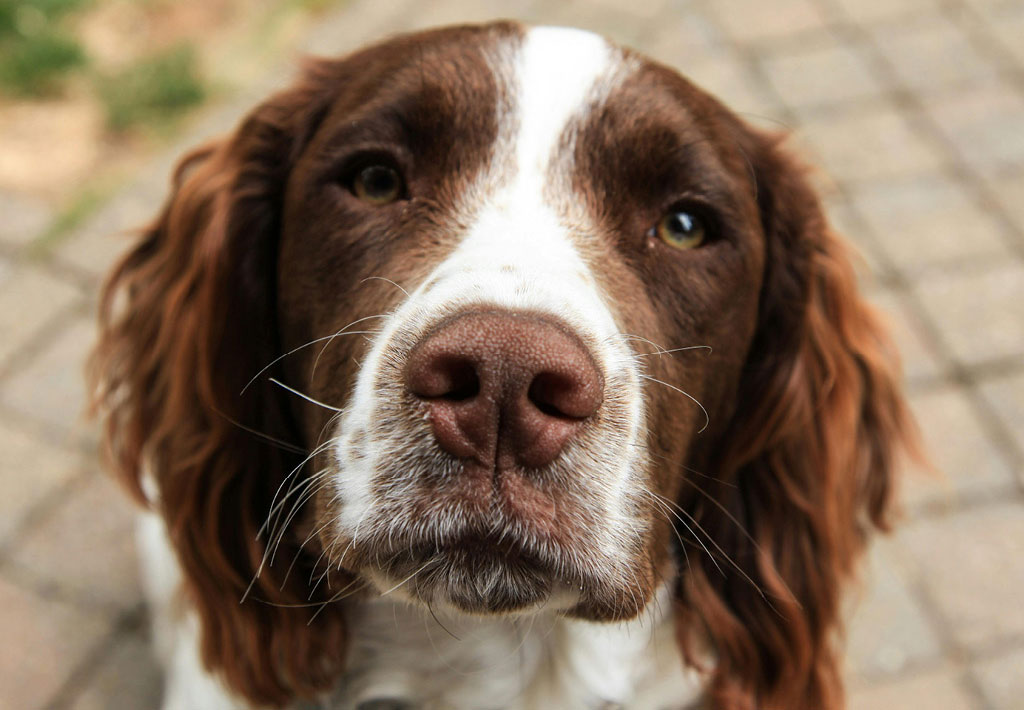
- Spaniel;
- Dalmatians;
- Golden Retrievers;
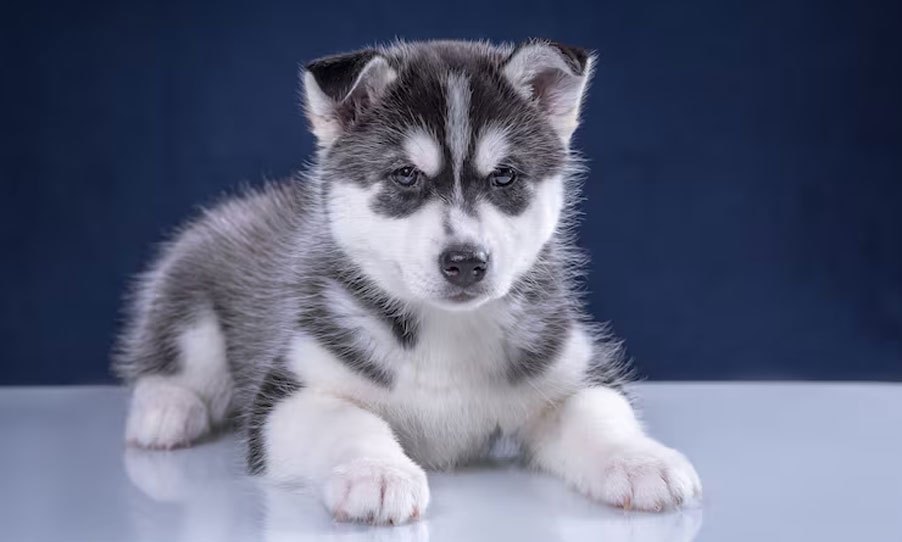
- Husky.
Types of glaucoma
Depending on the cause, glaucoma in dogs can be primary congenital, primary acquired, and secondary acquired.
Primary glaucoma
The development of non-hereditary primary glaucoma in dogs is not fully understood, but scientists have proven that changes in the eye occur due to a disruption in the outflow of intraocular fluid, unrelated to other diseases. Congenital pathology is the most complex and occurs due to disruption of the puppy's intrauterine development. The following factors can negatively impact eye development:
- genetics;
- intrauterine infections;
- intoxication of a dog during pregnancy.
An improperly formed drainage system of the eye does not ensure the normal outflow of intraocular fluid, which is why the puppy's IOP rises to high levels already in the first months of life.
There are two types of primary glaucomas:
- POAG (primary open-angle) – a chronic form, which is characterized by a gradual increase in IOP, and drug treatment is also indicated in the early stages;
- PZUG (primary closed-angle, occurs 8 times more often) is an acute form, which is characterized by a sharp increase in IOP, rapid loss of vision and blindness, which requires urgent treatment, medication or surgery.
Depending on how severe the pathology is, symptoms of congenital glaucoma can appear in dogs as early as the first weeks of life or when the puppy reaches adolescence.
The congenital disease is diagnosed in the first year of life and occurs in only 1 puppy in 10,000, so the likelihood of this particular pathology in a dog after one year is extremely low.
Secondary glaucoma
Secondary glaucoma is often caused by other diseases in the animal. The most common causes are:
- neoplasms (benign and malignant);
- uveitis (an inflammatory process in the vascular membrane of the eye);
- hyphema (hemorrhage into the space between the iris and the cornea);
- cataract (cataract);
- subluxation or dislocation of the lens.
Glaucoma can also be caused by various eye injuries sustained by an animal during its life.
Symptoms and stages of the disease
In veterinary medicine, three stages of glaucoma are distinguished:
- initial – often asymptomatic (can be detected during a routine examination);
- moderate (stage of development) – symptoms are noticed by owners only in 5-7% of animals;
- terminal (progressive) – characteristic symptoms appear, but vision is already partially or completely lost
Visually detecting increased intraocular pressure in the early stages is virtually impossible. Diagnosis is only possible during an appointment with a veterinary ophthalmologist.
In later stages, when the process affects the optic nerve and the animal begins to feel severe discomfort, the following symptoms may be observed:
- increased lacrimation;
- eye inflammation;
- increase in the size of the eyeball;
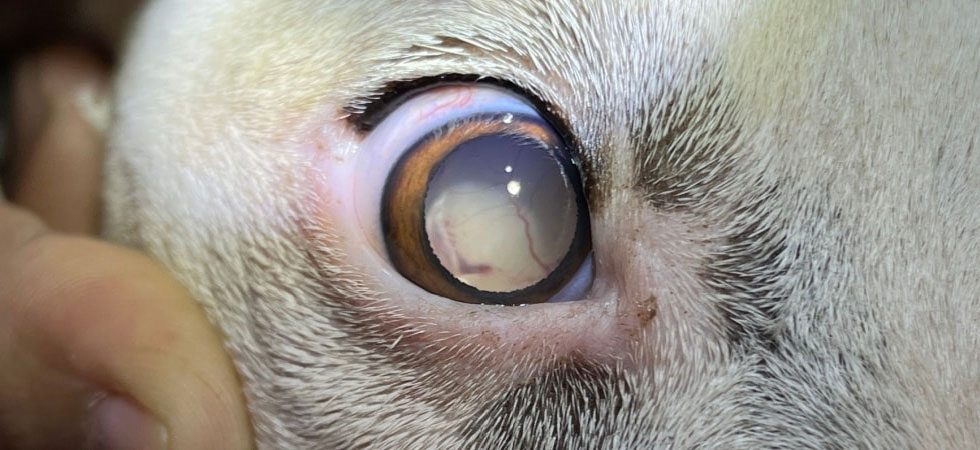
- corneal opacity;
- pupil dilation;
- decreased acuity of peripheral vision (the dog has difficulty distinguishing objects located to the side even close to it);
- impaired coordination of movements;
- photophobia.
The photo shows the eye of a dog with progressive glaucoma.
During acute episodes of glaucoma in dogs, undiagnosed and untreated glaucoma can cause general depression, loss of appetite, nausea, and vomiting (symptoms of elevated intraocular pressure). Acute pain in the affected eye can also occur with PACG.
Important! Glaucoma may affect only one eye, and the symptoms are similar to some other eye diseases. Therefore, only an experienced veterinarian can make an accurate diagnosis after conducting examinations using modern equipment.
Diagnostics
After reviewing the information provided by the owner, the veterinarian selects the optimal diagnostic method. Changes characteristic of glaucoma, even in the absence of typical symptoms, can be detected by:
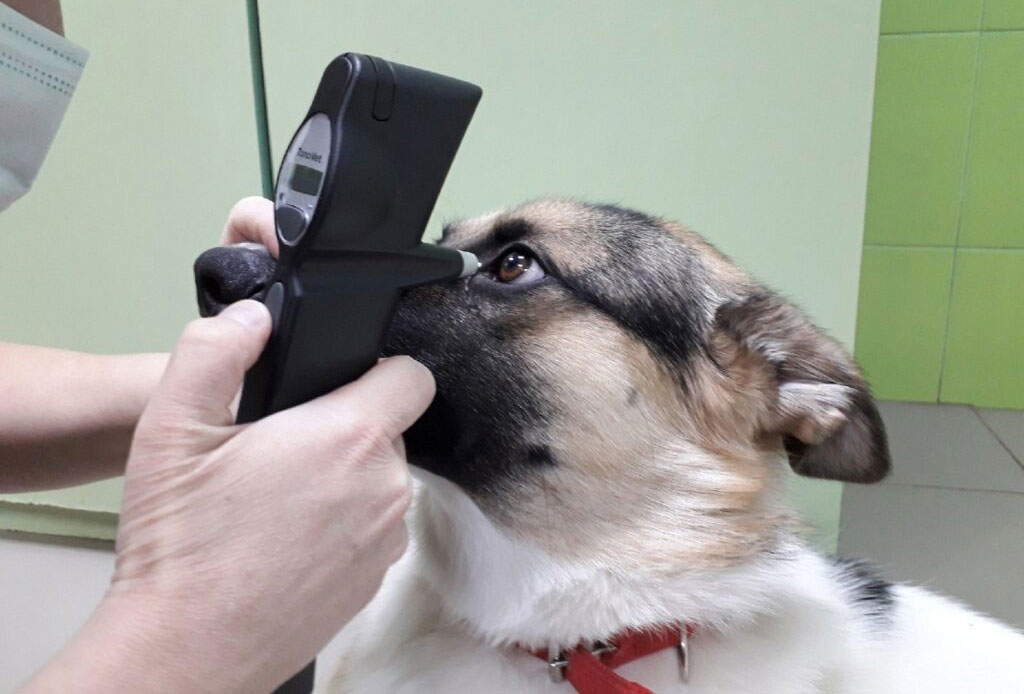
- ophthalmotonometry is the main method for diagnosing high eye pressure;
- Gonioscopy – visual examination of the anterior chamber of the eye;
- direct and indirect ophthalmoscopy of the fundus;
- fundoscopy;
- optical coherence tomography;
- Ultrasound of the eyeball;
- biomicroscopy.
Treatment methods
Treatment methods are selected by a veterinarian taking into account the animal's condition, the causes of the disease, and the stage of glaucoma.
Medication can be used to treat the condition if elevated IOP is detected early, while vision is still slightly deteriorating. A comprehensive approach, including the following medications, is most effective:
- improving the outflow of intraocular fluid;
- reducing eye secretion;
- relieving inflammatory processes;
- improving blood supply to the eye;
- In secondary glaucoma, a prerequisite for reducing VND is effective treatment of the underlying disease.
Important! It is impossible to completely cure glaucoma with medication; it is only possible to constantly monitor intraocular pressure, preserving vision in the affected eye for as long as possible.
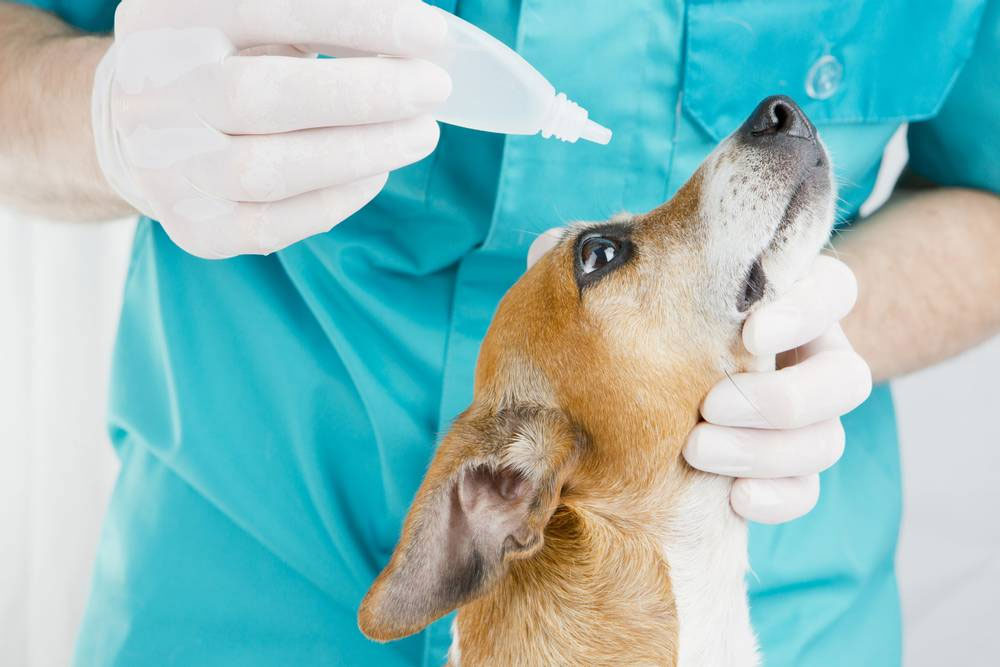
However, if the disease is diagnosed at a terminal stage, even animals receiving hypotensive therapy may gradually lose their vision.
If drug therapy is ineffective, surgical treatments are recommended:
- installation of valves and drains to remove eye fluid;
- endoscopic cytophotocoagulation (laser surgery to reduce fluid production);
- enucleation (removal of only the contents of the eyeball while preserving the sclera);
- evisceration (complete removal of the eyeball with or without subsequent prosthetics).
It is important to understand that vision lost due to glaucoma cannot be restored by either medication or surgery!
In the later stages of the disease, surgery is performed not to restore visual function, but to relieve the animal of a number of associated symptoms, such as pain in the affected eye, headache, chronic inflammation, etc.
Prevention
It's impossible to completely rule out the possibility of glaucoma in a pet with a genetic predisposition. However, owners can do everything possible to identify the problem as early as possible and begin treatment before it affects the optic nerve. This requires:
- Regularly visit a veterinary ophthalmologist and monitor intraocular pressure;
- promptly diagnose and treat any eye diseases;
- Do not ignore any symptoms, even those that seem minor at first glance.
Veterinarian's advice
For more information on how glaucoma is diagnosed and treated in animals today, watch this video:
Read also:
- My dog has pus in his eyes: why and how to treat it
- How to tell if your dog has poor vision or is going blind
- Heterochromia in Dogs: Causes of Different Eye Colors


Add a comment