
Hypothyroidism in Dogs: Symptoms and Treatment
Hypothyroidism in dogs occurs when the thyroid gland produces insufficient amounts of hormones over a prolonged period. This is a fairly common endocrine disorder that gradually disrupts metabolism throughout the body.
Content
What is hypothyroidism in dogs?
Hypothyroidism is associated with insufficient production of the thyroid hormones thyroxine (T4) and triiodothyronine (T3). These hormones are responsible for metabolism, nervous system function, skin, coat, and internal organs. A deficiency slows down almost all processes in the body.
Risk group
Hypothyroidism is diagnosed in animals of various breeds, ages, and genders. However, long-term observations have revealed that the disease is most often diagnosed in pets aged 5 to 10 years. Large breeds are most susceptible, while toy dogs are affected less frequently. Those at risk include:
- Great Danes;
- golden retrievers;
- Labradors;
- Cocker Spaniels;
- Scottish Shepherds;
- poodles;
- Airedale Terriers;
- dachshunds;
- German Shepherds;
- St. Bernards;
- boxers;
- Irish Setters.
Types of hypothyroidism
In veterinary medicine, several forms of the disease are distinguished:
-
primary hypothyroidism – develops due to damage to the thyroid gland itself;
-
secondary – associated with dysfunction of the pituitary gland;
-
tertiary - a rare form that occurs due to problems in the hypothalamus;
-
congenital – occurs in puppies and is characterized by growth retardation and poor development of the body.
Reasons
Hypothyroidism in dogs can be congenital or acquired. The former is rare. Scientists have conducted studies that have established a genetic predisposition to the disease. The congenital form of the condition can lead to growth retardation, dwarfism, and delays in the development of the central nervous system. Causes:
- hormone deficiency in a bitch during pregnancy;
- autoimmune diseases of the fetus;
- physical exhaustion of the bitch during pregnancy.
Primary acquired hypothyroidism develops when thyroid tissue is destroyed during the animal's life. The main causes are:
- insufficient iodine in food and water;
- infectious diseases;
- chronic inflammatory process in the thyroid gland;
- new growths in the gland itself or located close to it.
Secondary acquired hypothyroidism occurs when thyroid hormone secretion is altered due to pathological processes in other organs. It often affects young dogs and puppies, stunting their growth and development. Causes:
- use of certain medications (hormones, anticonvulsants);
- thyroid removal;
- unbalanced diet;
- changes in the pituitary gland (malformations, neoplasms, traumatic injuries).
Symptoms
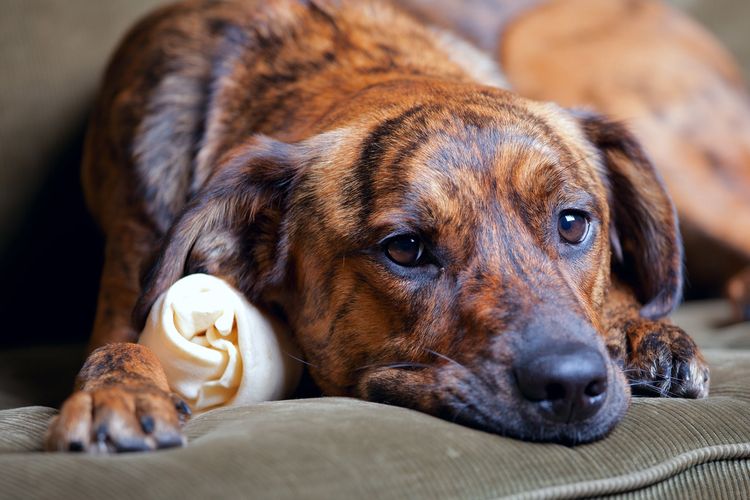
The disease develops slowly. No obvious or specific symptoms are usually present in the initial stages. However, thyroid dysfunction has a profound impact on the overall health of the body. Over time, virtually all organs and systems begin to suffer. The clinical picture is largely determined by the individual characteristics of the animal. Here is a list of the most common symptoms of hypothyroidism in dogs:
- lethargic and apathetic behavior;
- impaired concentration;
- excessive aggressiveness;
- unexplained weight gain bordering on obesity;
- decrease in body temperature;
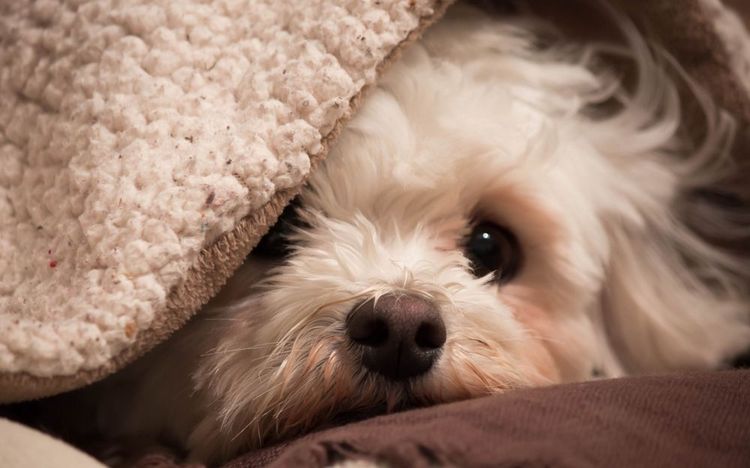
- increased sensitivity to cold (the pet hides in warm places)
- poor tolerance of physical activity (regular walks);
- decreased mental abilities (does not respond to commands);
- impaired taste perception;
- the appearance of pigmentation on the skin;
- seborrhea;
- dull and brittle coat;
- loss wool (baldness begins from the tail, ears, bridge of the nose, armpits);
- decreased sexual activity;
- slowing of the pulse;
- infertility or inability to bear a healthy child due to miscarriages (in female dogs);
- drooping corners of the mouth;
- conjunctivitis;
- dry eyes;
- small ulcers on the cornea of the eyes;
- loss of visual acuity;
- increased salivation;
- myxedema (swelling of the front of the head);
- unsteady gait;
- disruption of the gastrointestinal tract (vomiting, diarrhea, constipation).
Many symptoms appear only when the disease has already progressed significantly, making it difficult to diagnose early. If your dog exhibits even a couple of the above symptoms, it's a good reason to pay close attention to your pet's health and consult a doctor.
Diagnostics
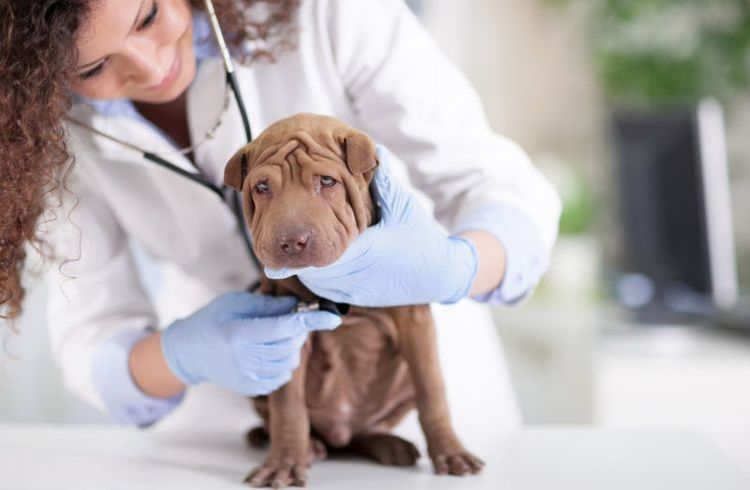
To confirm the diagnosis, you should visit a veterinary clinic. It should be equipped with the proper equipment to perform a high-quality and comprehensive diagnosis. If hypothyroidism is suspected, a qualified specialist will first order a blood test to determine thyroid hormone levels (TSH, T3, and T4). The veterinarian will also carefully examine the animal and ask the owner about any complaints. Additional tests may be ordered:
- general urine analysis;
- radiography;
- Ultrasound;
- electrocardiogram.
An ultrasound scan is warranted if a tumor is suspected. In other cases, this method is not used.
Treatment
The primary treatment for hypothyroidism in dogs is aimed at normalizing thyroid function. For this purpose, medications are prescribed to replenish hormone deficiencies. One of the most popular methods is the administration of the synthetic hormone levothyroxine. Many pharmaceutical companies now produce this medication. All have the same effect, differing only in name and price. An appropriate treatment regimen guarantees improvement in your pet's condition within a week of starting medication. Hormonal testing is necessary throughout the course of treatment.
Only a veterinarian can prescribe medications and their dosage. The course of treatment must not be interrupted. All specialist recommendations must be followed, otherwise the treatment will be ineffective.
Levothyroxine doses prescribed to animals are several times higher than those recommended for humans. This is because the hormone's half-life in dogs is much shorter.
If necessary, treatment for any associated conditions is administered. For example, if there are problems with the coat, treatments to restore it are indicated. If weight gain occurs, a special diet is prescribed. In cases of cancer, removal of the affected organ, radiation therapy, and hormone therapy are indicated.
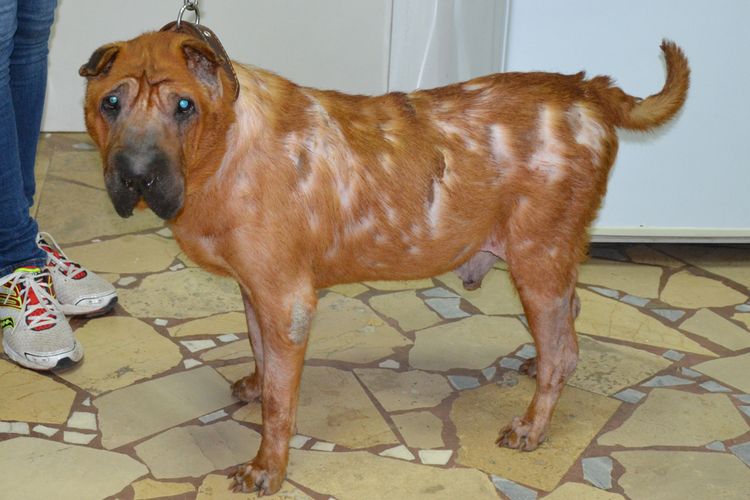
Primary hypothyroidism is easy to treat. Over 90% of animals fully recover with proper therapy. Secondary hypothyroidism is much more difficult to treat because irreversible changes develop in the body. Long-term and even lifelong medication is often required. Congenital hypothyroidism has the most unfavorable prognosis. Dogs often develop serious musculoskeletal problems.
The Role of Nutrition in Hypothyroidism
Most owners don't realize that diet plays a crucial role in maintaining the health of a dog with hypothyroidism. Deficiencies in iodine, selenium, and zinc can worsen the condition.
It is recommended to include in the diet:
-
sea fish (boiled);
-
foods rich in omega-3 fatty acids (salmon, flaxseed oil);
-
vegetables and greens as a source of fiber;
-
Specialized therapeutic food for dogs with endocrine disorders.
It is important to avoid overfeeding, as dogs with hypothyroidism tend to gain weight quickly.
Life for a Dog with Hypothyroidism
With the right treatment, dogs can live long and healthy lives. Medication is lifelong, but within a few weeks of starting treatment, most animals become more active, and their coat and skin condition improves.
Owners should consider:
-
It is necessary to undergo regular tests to monitor the dosage of hormonal drugs;
-
physical activity should be moderate;
-
It is important to monitor the dog's weight and prevent obesity;
-
A preventive visit to the veterinarian is required every 6-12 months.
Possible complications if left untreated
Without treatment, hypothyroidism can lead to serious consequences:
-
severe obesity;
-
diabetes mellitus;
-
chronic skin infections;
-
heart and liver dysfunction;
-
infertility in males and females.
In severe cases, myxedema coma develops, which poses a threat to the animal’s life.
Comparison of hypothyroidism with other endocrine diseases in dogs
To make it easier for the owner to navigate, we provide a table with a brief comparison:
| Disease | The main reason | Main manifestations |
|---|---|---|
| Hypothyroidism | Thyroid hormone deficiency | Lethargy, obesity, hair loss |
| Diabetes mellitus | Insulin deficiency | Thirst, frequent urination, weight loss |
| Hyperadrenocorticism (Cushing's syndrome) | Excess cortisol | Baldness, thirst, abdominal enlargement |
Prevention
Once the dog's hormonal levels have stabilized, the owner should know what to do next. Continue to follow the veterinarian's recommendations. There are several rules that can help prevent future thyroid dysfunction. In some cases, lifelong hormone therapy is recommended. Other preventative measures include:
- Establishing a balanced diet. Including foods rich in iodine in the menu (fish oil, sea salt, sea fish).
- Stress minimization. If your pet is experiencing increased anxiety, you can give them Fospazym (a homeopathic sedative).
- Preventive examinations with a veterinarian twice a year
Hypothyroidism in dogs must be treated, otherwise the condition can lead to dangerous consequences. However, if suspicious health symptoms are noticed early and treated appropriately, the prognosis is favorable.
Read also:
- A lump under a dog's skin: causes and treatment
- Why a dog loses consciousness: reasons and what to do
- Cushing's syndrome in dogs


Add a comment