
Hypoglycemia in Dogs: Symptoms and Treatment
Hypoglycemia is a drop in blood sugar (glucose) levels below normal. This condition can have various causes. In dogs, hypoglycemia can be a dangerous condition requiring immediate intervention.

Content
Causes of hypoglycemia in dogs
The main causes of hypoglycemia in dogs are:
- Diabetes mellitus, a condition in which the pancreas fails to produce enough insulin or the body cannot use it properly. Glucose levels can drop to dangerous levels if insulin is not administered in the correct amount to a diabetic dog.
- Overeating. If a dog eats too much food at one time, especially if it's high in sugar, it can cause a spike in blood glucose levels followed by a sharp drop.
- Physical activity. Too much physical activity can cause blood glucose levels to drop, especially if the dog isn't eating enough to maintain energy.
- Medications. Hypoglycemia as a side effect can develop when taking certain medications for other conditions.
- Insulinoma is a tumor localized in the pancreas that provokes the production of excess insulin, which leads to an inevitable drop in glucose levels.
- Associated conditions. Low blood sugar in dogs can be caused by conditions such as hypopituitarism (underactive pituitary gland, leading to a deficiency of one or more hormones), liver failure, and Addison's disease (primary adrenal insufficiency, which results in decreased production of several hormones).
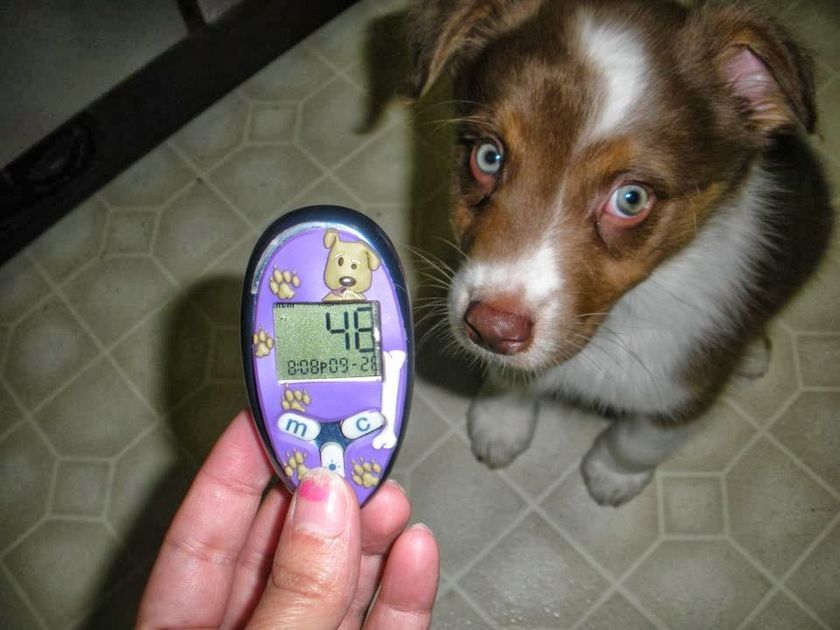
One of the most common types of hypoglycemia is juvenile hypoglycemia, which develops in 3-4-month-old puppies, whose bodies have a high demand for glucose but are still weak at regulating its production. Small-breed dogs are genetically predisposed to hypoglycemia in puppies. A drop in blood sugar in these puppies can be triggered by stress, excessive exercise, and even a single, prolonged break between meals.
Symptoms of hypoglycemia
Dogs with hypoglycemia typically experience general weakness, apathy, and fatigue. They may become passive, uninterested in play or walks, and exhibit signs of depression, irritability, or aggression.
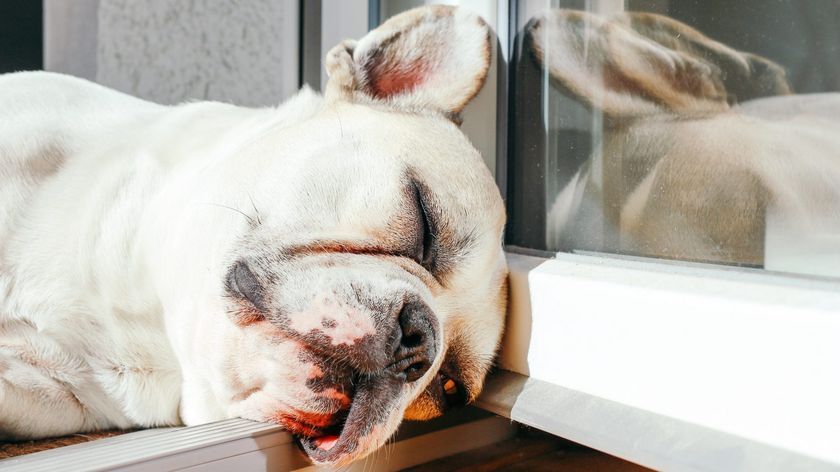
In addition to behavioral changes, symptoms of hypoglycemia in dogs may also include:
- Slow reaction to surrounding events.
- Body tremors, especially in the hind limbs. The dog may be unsteady on its feet and exhibit awkward movements.
- Excessive appetite associated with the body's attempt to increase blood glucose levels, or, conversely, refusal to eat or drink.
- Increased need to urinate: Your dog may start urinating more frequently or in unusual places.
- If glucose levels drop significantly, the dog may lose consciousness.
Diagnosis of hypoglycemia
Since the clinical symptoms of hypoglycemia are similar to those of other diseases, its differential diagnosis can be quite complex.
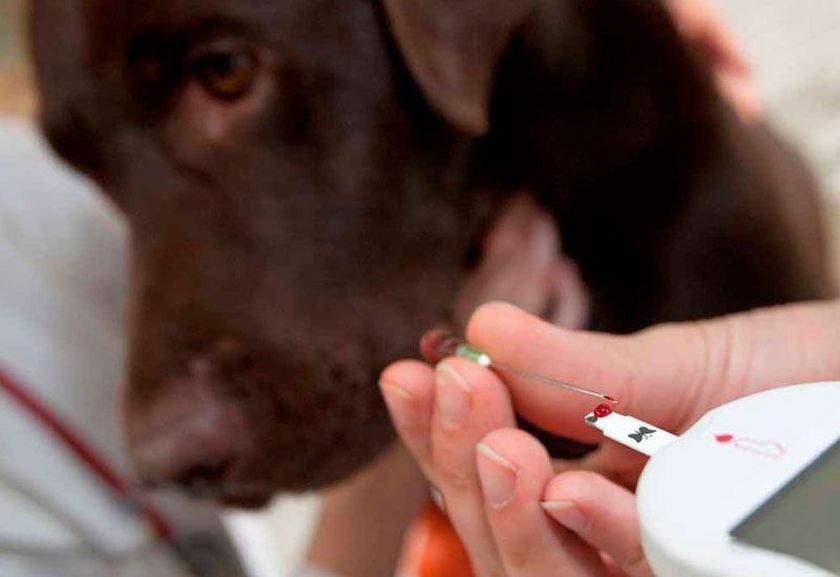
The standard diagnostic test for suspected hypoglycemia involves a glucose test. A drop of blood from a puncture of the inner ear is placed on a test strip, and the result is immediately visible. A normal reading is considered to be between 3.5 and 7.5 mmol/L; lower readings indicate hypoglycemia.
To determine the cause of the drop in sugar, the following can be carried out:
- Clinical and biochemical blood tests that allow us to detect inflammation and assess the functioning of internal organs.
- Measuring the combination of insulin and glucose concentrations in the blood (the method allows for the detection of insulin-secreting tumors).
- Adrenocorticotropic hormone test (used to diagnose hypoadrenocorticism).
- Urine analysis for the presence of glucose, pathogenic microorganisms or metabolic problems.
- Radiography and ultrasound can help detect changes in the structure of internal organs (particularly the liver or pancreas) that can cause hypoglycemia in dogs.
Medical assistance
If your dog develops hypoglycemia, first aid involves immediately providing sugar to raise its blood sugar levels. Glucose syrup, corn syrup, yeast, honey, or other sugar sources can be used. It's important to remember that your dog may be weak and unable to eat on its own, so sugar should be given orally or syrups applied to the gum bursa.
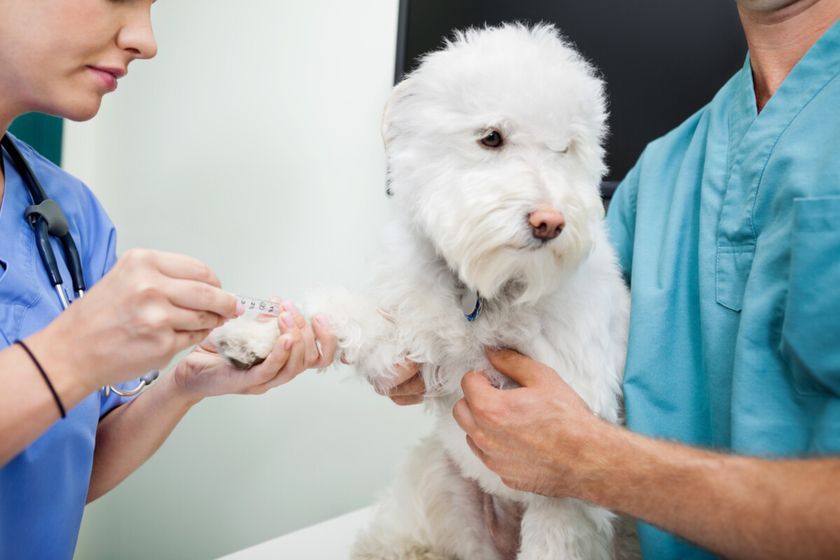
In cases of severe hypoglycemia, animals should be hospitalized and monitored by a specialist, who will monitor glucose levels and take measures to maintain them within optimal limits. If the dog is unstable, comatose, has seizures, or loses consciousness, a veterinarian may administer intravenous glucose or other medications to immediately restore glucose levels.
Generally, treatment for hypoglycemia in dogs depends on the underlying cause. If hypoglycemia is caused by insulin or other medications used to treat diabetes, the first step may be reducing or stopping the medication dose. If hypoglycemia is caused by inadequate or improper nutrition, the dog should be provided with small but regular meals throughout the day. The veterinarian may recommend dietary changes, adding additional meals, or offering specialized dog foods.
If hypoglycemia occurs, it's important to monitor your pet's activity and prevent overexertion. Regular walks, playtime, and exercise should be moderate and measured.
It's also important to regularly monitor blood sugar levels. If your dog has low glucose or has been previously diagnosed with diabetes, regular monitoring with test strips is essential.
Prevention
To prevent the development of hypoglycemia in dogs, it is recommended:
- Provide your pet with a proper, balanced diet. It's important to provide your pet with high-quality food with sufficient carbohydrates and an optimal dose of protein.
- Provide your dog with regular and frequent meals. Following a feeding schedule will help maintain stable blood sugar levels.
- Avoid long periods without eating. Fasting or skipping meals can cause blood glucose levels to drop.
- Visit your veterinarian regularly for preventative checkups. Routine checkups can help identify potential problems early and prevent hypoglycemia.
- Dogs suffering from diabetes or other endocrine-related diseases should have their blood glucose levels checked periodically.
Read also:
- Diabetes in Dogs: Symptoms and Treatment
- Diabetes Insipidus in Dogs: Symptoms and Treatment
- Natural food for dogs


Add a comment