
Hypoallergenic cat food
Is your cat suffering from diarrhea, loss of appetite, or nausea? Does it lose interest in food or become lethargic after eating? Is its coat matted and dull, and is its skin red and constantly irritated? If so, these are common signs of hypersensitivity, food intolerance, or food allergy, which can be managed with a limited-ingredient diet.
First, you need to try to determine which ingredients are causing the allergic reaction. Competent specialists at a reputable veterinary clinic can help by conducting a laboratory analysis to identify the allergen. Afterward, the veterinarian will create the right menu or recommend the best hypoallergenic cat food for your pet.
Content
What is hypoallergenic food?
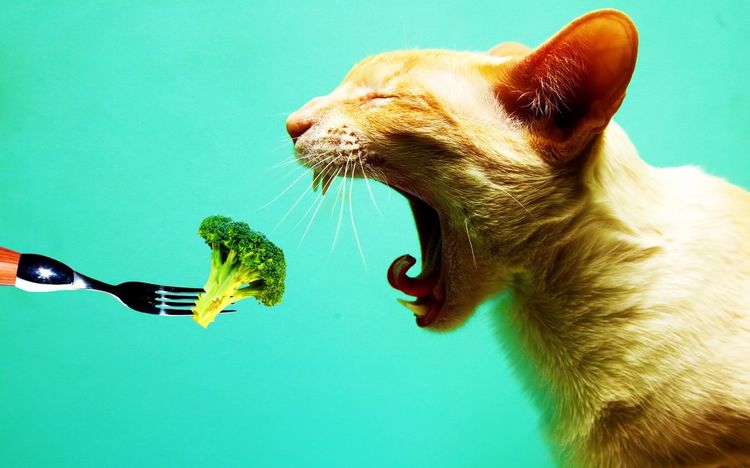
Hypoallergenic diets are specifically designed to minimize the risk of an adverse reaction to food in the pet's digestive tract. These formulas often contain a limited number of basic ingredients, carefully selected based on the following requirements:
- absence of typical allergens;
- high digestibility and nutritional value;
- easy digestibility of the product;
- quality of raw materials.
Despite the fact that in recent years, pet nutritionists around the world have been conducting serious research and spending enormous resources to identify the causes of food allergies in cats, they have not yet been established.
What is known for sure is that long-term consumption of certain types of proteins found in a cat's diet can lead to an allergic reaction to them.
Typical allergens are proteins found in soy, corn, beef, pork, wheat and chicken.
It's no secret that a colossal amount of meat comes from poultry and animals raised on hormones, steroids, or antibiotics. Even humans can't be completely sure of the quality of the chicken they eat, let alone the products used in pet food. It's likely that the root cause of widespread chicken allergies lies in the quality of the product, not in the widespread abnormal functioning of the immune system in our pets.
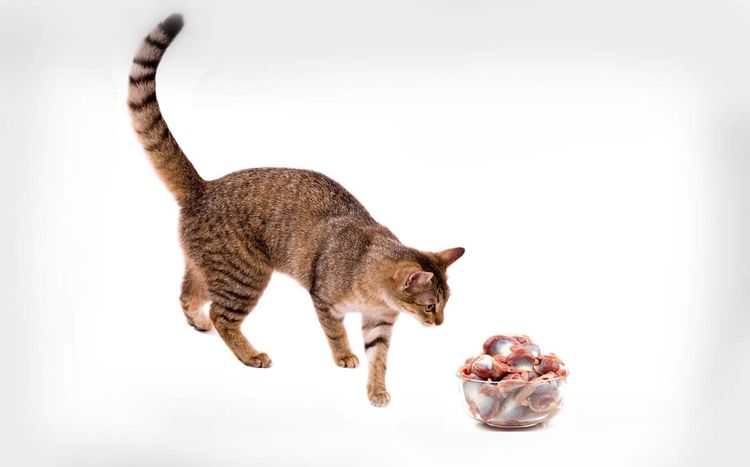
Thus, even feeding a cat low-quality products (economy class) can provoke an allergy, which will disappear after changing the diet.
Types of food for allergy sufferers
Nowadays, only a lazy manufacturer hasn't added hypoallergenic dry cat food to its product line. And at first glance, it might seem that simply buying a pack labeled "hypoallergenic" is enough to stop your pet's suffering and regular trips to the veterinarian. In reality, hypoallergenic food as such doesn't exist: food allergies are a purely individual phenomenon.
This means that the same diet can worsen the condition of one animal, just as it can help relieve problems for another.
Therefore, when choosing hypoallergenic cat food, you need to consider which component is causing your cat's reaction and check to see if it's on the list of ingredients.
All diets in this category can be divided into several types, depending on the substances that trigger allergies:
- Intolerance to gluten (a plant protein). There are ready-made menus that exclude wheat, corn, and other grains. Most often, the alternative grain is white or brown rice, and much less commonly, oats or millet. There are also recipes that do not contain any grains at all—grain-free (gluten-free) formulas.
- Animal protein hypersensitivity. For individuals with this condition, there are formulas that do not contain chicken, beef, or pork. These often include lamb, salmon, herring, duck, or rabbit, which are much easier to digest and very rarely cause food intolerance. There are also single-protein formulas—they contain only one type of protein (a single meat source).
- Intolerance to dairy products, eggs, or yeast. In such cases, the owner should pay attention to formulas labeled "limited ingredient"—these formulas minimize the number of ingredients to eliminate any "risky" ingredients, if possible.
Popular manufacturers
Market competition and the fight for every customer are driving companies to expand their product ranges, so many brands offer diets for pets with food intolerances. Not all are created equal: some products in this segment boast higher quality than others. We've compiled a list of the most well-known brands, as well as some lesser-known but still worth considering.
Royal Canin
A French company whose veterinary diet category includes two types of hypoallergenic cat food: Royal Canin Hypoallergenic DR25 and Anallergenic. In this case, this isn't a marketing ploy, but rather two different formulas:
- Hypoallergenic DR25 contains hydrolyzed soy proteins and rice, plus a complex of prebiotics and components to improve skin condition.
- Anallergenic is a diet based on hydrolyzed feather meal and pure corn starch. It contains antioxidants and a number of auxiliary substances that protect the skin from dryness.
Learn more about Royal Canin pet food
ProPlan
HA Hypoallergenic is a dietary regimen from this brand's therapeutic line. It's suitable as an elimination diet, as it contains only one protein source (hydrolyzed soy) and highly refined carbohydrates (rice starch). For complete elimination of all symptoms, it is recommended to use it for 8-10 weeks.
Learn more about ProPlan foods
Hill`s
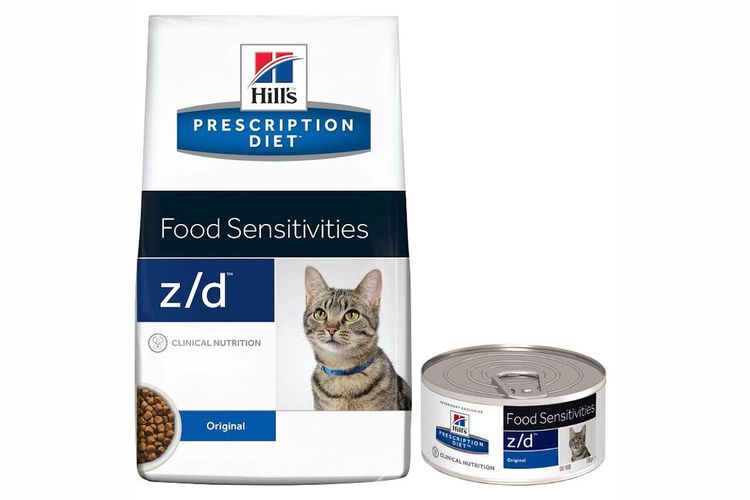
Prescription Diet z/d is a therapeutic cat food from a brand renowned even overseas. This hypoallergenic food is available in both dry and wet varieties. It helps reduce adverse reactions, both gastrointestinal and skin, associated with food consumption. Its main ingredients are rice and hydrolyzed animal protein, which minimizes the risk of an immune response.
1st Choice
This Canadian manufacturer's Hypoallergenic formula is ideal for cats with hypersensitivity to traditional dietary proteins. This product is made with duck and sweet potato and is completely grain-free. It is intended for cats 1 year of age and older.
Learn more about 1st Choice pet food
Farmina
UltraHypo is a hypoallergenic food from the Vet Life veterinary line of a popular Italian company. The formula is based on hydrolyzed fish protein and refined rice starch, while fish oil provides the lipids. It also includes natural antioxidants, prebiotics, chelated minerals, and vitamins.
Learn more about Farmina pet food
Sanabelle
A cat food line from the German company Bosch-Tiernahrung, featuring the Sensitive diet, designed to help pets with food intolerances. It contains poultry and lamb, as well as rice, sorghum, and potato protein. It is free of soy, wheat, synthetic preservatives, colorings, flavor enhancers, and GMOs.
Learn more about Sanabelle foods
Monge
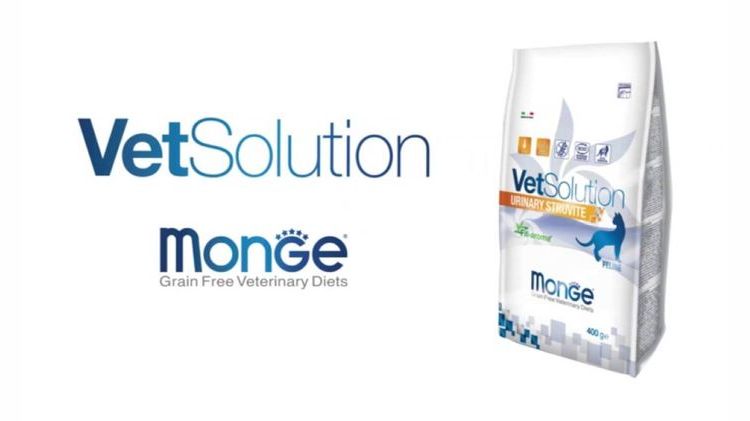
Monge Vetsolution, an Italian brand that also produces therapeutic pet food, is a premium hypoallergenic cat food. Their Dermatosis diet is grain- and gluten-free. The main ingredients are hydrolyzed salmon protein, tapioca, potato, and freeze-dried chicken.
Acana
A Canadian brand that stands out from the crowd with its consistently superior ingredients and high quality. These menus are suitable for gluten-intolerant pets, as they are grain-free. The animal protein sources in the recipes are primarily lamb, duck, turkey, fish, as well as chicken and eggs. For those intolerant to eggs or chicken, there's the all-fish Acana Pacifica diet.
Orijen
A line of diets from the creators of Acana. They also are grain- and potato-free, preventing gluten reactions, and contain a higher proportion of meat ingredients. For digestive issues related to animal protein, consider the Six Fish menu, as well as the Tundra formula with rare, atypical animal proteins (goat, duck, venison, wild boar, and fish).
Leonardo
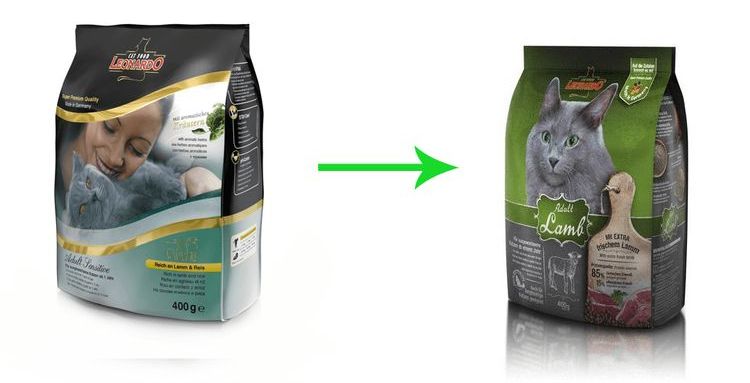
These are recipes developed in Germany by a team of specialists at Bewital. For pets prone to food allergies, special diets have been developed using amaranth instead of grains and chia seeds to support digestion—based on poultry or fish (Poultry GF, Salmon GF, and Maxi GF). There's also a lamb and rice diet—Leonardo Adult Lamb.
Learn more about Leonardo pet food
Pronature Holistic
High-quality Canadian nutrition made exclusively from natural, organic ingredients. This brand's diets are free of corn, soy, and wheat, as well as chemical additives, GMOs, and colorings. To improve intestinal transit and optimal digestion, the manufacturer offers menus based on salmon and brown rice, duck and orange, turkey and cranberry, and white fish and wild rice.
Learn more about Pronature pet food
Brit Care
Cat food made in the Czech Republic. The company markets its entire Brit Care line as hypoallergenic, likely due to the elimination of wheat, soy, and corn in favor of rice in most recipes. However, they do offer a grain-free diet called Sensitive Digestion, based on lamb, salmon, and dried potatoes, designed specifically for pets with sensitive stomachs.
Learn more about Brit Care pet food
Canagan
This UK-based brand offers a full range of grain-free, high-quality formulas that guarantee no adverse reactions to gluten. This food is proven to be allergy-friendly. For pets who don't eat chicken, there's Country Game—with duck, venison, and rabbit—and Scottish Salmon—with salmon, herring, and trout.
Learn more about Canagan foods
Go!
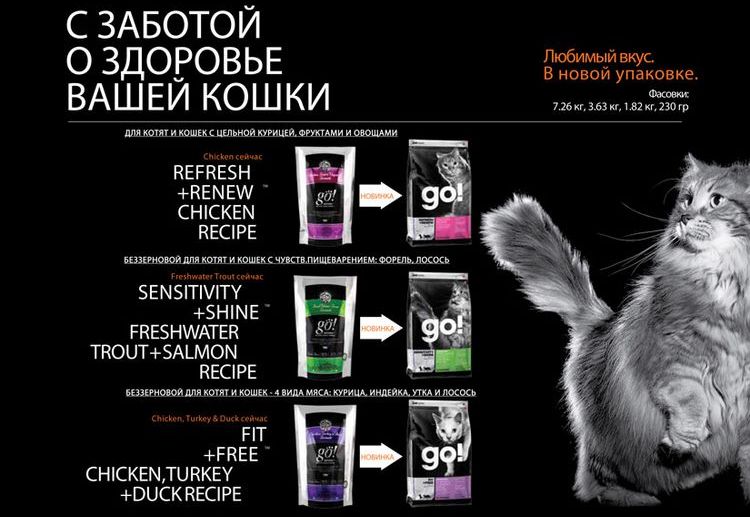
This is one of the brands of Petcurean, a Canadian company. To overcome the difficulties associated with food intolerance in cats, they created the Sensitivity+Shine line. It includes two grain-free diets: Freshwater Trout & Salmon (with trout, salmon, and herring) and Limited Ingredient Duck (with duck as the sole protein source). These menus are rich in beneficial omega acids, taurine, pro- and prebiotics, and are suitable for both adult cats and kittens.
Now Fresh
Another brand from Petcurean, the creators of Go!, Now is fundamentally different from its counterpart in that it uses only fresh meat, not dehydrated meat. For dogs with sensitive digestion, Now Fresh Fish is recommended, featuring trout and potato as the main ingredients.
Learn more about Now Fresh pet food
All the foods described above fall into different price categories and have significant differences in their ingredients. When choosing food for your cat, you should primarily consider the ingredients, and only then the popularity of a particular brand.
Owner reviews
Finding the right hypoallergenic cat food isn't always easy the first time, so pet owners who have already tried it often leave reviews on forums, trying to help others overcome similar problems. Here are some of them:
Katerina, Tver:
"After buying a Bengal kitten, I continued feeding him the same Hills dry food the breeder gave him. Then, a couple of weeks later, he developed diarrhea that wouldn't stop. After a bunch of tests and visits to various clinics, I was advised to change the brand of food. Over time, his stools more or less improved, but bald patches began appearing on his head, stomach, and then on his paws. The vet diagnosed an allergy, so I had to change the food again. After a month and a half, "The bald spot on his head has grown over at Pronature Holistic, and his paw is also slowly growing back. We'll stay at Pronature for now and monitor Finik's condition."
Andrey, Novosibirsk:
"I had to choose food for my 11-year-old cat. Initially, I chose Royal Canin, but it made Senya itchy and caused red spots on his ears. I then bought hypoallergenic Royal, but I don't think it tastes good because he was very reluctant to eat it and was always hungry. My decision to try Acana was rejected by the vet, who said the formula wasn't suitable for an elderly cat. Now I'm giving him hypoallergenic 1st Choice, and it seems everything is going well. We've had the tests done—the results are flawless. And my pet appreciates its taste, too."
Read also:


3 comments
Margarita
Thanks for the article! I didn't have to dig through all the manufacturers, and thanks to your clarifications, I immediately found the right food in the manufacturer's line.
Oleg
Products manufactured under this brand are distinguished by excellent quality and affordable prices. Hypoallergenic cat food from this renowned Canadian manufacturer has earned popularity among Russian pet lovers.
Alexey
under which one?
Add a comment