
Hypertrophic cardiomyopathy in cats
Hypertrophic cardiomyopathy is an organic disease characterized by thickening of the walls of the left ventricle of the heart. This disrupts the normal functioning of the organ, can cause severe heart failure, and may lead to disability or even death.
Content
Causes of HCM development
Hypertrophic cardiomyopathy in cats is most often diagnosed in middle-aged males. Spaying and neutering do not affect the risk of developing HCM. The causes of myocardial hypertrophy are not always clear. Genetic (breed) predisposition is considered a major factor. Certain cat breeds, such as Maine Coons, Ragdolls, Sphynxes, and British Shorthairs, are more susceptible to developing this condition.
The development of HCM can be triggered by systemic diseases:
- arterial hypertension (high blood pressure),
- myocardial ischemia (impaired blood supply to the myocardial muscles that form the thickness of the ventricular walls due to narrowing of the coronary arteries),
- hyperthyroidism (excess thyroid hormones).
The above-mentioned pathological conditions increase tissue oxygen consumption, place additional strain on the cat's heart, and can cause anatomical changes in the myocardial muscle. Long-term use of certain medications, such as hormonal drugs, can also increase the risk of developing cardiopathy in cats.
Manifestations of cardiomyopathy in cats
Cardiomyopathy is classified as symmetrical or asymmetrical. In the former, the thickness of the ventricular walls increases, while in the latter, only the superior portion of the interventricular septum is affected. Symptoms of HCM depend on the location of the hypertrophied areas of the ventricle. For example, in the apical form, there is no obstruction (partial blockage) of the ventricular outflow tract.
The most common symptoms of cardiomyopathy in cats include:
- Rapid breathing and shortness of breath – Your cat may begin to breathe faster and harder, even when at rest.
- A hoarse cough due to swelling of the larynx walls or fluid accumulation in the lungs.
- Decreased appetite and weight loss - the animal may refuse to eat due to a general weakening of the body or due to swelling in the digestive system.
- Increased fatigue and general weakness. The cat becomes less active, shows less interest in play or walks than usual, and tires quickly with even minimal physical activity.
- Thickening of the neck veins - The cat's neck veins may become more prominent and noticeable.
- Swelling in the abdomen or limbs.
- Fainting or loss of consciousness due to lack of blood supply to the brain.
There is a condition called Intermediate Steady State Cardiac Syndrome (ISCS), where mild symptoms of HCM in cats, such as mild fatigue, mild shortness of breath, or occasional coughing, are not accompanied by signs of heart failure.
It's important to note that the symptoms described above are not always specific to hypertrophic cardiomyopathy. Therefore, a diagnosis should be made by a qualified veterinarian based on clinical signs, a physical examination, and a series of laboratory and imaging tests.
Diagnostics
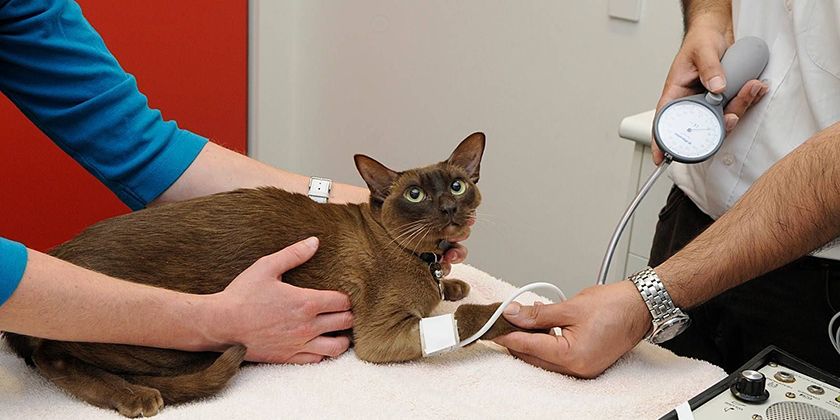
If hypertrophic cardiomyopathy is suspected in a cat, the examination begins with a thorough medical history. The veterinarian will note symptoms and risk factors that indicate the possible presence of HCM. This is followed by a physical examination, which includes listening to the heart, measuring blood pressure, respiratory rate, and pulse.
To assess the animal's overall condition, blood and urine tests may be prescribed. Differential diagnosis of HCM relies on the use of imaging techniques, including Doppler sonography, electrocardiography, and chest X-ray. These methods help assess cardiovascular function and identify any anatomical abnormalities in the heart. For example, X-ray examination of HCM reveals enlargement of the left ventricle and atrium.
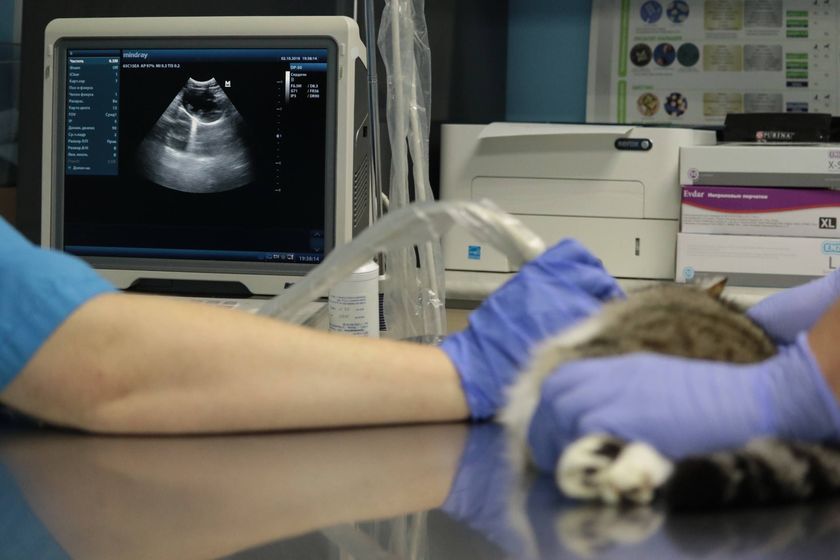
Echocardiography is considered the most effective diagnostic method for HCM. This noninvasive and safe test allows for visualization and measurement of the heart walls, valve condition, and overall cardiac muscle function, as well as assessment of the degree of hypertrophy. Most cats with cardiomyopathy have electrocardiographic abnormalities, including signs of left bundle branch block and ventricular tachyarrhythmias.
Treatment
Currently, there are no methods for completely curing cardiomyopathy in cats. The primary approach is drug therapy aimed at relieving symptoms and slowing the progression of the disease. The goal of treatment is to increase ventricular filling, reduce congestion, and prevent arrhythmia and embolism (blockage) of blood vessels.
Most medications for the treatment of HCM are available in the form of tablets, capsules, powders, syrups, and gels, so they can be used at home, following your doctor's instructions and directions for use.
Your veterinarian may prescribe medications to help control your heart rate and reduce the strain on your heart.
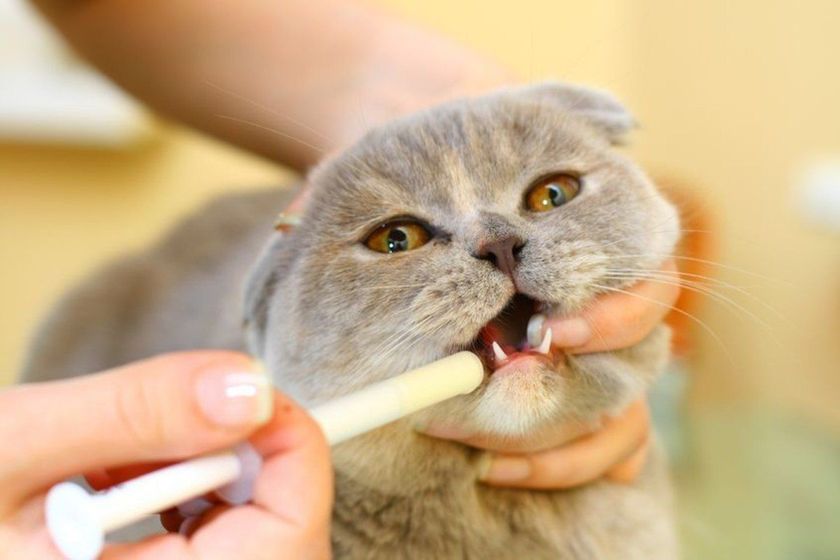
For this purpose, the following are used in veterinary medicine:
- Antiarrhythmic drugs Verapamil, Sidnofarm, Etacizin.
- Drugs that improve cardiac muscle contractility (cardioprotectors) – Angiosil, Asparkam, Vertex.
- Calcium channel blockers that cause relaxation of vascular smooth muscles and reduce systemic vascular resistance Amlodipine, Diltiazem;
- Beta-blockers that relieve dynamic left ventricular outflow tract obstruction and reduce heart rate: Atenolol, Propranolol.
- To prevent myocardial dysfunction, antianginal and antiarrhythmic agents from the group of calcium channel blockers Diltiazem and Verapamil are used, as well as Riboxin, which has an antihypoxic and antiarrhythmic effect.
- ACE inhibitors Captopril, Zofenopril, Fosinopril, and Lisinopril can reduce pathological remodeling of myocardial tissue; the immunosuppressant Rapamycin also stops the progression of hypertrophy.
- Accumulation of pleural effusion is eliminated by Thoracentesis and/or diuretics (Furosemide, Spironolactone, Hydrochlorothiazide).
- For hypertrophic cardiomyopathy, drugs from the β-blocker group may also be prescribed: Bisoprolol, Atenolol, Anaprilin.
If necessary, the cat may be prescribed antithrombotic prophylaxis (aspirin, clopidogrel, heparin, warfarin). Cats with severe symptoms of congestive heart failure usually receive oxygen support.
For cardiomyopathy, cats are prescribed a diet that helps maintain heart health and reduces the risk of complications.
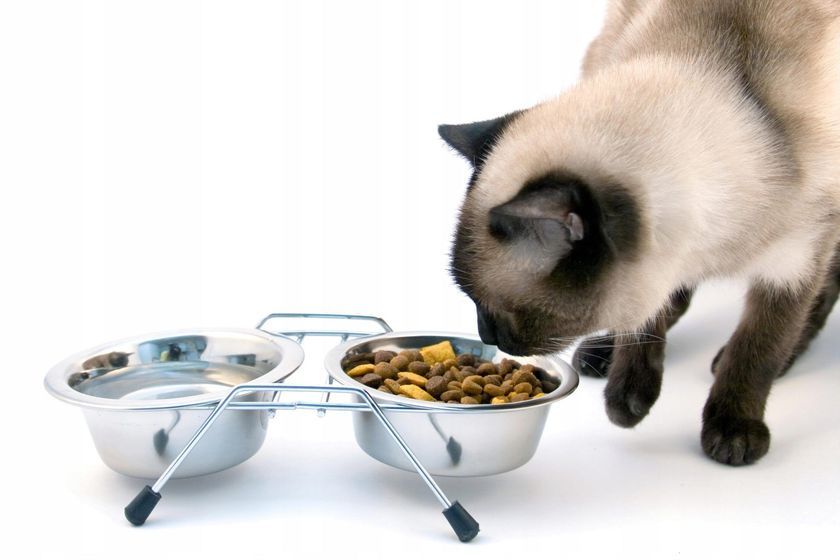
The animal's diet should contain sufficient nutrients but be low in salt. Diet selection should be discussed with a veterinarian.
In some cases, treating cardiomyopathy in cats may require surgery, for example to correct valve defects or remove blood clots. However, this procedure is rarely used in cats and requires specialized surgical experience.
Preventive measures
While many aspects of HCM development are believed to be genetic, precautions can help reduce the likelihood of your cat developing this condition.
Here are some preventative measures:
- Scheduled veterinary visits. Regular medical examinations can help identify potential health issues in your cat, including heart disease. Early detection and prompt treatment can prevent the disease from progressing.
- Balanced nutrition. It's important to provide your cat with a nutritionally complete diet. Diets rich in antioxidants and vitamins E and C are beneficial for maintaining heart health. Consulting with your veterinarian will help you choose the right cat food.
- Stress prevention. Mental stress can negatively impact a cat's heart health. A supportive living environment and preventing chronic stress can reduce the risk of hypertrophic cardiomyopathy in cats.
- Physical activity. Moderate physical activity, regular play, and exercise will promote your cat's overall fitness and reduce the risk of heart problems.
- Genetic testing. If your cat has a breed predisposition to developing HCM, genetic testing can be useful for identifying mutations associated with the disease. This can help you and your veterinarian decide on preventative measures and specific care for your cat.
Read also:


Add a comment