
Gingivitis in Dogs: Causes and Treatment
Gingivitis is one of the most common diseases in dogs. Despite the widespread availability of dental and gum care products, many owners are hesitant to introduce regular dental hygiene routines to their pets. If you're considering brushing your dog's teeth, we recommend learning more about the possible causes of gingivitis in dogs, how the disease progresses, its dangers, and the available treatments and prevention methods.
Content
Symptoms and manifestations
Gingivitis is often referred to as "gum inflammation" because its main symptoms include:
- swelling and redness of the mucous membranes;
- dark (bluish) areas of the mucous membrane between the teeth;
- the appearance of ulcers in the mouth;
- profuse salivation;
- bleeding gums;
- bad breath;
- pain that can cause severe discomfort to the animal;
- loosening and loss of teeth.
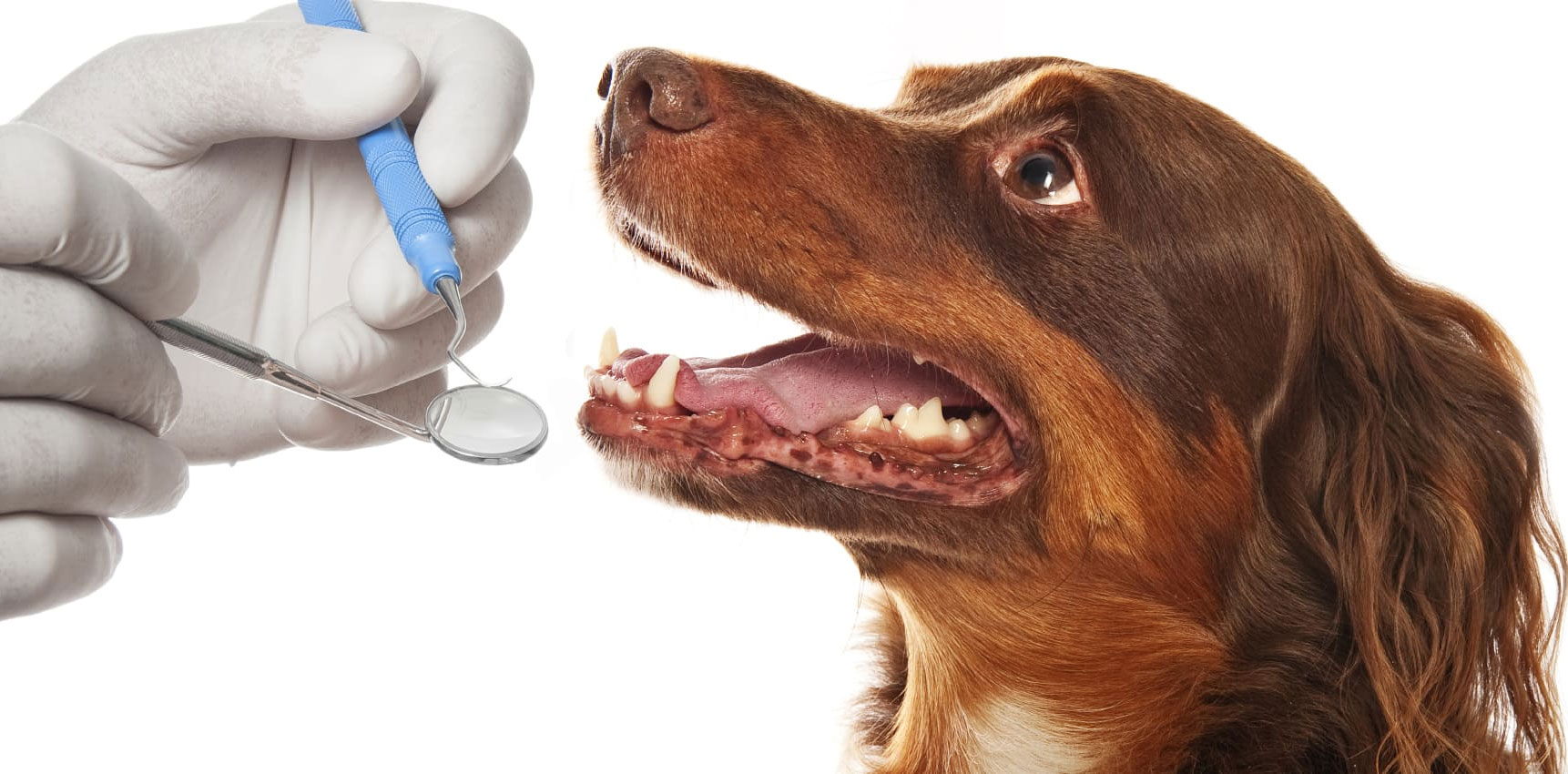
Gingivitis in dogs often develops slowly, so the initial stage may not always be noticed by owners who rarely examine their pet's mouth. Owners typically notice the problem in the later stages of the disease, when inflamed gums cause the animal to refuse food, the gums bleed excessively, or the teeth become loose.
Causes of the disease
Scientists have proven that gum inflammation in dogs and humans has a similar nature, and the main cause of the disease is a lack of proper oral care and poor nutrition.
During chewing, food particles remain on the surface of the teeth and gums, creating an ideal environment for active bacterial growth. As a result, by the age of 1.5 years, most dogs whose teeth are not properly cared for develop soft plaque, which by the age of 3 develops into tartar deposits. The following factors can accelerate plaque formation:
- unbalanced diet;
- gastrointestinal problems in animals;
- hormonal imbalance;
- genetic predisposition (metabolic characteristics);
- mechanical damage to the mucous membrane;
- tartar;
- carious teeth;
- some chronic diseases.
If you notice that your dog's gums are red, swollen, and bleeding, or that it's painful for the animal to eat dry food or its usual natural food, you should take your pet to the veterinarian as soon as possible to determine the cause of these symptoms.
Types of gingivitis
Gingivitis in dogs can be caused by the active growth of bacterial or fungal flora, so both the symptoms and treatment of different types of the disease have their own characteristics.
Depending on the animal's condition and the rate of progression of symptoms, a distinction is made between:
- acute gingivitis, which is characterized by bright symptoms and sudden onset of the disease;
- chronic gingivitis, in which the manifestations are less pronounced and more difficult to diagnose.
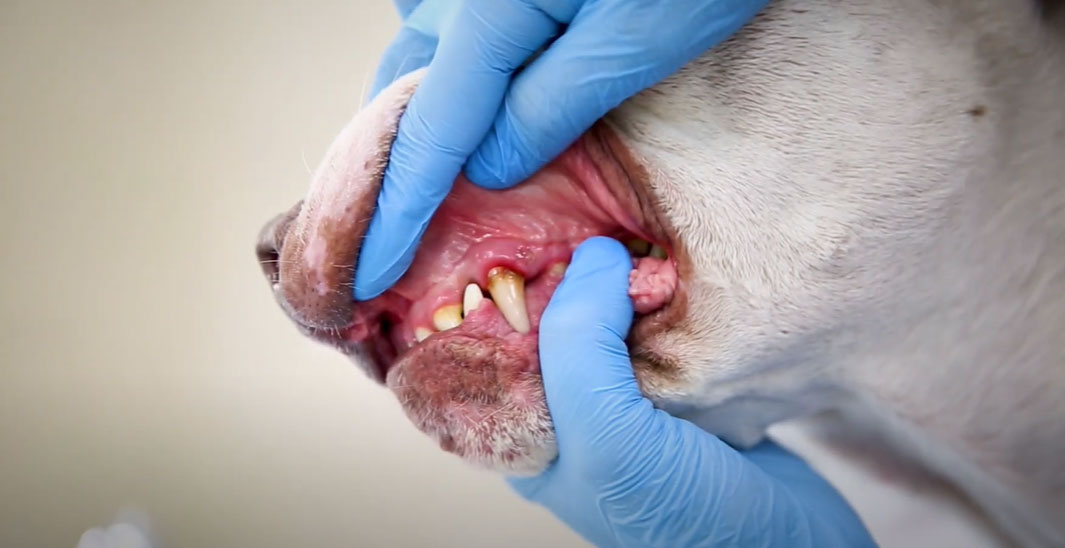
During the diagnostic process, having determined why the dog's gums are inflamed, the veterinarian can make a more precise diagnosis:
- localized gingivitis (inflammation develops in a localized area);
- generalized gingivitis (the entire mucous membrane of the mouth is affected);
- gingivostomatitis (occurs when a bacterial and fungal infection is combined);
- Witherosive, catarrhal gingivitis (occurs under the influence of various external factors);
- hypertrophic gingivitis (develops under the influence of internal factors).
Without proper treatment, prolonged chronic gingivitis can become complicated periodontosis, which threatens to cause loosening and loss of teeth
Diagnostic methods
Important! It's quite difficult to determine the exact cause of gum inflammation at home, so gingivitis in dogs should be diagnosed and treated by an experienced veterinarian.
To understand how to treat gum inflammation in dogs, it is first necessary to understand which microorganisms cause the inflammatory process and what provoking factors led to the development of the disease.
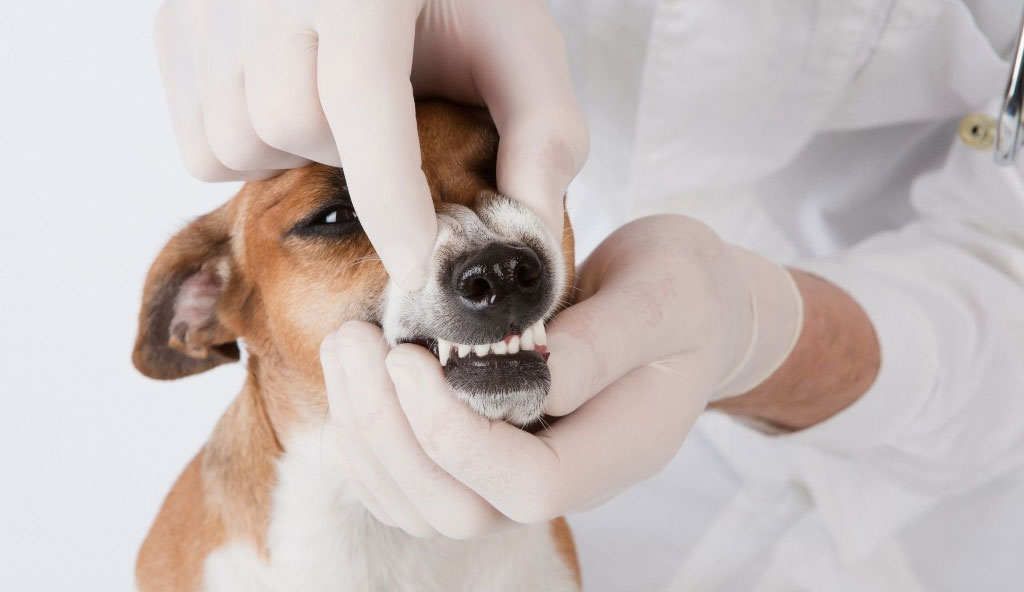
Important! Do not treat inflamed mucous membranes with baking soda, antiseptics, or alcohol-containing solutions (especially if they are bleeding). Mouth ulcers should not be cauterized with brilliant green, iodine, or similar agents.
Treating the mouth with antiseptics before taking samples can give false results, preventing the veterinarian from quickly determining which effective antibiotics to prescribe to fight the infection. Any cauterization can only worsen the animal's condition and cause severe pain.
In a clinic, a doctor may use various diagnostic methods to make a diagnosis:
- examination of the dog's mouth and analysis of the information provided by the owner;
- Schiller-Pisarev test (after applying a special solution, gums affected by gingivitis become dark, almost brown);
- X-ray examination to determine the condition of bone tissue and teeth.
Treatment of gingivitis
Treatment methods depend largely on the type of disease and the animal's condition. Treatment is tailored individually and may include:
- antibacterial therapy (in case of severe inflammation of the mucous membranes, tablets are not prescribed, but an antibiotic is prescribed in suspension or injections);
- antiseptic treatment of mucous membranes with special solutions;
- painkillers;
- vitamins PP, C and B;
- physiotherapy procedures;
- electrophoresis with heparin solution;
- dietary food (soft food);
- gum massage (after elimination of the acute inflammatory process);
- cleaning of tartar;
- removal of carious and loose teeth
You can also rinse your mouth at home with decoctions of oak bark and calendula to stop bleeding.
If the disease is diagnosed in the early stages, it responds well to treatment and the dog makes a full recovery. In advanced cases, treatment can be protracted, and surgical interventions (tooth extraction) are often necessary to eliminate the underlying cause of the chronic infection.
Prevention
To prevent gingivitis in dogs, buy a special preventative toothpaste for animals (see photo for examples) and brush your pet's teeth daily with a toothbrush or a special finger cot.
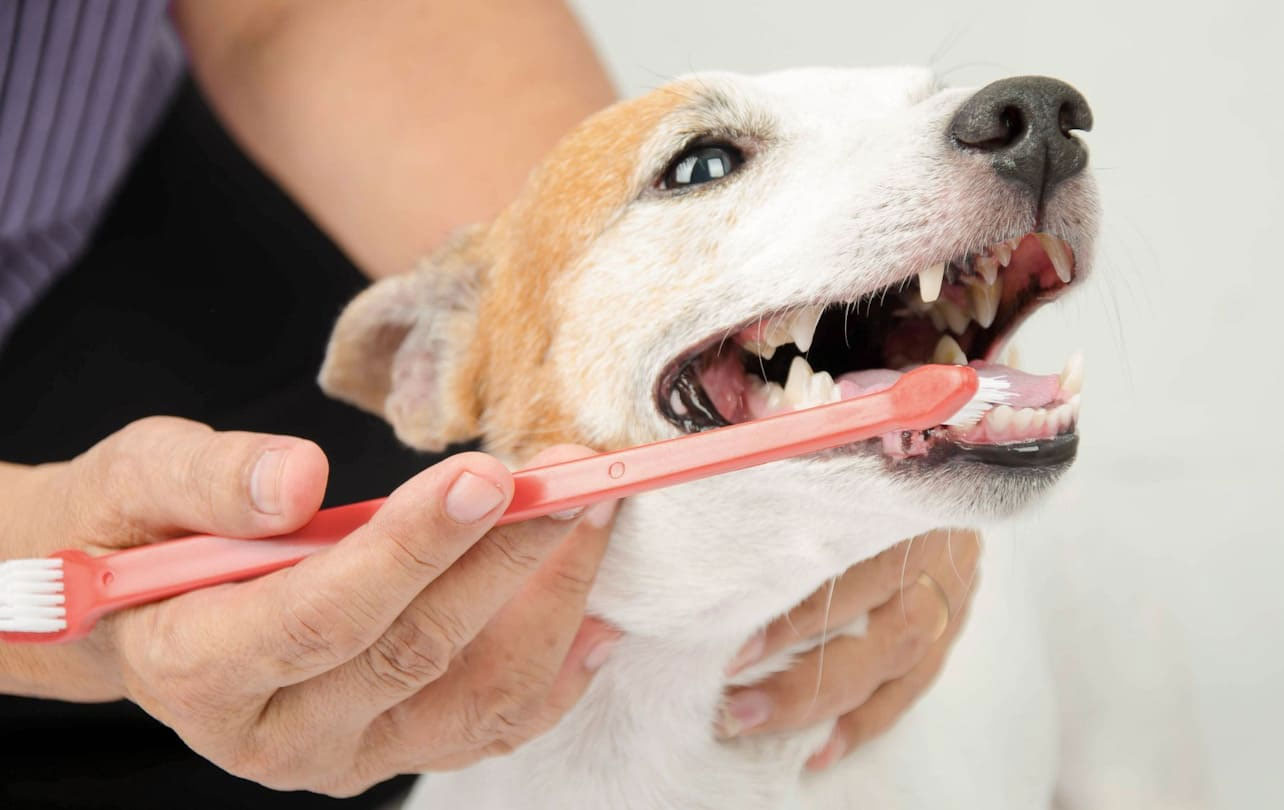
The following will also help minimize tartar formation:
- balanced diet;
- dry food;
- dental toys;
- special treats that help clean teeth from soft plaque;
- periodic use of special products that soften tartar during cleaning;
- Ultrasonic teeth cleaning.
Important! Toothpastes and toothbrushes designed for humans are not suitable for dog oral care.
For more information on how to care for your dog's teeth and gums, watch the video:
Veterinarian's advice
Read also:
- White and Pale Gums in Dogs: Causes and Treatment
- Hot Ears in Dogs: Why and What to Do
- Viral papillomatosis in dogs: symptoms and treatment


Add a comment