
Gingivitis in Cats: Symptoms and Treatment
Gingivitis is a dental condition characterized by inflammation of the gum tissue. This condition is usually infectious in nature and is common in both humans and animals. Gingivitis is less common in cats than in dogs, but is more difficult to detect because cats are more tolerant of discomfort and pain and typically try to conceal any signs of illness.
Although gingivitis is not life-threatening, if left untreated, the infection spreads to the teeth and jawbone, which can lead to periodontal disease and tooth loss. Pathogenic microorganisms from the gums can easily spread through the bloodstream to internal organs, causing damage to the digestive system, liver, or kidneys.
Reasons for development
Gingivitis can develop for various reasons. External factors include, first and foremost, mechanical or chemical trauma. Gum tissue is fragile and can therefore be easily damaged by sharp objects or aggressive substances introduced into a cat's mouth out of curiosity. When the gums are damaged, microbes colonize them, causing inflammation and swelling, which over time spread to surrounding tissue.
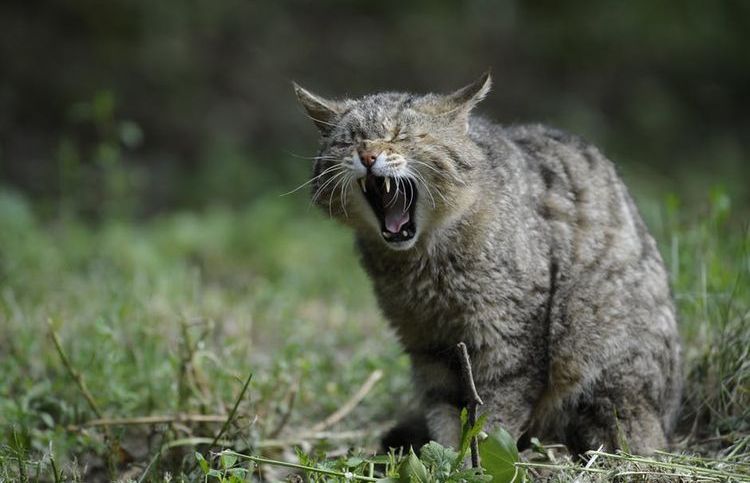
Caution! Most often, gum injuries occur when cats try to chew on tubular bones that their owners have managed to feed them. Splinters of these bones can be as damaging as a knife and should never be given to cats!
Gingivitis can also be caused by:
- An incorrect bite, when the teeth constantly press on the mucous membrane of the gums, which can result in the formation of ulcers on it.
- Deficiency of vitamins A and C, which are responsible for the state of the immune system.
- Tartar buildup. Plaque that isn't promptly removed from teeth hardens and forms tartar, which serves as a breeding ground for infection and can damage gums.
- Untreated caries (demineralization of tooth enamel with subsequent destruction of tooth tissue).
- Inflammatory and infectious diseases. These include calicivirus and rhinthorachitis, which affect the mucous membranes of the respiratory and oral cavities, panleukopenia (feline distemper), and chronic gastrointestinal diseases.
Symptoms and diagnosis
A characteristic sign of gum inflammation in cats is increased salivation and bad breath. These symptoms are a reason to seek veterinary attention before the gum disease becomes widespread.
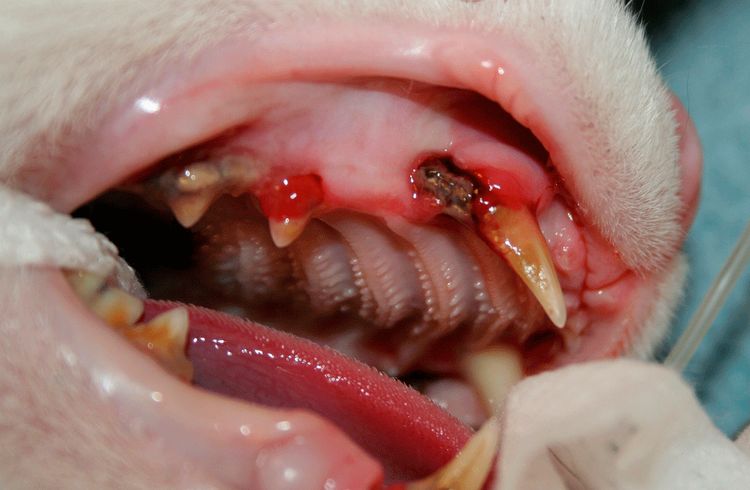
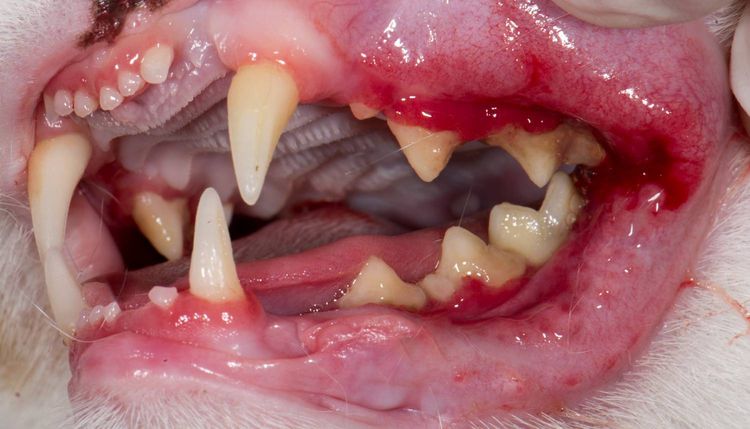
Upon examination, the cat's gums are swollen, red, and bleeding, and they are tender to the touch. In advanced gingivitis, the gums become bluish and swell, protruding over the teeth. Due to the pain, the cat loses its appetite, becomes less active, and generally feels unwell. A fever may develop, and the submandibular lymph nodes may swell.
Gingivitis caused by plaque is called dental gingivitis. It is milder, heals faster, and usually does not recur. A more severe form of gingivitis is plasmacytic-lymphocytic gingivitis. It can result from an overreaction of the immune system or develop under the influence of viruses (rhinotracheitis, panleukopenia and others). This form of the disease is characterized by acute pain and the formation of numerous, poorly healing ulcers on the gums and soft palate. Plasma cell-lymphocytic gingivitis is difficult to treat and often becomes chronic.
A cat's diagnosis of gingivitis is usually made based on a visual examination, as the symptoms are quite specific. Determining the cause of the disease can be challenging, as it influences the choice of treatment methods and agents. For this purpose, the animal may be prescribed clinical and biochemical blood tests, oral swab or swab testing for calicivirus and rhinotracheitis, and jaw radiography. To differentiate between plasmacytic and lymphocytic gingivitis, microscopic analysis of a gum biopsy is sometimes required.
Treatment
In the early stages of the disease, gingivitis is not difficult to get rid of; often, its symptoms can be eliminated if the cat has tartar and brush your teeth regularly. For home treatment, topical veterinary disinfectants and anti-inflammatory medications are also recommended. These are made from medicinal plants and have an attractive scent and taste. These medications are applied to the cat's gums 2-3 times a day after eating.
The following therapeutic and prophylactic drugs for cats have received good reviews:
- Dentavedin gel. It contains propolis, chlorhexidine gluconate, and extracts of 25 medicinal herbs.
- Zubastik Spray. Contains propolis, the enzyme complex Amylosubtilin, and extracts of chamomile, sage, calendula, and oak bark.
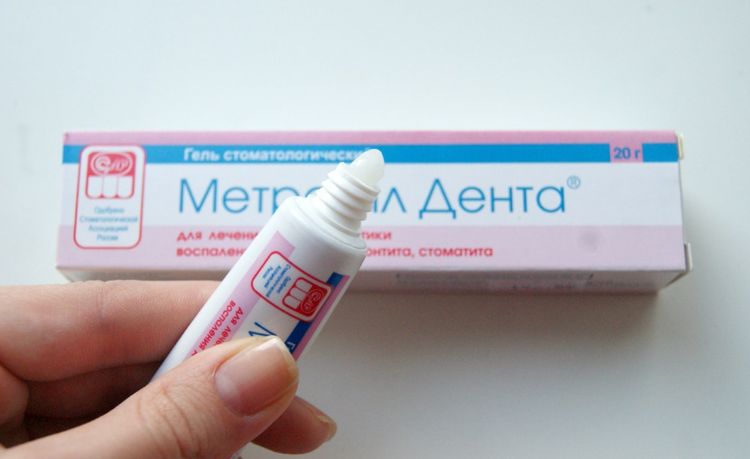
For severe inflammation, a veterinarian may prescribe the antimicrobial and antiseptic Metrogyl Denta (active ingredients: metronidazole benzoate and chlorhexidine gluconate). To accelerate gum healing, oil solutions of vitamins A and E, rosehip or sea buckthorn oils, and ointments containing actovegin or solcoseryl (these substances activate tissue regeneration processes) are used.
Treatment of plasmacytic-lymphocytic gingivitis requires the use of antibiotics (Tylosin or Amoxicillin), anti-inflammatory medications, and immunomodulators. To relieve pain, the cat may be prescribed novocaine or lidocaine applications to the gums. If necessary, necrotic tissue is removed or sharp edges of the teeth are ground down. If the gum is so damaged by periodontal disease that it is no longer able to support the tooth, the tooth must be extracted.
Prevention
To prevent gingivitis in cats, dental hygiene is paramount. Cats, like people, need their teeth brushed, if not every day, then at least a couple of times a week.
Important! There are special "cat" toothbrushes with soft bristles and a shape adapted to the animal's mouth, and there are also toothbrushes designed for finger use. Toothpaste is also purchased separately; "human" toothpaste is not suitable for cats, as it can be toxic.
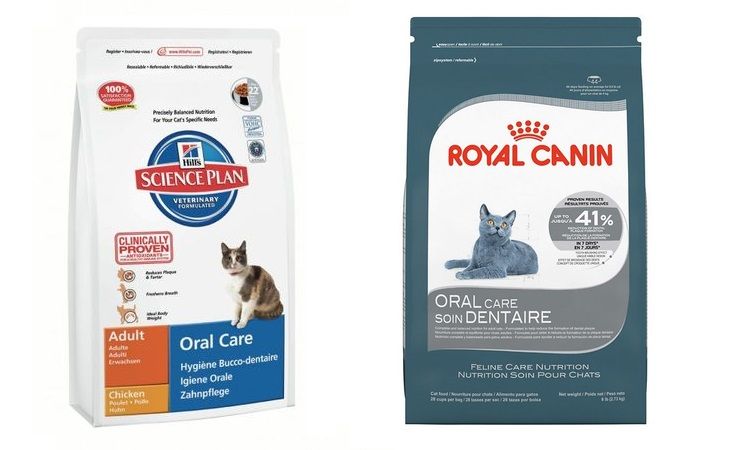
To prevent plaque buildup on teeth, you can periodically feed your cat special foods containing calcium-binding substances that prevent the formation of hard, calcareous deposits on teeth. The shape and size of dry kibble help mechanically clean food debris from your cat's teeth. Popular brands of preventative dry foods include Hill's SP Feline Adult and Royal Canin Oral Care.
Routine preventive checkups can help detect the first signs of gingivitis in your cat early. Try not to skip them. This is especially true for breeds with a genetic predisposition to dental and oral diseases. Veterinarians say gingivitis is most common in Siberian, Persian, and Birman cats. It's recommended to have them checked more frequently, supplement their diet with vitamins in the winter, and include medicinal herbs to boost the immune system in the summer.
Read also:


Add a comment