
Himalayan cat
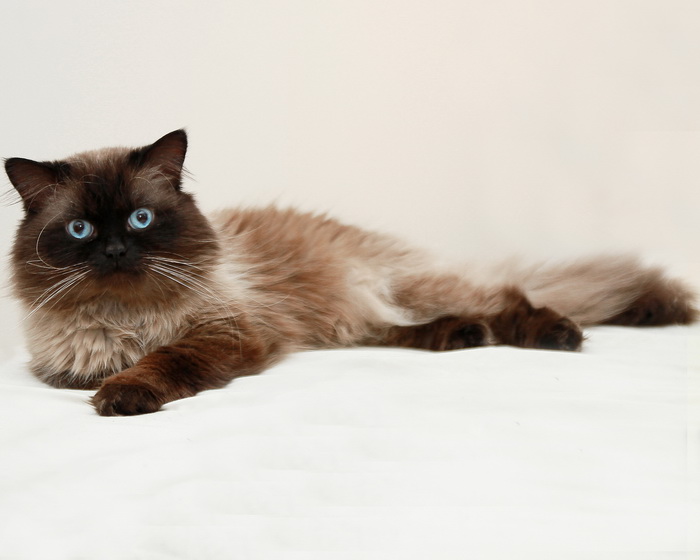
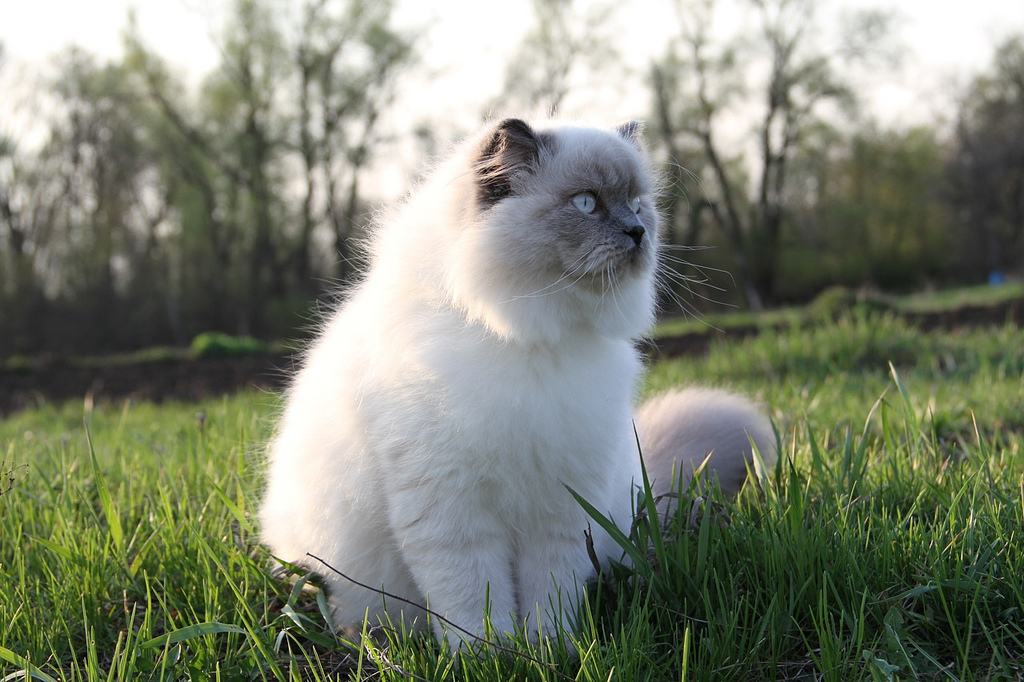
Himalayan cat – one of those cases where the breed name doesn't reflect its origin. They were named after the Himalayan rabbit breed due to their similar coloring. The Himalayan cat is Persian, with the same qualities, appearance and character, but with a “Siamese” color.
Content
History of the breed's origin
The Himalayan cat breed was created by crossing two breeds—the Persian and the Siamese. Subsequently, breeders selected kittens with distinct coloring. Siamese cats and the necessary qualities.
The history of the Himalayan breed dates back to the 1950s in America. Ten years later, it was recognized as a distinct breed, though only briefly. At the same time, longhaired Colorpoint cats were developed in the UK, which differed from the Himalayan in their intense coloring and longer muzzle. They still exist today, but have never been a distinct breed.
For over 30 years, Himalayan cats struggled to gain recognition from all associations and be considered a separate breed. However, in 1984, the CFA, which had previously recognized them, reversed its position and merged Himalayans with Persians, granting them group status. Since then, the pedigree has been listed as Himalayan-Persian, and the Persian standard, supplemented by the Himalayan division, is used for ring evaluations.
Video review of the Himalayan cat breed:
Breed description and standards
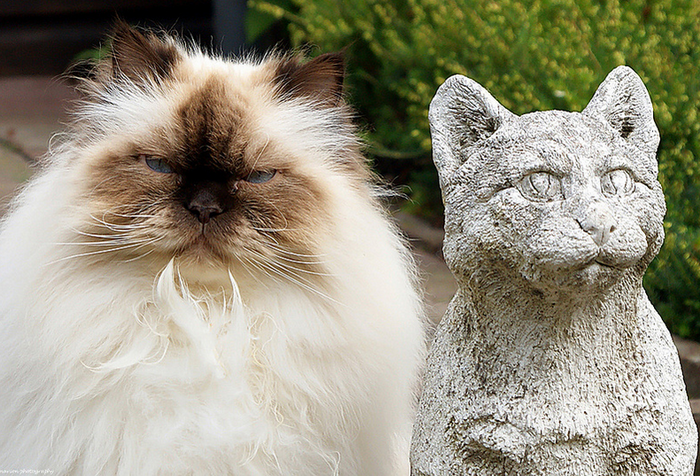
In appearance, the Himalayan cat breed is very similar to the Persian. They share the same stocky, round body, beautiful, fluffy tail, and short legs, which prevent them from jumping very high. The main distinguishing feature of the Himalayan is the dark mask on the face, which has a distinct outline and does not extend onto the chest or neck. Young kittens may have slightly different coloring, but by the age of two, they have acquired the correct coloring.
Head and muzzle
The cat's head is massive and rounded, with a broad skull and set well on a thick, short neck. The nose is wide, short, and upturned. A distinct stop is located between the eyes. The cheeks are full and the jaws are wide. The chin is well developed and reflects a correct bite. Himalayans have small ears, set well apart, with rounded tips and a slight forward tilt.
The eyes are round, large, and expressive, set wide apart. They come in only one color: blue.
Frame
The body is stocky and squat. The chest is broad. The back is level. The musculature is not very pronounced, but there should be no signs of obesity. The legs are short and strong; the paws are rounded, with close-knit toes. The short tail is set slightly lower than the back, but without a curve. The Himalayan cat weighs 4-6 kg. Some males weigh more.
Wool
Himalayan cats have fluffy, thick, soft, and long fur. It's impossible not to recognize this beauty when you see it.
Colors
The Himalayan gene has given the breed a charming coat pattern that resembles that of the Siamese breed.
For the Himalayan cat breed, two types of color are allowed:
- Colorpoint – a light-colored body with markings on the face, ears, paws, and tail. There should be visible contrast, with the darker shade considered the base color.
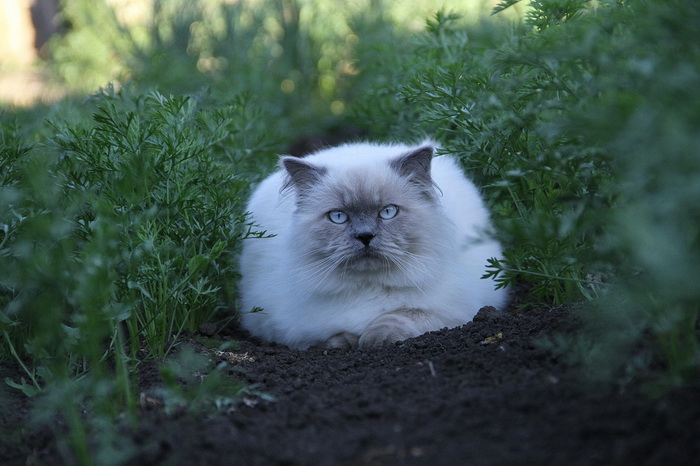
- Lynx Point – The mask on the face is clearly defined, with vertical stripes forming an "M" on the forehead and horizontal stripes on the cheeks. The eyes are edged with dark rims. The insides of the ears are white, while the outsides are dark. The inside of the tail is also lighter.
The base coat color is white or cream, adorned with lilac, blue, chocolate, or brown spots. The rarest and most prized colors are chocolate and lilac.
What is the Himalayan gene?
The Himalayan gene was first studied in a breed of Himalayan rabbits with dark-colored protruding parts of the body:
- ears;
- muzzles;
- paws and tail.
The same pigment responsible for the dark color of cats as in other mammals is melanin, which is also produced in humans when they tan, making their skin darker.
In humans and most animals, pigment is produced by the active enzyme tyrosine, but in the Himalayan breed, among other things, it is temperature-sensitive, and melanin is produced only in areas of the body with a lower temperature. This means that pigment is produced wherever the skin protrudes, while practically none is produced elsewhere. Thus, the Himalayan gene is the scientific name for the mutated gene responsible for the Siamese color pattern.
Character
The Himalayan cat breed is known for its calm and sociable nature. This affectionate and intelligent cat loves company and the caress of its owner. They dislike being alone and find it very difficult to cope with loneliness. The Himalayan cat's temperament can be described as balanced, calm, and gentle, and they enjoy being indoors. Unlike the Siamese breed, they are calmer and more docile, while unlike the Persian, they are more energetic and demanding.
They're the ideal companion for those who value peace and quiet in the home. Because of their build, they don't tend to climb tall things like cabinets, tables, and refrigerators, and they're not particularly skilled at it. Curtains aren't their thing either, but the Himalayan cat isn't a gloomy loner and will happily play with a ball or other small toy.
The Himalayan will not feel comfortable in a noisy house filled with constantly moving people; his path is peace and quiet.
The pet enjoys its owner's attention, but it's not overbearing. If the owner is busy, the Himalayan will wait patiently to the side, and if it needs anything, it will let you know with a quiet, melodic voice. But as soon as the owner sits down to rest, the cat will immediately rush to their lap.
It's important to know that if you decide to get a Himalayan cat, you should be prepared for it to follow you everywhere. These pets want to be involved in everything their owners do, and as soon as they get the slightest chance, they'll crawl into your lap. Himalayan cats are very attached to children—they love to play with them, snuggle up next to them, and rarely let out their claws. Himalayan cats are very sociable animals, meow a lot, and if they have a need for something, they'll definitely try to "tell" you.
Another characteristic of these kind and sweet Himalayan cats is their attachment to their mother. Therefore, kittens are not separated from their nurse until they are three to four months old.
Reviews of the breed
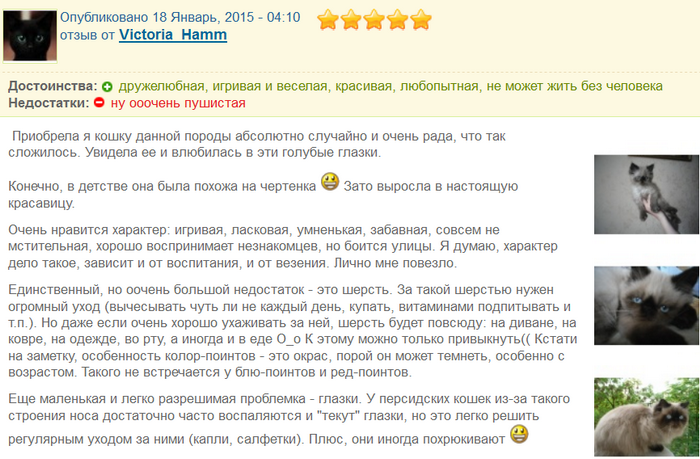
According to owner reviews, Himalayan cats are ideal companions. They are calm, even-tempered, affectionate, and incredibly attached to their people.

Himalayan cats generally get along well with other animals, thanks to their calm nature.
 Himalayan cats are often described as intelligent and clean animals.


This breed of cat is very people-oriented, becomes attached to all family members and tries to participate in all human affairs.

Himalayan cats are suitable for anyone who isn't put off by the length of their fur and the need for grooming, as well as the fact that many items in the house will now be covered in hair to a greater or lesser degree.
Who shouldn't get a Himalayan cat:
-
Himalayan cats, as already mentioned, do not tolerate loneliness, which means they are not suitable for busy people and those who do not intend to devote a lot of attention to their pet.
- Grooming is equally important. Does anyone agree to devote time to their cat every day? Long fur requires regular brushing, tear duct cleaning, bathing, and many other hygiene procedures.
- Himalayans are absolutely not suitable for people who expect their cat to be constantly entertained. These aristocrats shouldn't be fussed, forced into adventures, or forced to play. They thrive on a quiet, peaceful life on the couch with their beloved owner.
- Allergy sufferers and those who are fussy about cleanliness should also consider a different breed, as some hair will remain on furniture, even with daily brushing.
Maintenance and care
Himalayan cats are perfect for apartment living. They're fairly calm, so they won't jump on cabinets or tear curtains. They're perfectly happy without play structures and content with just a few toys. If allowed outside, they'll happily bask in the sun, but they're unlikely to stray far from people.
Although this cat isn't a breed that requires a harness, Himalayans require constant supervision outdoors. Due to their temperament, they may be unable to protect themselves from potential dangers lurking outside.
Long, beautiful fur requires daily grooming. Neither cats nor their owners like matted fur, and regularly skipping brushing can lead to this very situation.
Grooming a Himalayan cat requires meticulous care and, ideally, daily grooming. While brushing doesn't take a lot of time, it's still worth the effort. For example, you could brush your pet while watching a movie or another favorite show. Therefore, before getting one, carefully consider whether you have the patience and time to care for it.
A beautiful coat can also be a source of health problems for cats. With daily licking, a cat is forced to swallow some of the hair. Periodically, the cat will regurgitate the hair that has accumulated in the stomach, forming clumps. However, some hair passes through and can cause constipation or even an impaction. To prevent this, the cat is regularly given hair removal products. Due to the structure of the skull, cats need to have their eyes cleaned daily. Special solutions or regular saline solution are used for this. Himalayan cats need to have their faces washed regularly. Bathing them frequently is also recommended, and it's essential to use products designed for long-haired breeds that thoroughly cleanse the hair, make combing easier, and prevent tangling.
How to care for a Himalayan cat's teeth
A diet of high-quality dry food is a preventative measure against tartar buildup and gum disease. Feeding wet food and natural products doesn't have the same effect on teeth, so when feeding wet food, pay more frequent attention to your Himalayan cat's oral hygiene.
If your pet eats dry food, a monthly checkup is sufficient. If your pet is on a natural diet, a weekly checkup is sufficient. Additionally, cats on any diet require regular dental cleaning.
Feeding Features
Himalayan cats should be fed according to their weight, health, gender, and age. Small kittens and pregnant cats are recommended to be fed four times a day. From six months to 1.5 years of age, cats are fed three times a day, and then transition to two meals a day. It's also important to remember that Himalayans are prone to obesity.
It's not recommended to feed Himalayan cats raw food. Commercial wet and dry food above the premium level is preferable. Ideally, this food should be specifically designed for Persians or other long-haired breeds. If you decide to feed your cat raw food, carefully consider its diet. It should contain the necessary amount of minerals and vitamins. Completely eliminate fatty, fried, salty, sweet, and spicy foods.
Health and life expectancy
Unfortunately, the Himalayan cat breed is predisposed to a number of diseases:
- Hereditary cataract.
- Cutaneous asthenia is a hereditary connective tissue disorder. Unfortunately, this condition is incurable.
- Kidney problems.
- Dermatitis and psychogenic alopecia - a disease that occurs as a result of stress due to frequent licking or biting of the same area of the body.
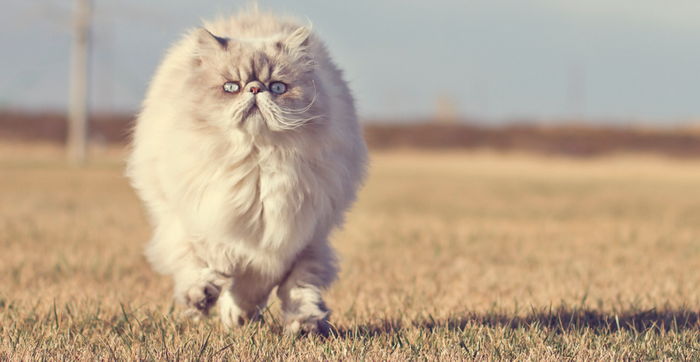
The Himalayan cat inherited some of its health problems from its ancestors. From the Persians, it inherited a short muzzle, along with respiratory problems. Due to the unique structure of its nose, it experiences difficulty breathing when excited. From these same ancestors, the cat inherited excessive tearfulness, which forces its owner to regularly clean its eyes.
The breed suffers from other diseases common to all cats no more often than other representatives of the genus and is generally considered healthy.
Average life expectancy is 13-14 years.
Choosing a kitten and price
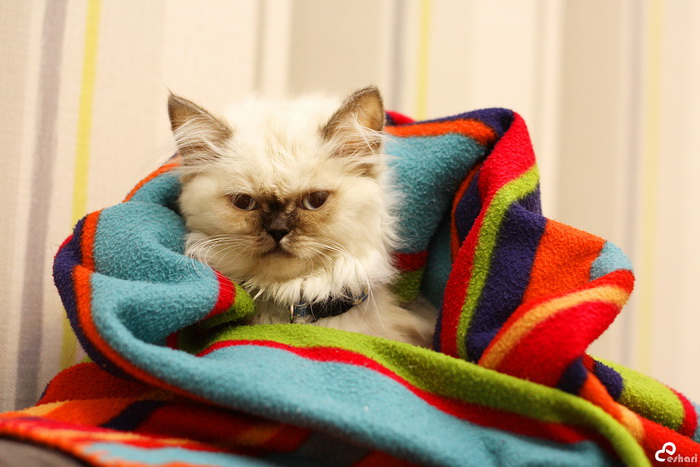
Himalayan kittens are tiny, plush bundles of fur, born completely white, and only after the first week of life do they begin to show hints of their future coat color. Their final coloring is established by the age of one year.
A small Himalayan kitten should be calm, even-tempered, but reactive. Naturally clean and fluffy, with soft fur. If the kitten is thin but not hyperactive, it was likely born weak or sick. Be sure to pay attention to the jaw. Of course, teeth will eventually change, but the possibility of a malocclusion can often be seen early.
The kittens' parents can tell you a lot about them. You should definitely have the opportunity to meet the mother and father of the litter and assess their living conditions.
Many Himalayan cat breeders note that the price of each kitten varies. This is primarily due to the fact that after birth, kittens are divided into classes:
- for home;
- breeding;
- exhibitions.
Secondly, the babies come in a variety of colors. The more popular and common ones are cheaper, while the rarer and more difficult to obtain ones are much more expensive. The quality of the parents, their achievements, and their affiliation with particular breeding lines all play a role in the price.
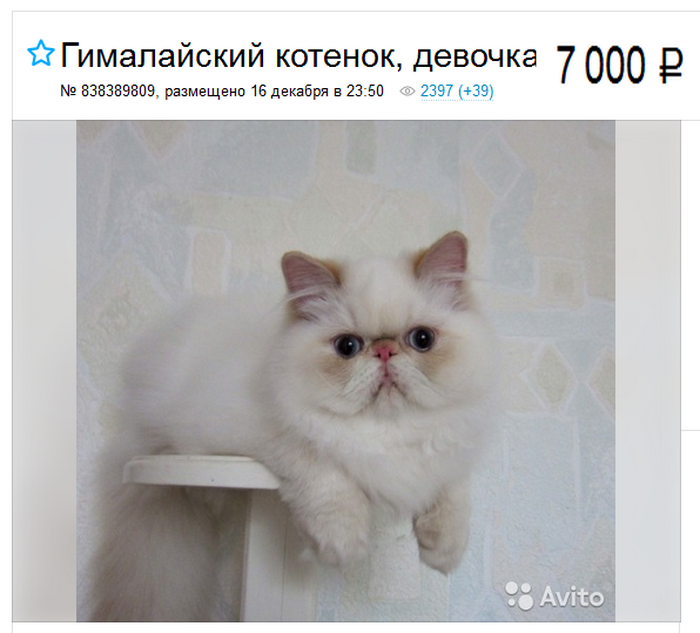
- Kittens not permitted for breeding are sold for between 4 and 10,000 rubles.
- With the right to breed or for a show career - from 30,000 rubles.
Toilet for a Himalayan cat
Breeders believe that Himalayan cats adapt more quickly to open litter boxes. They are also more willing to go to the bathroom if the litter box is filled with enough litter to completely bury waste. Clumping litter is considered the most convenient.
Toys for Himalayan cats
As mentioned, the Himalayan cat loves to play, but only with specific toys. Basically, any cat toy will do, but keep in mind that interest in new toys quickly fades, so buy toys that are most appealing to this breed. For example:
- noise;
- feather;
- with the scent of mint.
Catnip will invigorate even the oldest and laziest pet, making them hover around a toy like a young Himalayan kitten. Toys aren't just for pets' leisure. These breeds are prone to rapid weight gain, and excess physical activity can only be beneficial.
Photos of Himalayan cats: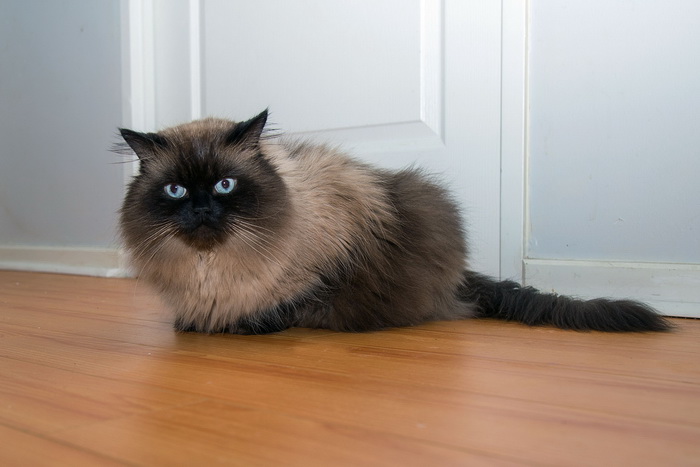
Read also:
- Silica gel cat litter: what is it and which is best?
- Cats with a flattened face: breed
- How does catnip affect cats and what is it used for?


Add a comment