
Hydrocephalus in dogs: symptoms and treatment
Hydrocephalus, or water on the brain, is a condition in which a large amount of cerebrospinal fluid (CSF) accumulates in the cavities of the brain (ventricles). This severe organic condition negatively impacts physical and psychosomatic well-being, causing brain tissue atrophy and leading to disability. Rapid progression can lead to coma and death. Treatment of hydrocephalus in dogs is complex, time-consuming, and often requires surgery.

Content
Causes and classification of hydrocephalus
Depending on the location, hydrocephalus is divided into internal (excess cerebrospinal fluid is located in the cavity of the cerebral ventricle) and external (exudate accumulates between the meninges).
The pathology can be congenital or acquired. The congenital form is more common; hydrocephalus in puppies typically manifests itself within the first days of life, but can remain asymptomatic for several months, up to a year. It develops due to obstruction of the cerebrospinal fluid pathways in the brain due to intrauterine brain damage (meningoencephalitis) or as a result of trauma to the puppy during birth.
Acquired hydrocephalus is a polyetiological disease: its cause can be defects of the central nervous system (Dandy-Walker syndrome, cerebellar hypoplasia), adhesions of the meninges due to hemorrhage, meningitis, intracranial abscess, the presence of cysts inside the skull, etc. tumors.
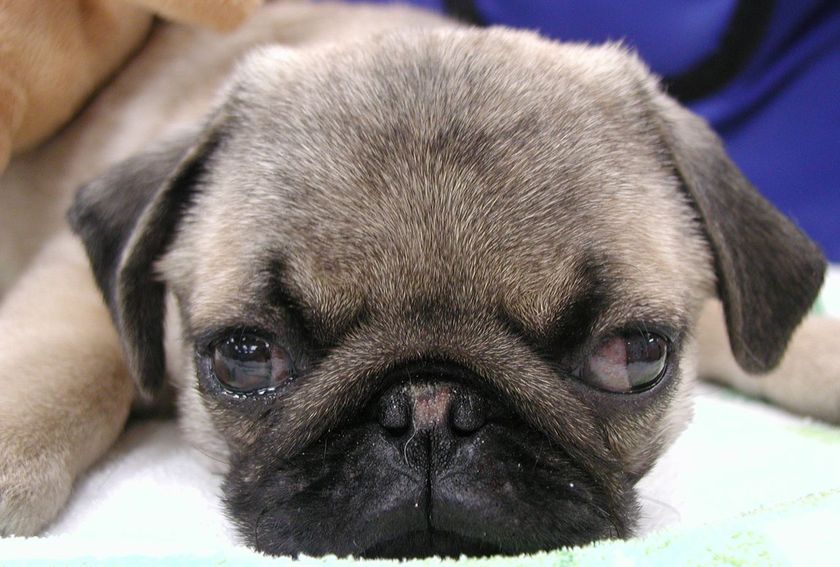
Hydrocephalus is most common in small breed dogs and dogs with short, flattened muzzles (brachycephalics), as these animals have relatively small skulls. Breeds predisposed to hydrocephalus include:
- pugs;
- Pekingese;
- Spitz;
- Chihuahua;
- Maltese;
- Toy Terriers.
Symptoms of hydrocephalus in dogs
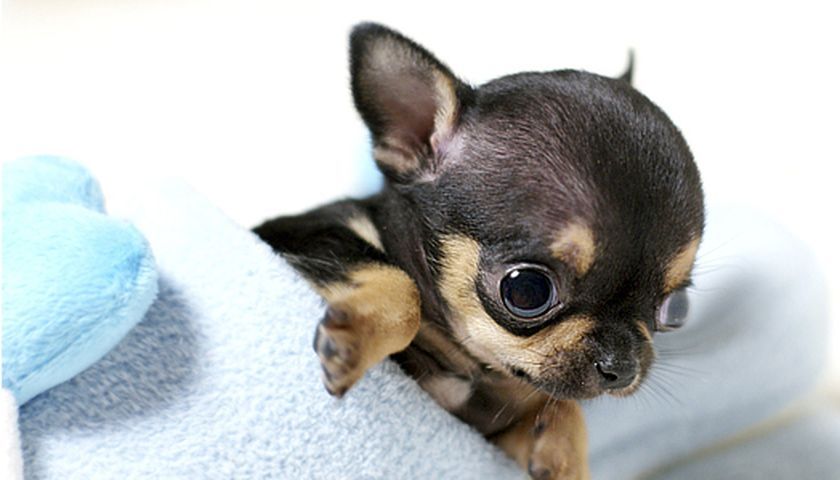
The most characteristic signs of hydrocephalus in dogs are a disproportionately large, domed skull and an open fontanelle, as can be clearly seen in the photo of a Chihuahua with hydrocephalus.

Other typical symptoms of hydrocephalus may include:
- exotropia;
- decreased tone of skeletal muscles (atony);
- sudden head throws;
- periodic loss of balance and disorientation in space;
- change in behavior from aggression to apathy;
- seizures;
- breathing difficulties;
- loss of consciousness.
Congenital hydrocephalus in dogs often progresses without significant deterioration in the animal's health. However, puppies with hydrocephalus have no control over their behavior and are virtually untrainable. Acquired in adulthood, the condition typically progresses rapidly and, due to the rapid increase in intracranial pressure, produces dramatic symptoms, leading to death without proper treatment.
Diagnostics
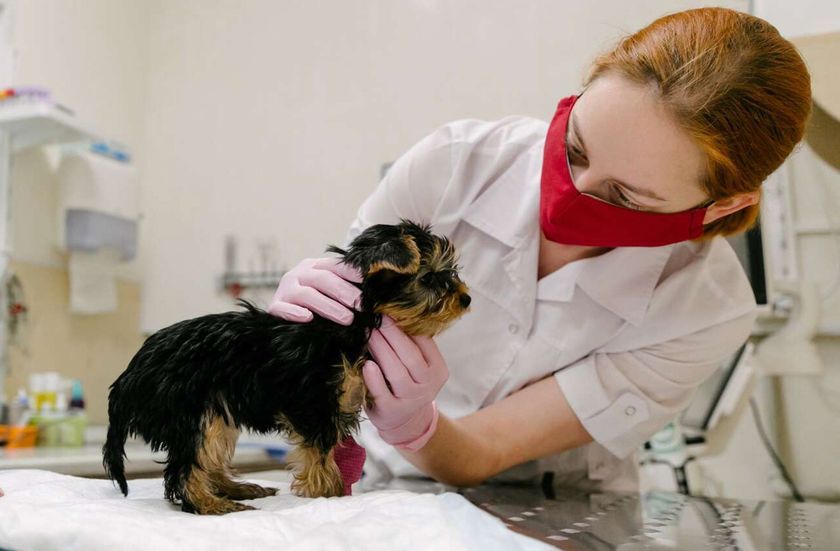
If hydrocephalus is suspected in a dog, diagnosis involves a full clinical examination, including the use of imaging techniques. During a comprehensive examination, the veterinarian evaluates the animal's neurological status (behavior, physical activity, gait, presence of vestibular disorders), determines the degree of fontanelle closure and whether the dog's body and skull size are appropriate for its age and breed. The dog is then sent for blood, urine, and cerebrospinal fluid tests.
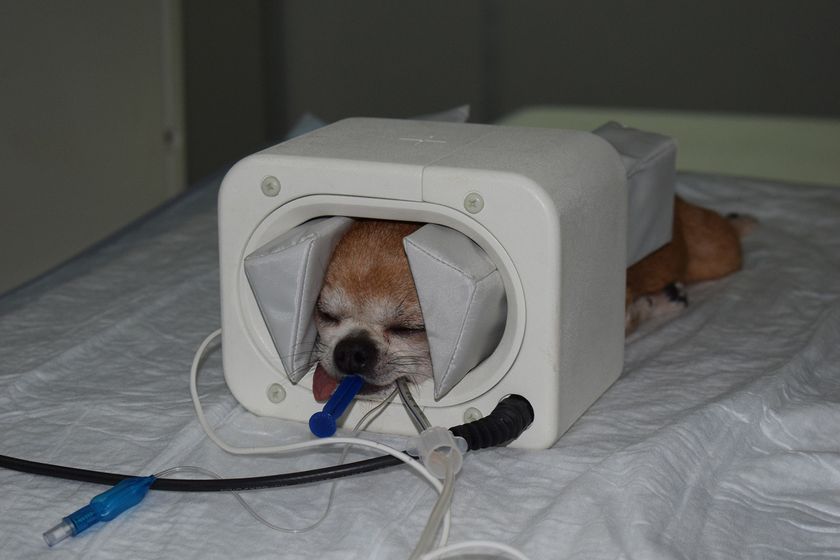
After this, instrumental examinations are performed. If the fontanelles are open, a cranial ultrasound is prescribed. In the case of hydrocephalus, it will reveal the presence of excess cerebrospinal fluid in the brain cavity and the state of arterial and venous blood flow. The type of pathology and the extent of disturbances in brain structures are determined by an electroencephalogram and X-ray.
To obtain an accurate picture of the progression of hydrocephalus and the causes of its development, computed tomography or magnetic resonance imaging is prescribed: it allows for the detection of primary pathologies, neoplasms, the presence of an inflammatory process of the meninges, and signs of infection.
The sooner an accurate diagnosis is made and treatment is prescribed, the greater the chance of preventing the development of irreversible changes in the animal's central nervous system.
Treatment
Treatment of hydrocephalus in dogs can be medical or surgical; in either case, the goal is to reduce the amount of intracranial cerebrospinal fluid and address the cause of its excess formation.
Conservative treatment
Complex symptomatic therapy for hydrocephalus, if it is sufficient to relatively stabilize the animal's condition and the disease does not progress, or when surgical intervention is contraindicated, is most often lifelong.
Conservative treatment includes the use of drugs:
- reducing the production of cerebrospinal fluid (Diacarb, Acetazolamide);
- glucocorticoids (Dexamethasone, Kenalog, Diprospan, Metipred);
- reducing intracranial pressure (diuretics Prednisolone, Furosemide, Acetazolamide, Omeprazole);
- steroidal anti-inflammatory drugs (Meloxicam, Ciclesonide, Dexketoprofen).
If a dog experiences seizures, anticonvulsants are prescribed: Potassium bromide, Levetiracetam, Zonisamide, Gabapentin, Felbamate, Pregabalin, Diazepam. In case of a confirmed bacterial infection, antibiotics are used. To support the immune system, the dog is given immunostimulants (Immunofan, Katozal, Maxidin, Fosprenil) and B vitamins (thiamine, pyridoxine, cobalamin).
Surgical treatment
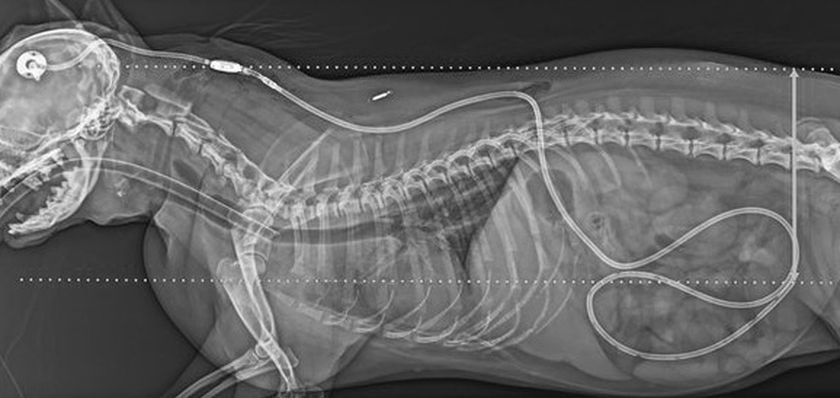
If conservative treatment of hydrocephalus proves ineffective, or the dog's condition is severe, surgical correction is required. Ventriculoperitoneal shunting is used for this purpose.
Although the bypass operation is not technically complex, the risk of death with this type of surgery is quite high, so it is contraindicated in extremely severe cases of dropsy or in cases of general weakness of the animal's body.
The goal of the surgery is to dilate (widen) the cerebrospinal fluid pathways and create an additional pathway for cerebrospinal fluid outflow from the cerebral ventricles. A catheter is inserted through a small burr hole in the skull into the lateral ventricle of the brain. It is sutured to the skull bones, passed under the skin between the front legs, and inserted into the abdominal cavity through the chest. The catheter is equipped with a low-pressure valve. When intracranial pressure rises above a predetermined level, the valve opens, allowing excess cerebrospinal fluid to drain into the abdominal cavity. After the excess cerebrospinal fluid is drained from the brain, the affected dog's condition stabilizes.
Animals undergoing ventriculoperitoneal shunting require special living conditions and meticulous care for the rest of their lives. Owners of these dogs must constantly monitor the drainage catheter to ensure it doesn't become clogged, and replace this rather expensive device if necessary. Active play and long, active walks are prohibited for these dogs. Even handling them should be done with care to prevent the drainage tube from becoming dislodged.
Prognosis for hydrocephalus in dogs
The prognosis for dogs with hydrocephalus depends on the underlying cause, the severity of clinical symptoms, and any associated pathologies.
If hydrocephalus is caused by infection or trauma, the prognosis ranges from favorable to guarded. If the pathology is caused by an intracranial tumor, the outcome depends on the type and size of the tumor. With congenital hydrocephalus without severe manifestations, the prognosis is usually favorable, and with adequate symptomatic treatment and proper care, the dog can live for many years.
Read also:
- MRI of the brain in a dog: what is the procedure for and how much does it cost?
- Chihuahua Dog Breed: A Complete Review with Pros and Cons
- Diseases of the nervous system in dogs


Add a comment