
Heterochromia in Dogs: Causes of Different Eye Colors
Chances are, you've encountered unusual dogs with different-colored eyes, or you're considering adopting one, and you want to know whether heterochromia in dogs is a disease or just a harmless individual characteristic.
Content
Formation of eye color
The color of a dog's eyes (brown, gray, blue, amber, green, or even two-colored) is determined by the set of genes inherited by the animal from its parents, which are responsible for the concentration of melanin in the iris.
The higher the amount of melanin, the darker the animal's eyes.
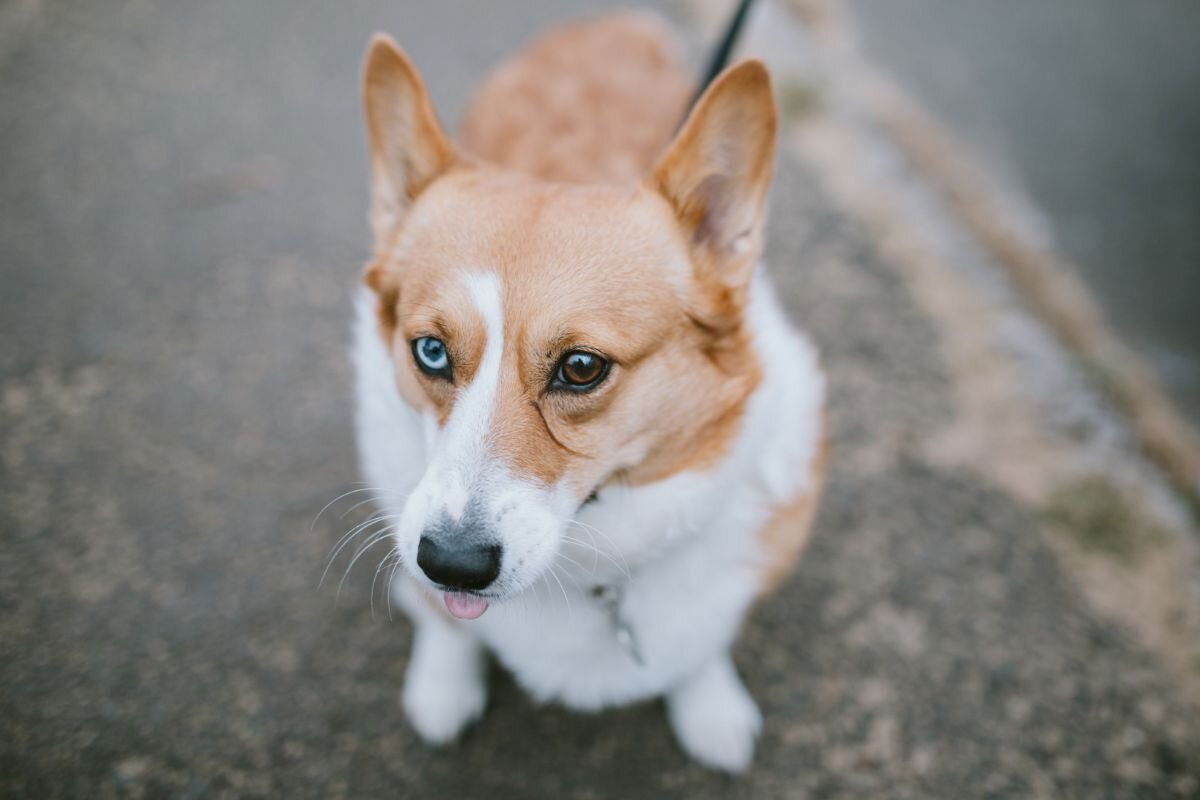
Newborn puppies' eyes can be sky-blue, as their tissues contain virtually no melanin. As they mature and pigment accumulates in the iris (usually by three months), the color changes to a shade determined by the animal's genetics.
Statistically, most dogs have brown eyes (the intensity of the color can vary from golden to deep brown). Gray, blue, and green eyes are less common.
Interesting facts:
- not only the color of the iris, but also its intensity, is usually described in the breed standard;
- Dogs with brown eyes are rated higher at exhibitions if the color of the iris is dark and rich;
- blue and light gray eyes are more common in animals with white, blue, piebald, gray or marbled colors;
- In rare cases, eye color can be associated with hereditary diseases, so it's important to know that if a breed standard has strict restrictions, there are compelling medical reasons for them.
Heterochromia and its types
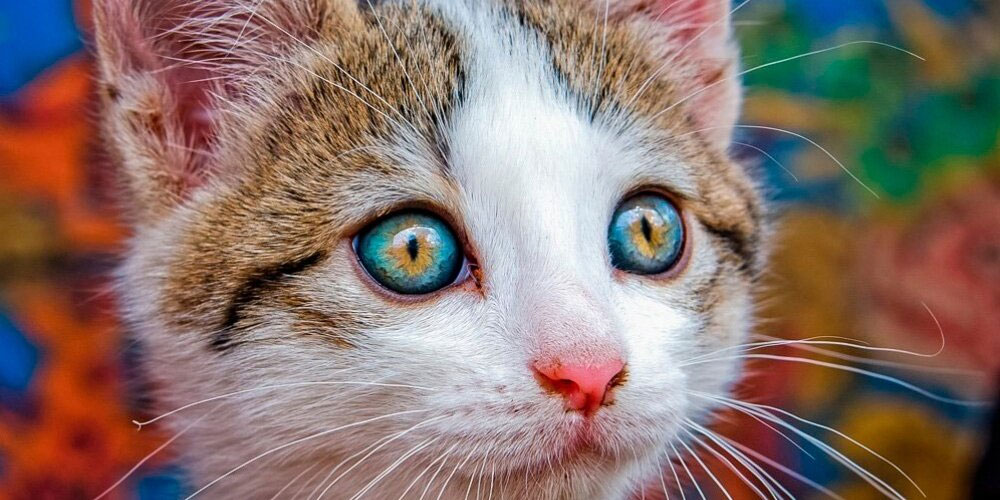
Heterochromia in dogs is a condition in which the irises of the left and right eyes contain different amounts of melanin. This condition occurs in both animals (dogs, cats, horses) and humans.
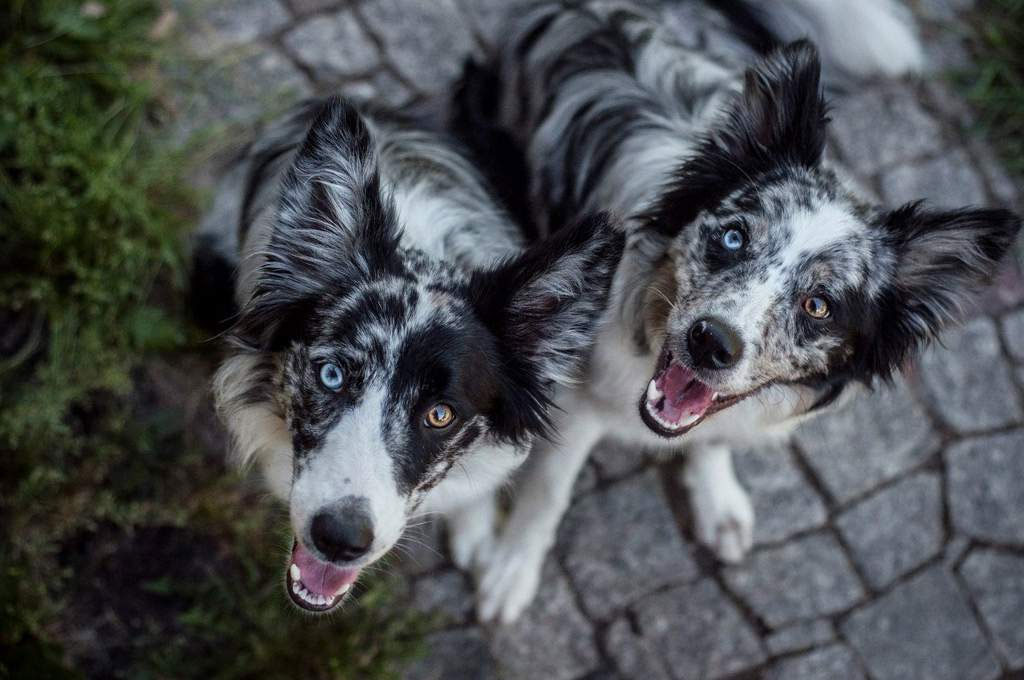
The name of the visual feature comes from the Greek words “ἕτερος” (different) and “χρῶμα” (color).
Veterinarians distinguish the following types of heterochromia:
- congenital – a genetically determined feature that is transmitted according to the dominant principle;
- acquired – when the iris changes color as a result of injury or disease.
Depending on the distribution of pigment in the cornea, there are also three types of heterochromia in dogs.
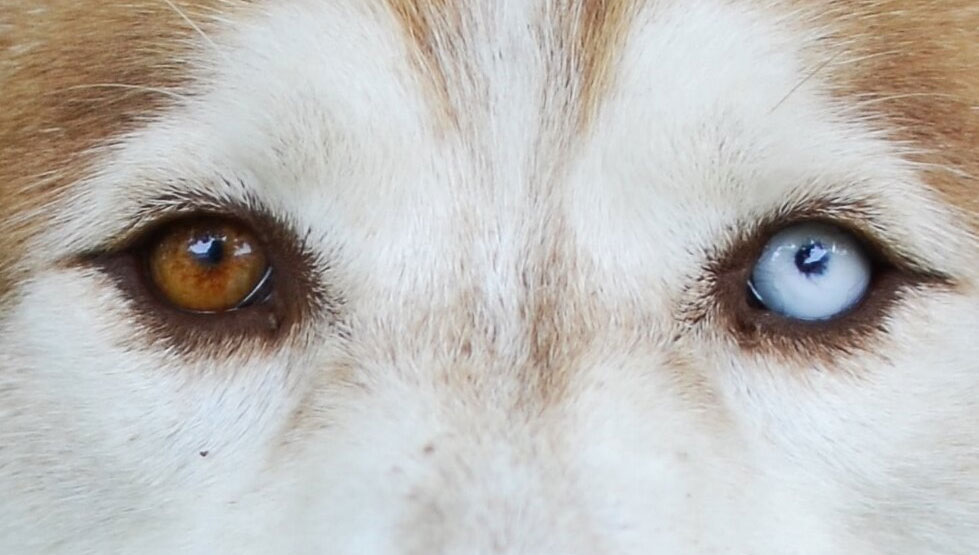
Complete heterochromia
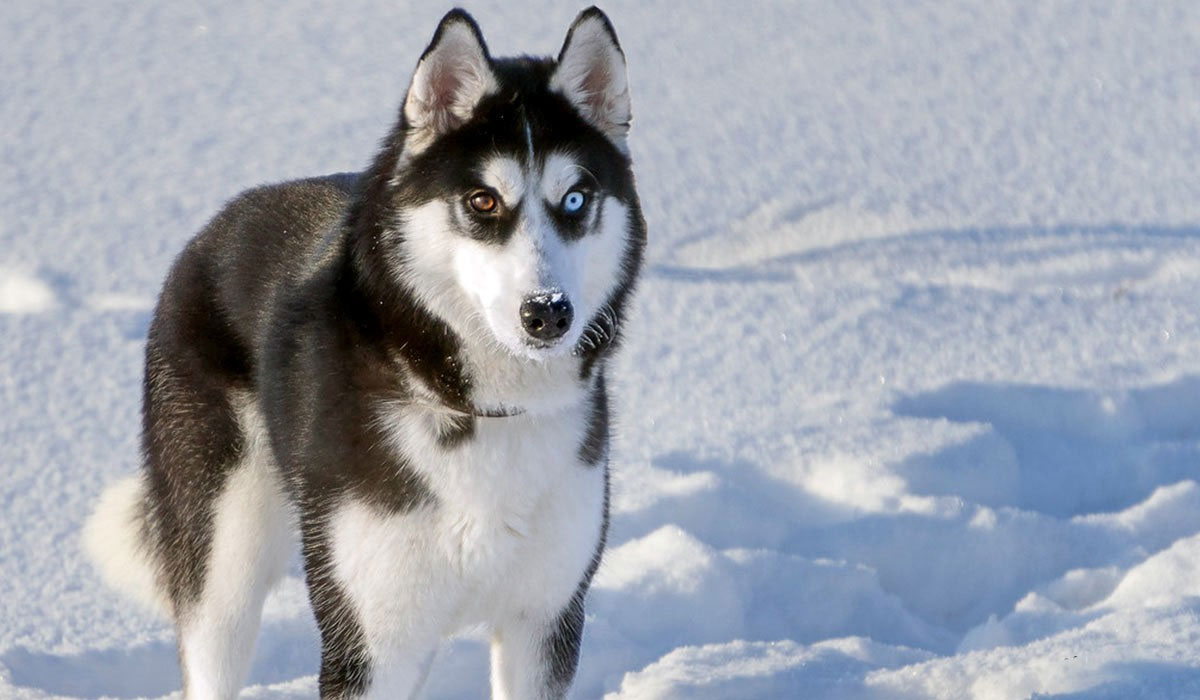
A striking example is a dog with eyes of radically different colors, in which one pupil is a rich brown shade, and the other is blue or light gray.
These are the kind of photos you most often see online when you're wondering what heterochromia is in animals.
Sectoral heterochromia
It is called a sectoral feature because not the entire pupil is discolored, but only a certain sector of the iris.
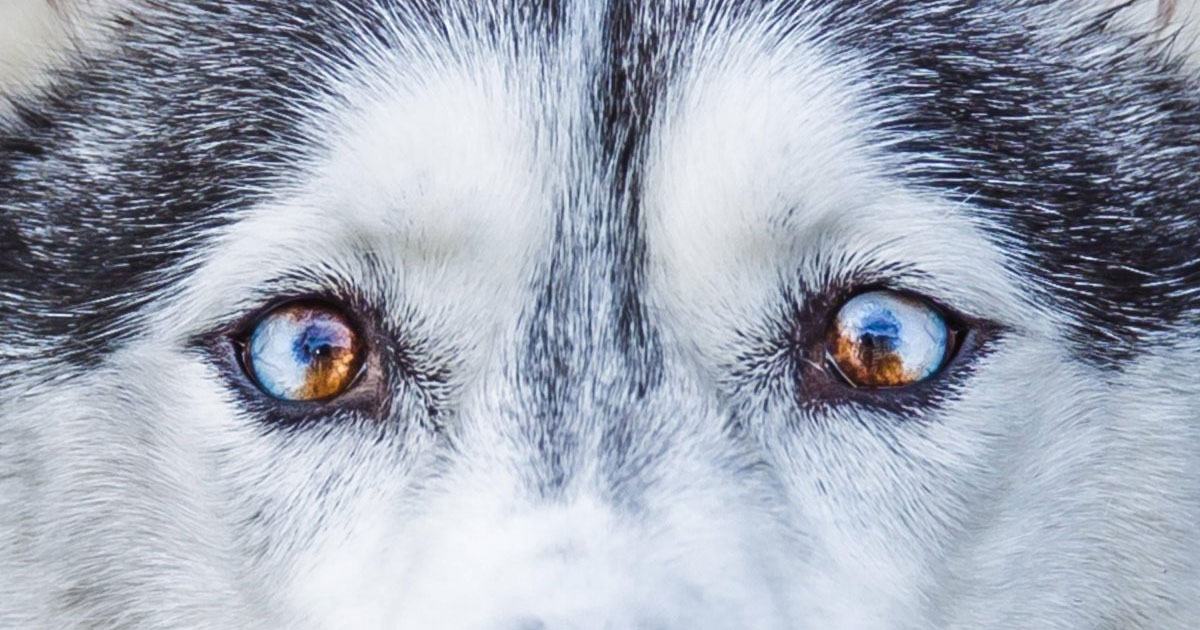
Discolored areas may be located symmetrically in both eyes, or present in only one pupil.
Central heterochromia
In this case, the animal's eyes are not literally different. The eye typically appears brown, but has a clearly visible blue or, conversely, dark border around the pupil, which can radiate across the iris in a spiky pattern.
This feature is found in both dogs and cats.
Dog breeds with different eye colors
Northern Huskies are the most famous dog breed with odd-eyed eyes. Indeed, congenital complete heterochromia is common in these animals, but it poses no health risks, as it is not associated with any pathological genes.
The photos demonstrate the unique appearance of Huskies of various colors with complete heterochromia:
But Huskies aren't the only breed with this trait. Dogs with both brown and blue eyes can:
- Great Danes;
- Shih Tzu;
- Border Collie;
- Chihuahua;
- Scottish Shepherds;
- Australian Shepherds;
- Australian Cattle Dogs;
- Dalmatians (unwanted);
- Taxes.
Does eye color affect health?
Congenital heterochromia is undesirable in Dalmatians, as it often occurs alongside deafness. Puppies born with this condition must undergo a full examination before being sold. Regardless of hearing problems, such dogs will not be shown or used for breeding.
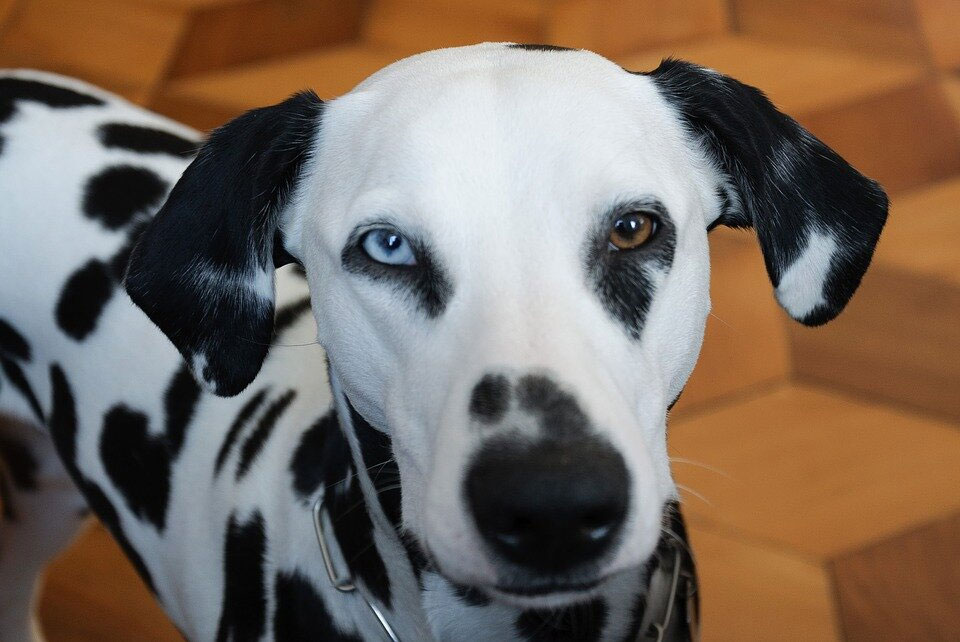
Heterochromia itself is not a disease! Different eye colors, determined genetically, usually do not lead to blindness or other diseases. However, if the condition develops in adult dogs rather than in puppyhood, it may indicate unfavorable processes occurring in the cornea.
An eye that was originally brown can turn blue at any age due to a variety of health problems:
- injuries (corneal damage);
- glaucoma;
- cataracts;
- neoplasms (including melanoma).
That is why, if you notice changes in the eye color of an adult dog, you should take it to a veterinarian as soon as possible to determine the causes of such symptoms.
Choosing a Puppy with Heterochromia
If you're particularly interested in the genetic trait of different-colored eyes in dogs, we strongly recommend checking the breed standard and listening to what experienced breeders have to say about heterochromia. Naturally, it's essential to purchase such a puppy from a breeder that guarantees its health. Ideally, such puppies should have a veterinarian's certificate confirming the absence of congenital pathologies that can accompany heterochromia in some breeds.

How much does it cost to buy a puppy with odd-colored eyes? The price will depend largely on factors such as:
- breed (admissibility of the feature according to the standard);
- availability of pedigree (parents' level);
- state of health.
For example, heterochromia is not a disorder in the Husky breed, so these puppies often cost even more than ordinary brown- or blue-eyed puppies. However, if the different-colored eyes are undesirable according to the breed standard and this factor hinders the dog's career, then even a completely healthy, special-needs puppy will cost much less.
Read also:


Add a comment