
Herpes in dogs: symptoms and treatment
Herpes is an infectious disease that affects the upper respiratory tract and reproductive system in animals. The herpes pathogen is found in 70% of dogs. Susceptibility to the disease does not depend on the dog's gender, age, or breed. While its presence in adult dogs generally does not cause serious consequences, newborn puppies infected with herpes almost always die, despite treatment. Dogs that have recovered from herpes become lifelong carriers of the virus.

Pathogen
DNA-containing viruses are considered to be among the most resilient: by integrating into the host's deoxyribonucleic acid molecule, which carries out the genetic program, they provide themselves with protection from suppression by the immune system.
The herpesvirus family comprises a total of 86 species, some infecting humans, while others infect specific animal species. Dogs are affected by alphaherpesviruses of two serotypes: HSV-1 and HSV-2. These viruses are resistant to low temperatures and, in the absence of moisture, can remain viable for several hours on the surface of plastic, wood, fabric, or leather. However, at temperatures above 90°C, these viruses die within 2-3 days, while ether, chloroform, and other disinfectants kill them almost instantly.
Important! All herpes viruses are species-specific (genetically determined), so canine herpes cannot infect humans or other domestic animals.
Routes of infection
The Herpesviridae virus is transmitted through airborne droplets, sneezing, coughing, licking, sharing food from a shared bowl, and through sexual contact with an infected dog. After infection, the virus can become latent for 2-3 months; its activation can be triggered by stress, a weakened immune system, or a sudden change in living conditions.
Puppies can become infected from an infected mother during passage through the birth canal. Intrauterine infection is also possible, as herpes viruses can cross the placental barrier.

Symptoms
The incubation period for the disease is 6-10 days. In adults, herpes can be mild, with very few symptoms. In newborn puppies, the disease usually progresses acutely and often results in death. This is because the colostral immunity they develop from the immunoglobulins found in their mother's colostrum is not strong enough to combat the highly aggressive herpes virus.
Symptoms of herpes in puppies under 2 weeks of age:
- extreme weakness;
- severe inspiratory dyspnea, signs of oxygen starvation (the animal has difficulty taking a deep breath);
- complete lack of appetite (anorexia);
- cough, sneezing;
- profuse salivation;
- serous nasal discharge;
- nosebleeds;
- vomit;
- abdominal pain upon palpation;
- petechiae on the mucous membranes (petechiae), pallor of the mucous membranes (thrombocytopenia);
- semi-liquid feces of yellow or green color;
- impaired coordination of movements, convulsions;
- dehydration.
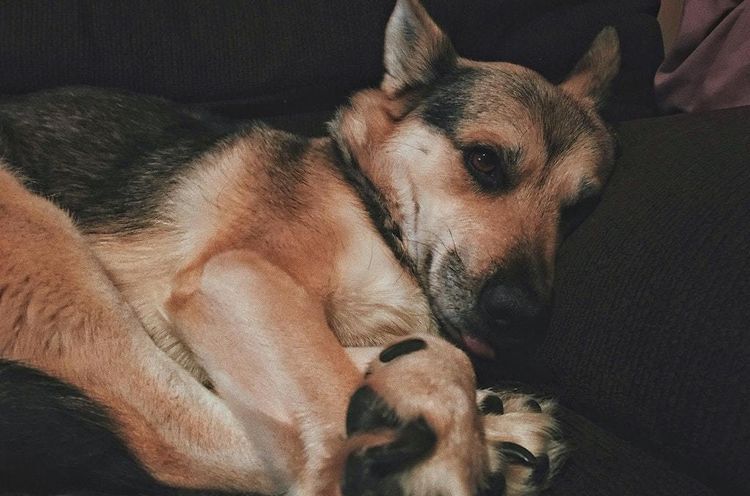
Clinical manifestations of herpes in adult dogs:
- chronic rhinitis, the dog's nose shows fur matted with mucus.
- If pneumonia develops, there will be wheezing, coughing, sometimes leading to vomiting.
- When the virus is localized in the epithelial cells of the cornea of the dog's eyes, herpetic conjunctivitis develops - redness of the eyes, lacrimation, photophobia, and blepharospasm (involuntary closure of the eyelids) are observed.
- When the mucous epithelium is affected, blisters appear on the animal's tongue, gums, and palate, which, when opened, form weeping ulcers.
- Genital herpes manifests as ulcers, which in males appear on the foreskin and in females on the inner surface of the genital slit (loop). This hidden location of the lesions makes diagnosis difficult; only a qualified specialist can detect the external signs of genital herpes in a dog.
Diagnostics
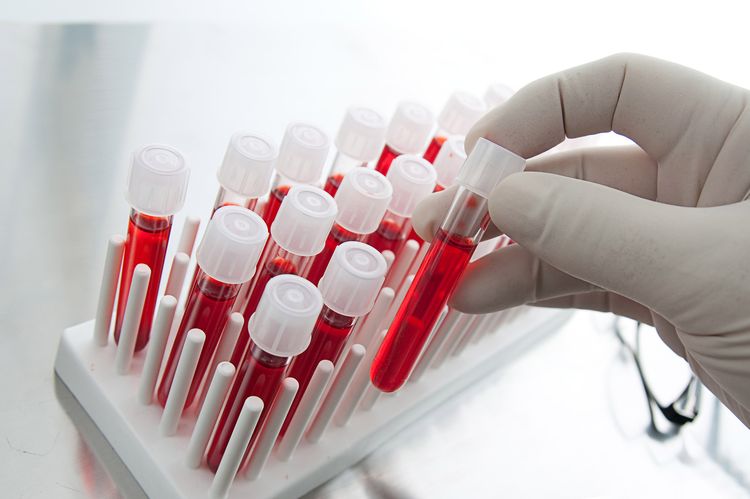
If herpes is suspected, a dog undergoes a series of tests to determine whether the herpesviridae virus is present. Blood, nasal discharge, eye discharge, and genital discharge are examined.
The diagnostic methods are:
- Blood test for IgG antibodies. If the test result shows a positivity index of less than 0.8, it is considered that no IgG antibodies to the herpes virus were detected.
- Bacteriological analysis. The biospecimen may be blood, saliva, or pharyngeal or genital swabs. The sample is placed in a culture medium. If the Herpesviridae virus is present, the microorganism actively multiplies, a process visible under a microscope. The risk of false positives with this method is virtually zero, but the analysis takes 1–2 weeks.
- PCR method. This method is based on multiple copies of viral DNA. The polymerase chain reaction allows for detection of the pathogen even at minimal levels in the blood. The sample can be blood, biopsies, or any biological fluids secreted by the body.
- Enzyme-linked immunosorbent assay (ELISA) can detect the presence of antibodies to a specific virus and determine their concentration, allowing for identification of the pathogen and determination of the disease stage.
- Immunofluorescence blood test. During an immunofluorescence test, the biomaterial is treated with a special substance that causes viral antigens to fluoresce under a fluorescence microscope. This method is considered a good rapid diagnostic method, but is only effective when the pathogen concentration in the blood is high.
Treatment
Currently, there are no medications capable of completely eliminating DNA-containing viruses from the body of humans or animals. All antiviral drugs are bacteriostatic. They do not kill microorganisms, but rather inhibit their growth and reproduction, forcing them into a "dormant" state.
When a dog is diagnosed with a herpesvirus infection, adult dogs are prescribed medications that increase the body's resistance to viruses (Fosprenil, Immunofan, Maxidin). To prevent the development of a secondary infection, the dog may be prescribed a course of antibiotics. General tonics include biotonic agent Gamavit, the SA-37 multivitamin complex. In cases of persistent diarrhea, the enterosorbent Polysorb or the antibacterial and enveloping agent Diarkan are prescribed.
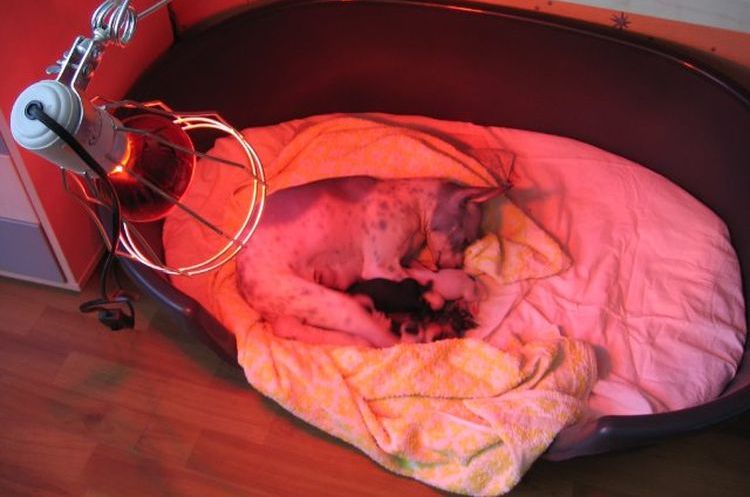
Treatment of newborn puppies consists of symptomatic and supportive care. General tonics, antiviral and antibacterial medications, and parenteral nutrition are used. Puppies need to be kept warm at all times—at temperatures above 37°C, the virus becomes inactive. Incubators, heating pads, and infrared lamps can be used for this purpose.
Important to know! Even if puppies who have recovered from herpes are saved, most of them subsequently experience nervous system dysfunction, kidney problems, or respiratory problems.
Prevention
To prevent herpes, it is recommended to test the female dog and male dog for the pathogen before mating. Pregnant female dogs should be isolated from other dogs both during the late stages of pregnancy and in the first weeks after birth.
A vaccine is used to transmit passive immunity to the Herpesviridae virus to offspring. Eurican HerpesPregnant female dogs are vaccinated twice during each pregnancy.
Read also:
- Lyme Disease in Dogs: Symptoms and Treatment
- Lyme disease in dogs: symptoms and treatment
- Adenovirus and adenovirus infection in dogs: symptoms and treatment


Add a comment