
Herpes in cats: symptoms and treatment
My pet has started sneezing, has a runny nose, and watery eyes. Is it a common cold or herpes? Herpesvirus infection requires immediate treatment, otherwise the consequences can be dire. What are the symptoms of herpes in my pet, and how can I treat it?
What is this disease?
Herpes in cats is caused by the FHV-1 virus. The disease is also known as rhinotracheitis and is classified as infectious, herpesvirus, and viral. It can be acute or chronic.
Cats are vaccinated against this infection; otherwise, it affects most animals. Mortality rates range from 5-20%.
The virus is transmitted from a sick or recovered animal through airborne transmission. It can enter the body through food, water, milk, urine, and secretions from the eyes, nose, and genitals. A person who has been in contact with an infected cat can also infect a pet.
Important! After recovery, cats continue to shed the virus into the air for up to 9 months.
The rate of transmission depends on the duration of contact with the infected animal and the severity of its illness. Within two days of infection, the pathogen is detectable in eye and nasal secretions. Active transmission continues for approximately 3-4 weeks.
If a cat is a latent carrier, the pathogen can be activated by various factors, including stress, pregnancy, and illness. In other words, any circumstances that weaken the immune system can trigger the disease.
External circumstances such as poor care and nutrition, hypothermia, and overcrowding of animals contribute to the spread of infection.
Once in contact with mucous membranes, the virus penetrates the skin and multiplies there. This leads to inflammation, causing tissue necrosis in the lips and nose. Simultaneously, the pathogen enters the bloodstream, causing weakness and fever. If a pregnant cat becomes infected, it will almost certainly result in the birth of a sick or stillborn fetus, or even miscarriage.
Symptoms
Herpes virus infection isn't immediately noticeable. The incubation period lasts from 3 to 8 days. After this, the cat develops the following symptoms:
- loss of appetite;
- the furry pet becomes lethargic;
- diarrhea or vomiting often begins;
- shortness of breath appears;
- the oral cavity is covered ulcers;
- the eyes are affected by conjunctivitis;
- body temperature rises.
The disease can be acute, subacute, or chronic.
If the course is acute, the temperature rises to 40 degrees and does not subside for up to 5 days. Then it appears runny nose, and the eyes become inflamed. The animal begins to cough, have a sore throat, and become hoarse.
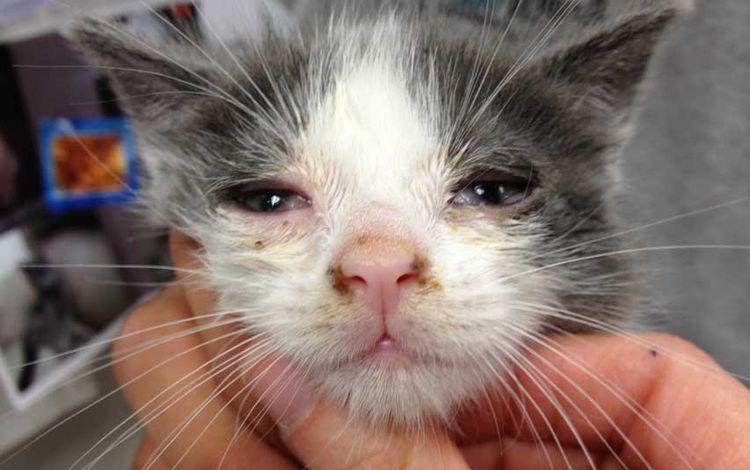
If the animal is young and healthy, has a strong immune system, and is treated appropriately, the disease begins to subside quickly and disappears within 7-10 days. Mortality occurs in weakened animals due to the development of a secondary infection, leading to pulmonary edema, as well as due to dehydration.
The chronic course of the disease lasts longer, and rhinitis persists for years. It leads to the development of ulcerative colitis and can result in blindness. The central nervous system is disrupted, resulting in tremors of the limbs and circling movements.
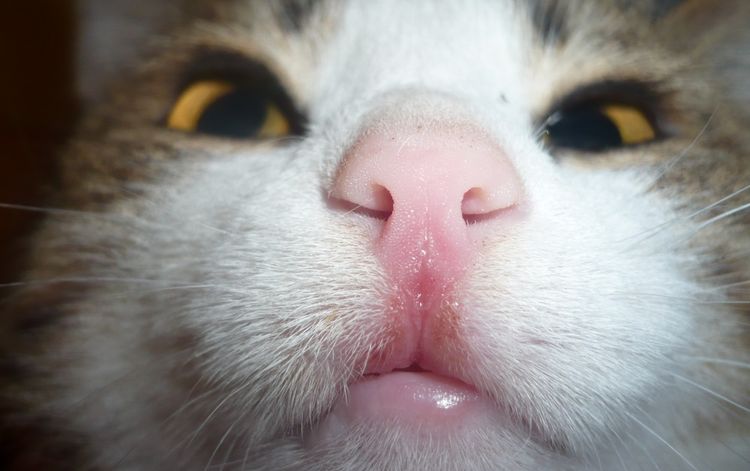
A chronic condition sometimes leads to herpesvirus dermatitis in cats, with ulcers forming on the inflamed skin. These ulcers can appear anywhere on the body, such as the front paws, but typically accumulate around the mouth and nose. This condition is characterized by crusting, swelling, and erythema in the inflamed areas. Skin signs appear after the main symptoms of the disease have subsided, approximately 10 days later. Treatment in this case is with antiviral and antibacterial medications.
To make a diagnosis, the veterinarian samples mucus and evaluates the symptoms. If the virus is detected in the cat, a diagnosis of rhinotracheitis is made and a herpesvirus infection is confirmed. Treatment recommendations are then given.
How to treat
Treatment begins with protecting the mucous membranes from viral attack and treating corneal inflammation. Anti-inflammatory ointments are typically used for this purpose. Tetracycline and Acyclovir are the most popular. They are applied 5-6 times daily.
Sometimes a doctor prescribes Acyclovir in tablet form. However, this is done with caution, as it can impair liver function with long-term use. Therefore, the drug should not be used without consulting a doctor.
To avoid complications, inflammation in the upper respiratory tract is treated with antibacterial agents, for example Tylosin or tetracycline. To support the cat's immune system, immunomodulators and medications to support the liver, kidneys, and heart are prescribed. If antibiotic treatment for herpes is prescribed, antihistamines are added. Vitamins C and B are given subcutaneously or intravenously.
Important! Keep your cat calm and in a warm, draft-free room. If your cat refuses regular food, offer liquid or semi-liquid options.
During the period of illness, the following products and dishes are introduced into the cat’s menu:
- boiled liquid food in meat or fish broths;
- porridge;
- pureed vegetables;
- minced fish, poultry, and boiled beef.
If the cat eats commercial food, then preference is given to high-calorie canned food.
Herpes infection is similar to calicivirus The main symptoms. Therefore, it is important to correctly diagnose the disease. There are some differences that help us understand what specific illness has befallen our pet:
- With calicivirus, ulcers typical of stomatitis are more severe and numerous. Inflammation of the tongue also appears.
- If gum inflammation develops, this is also a distinctive sign of calicivirus.
- With calicivirus, there is no breathing through the mouth, but the joints are affected, which leads to lameness.
In addition, before diagnosing rhinotracheitis, they exclude bordetellosis and chlamydia. The first variant is characterized by a very severe cough, but there is no inflammation in the eyes and no loss of appetite. In the second variant, the eyes are affected sequentially.
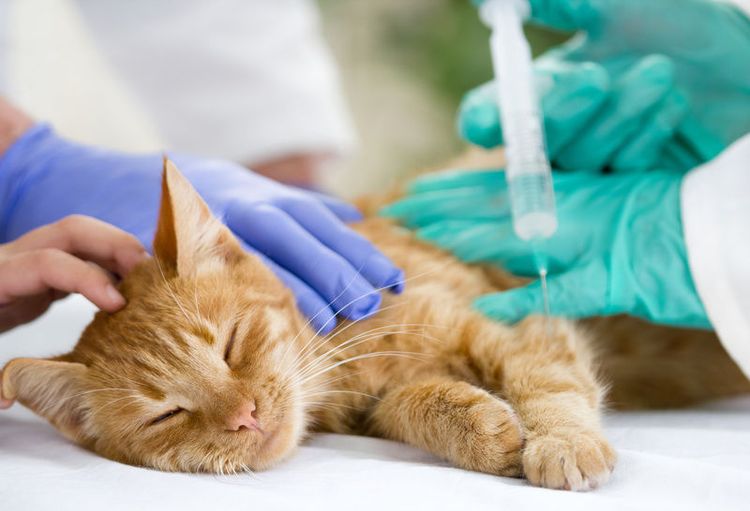
Treating herpes in cats is a labor-intensive process, and the disease itself can lead to secondary inflammation and even death, so vaccination is used to prevent the disease. Multifel, Nobivac Tricat, Quadricat and other vaccinations.
Vaccination doesn't guarantee that the animal will be immune to the virus or that the disease will pass. However, the course of the illness will be milder, and recovery will be faster.
Read also:


1 comment
Victoria
Hello, please tell me the origin of this article and the author. Thank you.
Add a comment